Aging Gracefully: 12 Essential Tips for Women
Discover 12 practical tips for women to embrace aging gracefully, focusing on holistic well-being, health, and a positive mindset.

You’ve probably noticed a few more lines around your eyes or a bit less energy than you used to have. That’s completely normal, and it doesn’t mean you have to fight the process. Aging gracefully is about embracing this new chapter with a positive mindset and focusing on what truly matters: your health, your happiness, and your connections. This article covers twelve practical, everyday tips that can help you feel vibrant and confident at any age.
Key Takeaways
- Embrace aging as a natural process, focusing on vitality, not eternal youth.
- Eat a balanced diet rich in fruits, vegetables, lean proteins, and healthy fats.
- Aim for 7 to 9 hours of quality sleep each night.
- Apply broad-spectrum SPF 30 or higher daily, even on cloudy days.
- Schedule regular health check-ups, even when you feel fine.
Embracing the Journey of Aging Gracefully
Aging gracefully means embracing the natural process of getting older with a positive mindset, focusing on holistic well-being rather than fighting every wrinkle. It involves prioritizing physical health through nutrition and exercise, maintaining mental and emotional resilience, fostering strong social connections, and practicing self-care. The goal is to feel vibrant and fulfilled at every stage, not to chase an impossible standard of youth.
1. Nourish Your Body with Whole Foods
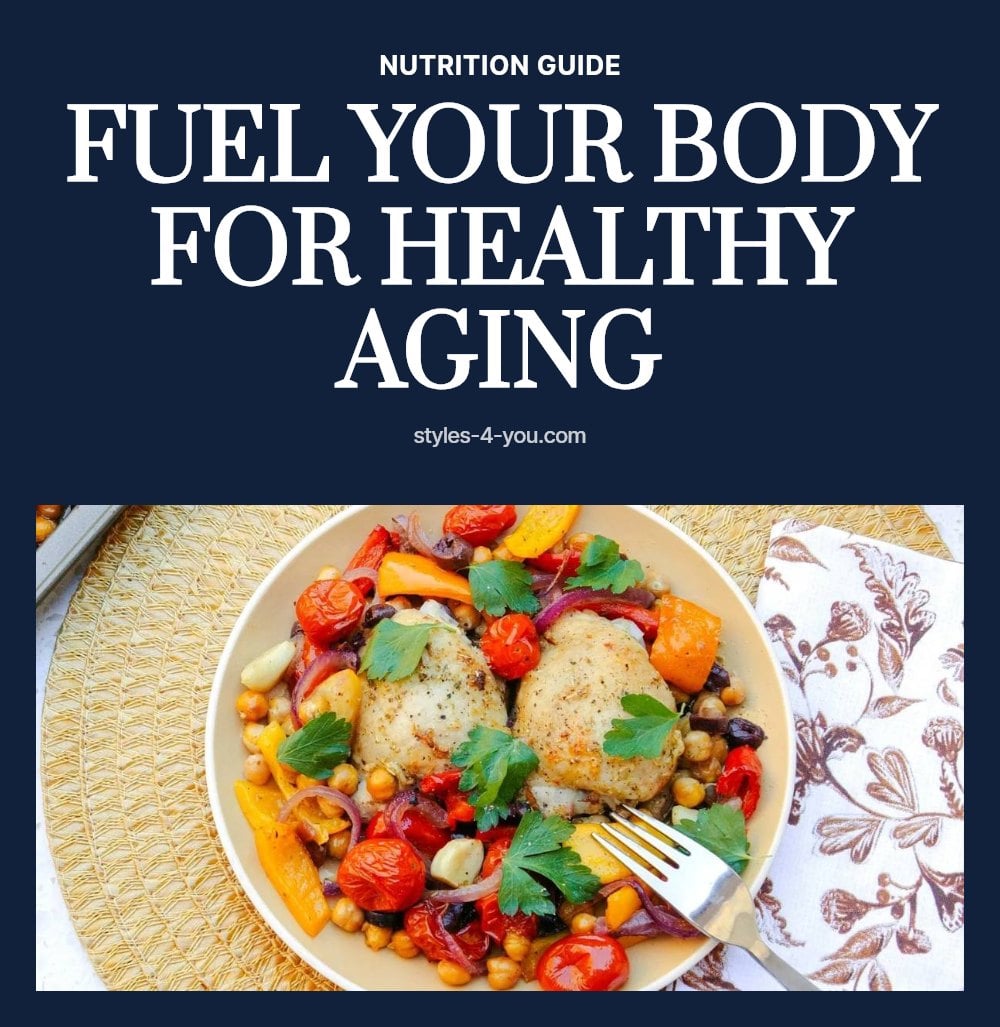
Prioritize a balanced diet rich in fruits, vegetables, lean proteins, and healthy fats. These foods support cellular health, help manage inflammation, and provide sustained energy throughout the day.
- Fill half your plate with colorful vegetables and fruits for antioxidants.
- Choose lean proteins like fish, poultry, beans, or tofu for muscle maintenance.
- Incorporate healthy fats from avocados, nuts, and olive oil for brain and skin health.
My tip: Limit processed foods, excessive sugar, and alcohol, as they can contribute to inflammation and negatively impact your overall health and appearance.
2. Stay Physically Active Daily
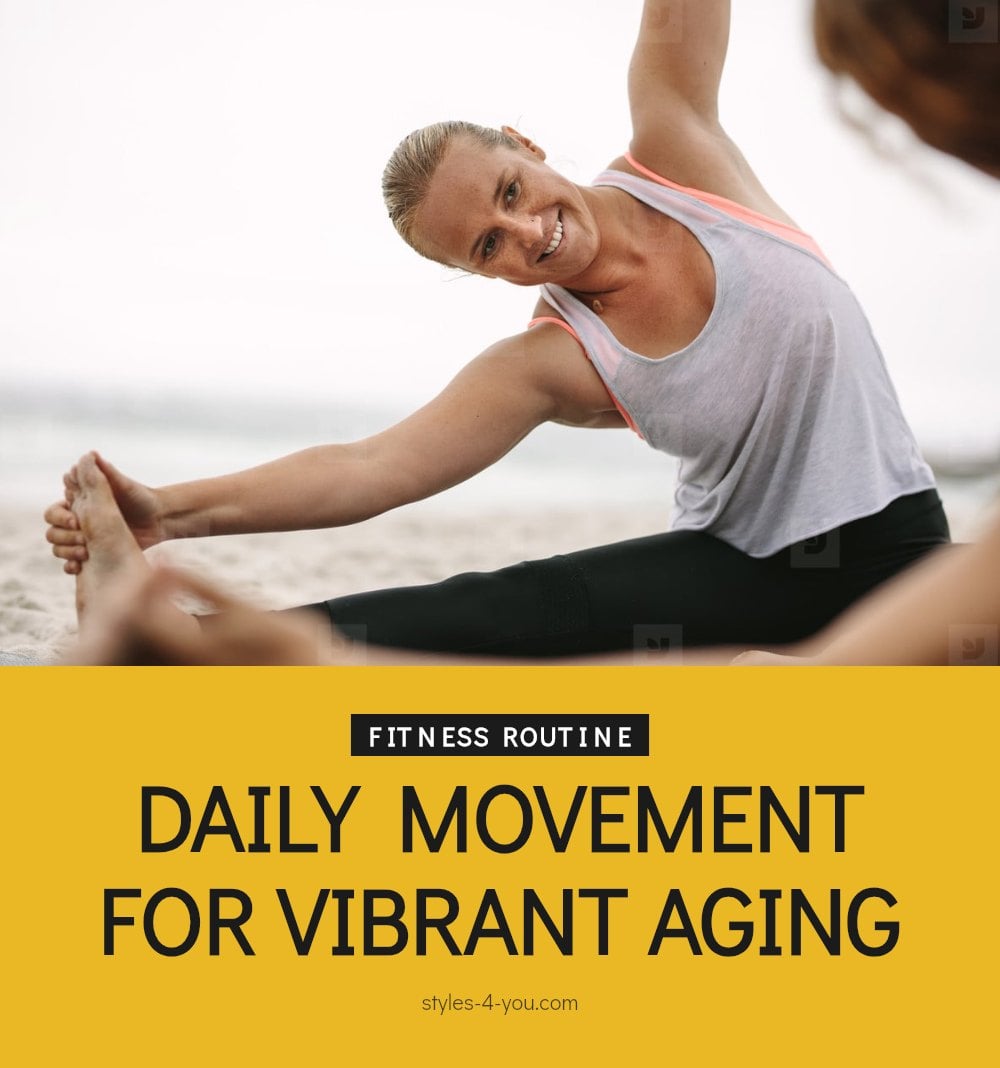
Engage in regular physical activity that includes both aerobic and strength training, tailored to your age and fitness level. This is crucial for maintaining bone density, muscle mass, and cardiovascular health as you age.
- Aim for at least 150 minutes of moderate aerobic activity weekly, like brisk walking or cycling.
- Add strength training two days a week using weights, resistance bands, or bodyweight exercises.
- Include flexibility work like stretching or yoga to support joint health.
My tip: Even a brisk walk for 30 minutes, five days a week, can make a significant difference. Find activities you enjoy to make it sustainable.
3. Prioritize Quality Sleep
Aim for 7-9 hours of quality sleep per night, as most adults need this range for optimal function. Adequate sleep is essential for cognitive function, mood regulation, and physical recovery, helping you feel sharper and more balanced.
Tip: Create a consistent sleep schedule and a relaxing bedtime routine to improve your sleep hygiene. Try winding down with a book or gentle stretching, and keep screens out of the bedroom.
4. Protect Your Skin from the Sun

Daily use of broad-spectrum SPF 30 or higher is the most effective way to prevent premature skin aging and reduce skin cancer risk. Apply it every morning, even on cloudy days, and reapply every two hours when you are outdoors.
My tip: Don’t forget your neck, chest, and hands. These areas are often exposed and tend to show signs of aging quickly, so give them the same protection as your face.
5. Cultivate Strong Social Connections

Maintaining social connections and engaging in meaningful activities can significantly improve mental well-being and reduce feelings of isolation. Make time for friends and family, join a club, or volunteer to build a sense of community.
My tip: Prioritize relationships with people who uplift you and share your interests. Quality matters more than quantity, so focus on connections that feel genuine and supportive.
6. Manage Stress Effectively
Managing stress with techniques like meditation, yoga, or hobbies can lessen the physical and mental effects of chronic stress, which may accelerate aging. Even a few minutes of deep breathing can help reset your nervous system.
My tip: Find what works for you, whether it is a short mindful pause or an hour spent on a beloved hobby. Consistency beats intensity when it comes to stress relief.
7. Stay Mentally Active and Curious

Staying mentally active through learning new skills, reading, or puzzles can support cognitive health as you age. Challenge your brain regularly to keep it sharp and engaged.
My tip: Consider learning a new language, taking an online course, or picking up a new instrument. These activities push your brain in fresh ways and can be enjoyable at the same time.
8. Hydrate Adequately Daily
Regular hydration supports nearly every bodily function, from digestion and metabolism to skin elasticity and energy levels. Even mild dehydration can leave you feeling sluggish and make fine lines look more pronounced.
Aim to drink water consistently throughout the day rather than catching up all at once. Your urine color is a simple gauge: pale yellow usually means you are well hydrated.
Good to know: Keep a reusable water bottle on your desk or in your bag as a visual reminder to sip regularly, especially between meals when thirst signals can be easy to miss.
9. Maintain a Consistent Skincare Routine
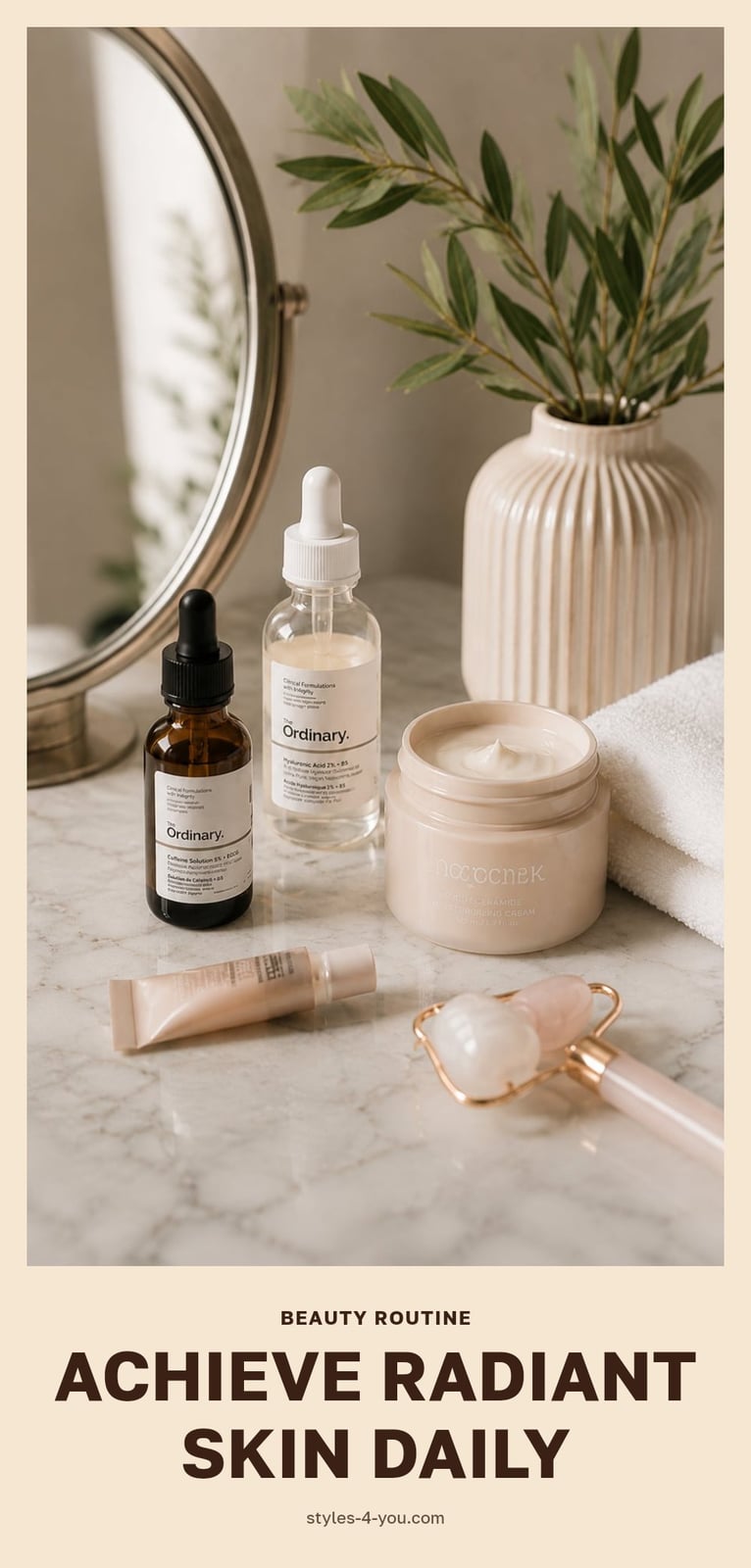
A consistent skincare routine with three core steps, cleansing, moisturizing, and targeted treatments, can support your skin’s barrier function and address specific concerns like dryness or dullness. Cleansing removes dirt and oil, moisturizer locks in hydration, and treatments such as antioxidants or retinoids work on deeper layers over time.
Consistency matters more than complexity. A simple routine you follow daily beats an elaborate one you skip.
Pro move: If considering active ingredients like retinoids, a dermatologist can recommend the right strength and frequency for your skin type, which reduces the risk of irritation. This keeps your routine both simple and effective.
10. Schedule Regular Health Check-ups
Regular check-ups with your healthcare provider are key for catching age-related conditions early, when they are often easier to manage. Many issues, from blood pressure changes to thyroid problems, develop without obvious symptoms.
Preventative care means scheduling visits even when you feel fine. An annual physical gives your doctor a baseline to compare against over the years.
Quick tip: Keep a list of your family’s medical history, including conditions like heart disease, diabetes, or cancer, and share it during your annual exam. That information helps your doctor tailor screenings to your risk profile.
11. Embrace Self-Acceptance and Positivity
Self-acceptance is the foundation of aging gracefully. When you value your wisdom, experience, and resilience over perceived imperfections, the physical changes of aging carry less weight.
Positive body image is not about ignoring changes, it is about recognizing that your worth is not tied to how you look. Many women find that shifting focus to what their body can do, rather than how it appears, eases the pressure.
Tip: Start each morning with a simple affirmation that celebrates your age and journey. Try saying, “I am grateful for the life I have lived,” or “My experience is my beauty.” Repeat it until it feels natural.
Common Misconceptions About Aging Gracefully
One of the biggest misconceptions is that aging gracefully means looking perpetually young. It isn’t about erasing every sign of age, but about looking and feeling your best at every stage. The goal is vitality, not eternal youth, so shifting your focus from appearance to energy and well-being makes a real difference.
Another common trap is focusing only on external appearance. Skincare matters, but true graceful aging covers holistic well-being, meaning your mental, emotional, and physical health, not just what’s on the surface. Neglecting preventative health measures is also a mistake. Waiting until problems arise misses the point of proactive aging, and regular check-ups plus healthy habits are your best defense.
Be cautious of ‘miracle’ anti-aging products. Marketing hype often promises quick fixes, but some scientifically-backed ingredients, when recommended by a professional, can be effective. Sustainable results come from consistent, evidence-based practices, not from chasing shortcuts. Finally, don’t let social isolation creep in. Loneliness can significantly impact both health and happiness, so actively maintain and cultivate your connections with others.
Frequently Asked Questions
What is the most important aspect of aging gracefully?
Self-acceptance is often considered the cornerstone. When you value your wisdom and experience over perceived imperfections, the physical changes carry less weight. A positive mindset, combined with healthy habits like nutrition and exercise, supports your overall well-being.
Can diet really impact how I age?
Yes, a balanced diet rich in fruits, vegetables, lean proteins, and healthy fats supports cellular health and helps manage inflammation. Limiting processed foods, excessive sugar, and alcohol may also contribute to better health and appearance. Small dietary changes can make a meaningful difference over time.
How much sleep do I need as I get older?
Most adults need 7 to 9 hours of quality sleep per night for optimal cognitive function, mood regulation, and physical recovery. Even as you age, this range remains important. If you struggle with sleep, consider a consistent schedule and a relaxing bedtime routine.
Is it too late to start aging gracefully?
It is never too late. The benefits of healthy habits accumulate gradually, and starting now can still improve your energy, mood, and overall health. Whether you begin with a daily walk, better hydration, or a skincare routine, every positive change counts.
What role do social connections play in aging?
Maintaining strong social connections can significantly improve mental well-being and reduce feelings of isolation. Engaging with friends, family, or community groups provides emotional support and a sense of purpose, which are vital for healthy aging.
Should I still exercise if I have joint pain?
If you have joint pain, it’s wise to consult a doctor before starting or changing an exercise routine. Many people find that low-impact activities like swimming, walking, or gentle yoga can be beneficial. Your healthcare provider can help you choose safe, appropriate exercises.
Final Thoughts
My tip: pick one or two of these habits to start with, like adding a daily walk or swapping one processed snack for fruit. Don’t try to change everything at once. Realistic expectations are key; you won’t see overnight transformations, but over months and years, these small steps compound into a healthier, more vibrant you. Enjoy the journey, and remember that every stage of life has its own beauty.
This article is for general informational purposes only and is not a substitute for professional medical advice. Always consult with a doctor or dermatologist before making significant changes to your diet, exercise, or skincare routine, especially if you have underlying health conditions or persistent concerns.
More Blog ideas
- Your Essential Guide to a Healthy Feminine Hygiene Routine
- Best High Protein Foods to Eat Daily for Health and Energy
- Feeling Stuck: 12 Small Steps to Get Unstuck
- Winter Skin Survival Tips
- How to Get a Flat Stomach
- How to Fix Damaged Hair and Restore Its Health
- Full-Body Kettlebell Workout
- Dry Scalp vs. Dandruff
- Full Body Workout for Beginners
- 21 Easy Beauty Tips Every Woman Should Know
- Feminine Energy: 15 Daily Habits to Feel More Radiant
- Upper Body Workout for Women at Home