Dry Scalp vs. Dandruff: What Helps and How to Treat Each
Learn the key differences between dry scalp and dandruff, identify your condition, and discover effective treatments to soothe your scalp and eliminate flakes.

That persistent itch and those white flakes on your shoulders can be frustrating, but the right fix depends on knowing what you’re dealing with. Dry scalp and dandruff look similar but have different causes and treatments, so using the wrong product can actually make things worse. This article breaks down the key differences between dry scalp and dandruff, explains what causes each, and gives you practical steps to treat and prevent both conditions effectively.
Key Takeaways
- Dry scalp produces small, white flakes from lack of moisture; dandruff causes larger, yellowish, oily flakes from yeast overgrowth.
- Use moisturizing shampoos with glycerin or hyaluronic acid for dry scalp, and medicated shampoos with zinc pyrithione or ketoconazole for dandruff.
- Wash with lukewarm water and rinse thoroughly to avoid stripping natural oils or leaving residue.
- Dry scalp often improves within a few washes; dandruff typically takes 2-4 weeks of consistent medicated shampoo use.
- If symptoms persist or worsen after a few weeks, or if you have severe itching or sores, see a dermatologist.
Is It Dry Scalp or Dandruff?
That flaky scalp could be dry scalp or dandruff, and they are not the same thing. Dry scalp happens when your scalp lacks moisture, so flakes are small and white, and your scalp feels tight. You often have dry skin on your face or body too. Dandruff, or seborrheic dermatitis, comes from an overgrowth of yeast on an oily scalp. Its flakes are larger, yellowish, and greasy, and you may notice redness and itchiness.
Understanding the Differences: Dry Scalp vs. Dandruff
| Condition | Cause | Flakes | Scalp Feel | Common Symptoms | Recommended Treatment |
|---|---|---|---|---|---|
| Dry Scalp | Lack of moisture from weather or harsh products | Small, white, dry | Tight, dry | Itching, tightness, dry skin elsewhere | Moisturizing shampoos and scalp oils |
| Dandruff | Yeast overgrowth (Malassezia) on oily scalp | Larger, yellowish, oily | Oily, greasy | Itching, redness, oily scalp | Anti-dandruff shampoos (zinc pyrithione, selenium sulfide, or ketoconazole) |
Dry scalp and dandruff may look similar at first glance, but the table above shows how they differ in cause, flake type, and what your scalp actually needs. Matching your treatment to the right condition is the fastest way to get relief.
Why Your Scalp Might Be Dry or Flaky
What Causes Dry Scalp?
Dry scalp is usually triggered by external factors that strip moisture away. Common culprits include:
- Cold, dry weather: Low humidity pulls water from your skin, including your scalp.
- Harsh shampoos: Sulfates and other strong detergents can remove natural oils.
- Hot water: Washing with very hot water dries out the scalp quickly.
- Styling products: Alcohol-based sprays and gels can worsen dryness.
What Causes Dandruff?
Dandruff has a different root cause. It is driven by an overgrowth of a yeast called Malassezia globosa, which naturally lives on your scalp. This yeast feeds on the oils your scalp produces. When too much oil is present, the yeast multiplies, leading to inflammation, flaking, and itching.
Effective Solutions for Dry Scalp
If you have dry scalp, the goal is to add moisture and stop stripping it away. Here is what works.
Use Moisturizing Shampoos and Conditioners
Look for ingredients like hyaluronic acid, glycerin, or natural oils. These help hydrate the scalp without irritation. I usually switch to a sulfate-free formula during winter months.
Try Scalp Oil Treatments
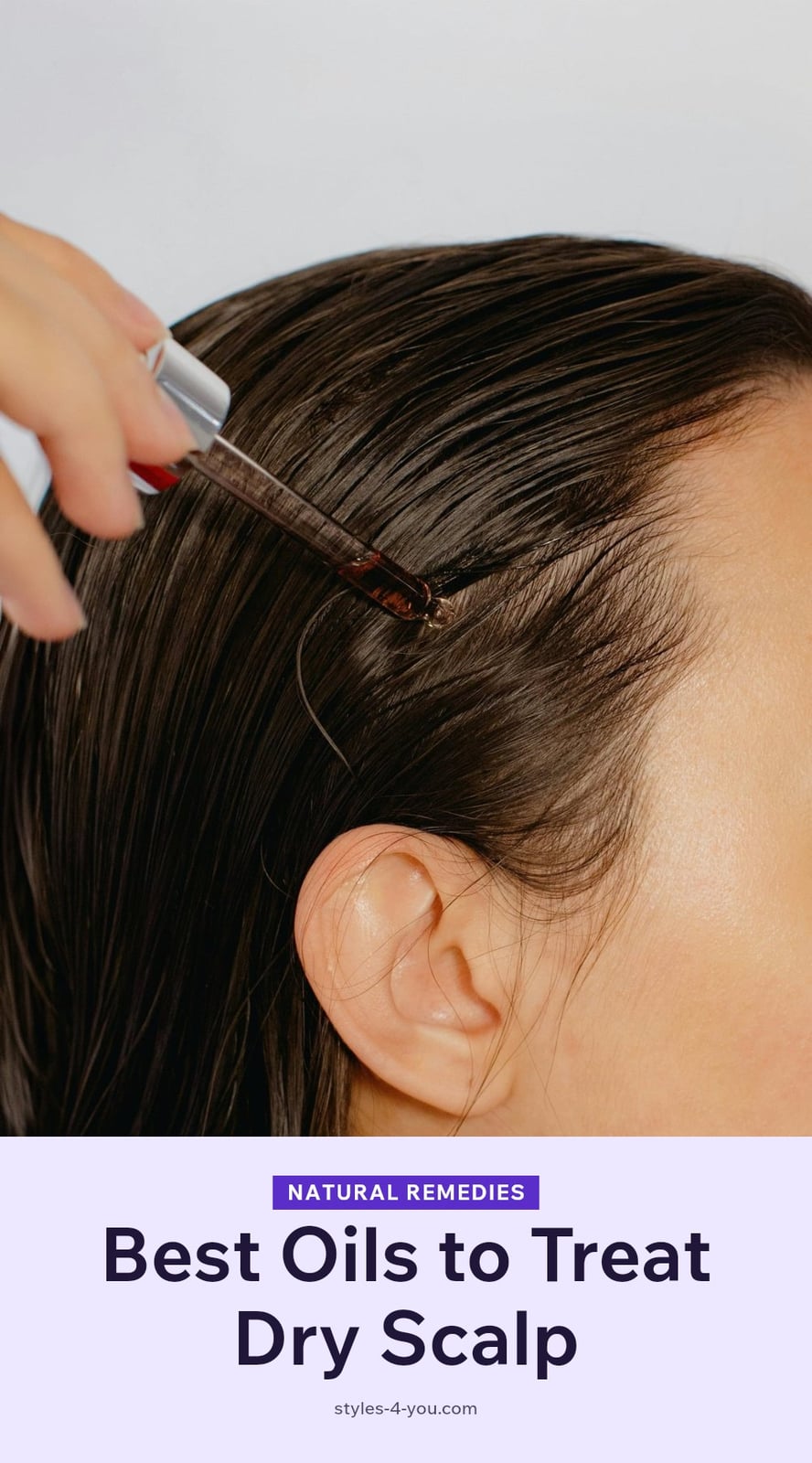
Jojoba oil and argan oil are excellent choices for a pre-wash treatment. Warm a few drops in your hands, massage into your scalp, and leave it on for 15-20 minutes before shampooing. My tip: Apply the oil at least an hour before bed and wash it out in the morning for deeper absorption.
Wash with Lukewarm Water and Massage Gently
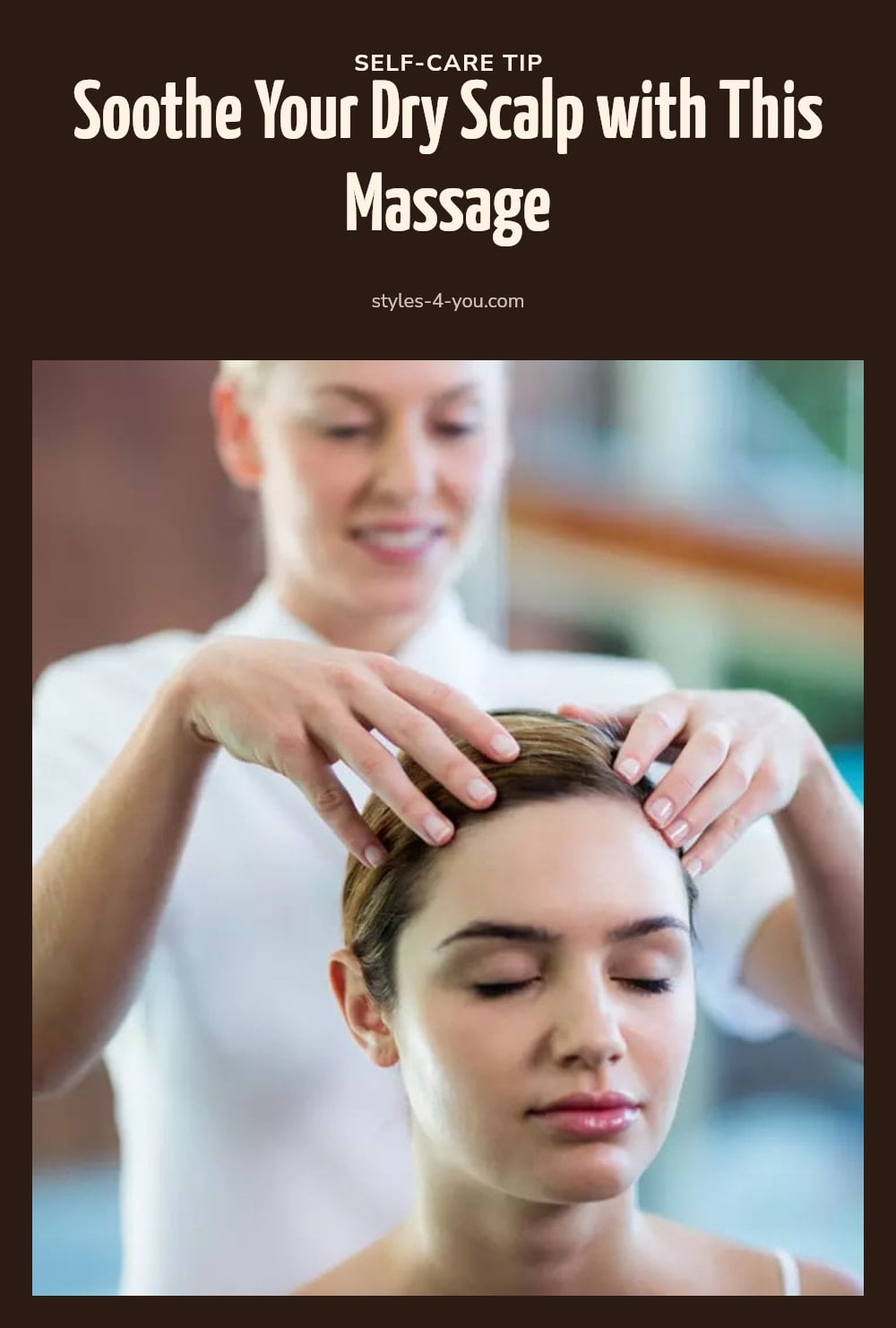
Hot water strips natural oils, so stick to lukewarm water. While washing, use your fingertips to massage your scalp in circular motions. This boosts blood flow and helps loosen flakes without scratching.
Add a Humidifier to Your Space
Dry indoor air, especially in winter, can worsen scalp dryness. Running a humidifier in your bedroom adds moisture back into the air, which can help your scalp feel less tight and flaky.
Targeted Treatments for Dandruff
Dandruff needs a different approach than dry scalp. The key is using shampoos with active antifungal ingredients like zinc pyrithione, selenium sulfide, or ketoconazole. These ingredients target the Malassezia yeast that causes dandruff. Look for these listed in the active ingredients on the bottle.
Consistent use matters. Most medicated shampoos require leaving them on your scalp for 3-5 minutes before rinsing. Use them twice a week at first, then adjust based on results. Rinse thoroughly to prevent any residue that could irritate your scalp further.
My caution: Avoid heavy oils like coconut or olive oil on a dandruff-prone scalp. These oils feed the Malassezia yeast and can make flaking worse. Stick to lightweight, non-comedogenic products if you want to add moisture. If your scalp feels tight or irritated after using a medicated shampoo, switch to a gentler formula or alternate with a moisturizing shampoo.
Common Scalp Care Mistakes to Avoid
Using anti-dandruff shampoo on dry scalp: This strips moisture and worsens flakes. Match your treatment to your condition, moisturizing for dry scalp, antifungal for dandruff.
Not rinsing thoroughly: Product residue builds up and irritates the scalp. Rinse until water runs clear, especially around the hairline and nape of the neck.
Over-washing with harsh products: Washing daily with sulfates strips natural oils. Wash 2-3 times a week with a gentle, sulfate-free shampoo if your scalp is dry.
Applying heavy oils to dandruff: Oils like coconut or olive feed the yeast. Stick to lightweight, non-comedogenic options or skip oils entirely for dandruff.
Keeping Your Scalp Healthy and Flake-Free
Use lukewarm water: Hot water strips natural oils and dries the scalp. Stick to warm water for washing and rinsing.
Choose the right products: For dry scalp, pick moisturizing shampoos with glycerin or hyaluronic acid. For dandruff, use a medicated shampoo with zinc pyrithione or ketoconazole.
Wash regularly, not excessively: 2-3 times a week works for most people. Adjust based on your scalp’s oiliness, wash more if oily, less if dry.
Rinse thoroughly: Leftover shampoo or conditioner residue can cause buildup and irritation. Take extra time to rinse the scalp area completely.
When to Expect Results and What to Budget
Dry scalp often improves within a few washes once you switch to moisturizing products and adjust your routine. Dandruff takes longer, expect 2-4 weeks of consistent medicated shampoo use before you see significant reduction in flakes.
Product costs vary by type. Drugstore moisturizing shampoos and conditioners generally cost less than specialized scalp treatments. Medicated dandruff shampoos fall in a similar range. Scalp oils and masks add to the budget but last several months with regular use.
When to Consult a Dermatologist
If your scalp symptoms don’t improve after a few weeks of consistent care, or if they get worse, it’s time to see a dermatologist. You should also make an appointment if you experience severe itching, pain, or notice open sores on your scalp. A doctor can provide a proper diagnosis and rule out other conditions like psoriasis or contact dermatitis.
Important: This article is for informational purposes only and does not constitute medical advice. Always consult a qualified healthcare professional for any scalp concerns that persist or cause significant discomfort.
Frequently Asked Questions
Can stress cause dry scalp or dandruff?
Stress can influence both conditions, though the exact link isn’t fully understood. Many people find that their scalp symptoms flare up during stressful periods, possibly because stress affects oil production and immune response. Managing stress through relaxation techniques or adequate sleep may help support overall scalp health.
How often should I wash my hair if I have a dry scalp?
Wash your hair regularly but not excessively, as over-washing can strip natural oils and worsen dryness. For dry scalp, washing every other day or every two days with a moisturizing shampoo is usually enough. Adjust based on how your scalp feels, if it feels tight or flaky after washing, try spacing washes out more.
Are there natural remedies for dry scalp?
Some people find relief with natural oils like jojoba, argan, or coconut oil applied as a pre-wash treatment to add moisture. Always dilute essential oils and do a patch test before using them on your scalp. For dandruff-prone scalps, avoid heavy oils that can feed the Malassezia yeast, and stick to medicated treatments instead.
What ingredients should I look for in a dry scalp shampoo?
Look for moisturizing ingredients like hyaluronic acid, glycerin, or natural oils in your shampoo and conditioner. These help hydrate the scalp without irritation. Avoid shampoos with harsh sulfates or strong detergents that can strip natural oils and make dryness worse.
Can diet affect my scalp health?
Diet may play a role, though the exact mechanisms are complex and not fully understood. Some people notice that eating a balanced diet with enough healthy fats and staying hydrated helps their scalp feel less dry. If you suspect a food sensitivity is triggering flaking, keeping a food diary and discussing it with a doctor can be useful.
Final Thoughts
My tip: match your treatment to your scalp type, not just the flakes you see. If your scalp feels tight and you have dry skin elsewhere, start with a moisturizing shampoo and see if that helps within a week. For oily flakes that stick to your hair, reach for a medicated dandruff shampoo and use it consistently for a few weeks. With the right routine, you can expect noticeable improvement, but if things don’t get better, a dermatologist can give you a clearer plan.
This article is for general informational purposes only and does not constitute medical or professional advice. If you have persistent scalp irritation, pain, or open sores, or if your symptoms do not improve with home care, consult a dermatologist or healthcare professional for a proper diagnosis and treatment plan.
More Blog ideas
- Your Essential Guide to a Healthy Feminine Hygiene Routine
- Best High Protein Foods to Eat Daily for Health and Energy
- Feeling Stuck: 12 Small Steps to Get Unstuck
- Winter Skin Survival Tips
- How to Get a Flat Stomach
- How to Fix Damaged Hair and Restore Its Health
- Full-Body Kettlebell Workout
- Full Body Workout for Beginners
- 21 Easy Beauty Tips Every Woman Should Know
- Feminine Energy: 15 Daily Habits to Feel More Radiant
- Upper Body Workout for Women at Home
- Witch Hazel Uses: 15 Ways to Use It in Your Beauty Routine






