Full-Body Kettlebell Workout: Build Strength and Boost Fitness
Discover an effective full-body kettlebell workout to build strength, improve conditioning, and enhance mobility. Learn proper form and common mistakes.

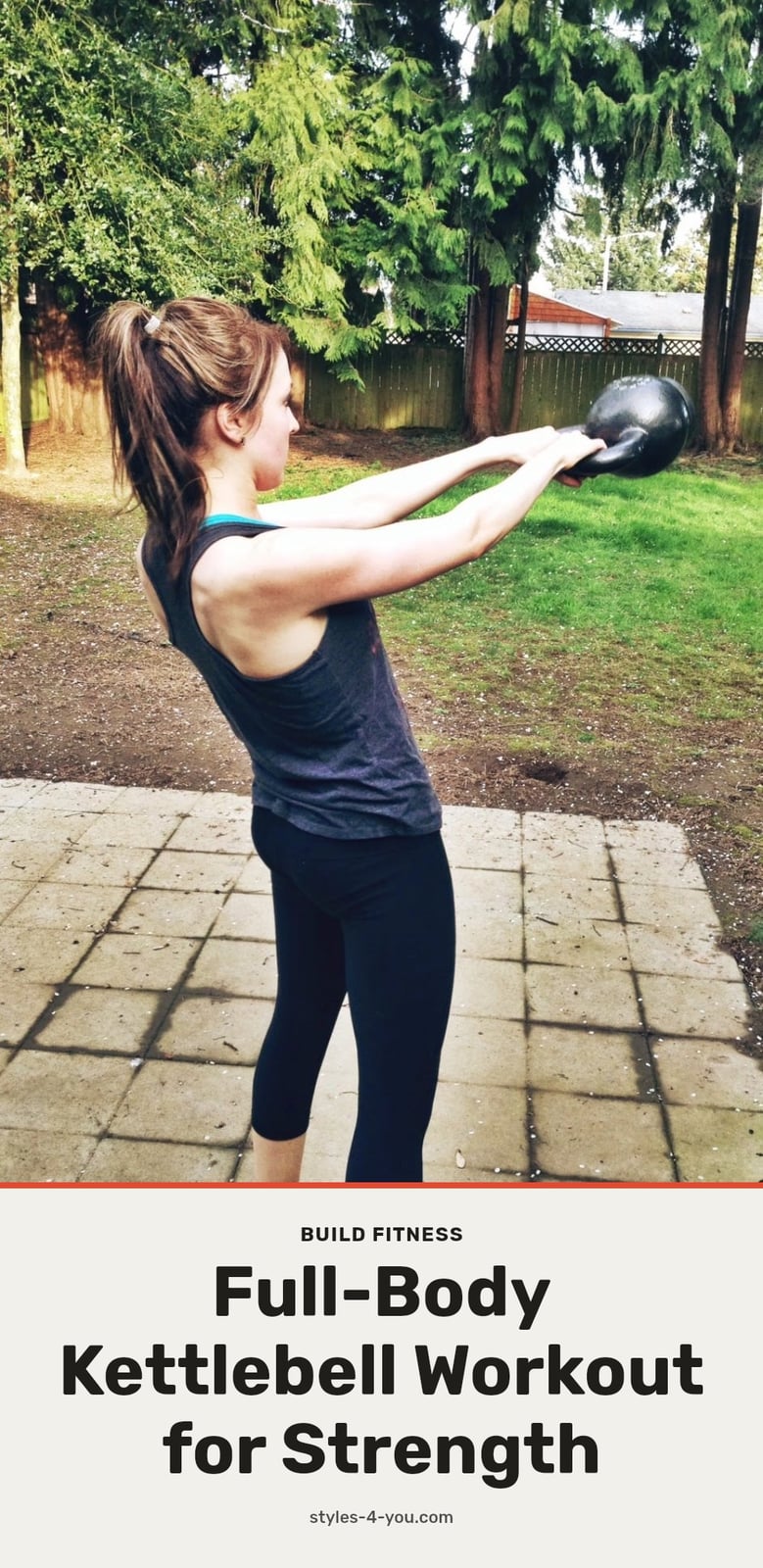
You want a workout that builds strength, boosts your heart rate, and improves mobility all in one session. A full-body kettlebell workout delivers exactly that using just one piece of equipment. This article covers the essential moves, how to do them safely, and a simple weekly plan to help you get started.
Key Takeaways
- Focus on hip-hinge mechanics for swings, not squatting, to engage glutes and hamstrings.
- Start with a lighter kettlebell (8-12 kg for women, 16-20 kg for men) to master form.
- Incorporate a dynamic warm-up and a 5-10 minute cool-down with static stretches.
- Aim for 2-3 full-body kettlebell workouts per week with rest days in between.
- Stop immediately if you feel sharp pain or dizziness, and consult a doctor before starting if you have health concerns.
What Is a Full-Body Kettlebell Workout?
A full-body kettlebell workout uses one piece of equipment to hit multiple muscle groups at once. It blends strength, cardio, and mobility through compound moves like swings, squats, and presses. The off-center weight of a kettlebell forces your core and grip to work harder to stabilize, giving you more muscle activation than the same weight in a dumbbell.
1. Dynamic Warm-Up: Arm Circles and Leg Swings
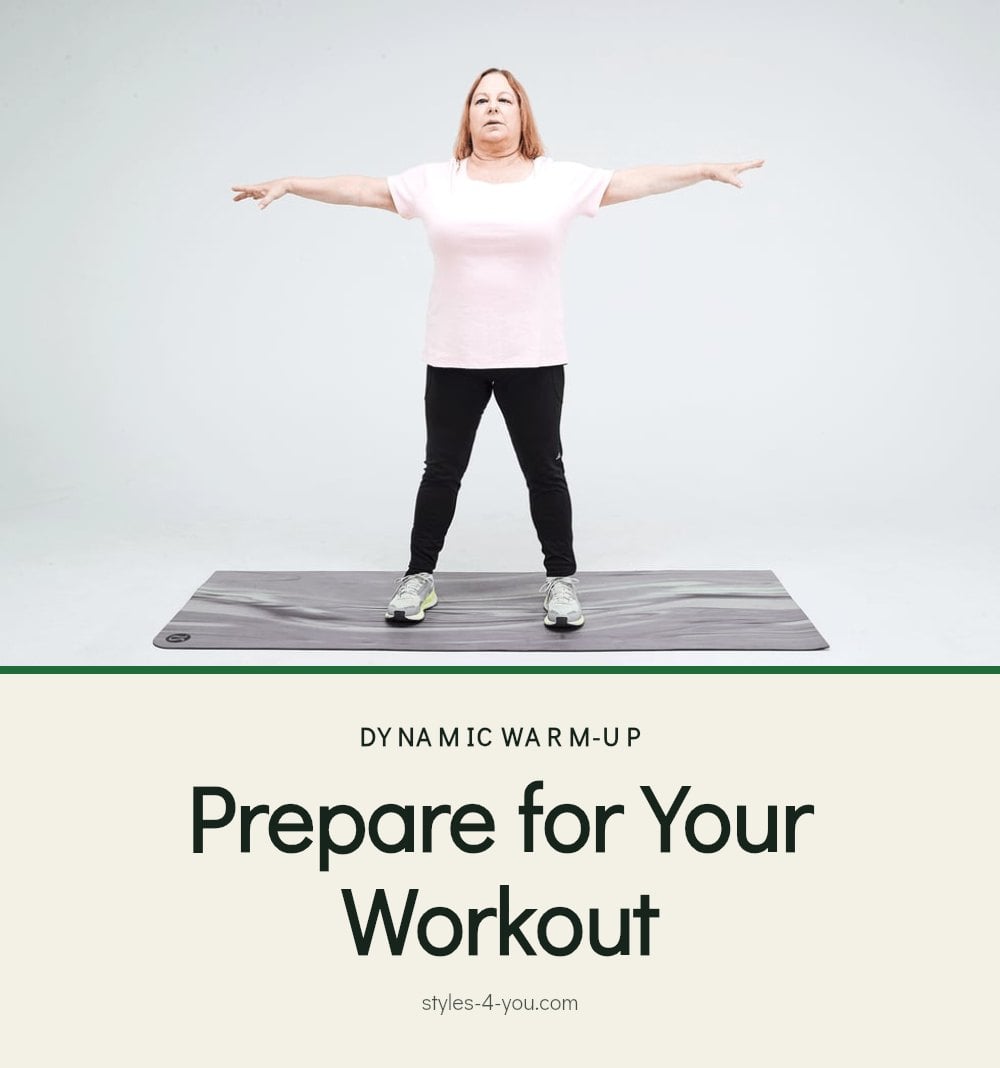
Start your warm-up with 10-15 arm circles forward and backward to loosen your shoulders and upper back. Then do 10-15 leg swings per leg, forward and side-to-side, to open your hips and wake up your hamstrings and glutes. This routine preps your muscles and joints for the dynamic moves ahead and lowers your injury risk.
- Sets and reps: 1 round of each movement
- Form cue: Keep your torso stable; don’t lean side to side during leg swings
- Make it easier or harder: Reduce range of motion if tight, or add ankle weights for more challenge
2. Kettlebell Swing
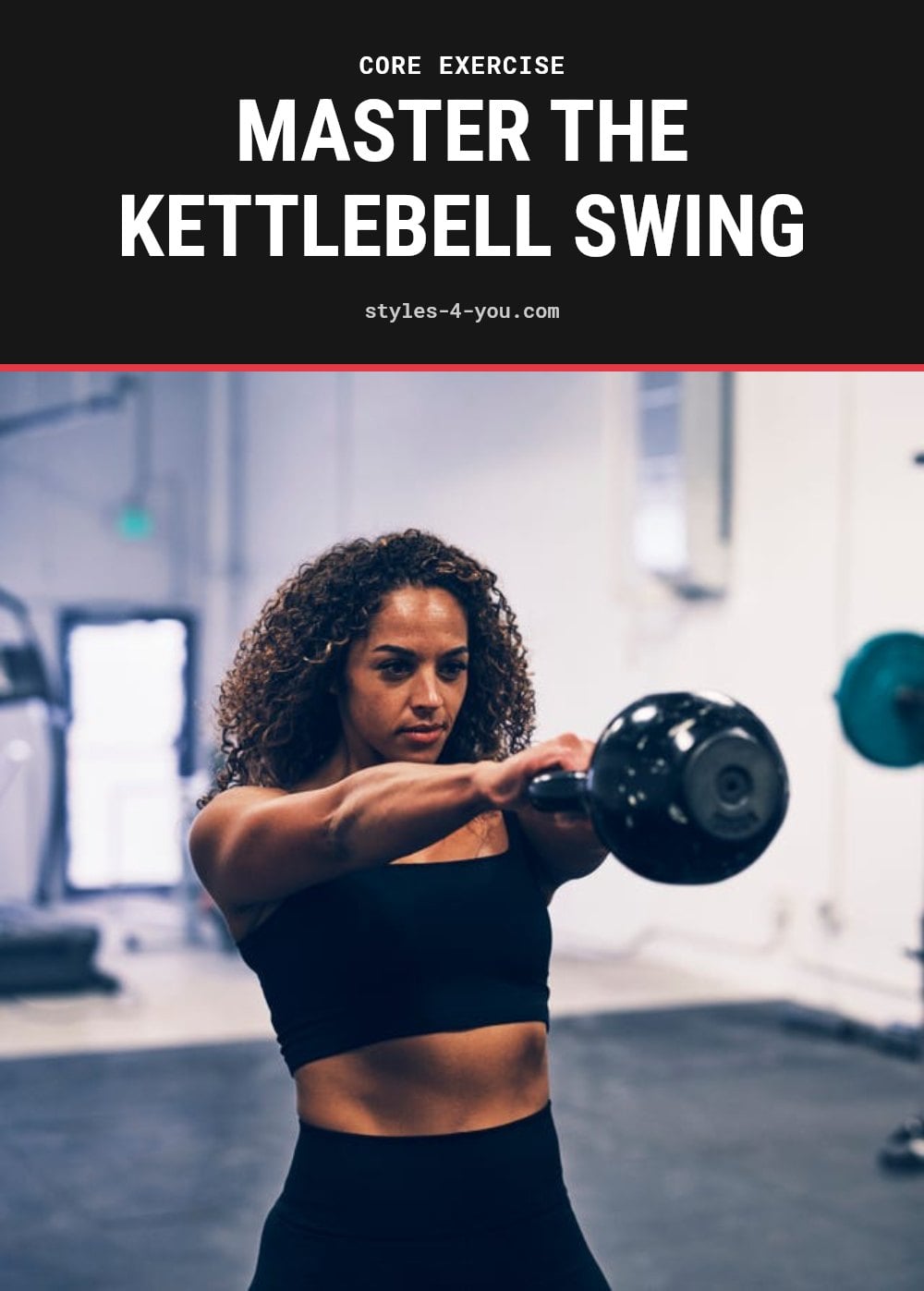
Stand with feet shoulder-width apart and the kettlebell on the floor in front of you. Hinge at your hips, keep your spine neutral, and grab the handle with both hands. Hike the bell back between your legs, then drive your hips forward explosively, squeezing your glutes, to swing it up to chest height. Let the bell fall back naturally and hinge again. Your hips do the work, not your arms.
- Sets and reps: 3 sets of 10-12 reps
- Form cue: Think of snapping your hips forward like a powerful hip thrust
- Make it easier or harder: Use a lighter kettlebell to master the hinge, or increase weight once form is solid
3. Goblet Squat
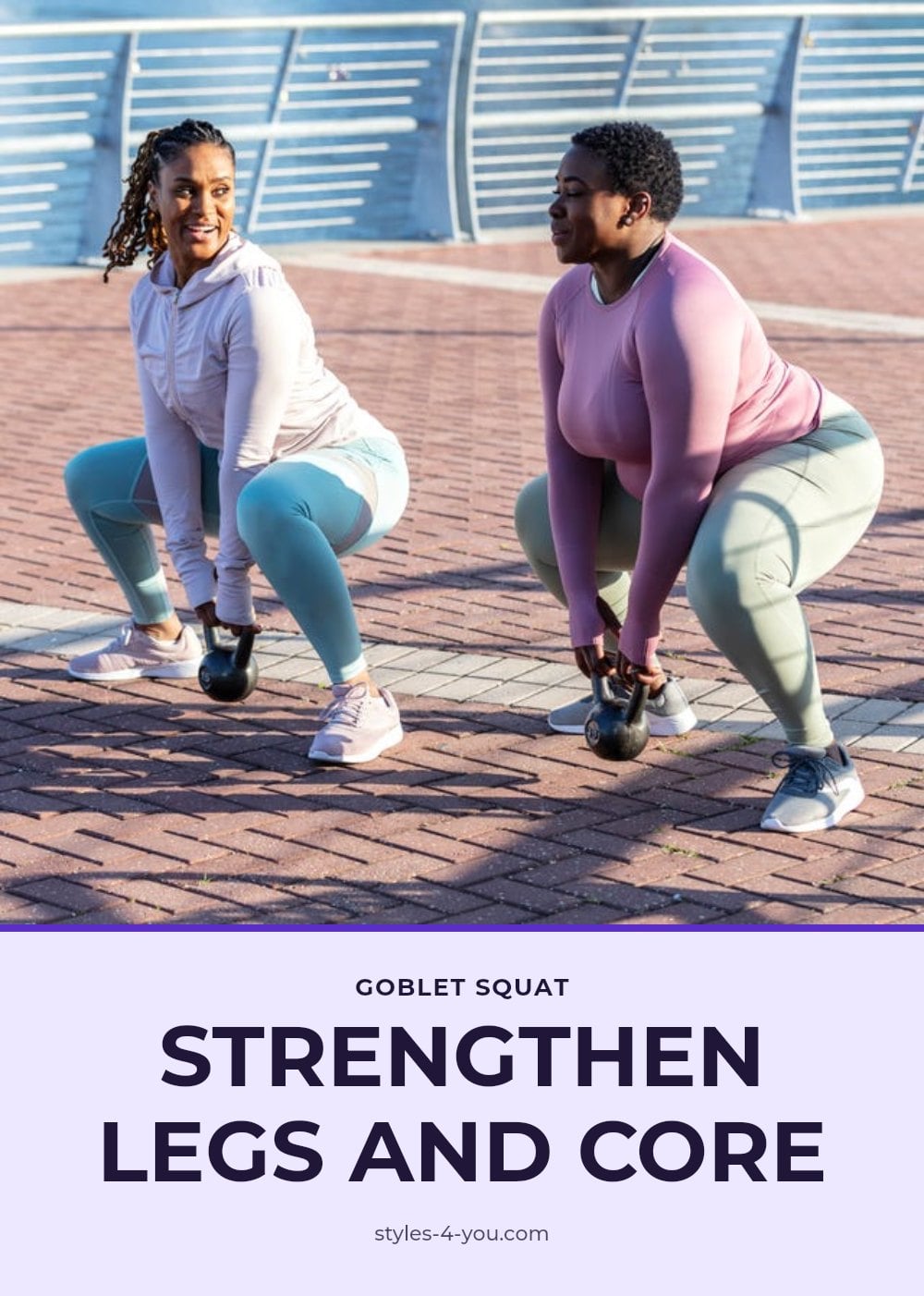
Hold the kettlebell by the horns close to your chest. Set your feet slightly wider than shoulder-width with toes pointed out a bit. Keeping your chest lifted and back straight, squat down as if sitting in a chair, aim to get your elbows inside your knees. Drive through your heels to stand back up, squeezing your glutes at the top.
- Sets and reps: 3 sets of 8-10 reps
- Form cue: Keep your elbows touching your ribs at the bottom of the squat
- Make it easier or harder: Reduce depth if needed, or hold a heavier kettlebell for more resistance
4. Kettlebell Clean and Press
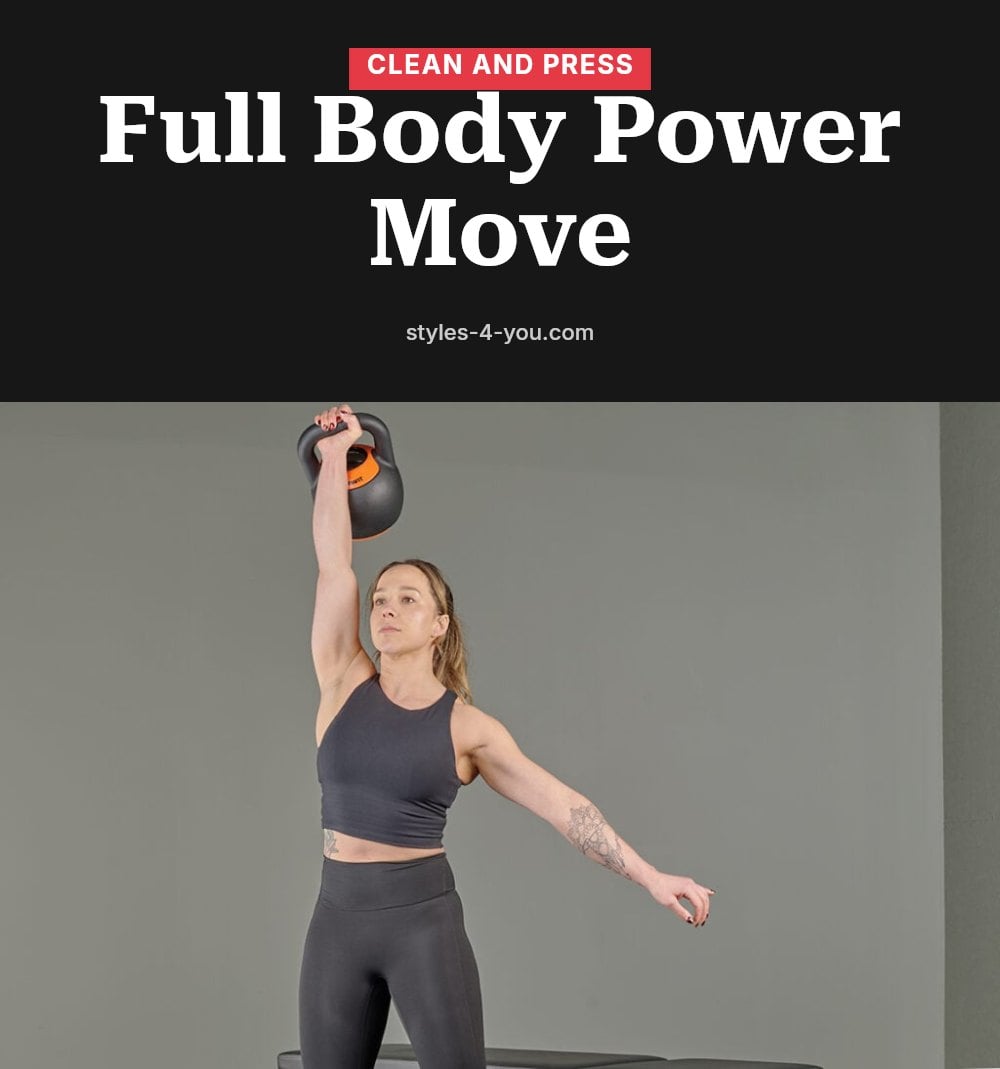
Start with the kettlebell between your feet. Hinge at your hips, grab the handle, and explosively stand up, pulling the kettlebell up toward your shoulder. As it rises, rotate your wrist and catch it in the rack position, the kettlebell rests on your forearm with your elbow tucked into your ribs. From the rack, press the kettlebell overhead until your arm is fully extended, then lower it back to the rack and return to the start.
- Sets and reps: 3 sets of 5-8 reps per arm
- Form cue: Keep your core braced and wrist straight during the press; exhale as you press up
- Make it easier or harder: Use a lighter kettlebell to master the transition, or increase weight once the movement feels smooth
5. Kettlebell Row
Place one hand and the same-side knee on a bench or sturdy surface, keeping your back flat and core engaged. With your free hand, grab the kettlebell from the floor and pull it straight up toward your hip, squeezing your shoulder blade at the top. Lower the kettlebell back down with control, keeping your torso stable throughout.
- Sets and reps: 3 sets of 8-10 reps per arm
- Form cue: Pull from your back, not your arm; imagine drawing your elbow past your ribs
- Make it easier or harder: Reduce weight to focus on form, or try a single-arm row from a standing split stance for more core challenge
6. Turkish Get-Up (Half Get-Up for Beginners)
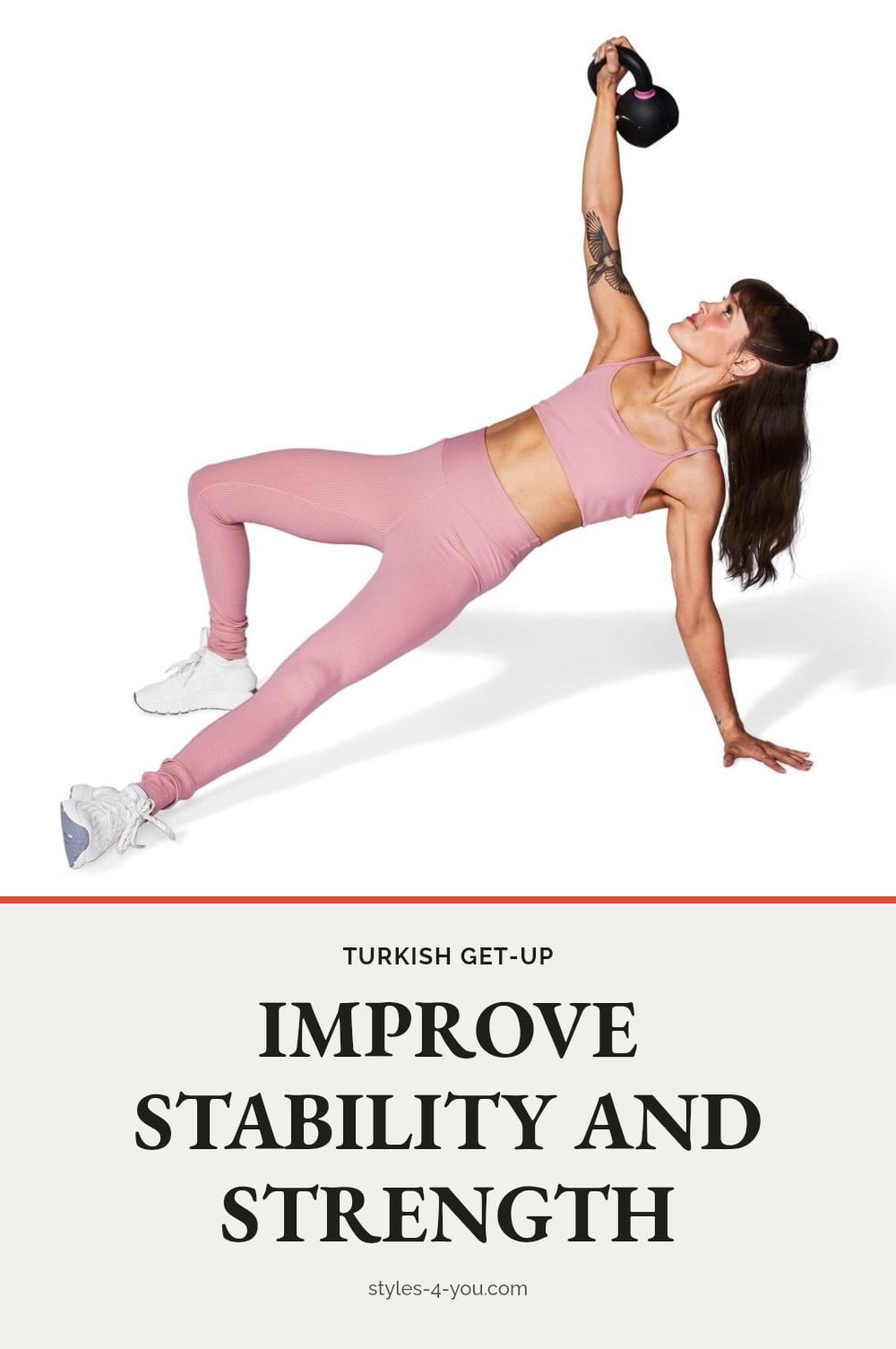
Lie on your back with the kettlebell in one hand, arm extended straight up toward the ceiling. Bend the knee on the same side as the kettlebell, keeping your foot flat on the floor. Roll onto your opposite elbow, then push up onto your opposite hand, keeping the kettlebell arm locked out. For a half get-up, stop here and reverse the movement. For a full get-up, sweep your straight leg back and stand up, then reverse the steps to return to the floor.
- Sets and reps: 2-3 reps per side
- Form cue: Keep your eyes on the kettlebell throughout; move slowly and deliberately
- Make it easier or harder: Start with a half get-up using a light weight, or progress to a full get-up with a heavier kettlebell
7. Cool-Down: Gentle Stretches
After your workout, spend 5-10 minutes on static stretching to improve flexibility and help your muscles recover. Hold each stretch for 20-30 seconds, focusing on the major muscle groups you worked: hamstrings, glutes, quads, chest, and shoulders. Include a hamstring stretch, quad stretch, chest opener, and triceps stretch, breathing deeply into each hold.
- Time: 5-10 minutes total
- Form cue: Never bounce; relax into each stretch and breathe steadily
- Make it easier or harder: Use a towel or strap to ease into tight hamstrings, or deepen the stretch by holding longer (up to 45 seconds)
Essential Gear for Your Kettlebell Workout
You need a kettlebell in a weight that lets you keep proper form. Beginners often start with 8-12 kg for women and 16-20 kg for men. Wear comfortable athletic clothing that allows full range of motion. Supportive athletic shoes are crucial for grip and stability during dynamic moves. Keep a water bottle handy to stay hydrated. A towel is optional but helpful for wiping sweat and maintaining grip. An exercise mat is optional for floor exercises or warm-up and cool-down stretches.
Your Weekly Full-Body Kettlebell Workout Plan
Aim for 2-3 full-body kettlebell workouts per week, with at least one rest day between sessions. Rest days allow your muscles to recover and grow stronger. If you feel overly fatigued, take an extra rest day or do active recovery like walking or light stretching. Consistency matters more than intensity.
| Week | Workouts per Week | Focus |
|---|---|---|
| 1-2 | 2 | Learn form, light weight |
| 3-4 | 2-3 | Increase reps, maintain form |
| 5-6 | 3 | Add weight if form is solid |
You may start noticing improvements in strength, endurance, and overall fitness within 4-6 weeks of consistent training. Listen to your body and adjust as needed.
Frequently Asked Questions
How often should I do a full-body kettlebell workout?
Aim for 2-3 sessions per week with at least one rest day between them. Rest days are essential for muscle recovery and growth. If you feel overly fatigued, take an extra rest day or do active recovery like walking or light stretching.
What weight kettlebell should a beginner use?
Beginners often start with 8-12 kg for women and 16-20 kg for men. The key is to choose a weight that allows you to complete all sets with proper form. It is better to start lighter and progress gradually than to risk injury with a weight that is too heavy.
Can kettlebells help with weight loss?
Yes, kettlebell workouts can support weight loss because they combine strength training with cardiovascular conditioning. Compound movements burn more calories than isolation exercises, and the dynamic nature of kettlebell training can elevate your heart rate. For best results, pair your workouts with a balanced diet and consistent routine.
Is kettlebell training good for cardio?
Kettlebell training can be excellent for cardiovascular fitness, especially when performed as high-intensity interval training (HIIT). Movements like the swing and clean and press elevate your heart rate quickly. A typical 20-45 minute session can provide both strength and cardio benefits in one workout.
How do kettlebells differ from dumbbells?
The off-center mass of a kettlebell challenges your stability more than a dumbbell of the same weight, engaging your core and grip muscles to a greater degree. Kettlebells are designed for ballistic and grinding exercises, while dumbbells are often used for more controlled, isolated movements. This unique design makes kettlebell training particularly effective for functional fitness.
Final Thoughts
Stick with 2-3 sessions per week, and you may start noticing improvements in strength and endurance within 4-6 weeks. Choose a weight that lets you keep good form throughout every set, even if it feels light at first. Consistency matters more than going heavy, so build the habit and let the results follow.
This article is for general informational purposes only and does not constitute medical or professional advice. Consult a doctor before starting any new exercise program, especially if you have pre-existing health conditions. For personalized guidance on form or technique, seek a certified fitness professional.
More Blog ideas
- Your Essential Guide to a Healthy Feminine Hygiene Routine
- Best High Protein Foods to Eat Daily for Health and Energy
- Feeling Stuck: 12 Small Steps to Get Unstuck
- Winter Skin Survival Tips
- How to Get a Flat Stomach
- How to Fix Damaged Hair and Restore Its Health
- Dry Scalp vs. Dandruff
- Full Body Workout for Beginners
- 21 Easy Beauty Tips Every Woman Should Know
- Feminine Energy: 15 Daily Habits to Feel More Radiant
- Upper Body Workout for Women at Home
- Witch Hazel Uses: 15 Ways to Use It in Your Beauty Routine