Winter Skin Survival Tips: Your Dry Skin Routine
Combat winter skin dryness, flakiness, and irritation with our expert-backed routine. Learn how to protect your skin barrier and lock in moisture.


Winter air is tough on your skin. The cold outdoors and dry indoor heat team up to strip away moisture, leaving you with that tight, flaky, irritated feeling. This article walks you through a complete winter skin survival routine, from switching your cleanser to protecting your lips, so you can keep your skin comfortable and healthy all season long.
Key Takeaways
- Switch to a gentle cream or oil cleanser to avoid stripping natural oils.
- Apply a rich moisturizer with ceramides or shea butter right after washing.
- Use a humidifier in your home to add moisture back into the dry air.
- Take 5-10 minute lukewarm showers, not hot ones.
- Wear broad-spectrum SPF 30+ sunscreen every day, even in winter.
How to Combat Dry Winter Skin
Winter skin needs a targeted routine shift. Focus on intense hydration and barrier protection by switching to gentle cleansers and rich moisturizers. Add a humidifier to your home and wear protective clothing outdoors. Avoid harsh products and very hot water to prevent further moisture loss and irritation.
1. Switch to a Gentle Cleanser

Swap your foaming or gel cleanser for a cream, oil, or balm formula. Harsh soaps strip your skin’s natural oils, which are essential for a healthy barrier. My tip: Look for ‘hydrating’ or ‘gentle’ on the label, plus ingredients like glycerin or ceramides. These help cleanse without stripping.
2. Embrace Rich Moisturizers
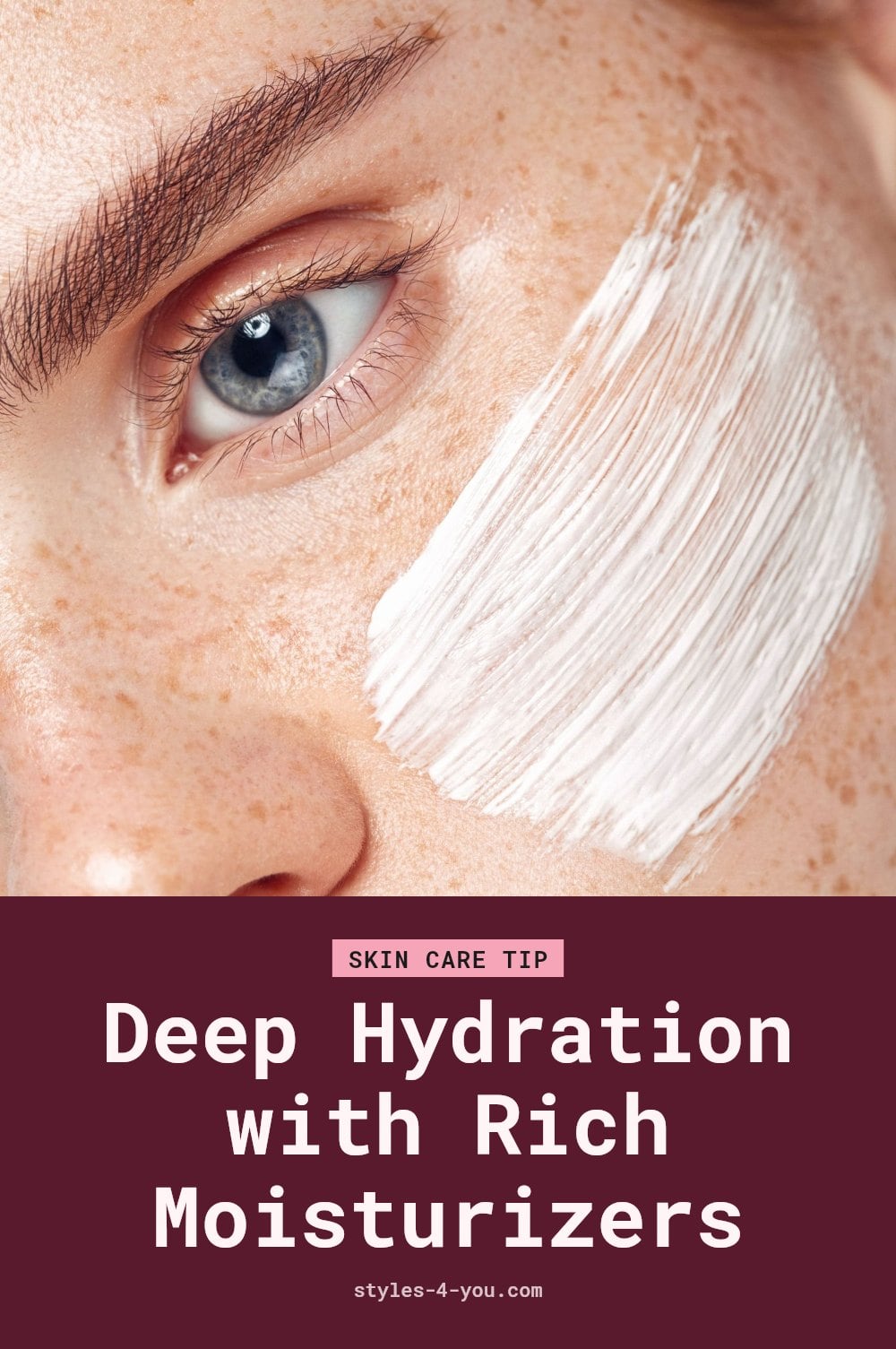
Reach for a thick, emollient moisturizer right after you shower or wash your hands. This locks in the water your skin just absorbed. Look for ingredients like ceramides, shea butter, hyaluronic acid, and petrolatum on the label.
Each type plays a role: humectants like hyaluronic acid pull moisture in, emollients like shea butter smooth the surface, and occlusives like petrolatum seal everything under a protective layer. Together, they reinforce your skin’s natural barrier against the dry winter air.
3. Humidify Your Home Air

Run a humidifier in your bedroom or main living areas to put moisture back into the air. Heated indoor air and cold outdoor air both have low humidity, which pulls water from your skin and leaves it feeling tight and flaky. A consistent humidity level can noticeably reduce overnight dryness and morning irritation.
Set it to around 40-50% relative humidity, which is comfortable for skin without feeling damp. Clean the unit regularly to prevent mold or mineral buildup. My tip: place it near where you sleep, since that is when your skin does most of its repair work.
4. Take Lukewarm, Short Showers
Limit showers and baths to 5-10 minutes, and use lukewarm water instead of hot. Hot water strips your skin of its natural oils, which worsens dryness and irritation. My tip: Apply moisturizer within minutes of stepping out to seal in moisture before it evaporates.
5. Don’t Forget Sunscreen

Apply broad-spectrum sunscreen with SPF 30+ every day, even when it’s cloudy or you’re indoors. UV rays can still damage your skin in winter, especially when they reflect off snow. Sun protection is a year-round necessity for maintaining healthy skin.
6. Protect Exposed Skin

Wrap up in a scarf, hat, and gloves before heading out into cold winds. These physical barriers block the wind and trap warmth, which helps prevent moisture loss from your skin.
Pay extra attention to your face and hands, where the skin is thinner and more prone to chapping. Choose a scarf that covers your chin and cheeks, and wear insulated gloves to keep your hands protected.
7. Avoid Harsh Ingredients
Scan the ingredient list on your winter skincare products and put back anything with strong fragrances, alcohol, or harsh chemicals. These ingredients can irritate skin that is already sensitive from cold, dry air, and they can weaken your moisture barrier, which is what keeps water in and irritants out.
Opt for formulas labeled “fragrance-free” or “for sensitive skin” to minimize the risk of irritation. Alcohol can be especially drying, so check for it near the top of the list, where ingredients are listed by concentration.
8. Gentle Exfoliation Only
Cut back on exfoliation to once a week during winter. Over-exfoliating strips your skin’s barrier and can make dryness and irritation worse. Tip: Stick to a mild chemical exfoliant, like a lactic acid toner, or a very soft physical scrub. Avoid anything gritty or harsh, and always follow with a rich moisturizer.
9. Hydrate From Within

Drink enough water throughout the day to support your body’s overall hydration. While the direct effect on surface skin dryness is still debated, staying well-hydrated helps maintain a healthy glow. Good to know: Pairing internal hydration with a good moisturizer gives your skin the best support.
10. Soothe Your Lips
Keep a hydrating lip balm with SPF on you at all times. The thin skin on your lips is especially vulnerable to cold, dry air and winter sun. Reapply after eating or drinking for continuous protection against chapping and UV damage.
11. Consider a Hydrating Serum
Add a hydrating serum, like one with hyaluronic acid, before your moisturizer. Serums deliver concentrated ingredients deeper into the skin for an extra hydration boost. Pro move: Apply the serum to damp skin right after cleansing to help draw moisture in and lock it there.
When to See a Professional
If you notice severe redness, cracking, bleeding, or persistent itching, it is time to see a dermatologist. Consistent routine adjustments that do not improve your skin after a week may signal a need for professional evaluation. You may also want to consult a doctor if you suspect a more serious underlying condition like eczema or psoriasis, as these require specific treatment.
Frequently Asked Questions
Why does my skin get so dry in winter?
Cold outdoor air and heated indoor air both have low humidity. This dry environment pulls moisture from your skin, weakening its natural barrier. The result is that familiar tight, flaky, and sometimes itchy feeling that many people experience during colder months.
Can drinking more water help my winter skin?
Staying well-hydrated supports your overall health, and it may help maintain a healthy glow. However, the direct effect of drinking extra water on surface skin dryness is still debated. Your best bet is to pair internal hydration with a good moisturizer applied to damp skin.
How often should I exfoliate in winter?
Cut back to exfoliating just once a week during winter. Over-exfoliating can strip your skin’s barrier and make dryness and irritation worse. Stick with a mild chemical exfoliant, like a lactic acid toner, or a very soft physical scrub.
Are hot showers bad for winter skin?
Yes, hot showers can be a problem. They strip your skin of its natural oils, which are essential for retaining moisture and protecting against irritants. Stick to lukewarm water and limit your shower or bath to 5-10 minutes to keep your skin barrier intact.
What ingredients should I look for in winter skincare products?
Look for a mix of humectants, emollients, and occlusives. Humectants like hyaluronic acid and glycerin draw moisture in. Emollients like ceramides and fatty acids smooth the skin. Occlusives like petrolatum and shea butter create a barrier to prevent moisture loss.
Final Thoughts
Stick with this routine consistently throughout the winter, and you should start seeing improvements in dryness and irritation within a few days to a week. The key is to be gentle with your skin and protect its moisture barrier at every step. If you try these adjustments and your skin still feels severely red, cracked, or itchy, that is a sign to check in with a dermatologist.
This article is for general informational purposes only and does not constitute medical or professional advice. Individual skin needs vary, and what works for one person may not work for another. If you have a persistent or serious skin concern, please consult a dermatologist or healthcare provider.
More Blog ideas
- Your Essential Guide to a Healthy Feminine Hygiene Routine
- Best High Protein Foods to Eat Daily for Health and Energy
- Feeling Stuck: 12 Small Steps to Get Unstuck
- How to Get a Flat Stomach
- How to Fix Damaged Hair and Restore Its Health
- Full-Body Kettlebell Workout
- Dry Scalp vs. Dandruff
- Full Body Workout for Beginners
- 21 Easy Beauty Tips Every Woman Should Know
- Feminine Energy: 15 Daily Habits to Feel More Radiant
- Upper Body Workout for Women at Home
- Witch Hazel Uses: 15 Ways to Use It in Your Beauty Routine






