Witch Hazel Uses: 15 Ways to Use It in Your Beauty Routine
Discover 15 effective ways to incorporate witch hazel into your beauty routine, from toning to soothing, and learn how to use it safely and effectively.

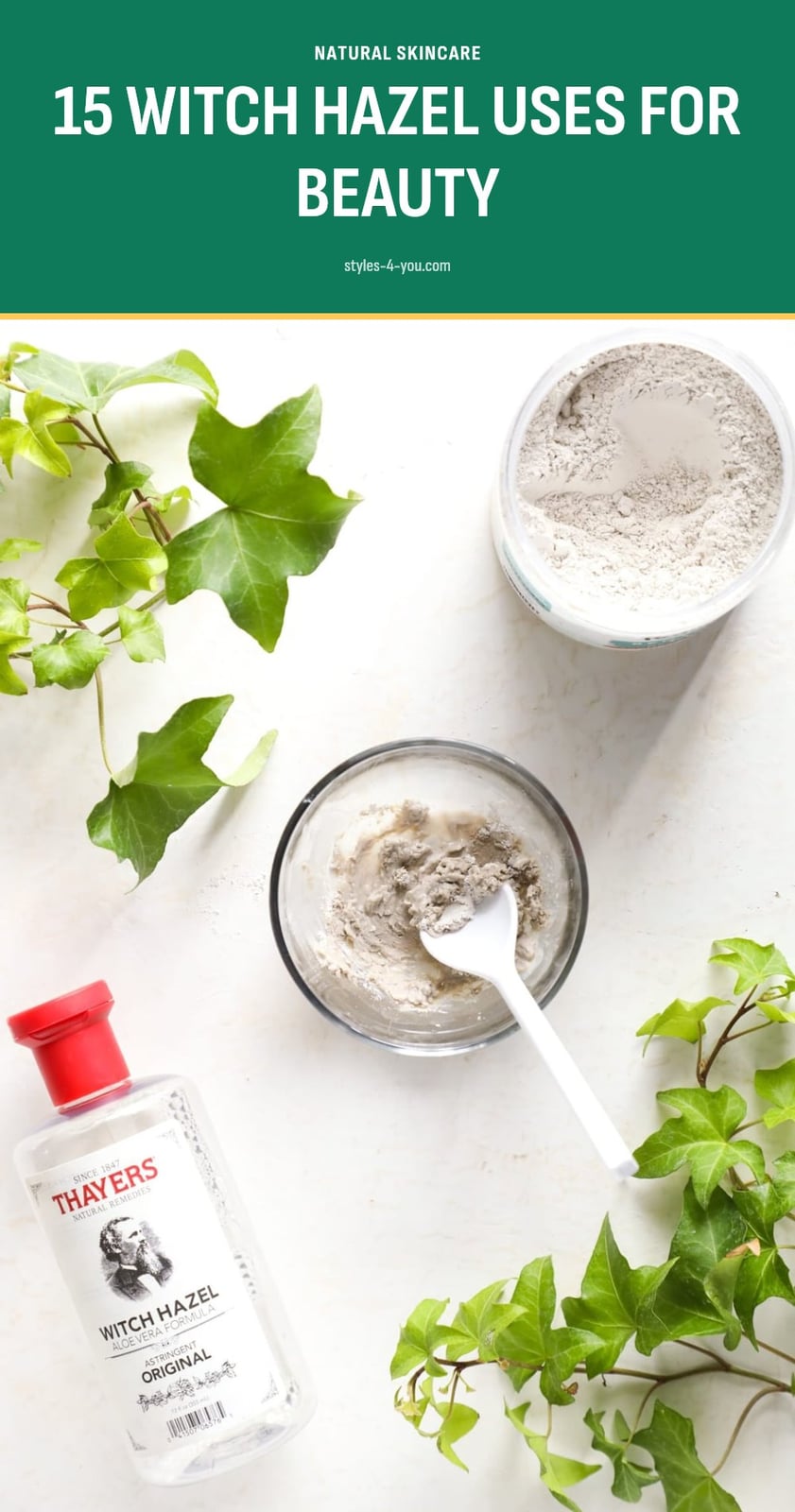
If you’ve ever looked for a natural way to tighten pores, calm irritation, or control midday shine, you’ve probably come across witch hazel. This plant-based astringent has been a beauty staple for generations, and for good reason. In this article, I’ll walk you through 15 practical ways to use alcohol-free witch hazel in your daily routine, from toning your face to soothing razor burn and even refreshing your scalp.
Key Takeaways
- Always choose alcohol-free witch hazel to avoid drying out or irritating your skin.
- Use witch hazel as a toner after cleansing and before moisturizing for best results.
- It can help reduce excess oil, tighten pores, and soothe minor irritations like razor burn.
- Results for oil control may appear within days to weeks of consistent use.
- Patch test on a small area first to check for any allergic reaction.
What Is Witch Hazel and How Does It Work?
Witch hazel is a natural astringent extracted from the bark and leaves of the Hamamelis virginiana plant. Its tannins give it skin-toning and soothing properties, which can help reduce inflammation and tighten pores. My tip: always choose an alcohol-free formulation. Alcohol-based versions strip your skin’s natural oils, causing dryness and irritation, while alcohol-free witch hazel is gentle enough for daily use.
1. Daily Facial Toner
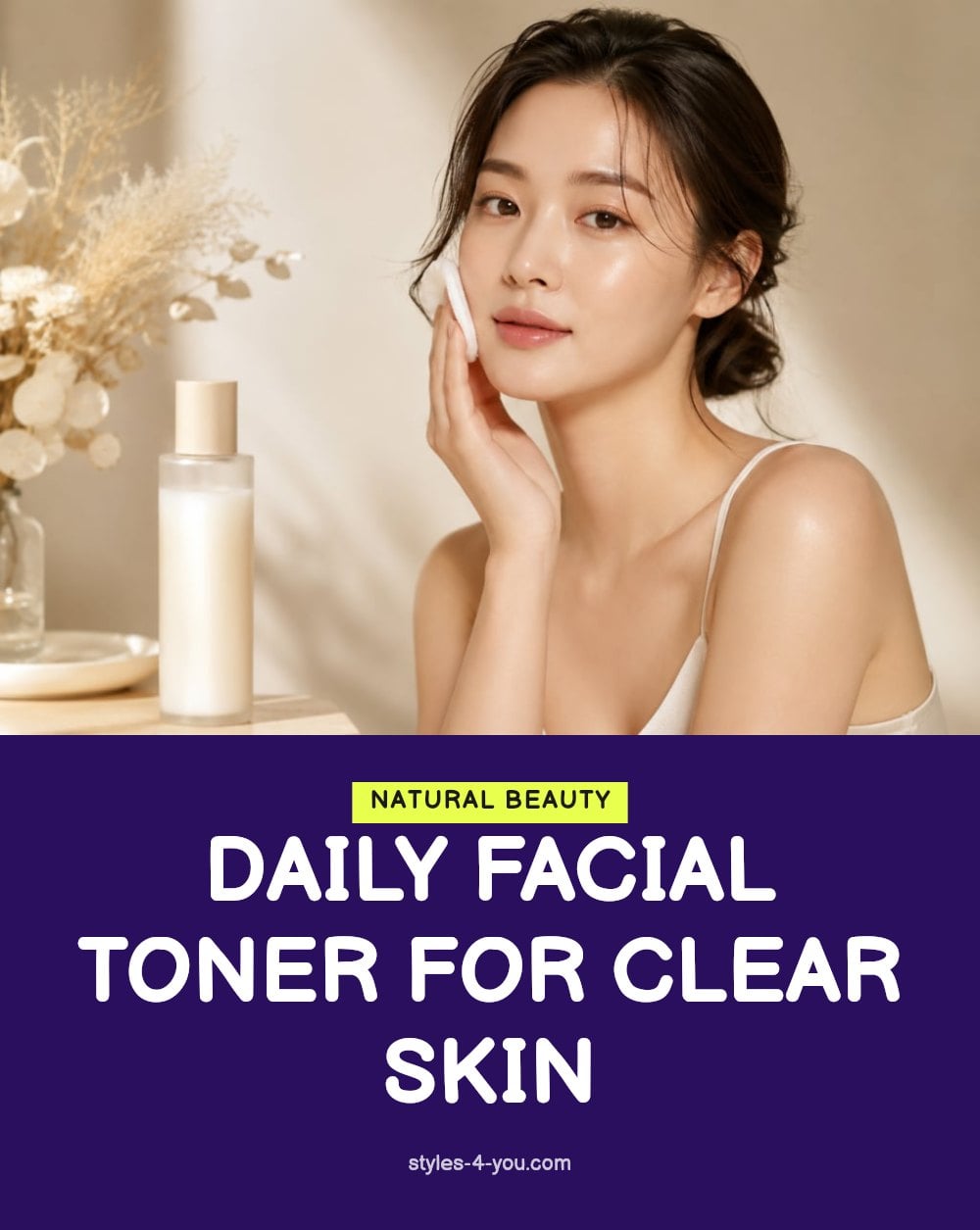
After cleansing, saturate a cotton pad with alcohol-free witch hazel and sweep it over your face. This removes any leftover makeup or dirt and preps your skin for serums and moisturizers. The astringent action helps tighten pores, giving your skin a smoother, more even look.
2. Oil Control for Oily Skin
If your T-zone tends to get shiny by midday, witch hazel can help. After cleansing, apply a small amount to a cotton pad and gently press it onto your forehead, nose, and chin. This helps manage excess oil, which may reduce shine and prevent breakouts.
3. Soothing Razor Burn
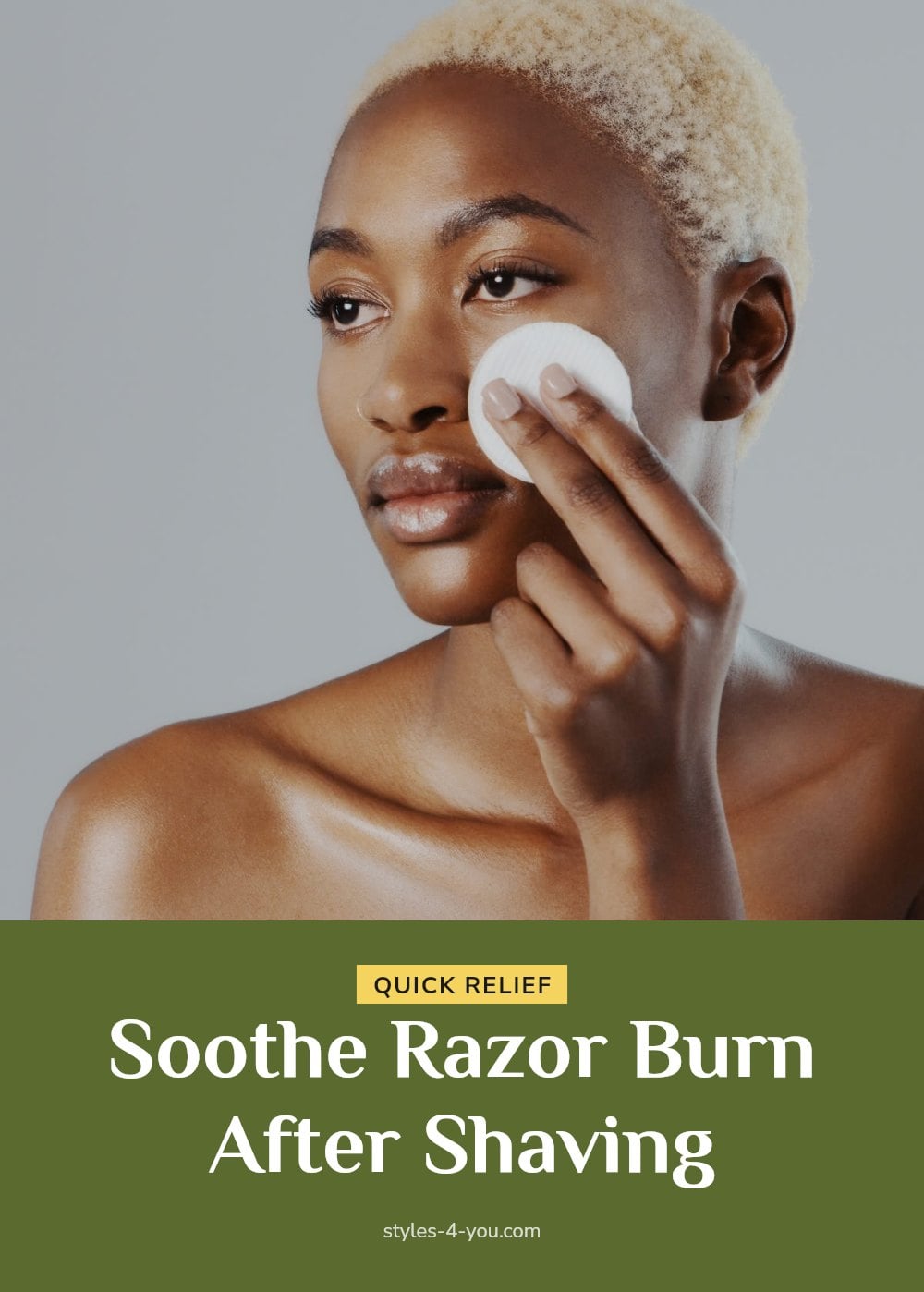
After shaving, dab a little alcohol-free witch hazel onto irritated areas with a cotton ball. Its anti-inflammatory properties can calm redness and soothe the skin, reducing the sting of razor burn. Avoid any product with alcohol, which will only worsen the irritation.
4. Calming Minor Bug Bites
For a minor mosquito or gnat bite, dab a cotton ball with alcohol-free witch hazel and press it onto the spot for a few seconds. The tannins constrict blood vessels, which can calm the itch and reduce swelling. Reapply once or twice as needed.
5. Reducing Under-Eye Puffiness
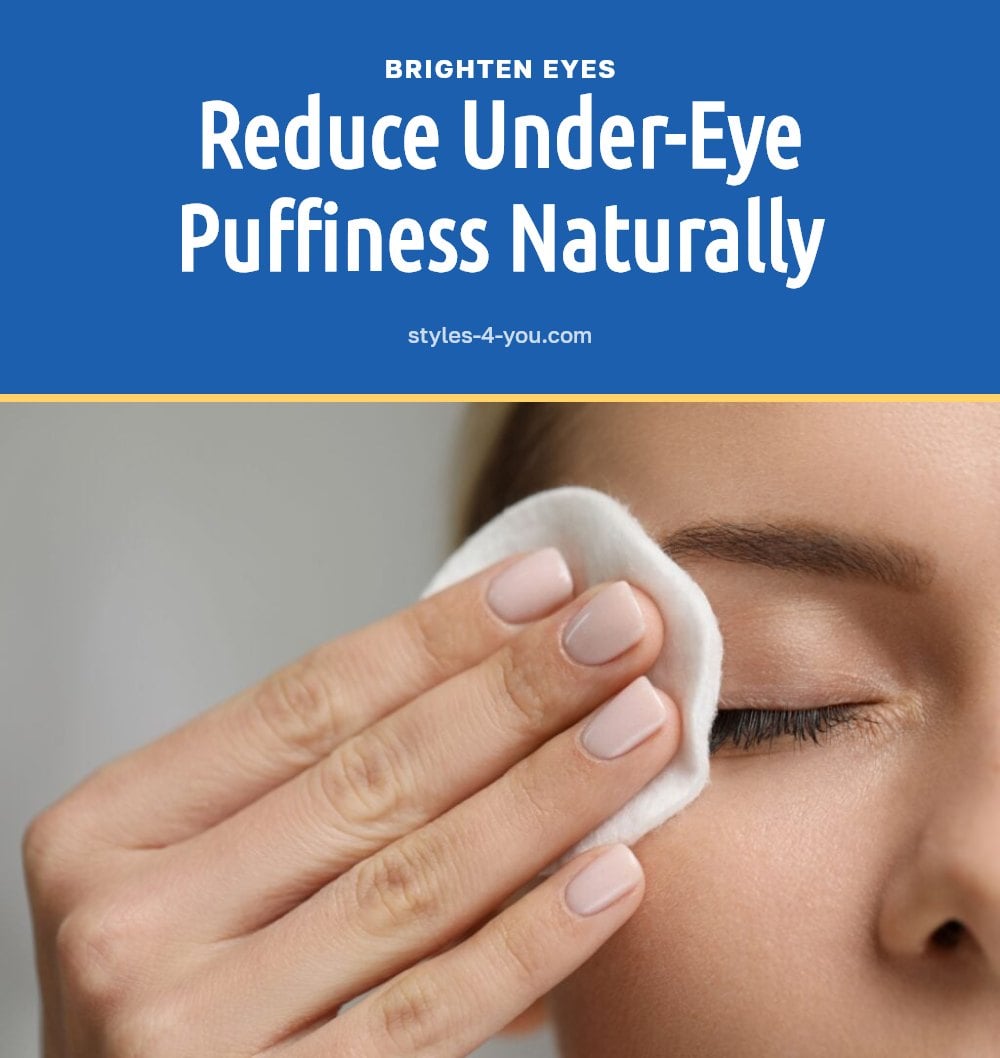
To temporarily reduce under-eye puffiness, soak a cotton pad with a small amount of alcohol-free witch hazel and gently press it under your eyes. The astringent effect may help constrict blood vessels and tighten the skin slightly. Caution: Keep the pad away from your lash line and eyes. If any gets in, rinse with water immediately.
6. Setting Makeup
Mix one part alcohol-free witch hazel with two parts distilled water in a spray bottle. After applying your makeup, hold the bottle about 12 inches from your face and mist in a light, even layer. The fine droplets help set powder and cream products without disturbing them, giving a more natural finish.
7. Refreshing Foot Soak
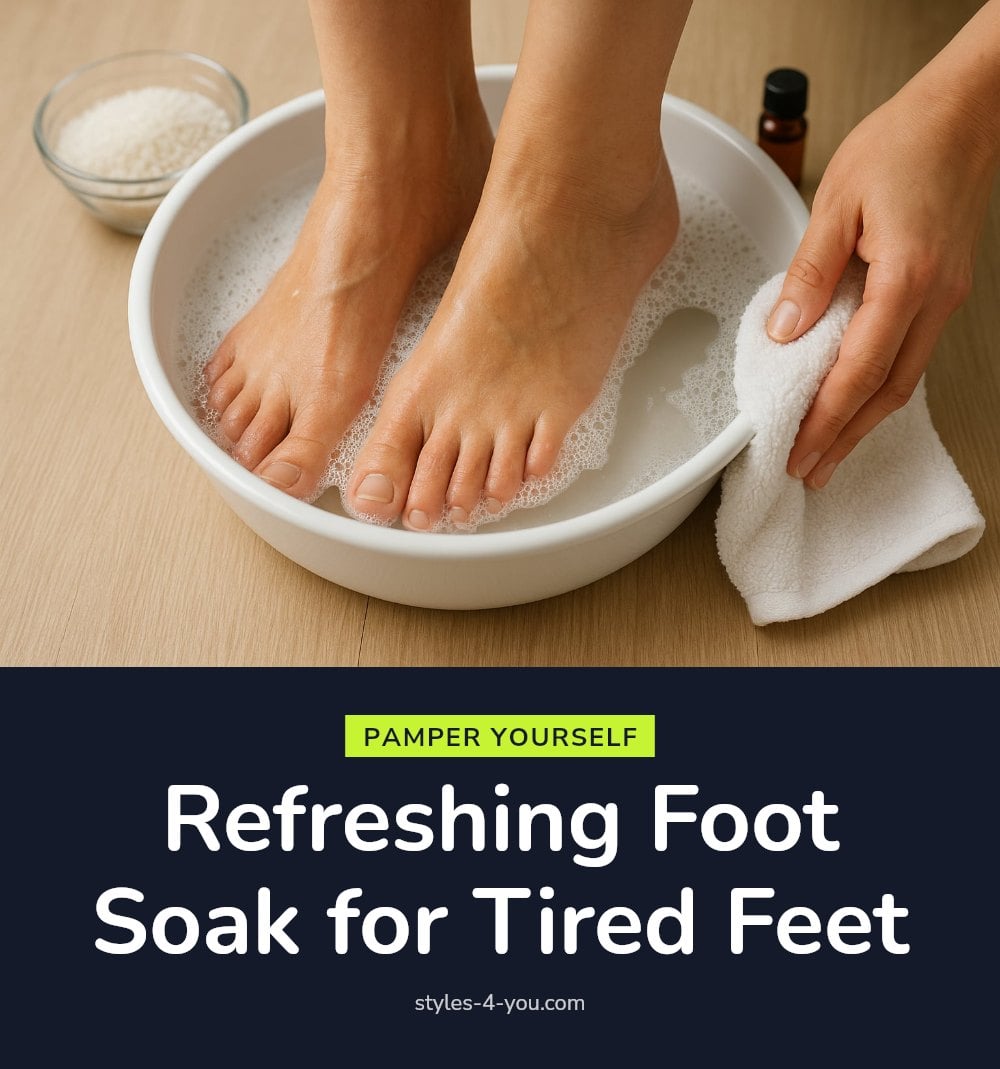
Add about 2 tablespoons of alcohol-free witch hazel to a basin of warm water for a foot soak. Soak your feet for 10 to 15 minutes to refresh tired soles and reduce minor swelling. The astringent properties also help control odor by tightening pores and drying excess moisture.
8. Scalp Oiliness and Irritation
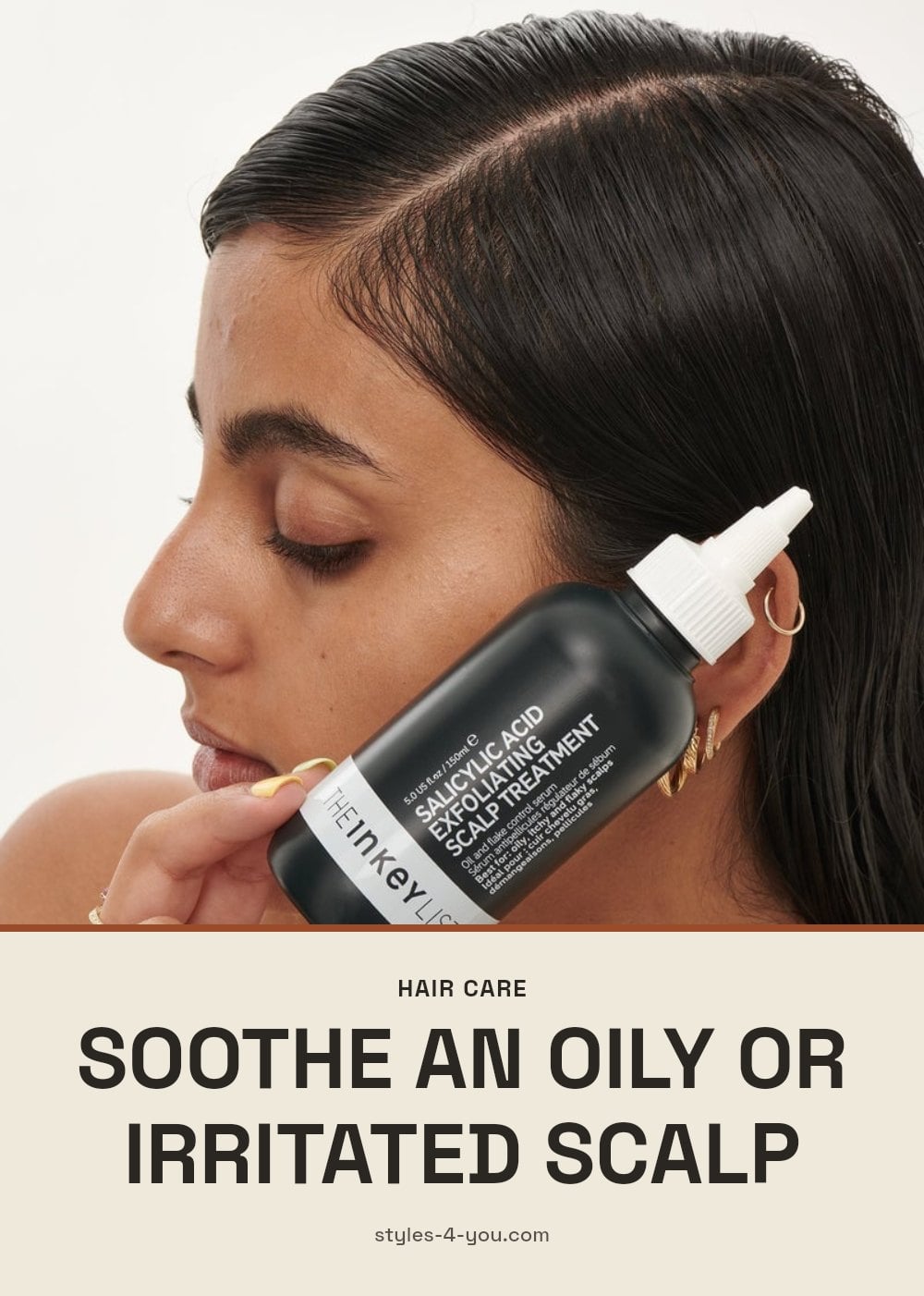
For an oily or mildly irritated scalp, apply alcohol-free witch hazel directly to the roots. Use a cotton ball to dab it onto problem areas, or transfer it to a spray bottle for wider coverage.
Tip: Focus on the scalp, not your hair length. Let it air dry before styling. This can help balance oil production and soothe minor itchiness without stripping the scalp.
9. Post-Workout Skin Refresh
After a workout, a quick swipe with a cotton pad soaked in alcohol-free witch hazel can cleanse your skin when you can’t shower immediately. It removes sweat and grime that can clog pores and lead to breakouts.
Pro move: Keep a small spray bottle of diluted witch hazel in your gym bag for a fast refresh on the go.
10. Dealing with Ingrown Hairs
To deal with ingrown hairs, gently dab alcohol-free witch hazel onto the affected area with a cotton ball after shaving or waxing. Its anti-inflammatory properties help reduce redness and keep pores clear, making it easier for the hair to grow out properly.
Caution: Avoid applying to broken skin. If irritation persists, consult a dermatologist.
11. Prepping Skin for Serums
Using witch hazel as a toner after cleansing can optimize your skin’s pH, creating a clean canvas for serums and treatments. This helps subsequent products absorb more effectively.
Apply a thin layer with a cotton pad, let it dry for 30 seconds, then layer on your serum and moisturizer as usual.
12. DIY Face Mask Base
Mix 1 tablespoon of alcohol-free witch hazel with enough bentonite clay or kaolin clay to form a smooth paste. This creates a mask that draws out excess oil while the witch hazel calms any redness. For a soothing version, replace the clay with aloe vera gel and a teaspoon of honey. Caution: Always patch test your DIY mask on a small area of skin before applying it to your whole face. Leave the mask on for 5 to 10 minutes, then rinse with lukewarm water.
13. After-Sun Care
For very mild sunburn or a day spent in the sun, a cool compress with alcohol-free witch hazel can help. Soak a clean cloth in a mixture of equal parts witch hazel and cool water, then press it gently onto the affected area for 5 to 10 minutes. The tannins may help calm redness and reduce discomfort. Important: This is not a treatment for severe burns. If you have a serious sunburn, seek medical advice and use a proper after-sun product.
14. Reducing Hand Sanitizer Dryness
If frequent hand sanitizer use leaves your hands feeling dry and irritated, a dab of alcohol-free witch hazel can help. Apply a small amount to the back of your hands and let it absorb for a few seconds. Its anti-inflammatory properties may soothe the irritation. Follow up immediately with a rich hand cream to lock in moisture and restore your skin’s barrier.
Common Witch Hazel Mistakes to Avoid
Using alcohol-based witch hazel: This is the most common mistake. Alcohol strips your skin’s natural oils, leading to dryness, irritation, and even increased oil production as your skin tries to compensate. Always choose alcohol-free formulations.
Over-applying or using too frequently: Even alcohol-free witch hazel is an astringent. Using it more than twice a day can disrupt your skin’s natural barrier. Stick to once or twice daily total, including any use as a mask base or prep step. If you apply it as a toner and also use it in a mask, count both toward your daily limit.
Expecting it to be a cure-all: Witch hazel can help manage symptoms of conditions like mild acne or irritation, but it won’t cure serious skin issues such as severe acne, eczema, or rosacea. For persistent problems, consult a dermatologist.
Skipping the patch test: Always test a small amount on your inner arm or behind your ear before using it on your face. This helps you catch any allergic reaction or sensitivity before it becomes a bigger problem.
Frequently Asked Questions
Is witch hazel good for acne?
Witch hazel may help with mild acne by reducing excess oil and calming inflammation. However, it is not a treatment for severe or cystic acne. If you have persistent breakouts, it’s best to see a dermatologist for a targeted plan.
Can I use witch hazel every day?
Yes, many people use alcohol-free witch hazel once or twice daily as part of their skincare routine. Start with once a day to see how your skin reacts, and avoid over-applying, as even alcohol-free versions can cause dryness if used too frequently.
What is the difference between witch hazel with and without alcohol?
Alcohol-based witch hazel contains denatured alcohol, which can strip the skin’s natural oils, leading to dryness and irritation. Alcohol-free witch hazel retains the plant’s beneficial tannins without the harsh drying effect, making it safer for most skin types.
Can witch hazel be used on hair and scalp?
Yes, you can apply alcohol-free witch hazel to your scalp to help with oiliness or mild irritation. Use a cotton ball or spray bottle to target the roots, avoiding the hair lengths. It is not a treatment for dandruff or scalp conditions, so consult a professional if problems persist.
How long does it take for witch hazel to work?
Soothing effects, like calming razor burn or bug bites, can be felt almost immediately. For oil control and pore appearance, you may notice results within days to weeks of consistent use. Individual results vary based on your skin type and the specific concern.
Final Thoughts
For a simple start, swap your regular toner for alcohol-free witch hazel after cleansing and see how your skin responds. You might notice less shine and a smoother texture within a couple of weeks. Just remember that it’s not a cure for serious skin conditions, so if you have persistent issues like severe acne or eczema, check in with a dermatologist. When chosen wisely and used consistently, witch hazel can be a versatile, gentle addition to your beauty shelf.
This article is for informational purposes only and does not constitute medical or professional advice. Witch hazel may not be suitable for all skin types. If you have a persistent skin condition, severe acne, or experience irritation, consult a dermatologist or healthcare professional.
More Blog ideas
- Your Essential Guide to a Healthy Feminine Hygiene Routine
- Best High Protein Foods to Eat Daily for Health and Energy
- Feeling Stuck: 12 Small Steps to Get Unstuck
- Winter Skin Survival Tips
- How to Get a Flat Stomach
- How to Fix Damaged Hair and Restore Its Health
- Full-Body Kettlebell Workout
- Dry Scalp vs. Dandruff
- Full Body Workout for Beginners
- 21 Easy Beauty Tips Every Woman Should Know
- Feminine Energy: 15 Daily Habits to Feel More Radiant
- Upper Body Workout for Women at Home






