Full Body Workout for Beginners: Your Complete Guide
Discover how to start a full body workout routine for beginners. Learn essential exercises, proper form, and a weekly schedule to build strength efficiently.

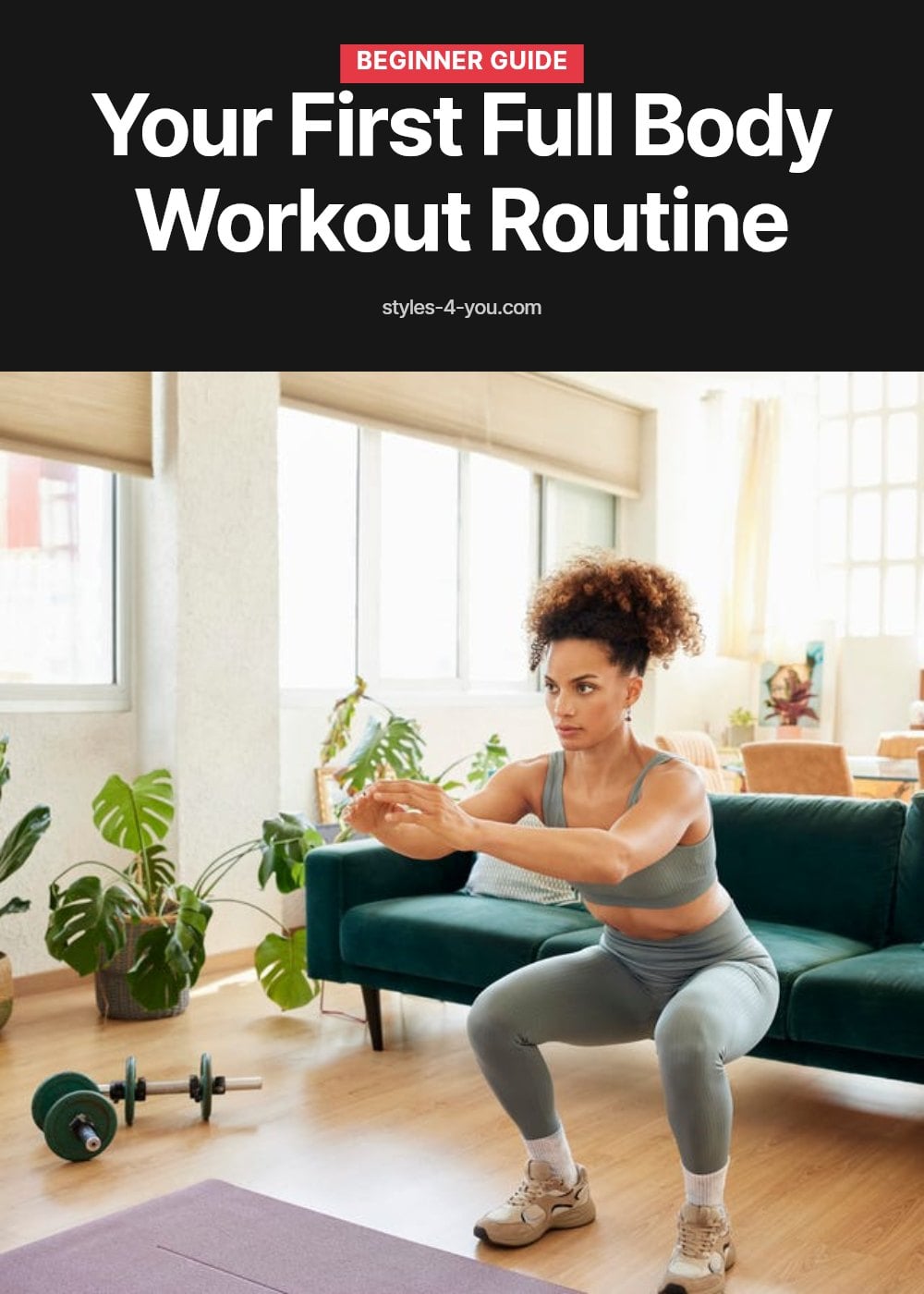
Starting a new fitness routine can feel overwhelming, especially when you are not sure where to begin. A full body workout is one of the most straightforward and effective ways to build strength, improve endurance, and boost your overall health. You train all your major muscle groups in a single session, which saves time and helps you see results faster than you might expect. This guide walks you through the essential exercises, a simple weekly schedule, and the gear you need to get started at home. You will also learn how to warm up, cool down, and avoid common beginner mistakes.
Key Takeaways
- Perform a full body workout 2-3 times per week with at least one rest day between sessions.
- Start with 1-2 sets of 8-12 repetitions per exercise to build a solid foundation.
- Master proper form before increasing weight to prevent injury and maximize results.
- Warm up for 5-10 minutes and cool down with static stretches after each session.
- Expect visible strength and tone improvements after 4-6 weeks of consistent training.
What is a Full Body Workout?
A full body workout targets all major muscle groups, including your chest, back, shoulders, arms, core, glutes, and legs, in a single session. This makes it a smart choice for beginners and anyone with a tight schedule, since you train everything at once. The routine relies on compound movements like squats, push-ups, and rows, which engage multiple joints and muscles together. That approach can boost both strength gains and calorie burn compared to isolated exercises.
1. Warm-Up: Arm Circles
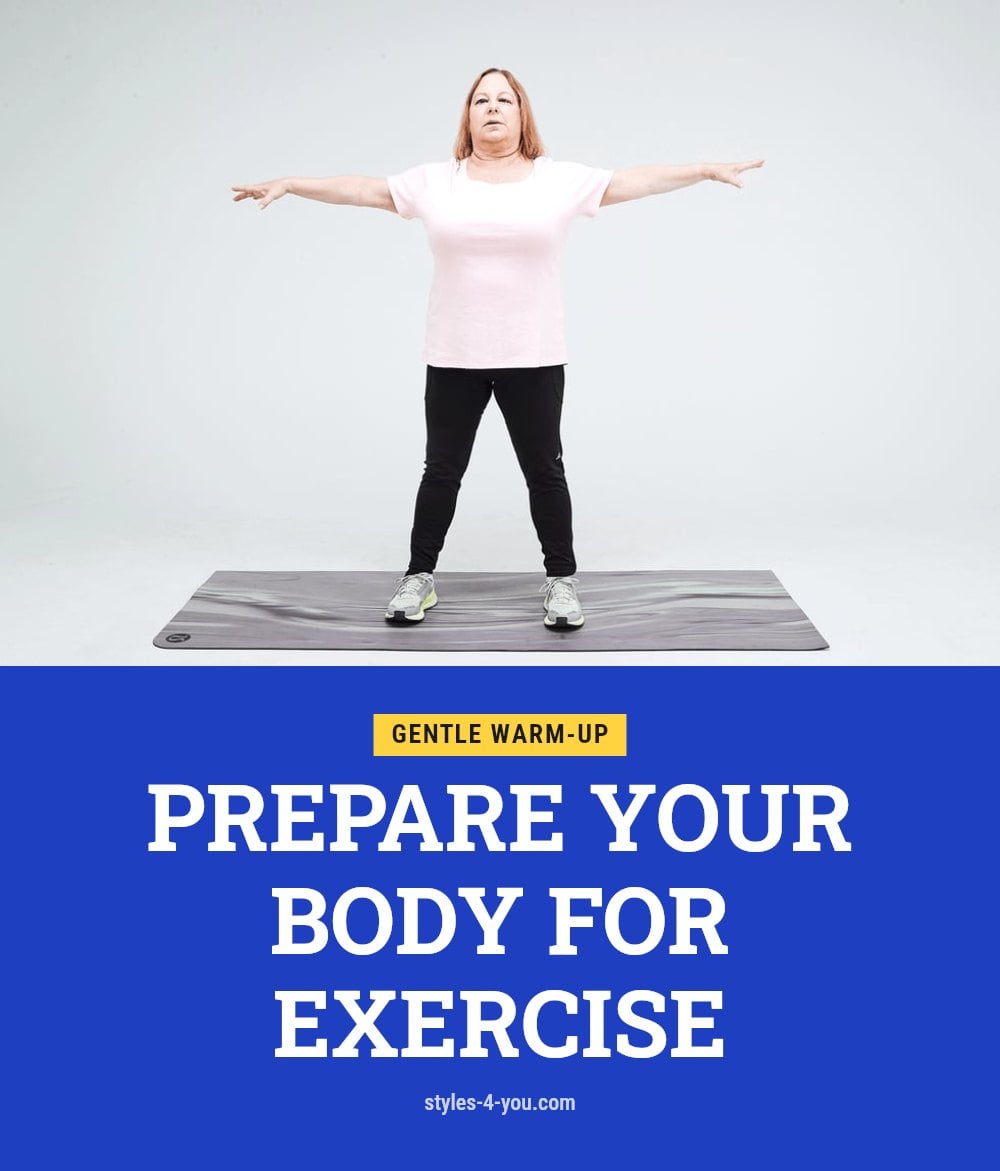
Stand tall with your feet hip-width apart and extend your arms straight out to the sides at shoulder height. Make small, controlled circles forward for 30 seconds, then reverse the direction and circle backward for another 30 seconds. Keep your movements smooth and deliberate to warm up the shoulder joints without rushing.
- Time: 30 seconds forward, 30 seconds backward
- Form cue: Keep your shoulders down, away from your ears
- Make it easier or harder: Start with smaller circles, then increase the size as your shoulders loosen
2. Bodyweight Squats
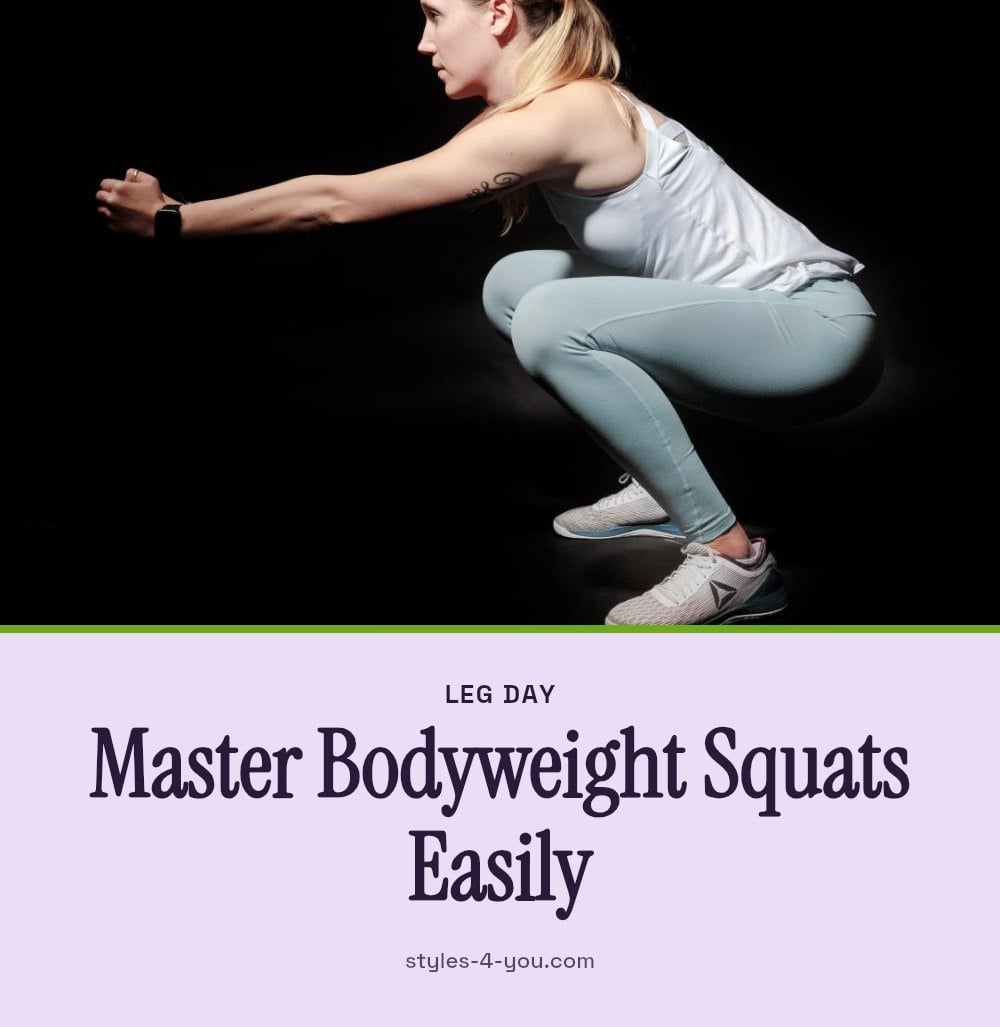
Stand with your feet shoulder-width apart and your chest lifted. Push your hips back and lower them as if you are sitting into a chair, keeping your knees tracking over your toes rather than caving inward. Press through your heels to return to standing. This move builds strength in your quads, hamstrings, and glutes while engaging your core for stability.
- Sets and reps: 3 sets of 10-12 repetitions
- Form cue: Keep your weight in your heels and your chest proud
- Make it easier or harder: Reduce the depth for a gentler start, or add a pulse at the bottom for more challenge
3. Push-Ups (Knee or Full)
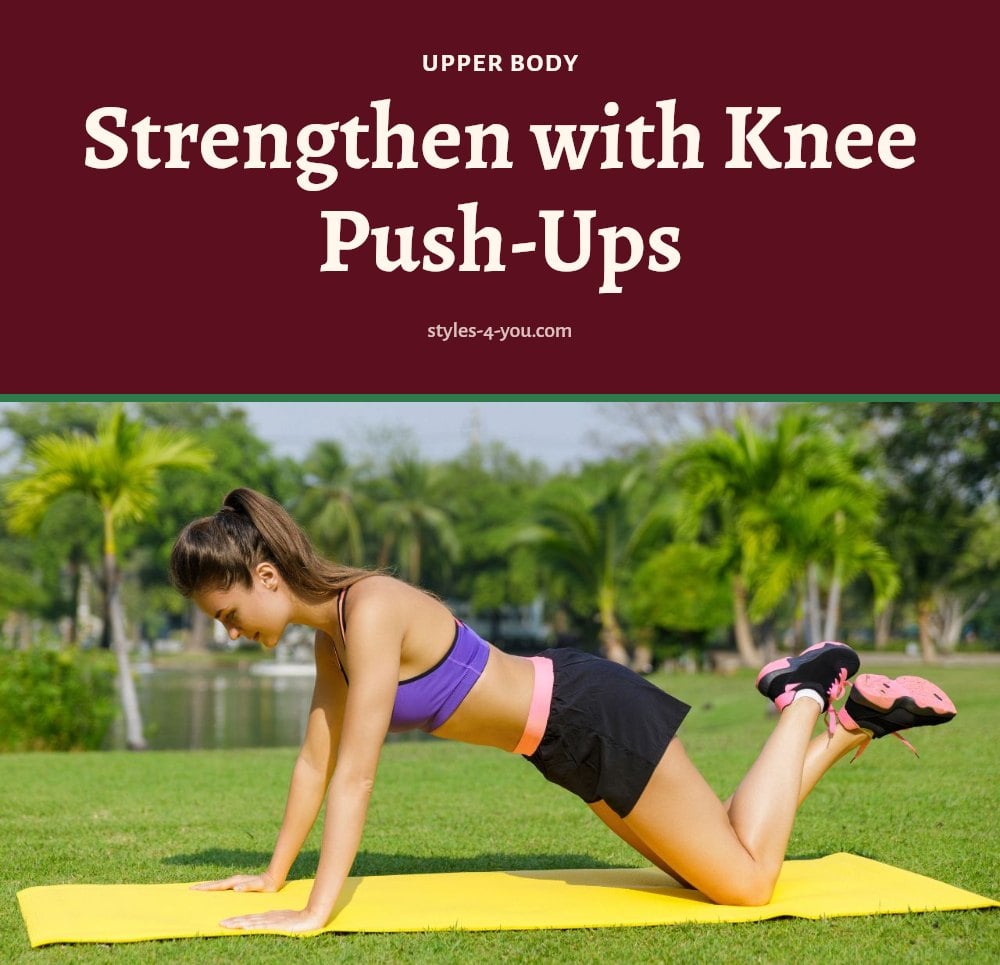
Start in a plank position with your hands slightly wider than your shoulders and your body forming a straight line from head to heels. Lower your chest toward the floor by bending your elbows, keeping your core tight and your hips from sagging or piking. Push back up to the start. If a full push-up feels too challenging, drop your knees to the floor while maintaining the same straight line from knees to shoulders.
- Sets and reps: 3 sets of 8-10 repetitions
- Form cue: Keep your elbows at about a 45-degree angle from your body
- Make it easier or harder: Do knee push-ups for an easier version, or elevate your feet on a step for a harder one
4. Dumbbell Rows
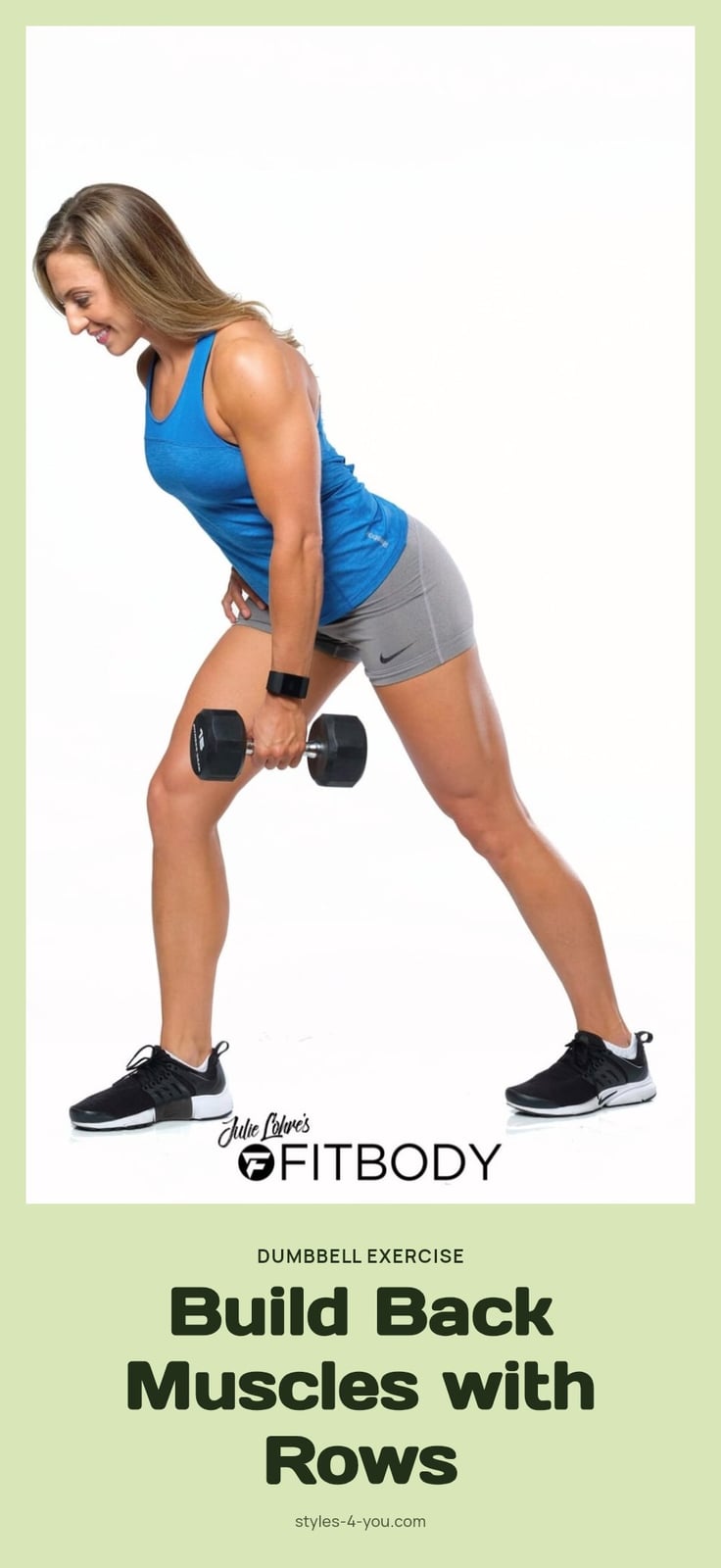
Hinge at your hips with a flat back, holding a dumbbell in one hand and placing your other hand on a bench or chair for support. Pull the dumbbell straight up toward your hip, squeezing your shoulder blade at the top, then lower with control.
- Sets and reps: 3 sets of 8-10 repetitions per arm
- Form cue: Keep your back flat and avoid twisting your torso as you pull
- Make it easier or harder: Use a lighter dumbbell to focus on form, or increase the weight gradually
5. Overhead Press (Dumbbell)
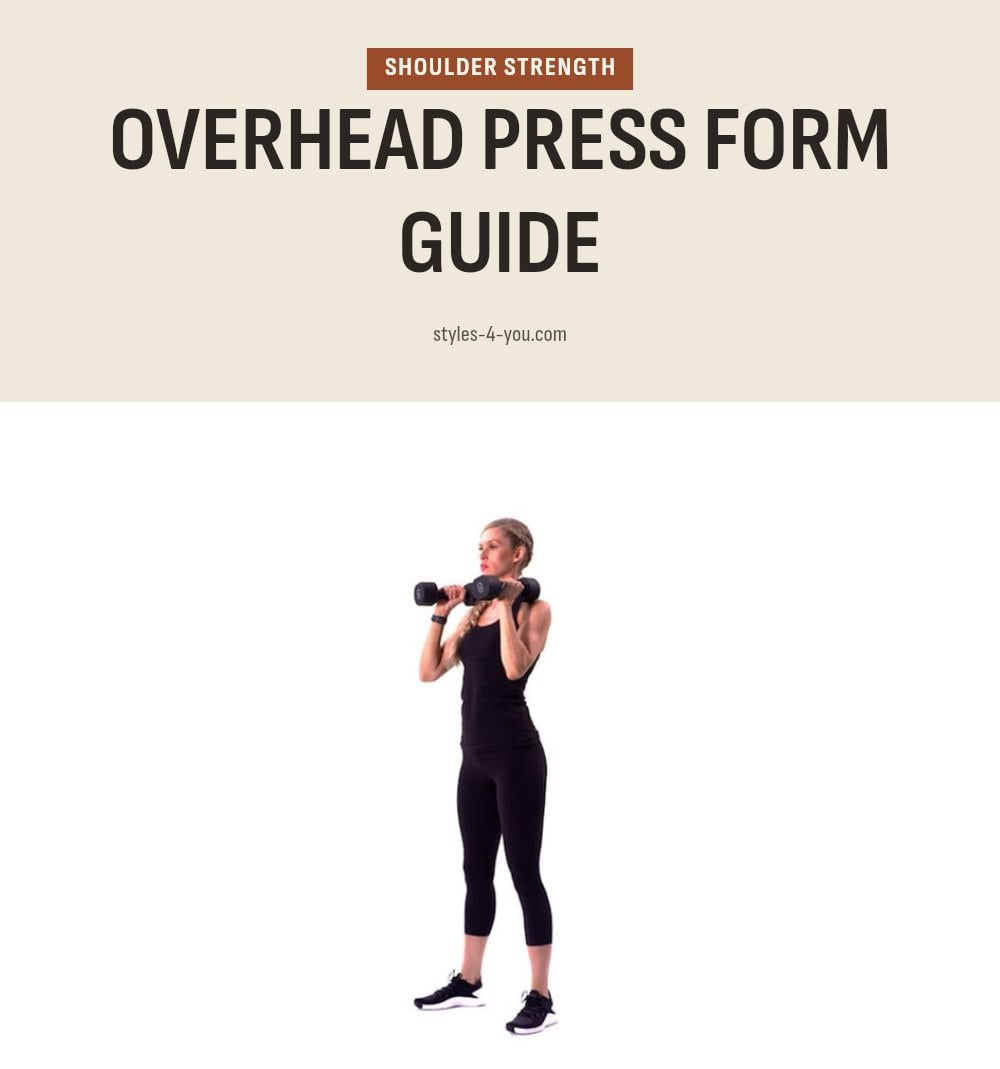
Sit or stand with a dumbbell in each hand at shoulder height, palms facing forward. Press both dumbbells straight overhead until your arms are fully extended, then lower them back to shoulder height with control.
- Sets and reps: 3 sets of 8-10 repetitions
- Form cue: Keep your core tight and avoid arching your lower back as you press
- Make it easier or harder: Use lighter dumbbells or perform seated to reduce lower back strain
6. Plank
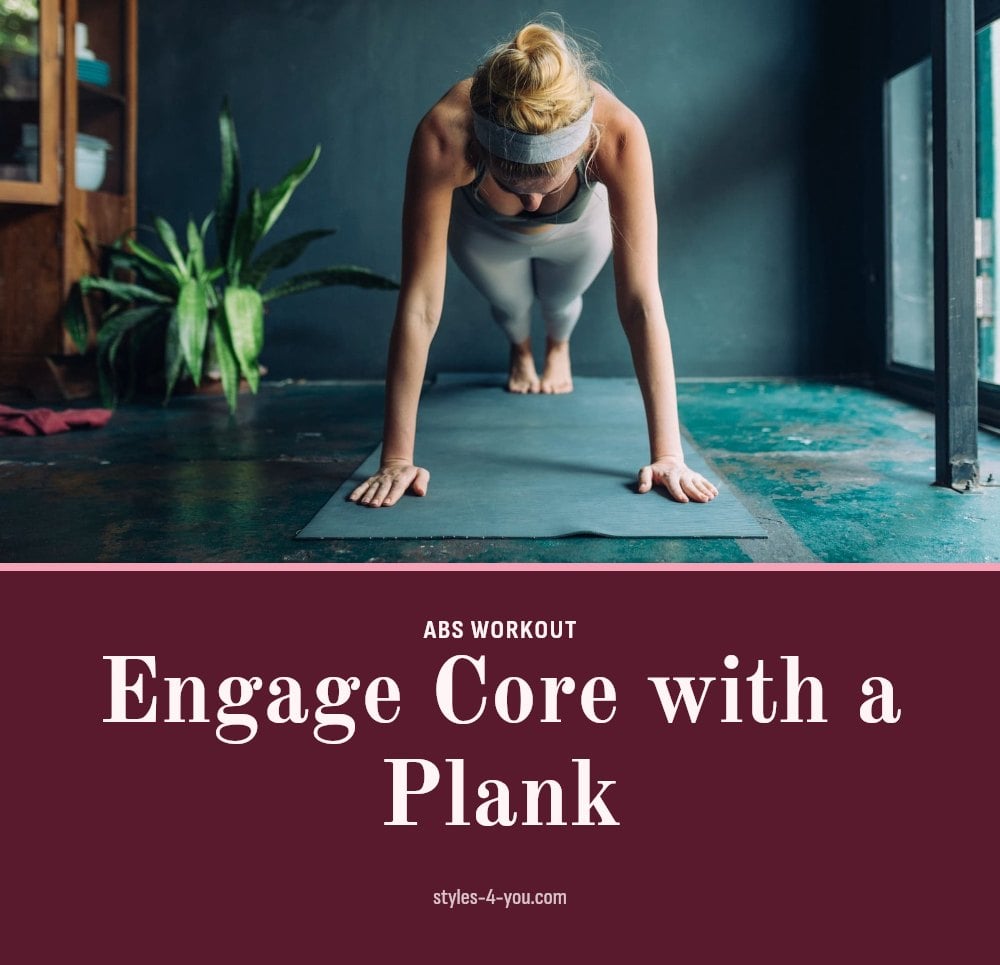
Place your forearms on the ground with elbows directly under your shoulders, and extend your legs behind you. Lift your body into a straight line from head to heels, engaging your core and glutes to hold the position.
- Time: Hold for 30-60 seconds per set, completing 3 sets
- Form cue: Keep your hips level and avoid letting them sag or pike up
- Make it easier or harder: Drop to your knees to reduce difficulty, or lift one leg for a challenge
7. Glute Bridges
Lie on your back with knees bent, feet flat on the floor and heels close to your glutes. Press through your heels to lift your hips toward the ceiling, squeezing your glutes at the top, then lower slowly.
- Sets and reps: 3 sets of 12-15 repetitions
- Form cue: Push through your heels and avoid overextending your lower back at the top
- Make it easier or harder: Perform with both feet on the floor, or add a dumbbell across your hips for resistance
8. Cool-Down: Hamstring Stretch
Sit on the floor with one leg extended straight and the other leg bent so the sole of your foot rests against your inner thigh. Reach toward the toes of your extended leg, keeping your back as straight as you can. You should feel a gentle stretch along the back of your thigh.
- Time: Hold for 20-30 seconds per leg, then switch sides. Repeat 2-3 times per leg.
- Form cue: Hinge from your hips, not your lower back, to keep the stretch safe and effective.
- Make it easier: Loop a towel or resistance band around your foot and pull gently toward you.
Essential Equipment for Your Full Body Workout
You do not need a gym full of machines to start a full body workout. A few basic pieces of gear are enough to get results at home.
- Dumbbells: A pair of medium-weight dumbbells lets you add resistance to exercises like rows, presses, and squats. Start with a weight you can control for 8-12 reps with good form.
- Exercise mat: A mat provides cushioning for floor exercises like planks, glute bridges, and stretches. It also gives you a stable, non-slip surface.
- Resistance bands: Bands are great for adding extra challenge to glute bridges or for assisting with pull-ups. They are lightweight and easy to store.
Your Weekly Full Body Workout Schedule
For best results, perform a full body workout 2-3 times per week with at least one rest day between sessions. Rest days allow your muscles to recover and grow. Light activity like walking or gentle stretching is fine on those days.
| Day | Activity | Notes |
|---|---|---|
| Monday | Full body workout | Follow the exercises above |
| Tuesday | Rest or light walk | Active recovery |
| Wednesday | Full body workout | Follow the exercises above |
| Thursday | Rest or light walk | Active recovery |
| Friday | Full body workout | Follow the exercises above |
| Saturday | Rest or light walk | Active recovery |
| Sunday | Rest | Full rest day |
Tip: Consistency matters more than intensity at the start. Stick with the schedule for 4-6 weeks to begin seeing strength and muscle tone improvements.
Frequently Asked Questions
How often should a beginner do a full body workout?
For most beginners, 2-3 times per week with at least one rest day between sessions works well. This schedule allows your muscles 24-48 hours to recover and adapt, which is essential for growth and strength. If you feel extra sore or tired, an extra rest day is fine. Light walking or stretching on off days can help with recovery.
Can I do a full body workout every day?
Doing a full body workout every day is not recommended, especially for beginners. Your muscles need time to repair and grow, and working the same muscle groups intensely day after day can lead to overtraining and injury. Stick to 2-3 sessions per week with rest days in between. On non-workout days, you can do light activity like walking or gentle yoga.
What should I eat before and after a full body workout?
About 1-2 hours before your workout, aim for a balanced meal with carbs and protein, like a banana with peanut butter or Greek yogurt with berries. After your session, eat a snack or meal with protein and carbs within a couple of hours to support recovery. Hydration matters too, so drink water before, during, and after.
How long should a full body workout take?
A typical full body workout for a beginner lasts about 30-45 minutes, including your warm-up and cool-down. The actual exercises, such as squats, push-ups, rows, and planks, can be completed in 20-30 minutes if you keep rest periods short. As you get stronger, you may add more sets or exercises, which can extend the session slightly.
Is a full body workout better than a split routine for beginners?
For most beginners, a full body workout is a better choice than a split routine. It trains all major muscle groups each session, which helps you learn proper form and build a balanced foundation. Splits, like training only upper body one day and lower body another, are often more advanced and require more weekly sessions. Full body routines are simpler and more time-efficient for starting out.
Final Thoughts
Your best move is to start with bodyweight exercises and light dumbbells, focusing on form over load. Follow the weekly schedule of 2-3 sessions, and give yourself at least one full rest day in between. Be patient with your progress; strength gains typically become noticeable after 4-6 weeks, and significant changes take a few months of steady effort. Consistency matters more than intensity, so keep showing up and listen to your body. If anything feels sharp or painful, stop and check with a professional.
This article is for general informational purposes only and is not a substitute for professional medical or fitness advice. Before starting any new exercise program, especially if you have pre-existing health conditions or concerns, consult a qualified healthcare provider or certified trainer. Stop any exercise that causes sharp pain, dizziness, or unusual discomfort, and seek professional guidance for persistent issues.
More Blog ideas
- Your Essential Guide to a Healthy Feminine Hygiene Routine
- Best High Protein Foods to Eat Daily for Health and Energy
- Feeling Stuck: 12 Small Steps to Get Unstuck
- Winter Skin Survival Tips
- How to Get a Flat Stomach
- How to Fix Damaged Hair and Restore Its Health
- Full-Body Kettlebell Workout
- Dry Scalp vs. Dandruff
- 21 Easy Beauty Tips Every Woman Should Know
- Feminine Energy: 15 Daily Habits to Feel More Radiant
- Upper Body Workout for Women at Home
- Witch Hazel Uses: 15 Ways to Use It in Your Beauty Routine






