Your Essential Guide to a Healthy Feminine Hygiene Routine
Learn the essentials of feminine hygiene with practical, gentle tips for daily care. Maintain comfort and health without harsh products.

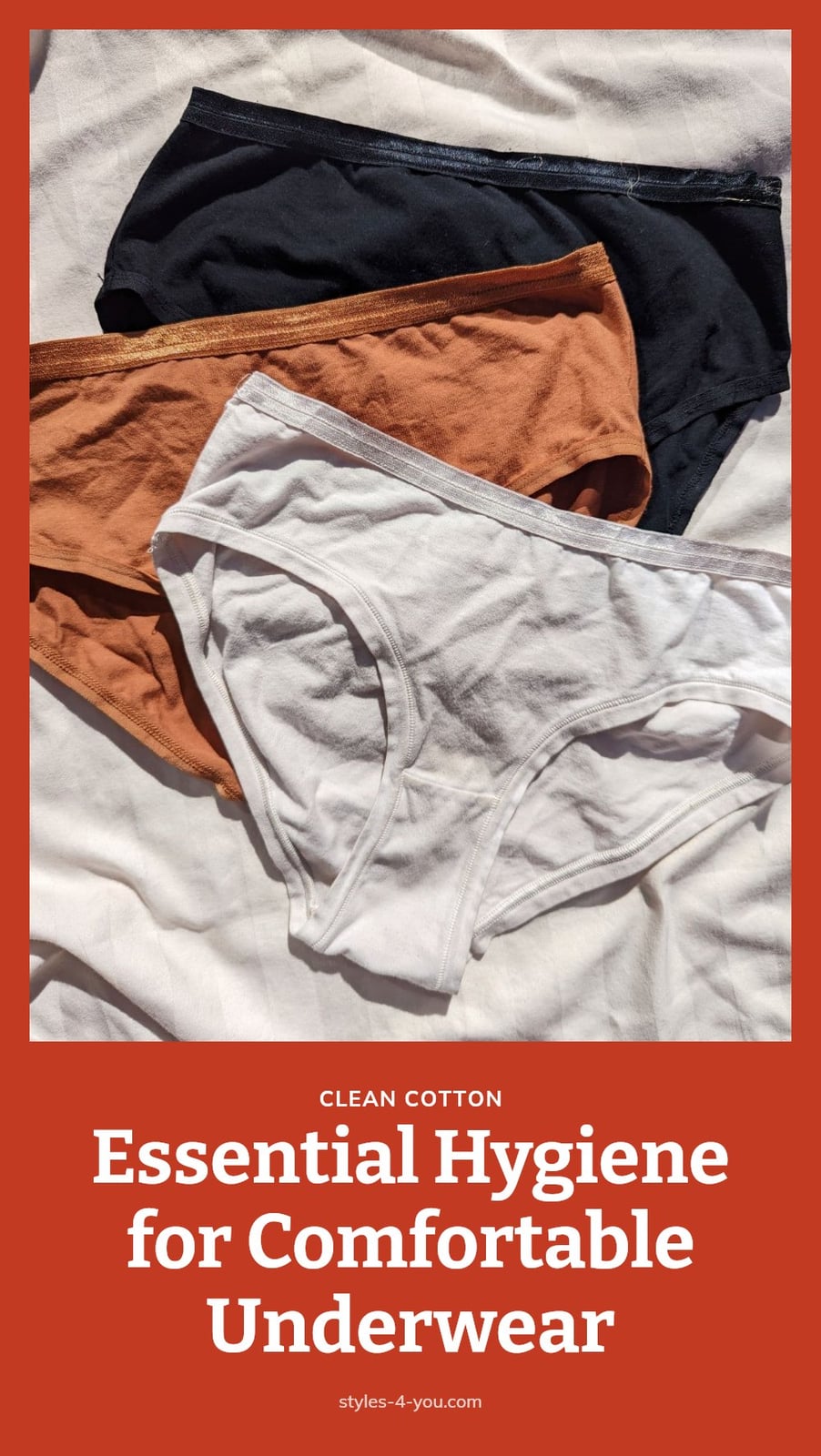
You know that keeping fresh and clean down there is important, but with so many products and tips out there, it’s easy to get confused about what your body actually needs. The truth is, your vagina is naturally self-cleaning, and the real focus should be on gentle care for the vulva. This guide walks you through a simple, no-fuss routine that supports your natural balance and helps you feel your best every day.
Key Takeaways
- Clean the vulva daily with warm water or mild, unscented soap.
- Always wipe from front to back after using the toilet.
- Wear cotton underwear and change out of wet clothes promptly.
- Change sanitary pads or tampons every 4 to 8 hours during your period.
- Avoid douching, scented products, and harsh scrubbing.
Understanding Feminine Hygiene: What You Need to Know
Feminine hygiene is about caring for the vulva, the external area, because the vagina is self-cleaning and does not need internal washing. Using gentle, unscented products and wearing breathable fabrics like cotton helps maintain the natural balance and prevents irritation. Avoid douching and harsh internal cleansers, as they can disrupt the vaginal pH, which is normally acidic between 3.8 and 4.5.
Your Essential Feminine Hygiene Toolkit
Building a simple, gentle routine starts with the right basics. Here is what you need:
- Mild, unscented soap or just warm water: Harsh soaps can strip natural oils and disrupt pH. Water alone often works, but if you use soap, choose one without fragrance.
- Cotton underwear: Cotton allows air to circulate, reducing moisture that can lead to yeast infections.
- Sanitary pads, tampons, or menstrual cups: Choose what feels comfortable for your flow and change them regularly.
- Clean towels for drying: Pat the area dry gently after washing to avoid irritation.
Step-by-Step: Your Daily Feminine Hygiene Routine

- Clean the vulva daily: Use warm water and a mild, unscented soap or just water. Gently wash the external area, then pat dry with a clean towel. Avoid scrubbing or using abrasive materials.
- Wipe from front to back: After using the toilet, always wipe from the front toward the back. This prevents bacteria from the anus from reaching the vagina or urethra.
- Change out of wet clothing promptly: After exercise or swimming, remove sweaty or wet clothes as soon as possible. Dampness creates a breeding ground for yeast and bacteria.
- Change sanitary products every 4-8 hours: During menstruation, replace pads, tampons, or menstrual cups regularly to reduce odor and bacterial growth.
Common Feminine Hygiene Mistakes to Avoid
Even with good intentions, a few common habits can cause harm. Here is what to avoid:
- Douching: The vagina cleans itself. Douching disrupts the natural pH and can lead to infections. Skip it entirely.
- Using scented products: Scented soaps, sprays, or powders can irritate the vulva and trigger allergic reactions. Stick to unscented options.
- Over-washing: Washing too often or using harsh scrubs strips natural oils, causing dryness and irritation. Once daily is enough.
- Wiping back to front: This transfers bacteria from the anus to the vagina or urethra, raising the risk of infections. Always wipe front to back.
- Wearing wet clothing too long: Staying in damp swimwear or sweaty clothes creates a moist environment that encourages yeast and bacterial overgrowth.
Smart Tips for Optimal Feminine Comfort and Health
Cotton underwear is my go-to because it lets the skin breathe and keeps moisture in check. I usually choose loose-fitting styles for everyday wear, especially after exercise or on warm days.
Staying hydrated and eating a balanced diet support your body from the inside out. Drinking enough water helps maintain normal discharge, and a diet rich in fruits, vegetables, and probiotics can promote a healthy vaginal environment.
My tip: Pubic hair grooming is entirely personal. If you trim or remove hair, keep the area clean and avoid harsh products. The choice itself doesn’t affect hygiene.
When to Consult a Healthcare Professional
Persistent itching, burning, or a strong, foul odor in the vulvar or vaginal area may indicate an infection. Also watch for unusual discharge that changes in color, consistency, or amount, and pain during urination or intercourse.
Caution: If any new or concerning symptoms don’t resolve on their own, see a healthcare professional. These signs warrant medical advice, not self-treatment.
Frequently Asked Questions
Is it normal for vaginal odor to change throughout the month?
Yes, it is completely normal for vaginal odor to vary during your menstrual cycle due to hormonal shifts. Many women notice a different scent around ovulation or just before their period. As long as there is no strong, foul odor or other symptoms like itching or burning, these changes are typically nothing to worry about.
Can diet affect feminine hygiene?
What you eat can influence your overall health, including vaginal health. A balanced diet rich in fruits, vegetables, and whole grains supports your immune system and may help prevent infections. Staying hydrated also helps your body flush out toxins. While diet alone isn’t a cure, it plays a supportive role in maintaining a healthy balance.
What kind of underwear is best for feminine hygiene?
Cotton underwear is the best choice because it is breathable and helps wick moisture away from the skin, reducing the risk of yeast infections and irritation. Avoid synthetic fabrics like polyester or nylon for everyday wear, as they trap heat and moisture. You can wear other fabrics occasionally, but cotton is your safest bet for daily comfort.
How often should I change my underwear?
You should change your underwear at least once a day, and more often if it becomes damp or sweaty, such as after exercise or on hot days. Wearing the same pair for extended periods can trap moisture and bacteria, leading to irritation or infection. Fresh, clean underwear is a simple step in your daily hygiene routine.
When should I be concerned about vaginal discharge?
You should be concerned if your discharge changes in color, consistency, or amount, especially if it becomes yellow, green, or gray, or has a strong, foul odor. Accompanying symptoms like itching, burning, or pain during urination or intercourse are also red flags. If any of these occur and persist, consult a healthcare professional for an evaluation.
Final Thoughts
Stick with the basics: gentle external cleaning, breathable fabrics, and prompt changes after exercise or your period. That routine is usually enough to keep irritation away and maintain a healthy pH. If you ever notice persistent itching, burning, or unusual discharge, don’t guess, see a healthcare professional. Your body knows what it’s doing, but a little mindful care goes a long way.
This article is for general informational purposes only and does not constitute medical advice. Always consult a healthcare professional for any personal health concerns, especially if you experience persistent symptoms such as itching, burning, unusual discharge, or pain. Do not rely on this information as a substitute for professional medical diagnosis or treatment.
More Blog ideas
- Best High Protein Foods to Eat Daily for Health and Energy
- Feeling Stuck: 12 Small Steps to Get Unstuck
- Winter Skin Survival Tips
- How to Get a Flat Stomach
- How to Fix Damaged Hair and Restore Its Health
- Full-Body Kettlebell Workout
- Dry Scalp vs. Dandruff
- Full Body Workout for Beginners
- 21 Easy Beauty Tips Every Woman Should Know
- Feminine Energy: 15 Daily Habits to Feel More Radiant
- Upper Body Workout for Women at Home
- Witch Hazel Uses: 15 Ways to Use It in Your Beauty Routine






