Best High Protein Foods to Eat Daily for Health and Energy
Discover the best high protein foods, from lean meats to plant-based options, to fuel your body, build muscle, and stay satisfied every day.

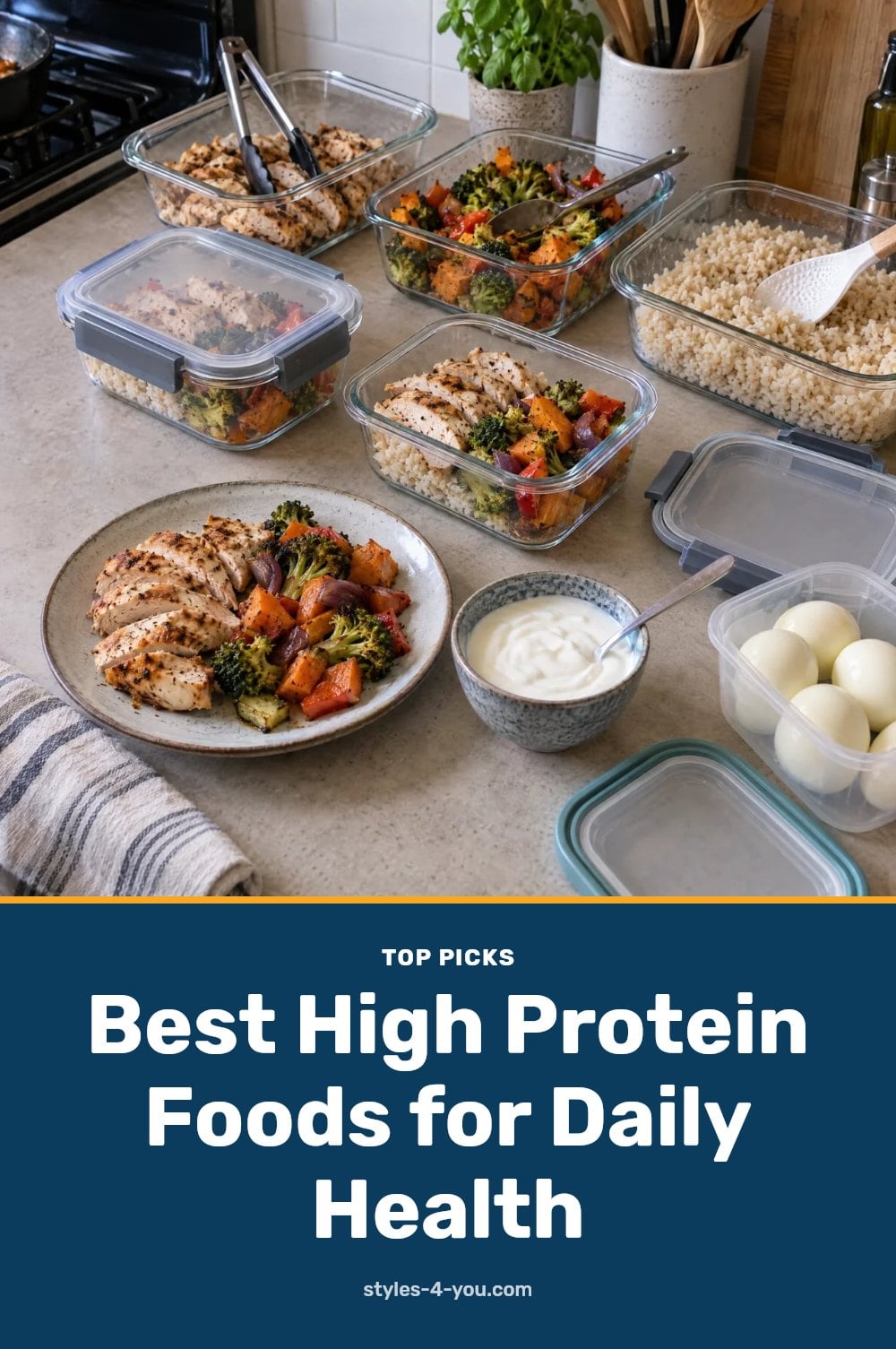
It’s easy to get caught up in the energy slumps and mid-afternoon cravings that come from meals that just don’t stick with you. That’s where protein comes in. This article breaks down the best high-protein foods you can eat daily to support steady energy, muscle health, and weight management, from lean meats to plant-based stars.
Key Takeaways
- Include a protein source at every meal and snack to support satiety and steady energy.
- Choose lean proteins like chicken breast, turkey, and fish to minimize saturated fat.
- Vary your sources: combine animal and plant proteins for a broader range of nutrients.
- Prioritize whole foods over protein powders for the bulk of your intake.
- Distribute protein throughout the day rather than loading up at one meal.
Why Protein is Your Body’s Best Friend
Protein is one of the three macronutrients your body relies on, right alongside carbohydrates and fats. It builds and repairs tissues, creates enzymes and hormones, and supports overall health. Including a variety of high-protein foods each day helps with satiety, muscle maintenance, and sustained energy levels.
The Recommended Dietary Allowance (RDA) for protein is 0.8 grams per kilogram of body weight per day for healthy adults. But your needs can vary based on age, activity level, and specific health goals, so listen to your body and adjust accordingly.
1. Lean Chicken and Turkey Breast
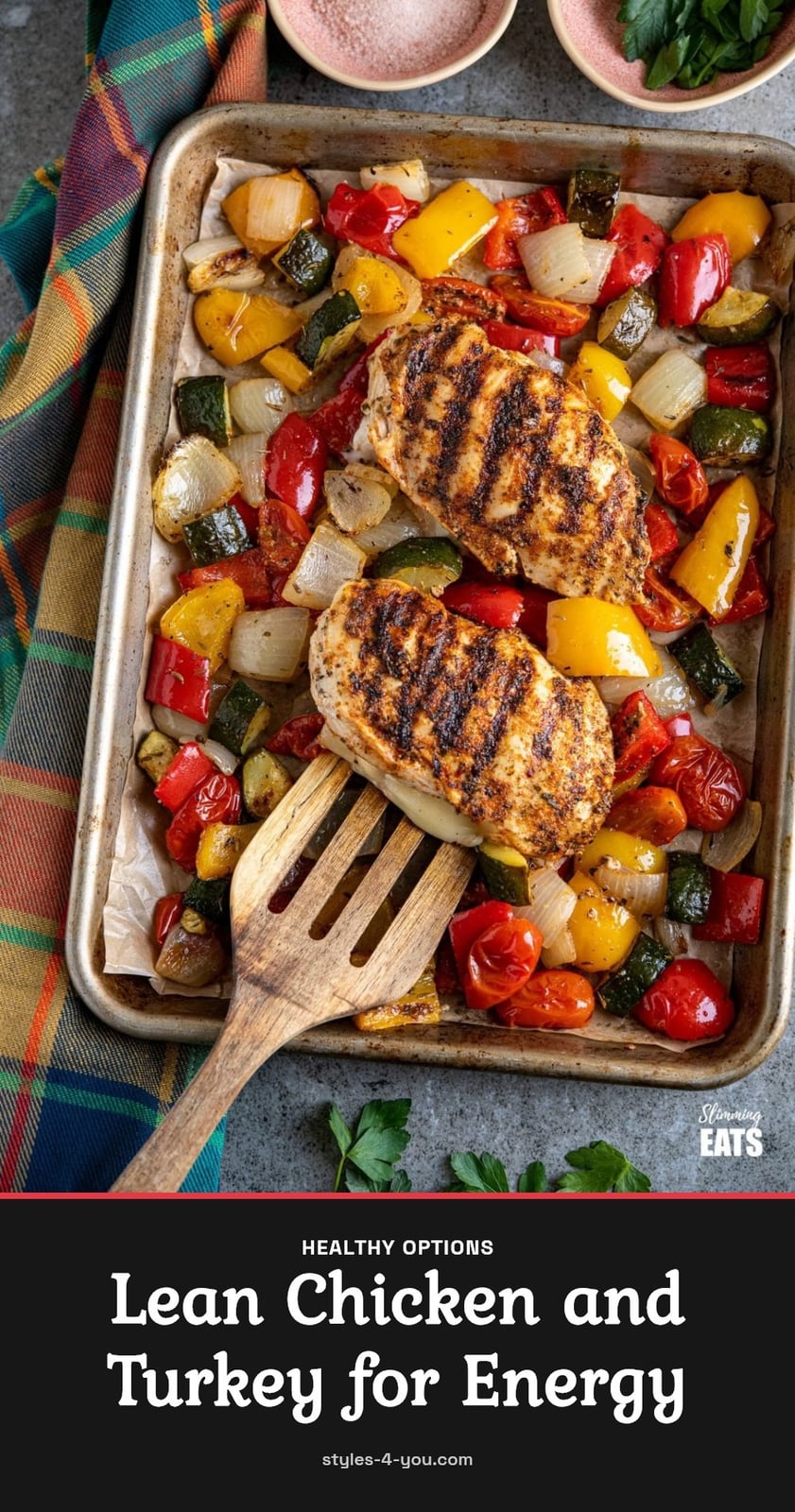
Chicken breast and turkey are complete proteins, meaning they contain all nine essential amino acids your body can’t make on its own. When you remove the skin, they’re low in fat, which makes them a solid choice for weight management and muscle building.
- Grill: Quick and adds a smoky flavor without extra oil.
- Bake: Easy for meal prep; season and pop in the oven.
- Stir-fry: Thin slices cook fast and pair well with veggies.
My tip: Always trim visible fat before cooking to keep it lean.
2. Fatty Fish Like Salmon and Tuna
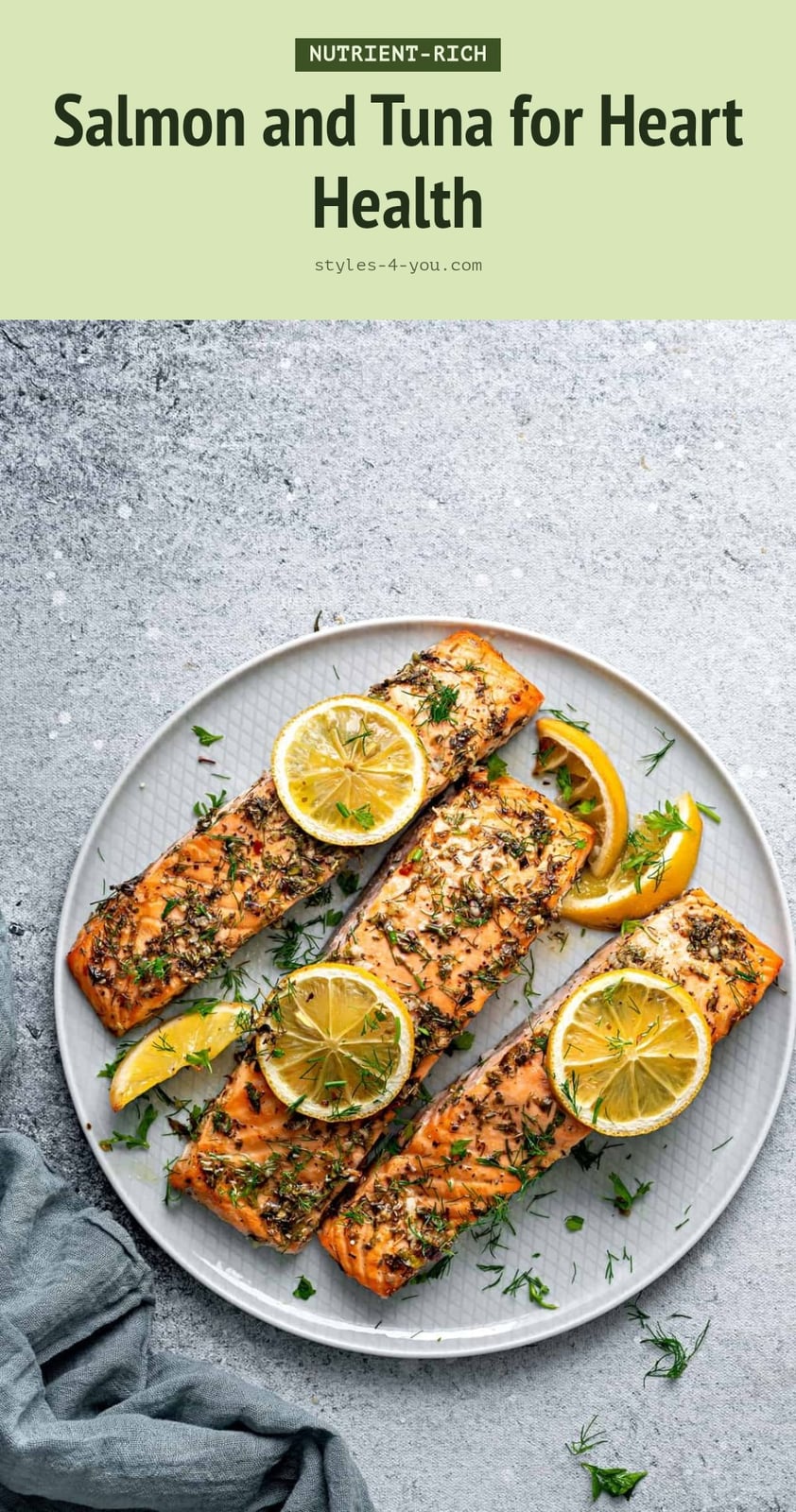
Salmon, tuna, and mackerel deliver high-quality protein plus omega-3 fatty acids, which support heart and brain health. These fatty fish offer a nutritional punch that goes beyond muscle repair.
Tip: Aim for two servings per week as part of a varied protein strategy. Try baking salmon with herbs, adding canned tuna to salads, or grilling mackerel for a quick dinner.
Pair these fish with other protein sources like poultry, legumes, or dairy throughout the week to ensure a broad range of nutrients.
3. Eggs: The Complete Protein Powerhouse
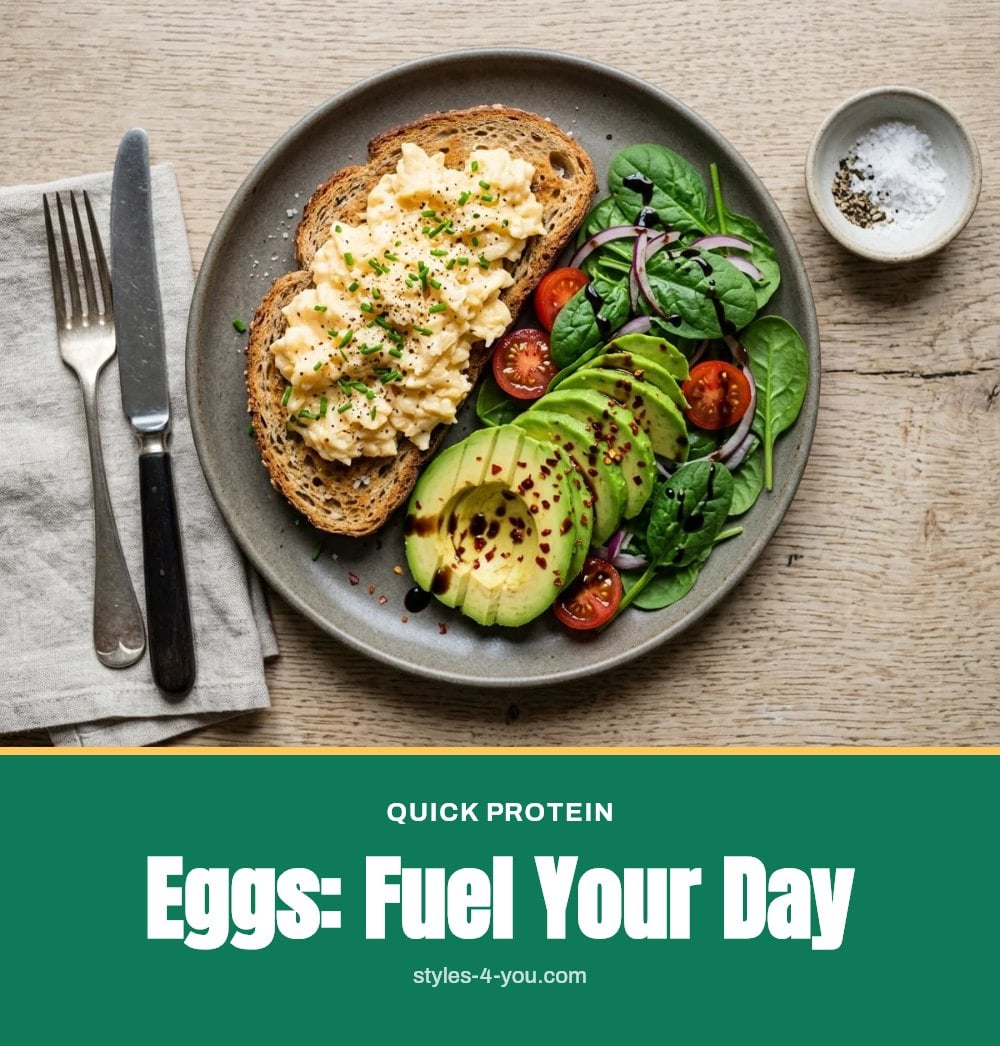
Eggs are a complete protein source, providing all essential amino acids. They’re affordable and endlessly versatile, from scrambled to hard-boiled.
- Scrambled: Perfect for breakfast, add veggies for extra fiber.
- Hard-boiled: Great for snacks or salads, easy to prep ahead.
- Baked: Try them in frittatas or quiches for a hearty meal.
My tip: Don’t skip the yolk, it contains many vital nutrients like vitamin D and choline.
4. Greek Yogurt and Cottage Cheese

Greek yogurt and cottage cheese are dairy powerhouses, delivering both protein and calcium in every serving. That combination supports bone health and muscle function, so you get two benefits from one food. Greek yogurt contains significantly more protein than regular yogurt, which makes it a smart pick for breakfast or a midday snack. Look for plain versions and add your own fruit to control sugar.
Cottage cheese is another strong option, especially before bed. It contains slow-digesting casein protein, which many people find helps keep them satisfied through the night. Spoon it over sliced peaches or spread it on whole-grain crackers for a quick, filling bite.
5. Lentils, Beans, and Chickpeas
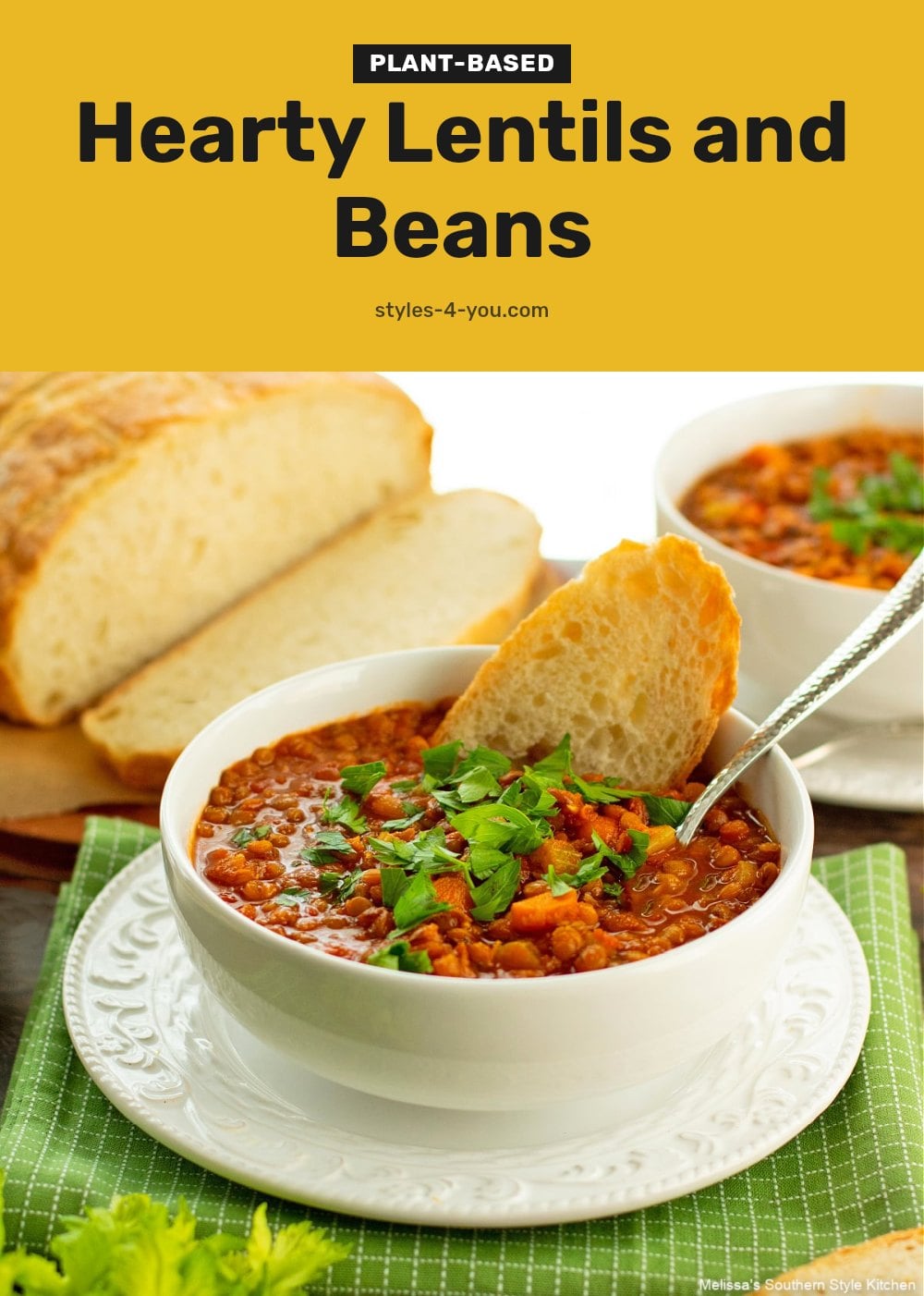
Lentils, beans, and chickpeas are a powerhouse for plant-based eaters, packing both protein and fiber into every serving. That fiber supports digestive health and keeps you full longer, which helps with weight management. They’re incredibly versatile, so you can toss them into soups, salads, or stews without much effort.
One thing to know: plant proteins don’t always contain all nine essential amino acids on their own. My tip is to combine different sources throughout the day, like rice with beans or hummus with whole-grain pita, so you cover the full amino acid profile.
6. Tofu, Tempeh, and Edamame
Tofu, tempeh, and edamame are soy-based foods that stand out because they’re complete plant proteins, meaning they provide all nine essential amino acids. That makes them excellent meat alternatives for anyone cutting back on animal products. Tofu has a mild flavor and soaks up whatever marinade you use, tempeh brings a nutty taste and firm texture, and edamame works as a simple snack straight from the pod.
These options also deliver micronutrients like iron and calcium, so they add nutritional value beyond protein. Try crumbling tempeh into a stir-fry or roasting tofu cubes for a crispy salad topper.
7. Nuts and Seeds for Snacking
Almonds, peanuts, chia seeds, and flax seeds give you a solid protein boost along with healthy fats and fiber. That combination makes them ideal for on-the-go snacks, or you can sprinkle them over oatmeal, yogurt, or salads for extra texture and staying power. A small handful goes a long way.
My tip: watch portion sizes, since nuts and seeds are calorie-dense. Stick to about a quarter cup of nuts or a tablespoon of seeds per serving. Pre-portion them into small bags so you don’t overeat straight from the container.
8. Quinoa: The Grain That’s a Complete Protein
Quinoa is a pseudocereal, so unlike most grains it provides a complete plant-based protein with all nine essential amino acids. It also delivers fiber, magnesium, and iron, which many grains lack. Use it as a base for salads, a warm side dish, or even in breakfast bowls with berries and nuts.
9. Lean Beef and Pork
Lean cuts like sirloin, tenderloin, and pork loin are packed with high-quality protein, iron, and B vitamins. The iron supports oxygen transport in your blood, which helps maintain energy levels, while the B vitamins aid in converting food into fuel. That makes them a solid choice for muscle building and staying energized throughout the day.
My tip: Trim any visible fat before cooking to keep the dish lean. Choose cooking methods like grilling, broiling, or roasting instead of frying to avoid adding extra fat.
10. Protein Powder for a Boost
Whole foods should always come first, but protein powders are a convenient way to top up your intake, especially after a workout when your muscles are repairing. Whey and casein are popular dairy-based options, while pea and rice protein work well for plant-based eaters.
My tip: check the ingredient list before buying. Many powders sneak in added sugars or artificial sweeteners, which can undo the benefits. Look for a short list with protein as the main ingredient, and use it as a supplement to meals, not a replacement.
11. Oats: A Surprising Protein Source
Oats offer a modest amount of protein plus plenty of soluble fiber, which supports heart health and keeps you satisfied. While not as protein-dense as meat or dairy, they can be part of a balanced meal. My tip: Start your day with oatmeal and add a scoop of protein powder or a dollop of Greek yogurt to boost the protein content. You can also top with nuts or seeds for extra crunch and nutrients.
Common Protein Pitfalls to Avoid
Only focusing on meat: Meat is a great protein source, but plant-based options like legumes, tofu, and nuts bring fiber and different micronutrients to the table. A diverse diet gives you a broader spectrum of nutrients, so rotate your sources throughout the week.
Not distributing protein throughout the day: Eating all your protein in one giant dinner is less effective for muscle synthesis than spreading it across meals and snacks. Aim for a serving at each meal and a couple of snacks to keep satiety steady.
Underestimating protein needs: The RDA of 0.8 grams per kilogram of body weight is a baseline, not a ceiling. Active individuals, older adults, and people with specific goals like muscle gain or weight management often need more, so adjust based on your activity level and consult a professional if you’re unsure.
Confusing protein content with overall nutritional value: Processed meats like deli turkey or bacon may be high in protein, but they often come with added sodium, unhealthy fats, and preservatives. Prioritize whole, unprocessed sources like grilled chicken, fish, eggs, and legumes.
Believing all protein sources are equal: Proteins have different amino acid profiles. Some plant proteins, like soy products and quinoa, are complete, but others are not. Combining sources like rice and beans or hummus with whole-grain pita throughout the day ensures you get all essential amino acids without relying on animal products.
Frequently Asked Questions
How much protein do I need each day?
The Recommended Dietary Allowance for healthy adults is 0.8 grams of protein per kilogram of body weight. Your individual needs may be higher if you are very active, pregnant, or have specific health goals. A registered dietitian can help tailor the number to your lifestyle.
Are protein supplements necessary for a high-protein diet?
No, whole food sources should come first. Protein powders like whey or pea protein can be convenient after a workout or when you need a quick boost, but they are not required. Most people can meet their needs with foods like chicken, eggs, beans, and dairy alone.
Can I get enough protein from plant-based foods alone?
Yes, absolutely. Plant-based sources like lentils, chickpeas, tofu, tempeh, edamame, and quinoa provide ample protein. To ensure you get all essential amino acids, eat a variety of these foods throughout the day, for example, pairing beans with rice or hummus with whole-grain pita.
What are the signs of not getting enough protein?
Signs can include persistent fatigue, slow recovery after exercise, frequent illness, thinning hair, and brittle nails. If you suspect a deficiency, it’s wise to check in with a doctor or dietitian who can evaluate your diet and rule out other causes.
Is too much protein bad for you?
For healthy people, a high protein intake is generally safe in the short term. Long-term excessive intake may potentially strain the kidneys in some individuals, especially those with pre-existing kidney conditions. If you have kidney disease or other medical concerns, consult a professional before significantly increasing protein.
Final Thoughts
My tip: start by swapping one meal or snack each day for a protein-rich option, like Greek yogurt instead of regular yogurt or a handful of almonds instead of chips. Realistic expectations: you may notice better satiety within a few days, and with consistent intake, muscle recovery and energy levels can improve over several weeks. Keep it balanced, and your body will thank you.
This article is for general informational purposes only and does not constitute medical or dietary advice. Individual protein needs vary based on age, activity level, and health status. Consult a doctor or registered dietitian before making significant changes to your diet, especially if you have a medical condition.

More Blog ideas
- Your Essential Guide to a Healthy Feminine Hygiene Routine
- Feeling Stuck: 12 Small Steps to Get Unstuck
- Winter Skin Survival Tips
- How to Get a Flat Stomach
- How to Fix Damaged Hair and Restore Its Health
- Full-Body Kettlebell Workout
- Dry Scalp vs. Dandruff
- Full Body Workout for Beginners
- 21 Easy Beauty Tips Every Woman Should Know
- Feminine Energy: 15 Daily Habits to Feel More Radiant
- Upper Body Workout for Women at Home
- Witch Hazel Uses: 15 Ways to Use It in Your Beauty Routine