How to Fix Damaged Hair and Restore Its Health
Learn how to fix damaged hair with proven methods and protective measures. Restore strength, reduce breakage, and bring back your hair's natural shine.

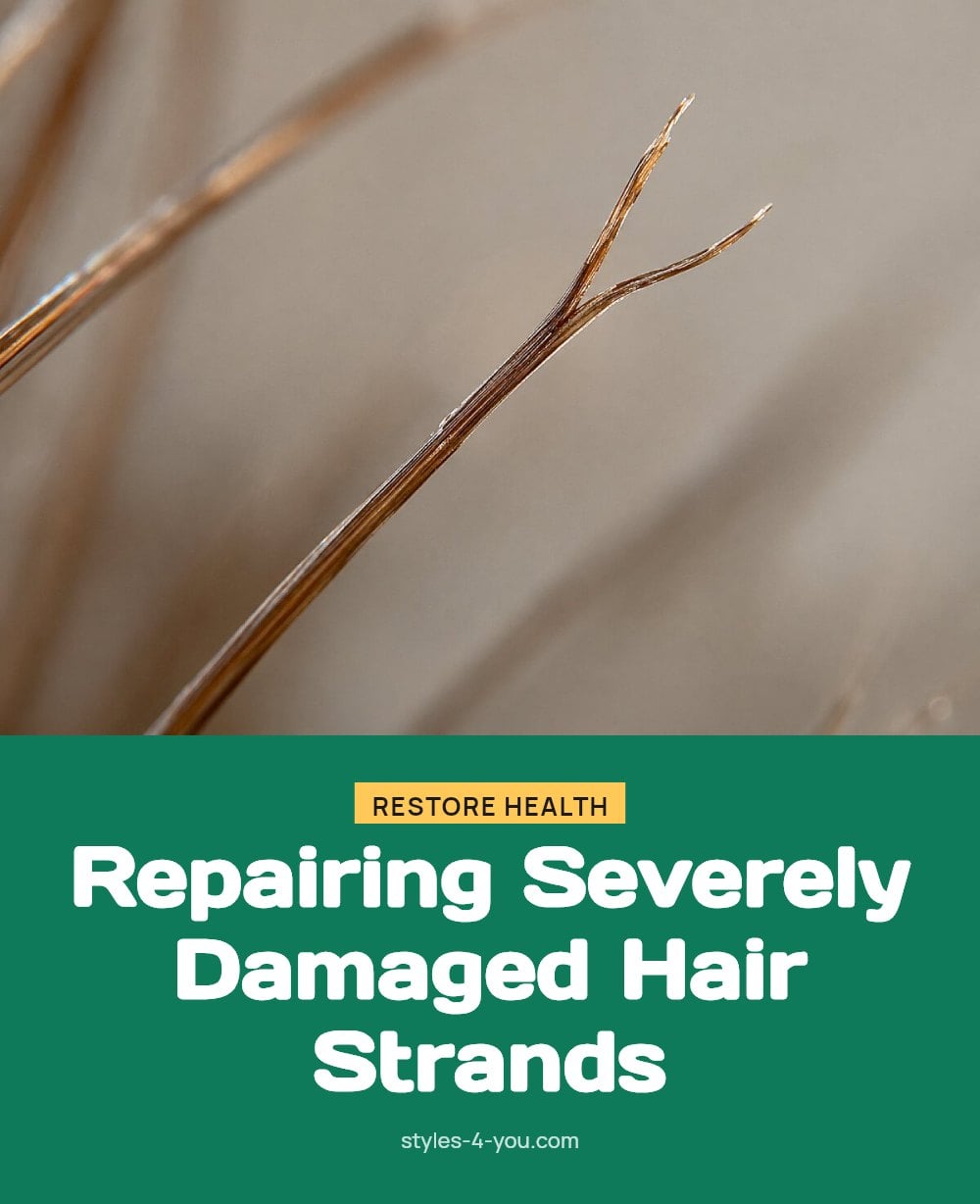
If your hair feels rough, looks dull, or breaks easily, you’re dealing with damage to the outer cuticle and inner cortex. While you can’t fully reverse structural damage, you can dramatically improve how your hair looks and feels with the right routine. This article covers the causes of damage, proven fixes, common mistakes, and a realistic timeline for restoration.
Key Takeaways
- True structural damage cannot be reversed, but appearance and health can be significantly improved.
- Use a deep conditioning mask weekly or bi-weekly to smooth the cuticle and add moisture.
- Always apply a heat protectant spray before using any hot styling tools.
- Trim split ends every 6-8 weeks to prevent them from traveling up the hair shaft.
- Sleep on a silk or satin pillowcase to reduce friction and prevent breakage overnight.
Can You Really Fix Damaged Hair?

True structural damage to hair cannot be fully reversed because hair is dead tissue. Once the cuticle lifts and the cortex weakens, no product can undo that. The goal is to improve the appearance and health of damaged hair and prevent further harm. With consistent care, you can strengthen existing hair, smooth the cuticle, and reduce breakage.
Why Your Hair Gets Damaged: The Root Causes
Why Your Hair Gets Damaged: The Root Causes
Your hair’s outer layer, the cuticle, is made of overlapping cells that protect the inner cortex. When damage occurs, those cells lift and the cortex weakens, leading to frizz, split ends, and breakage.
Heat styling is a common culprit. Flat irons, curling irons, and blow dryers dehydrate the hair and break the protein bonds that give it strength. The higher the temperature, the faster this happens.
Chemical treatments like coloring, perming, and relaxing alter the hair’s protein structure. This change makes the hair more porous and prone to breakage, especially with repeated applications.
Environmental factors also play a role. UV radiation from the sun breaks down the hair’s protein, chlorine from pools strips natural oils, and wind can roughen the cuticle. The combination of these factors accelerates damage over time.
Your Essential Toolkit for Hair Repair
Stock your bathroom with these essentials for repairing damaged hair:
- Sulfate-free shampoo and moisturizing conditioner: Cleanse gently without stripping natural oils.
- Deep conditioning mask: Use weekly or bi-weekly for intense moisture and nutrients that smooth the cuticle.
- Heat protectant spray: Apply before any heat styling to shield hair from thermal damage.
- Hair oil: Seal the cuticle, add shine, and create a protective barrier against environmental stressors.
- Wide-tooth comb and microfiber towel: Detangle wet hair gently and reduce friction during drying, minimizing breakage.
Proven Methods to Restore Your Hair’s Health
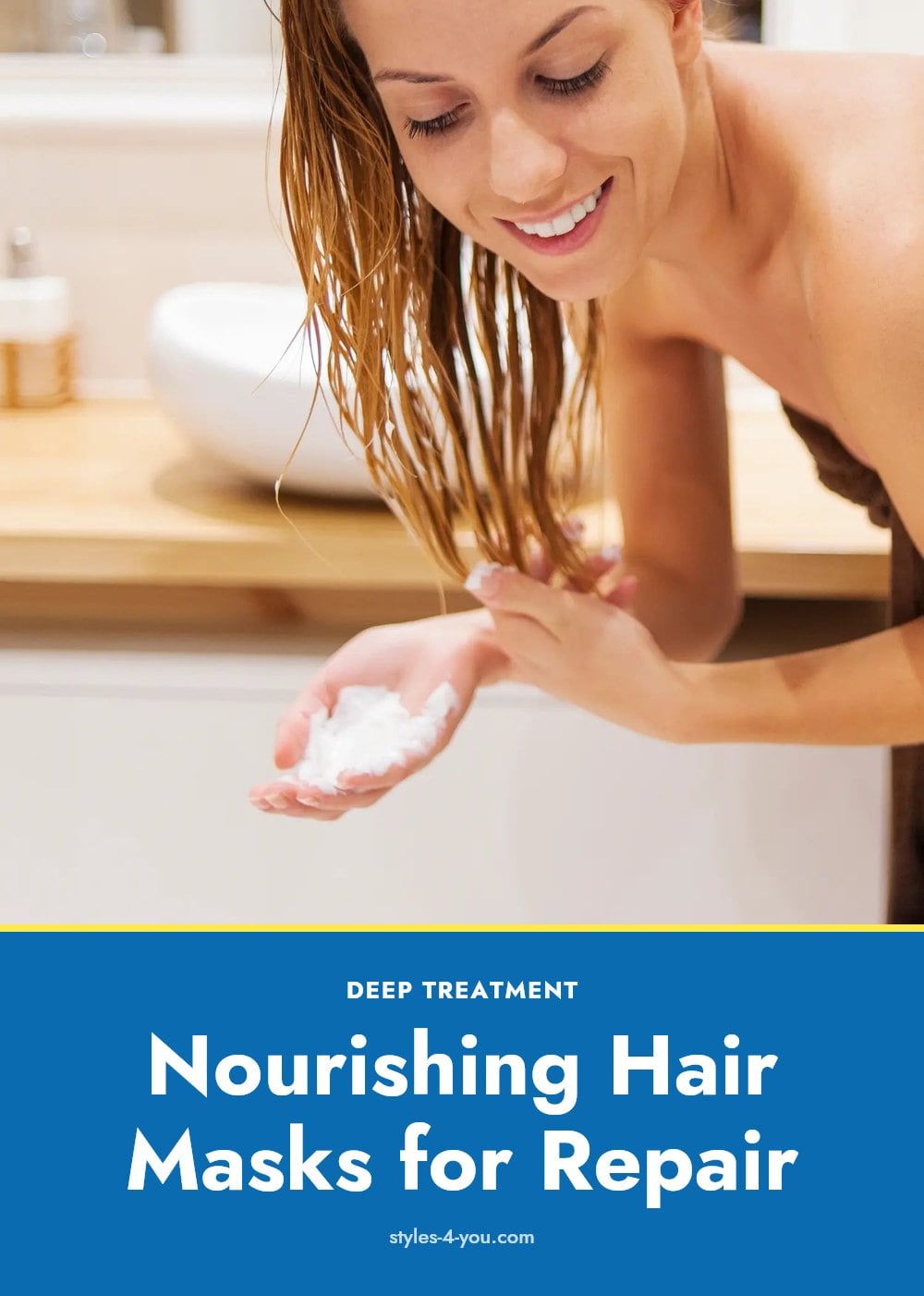
Deep Conditioning Treatments
Apply a deep conditioning mask once a week or every two weeks. Leave it on for the recommended time (usually 5-10 minutes) to improve elasticity and smooth the cuticle. This adds moisture and nutrients that dry, damaged hair needs.
Protein Treatments
Protein treatments temporarily strengthen hair by filling in gaps in the cuticle. Caution: Overuse can make hair stiff and brittle. Use a protein treatment only when hair feels weak or limp, and follow with a moisturizing conditioner.
Regular Trims
Trimming split ends prevents them from traveling further up the hair shaft and causing more breakage. Aim for a trim every 6-8 weeks to maintain healthy ends.
Gentle Washing and Detangling
Wash hair with lukewarm water, not hot, to avoid stripping natural oils. After washing, blot excess water with a microfiber towel instead of rubbing. Use a wide-tooth comb starting from the ends and working upward to minimize breakage. Tip: Never brush wet hair aggressively. It’s more fragile when wet.
Common Mistakes That Worsen Hair Damage
Believing split ends can be repaired without trimming them: No conditioner or serum can fuse split ends back together. The only fix is a trim. Skipping trims allows the split to travel up the shaft, causing more breakage.
Over-using protein treatments: Protein fills gaps in the cuticle, but too much makes hair stiff and brittle. My tip: use a protein treatment once a month at most, and always follow with a moisturizing mask.
Ignoring heat protectants before styling: Heat tools dehydrate hair and break protein bonds. A protectant spray creates a barrier that reduces thermal damage. Apply it every time, even for a quick touch-up.
Brushing wet hair aggressively or from roots down: Wet hair is fragile and prone to snapping. Use a wide-tooth comb and start detangling from the ends, working your way up to minimize breakage.
Washing hair too frequently: Daily washing strips natural oils that protect the hair shaft. Aim for 2-3 times per week, and use a sulfate-free shampoo to clean gently.
How to Prevent Future Hair Damage
Always use a heat protectant before heat styling: Apply a heat protectant spray evenly on damp or dry hair before using any hot tool. It coats the hair shaft and reduces moisture loss.
- Opt for lukewarm water when washing hair: Hot water opens the cuticle and strips oils. Rinse with lukewarm water, then finish with a cool splash to help seal the cuticle.
- Air dry hair whenever possible: Heat from blow dryers causes cumulative damage. Let your hair air dry at least half the time to give it a break.
- Protect hair from sun exposure with hats or UV sprays: UV rays break down protein in the hair cortex. Wear a hat or use a UV-protective spray when outdoors for extended periods.
- Avoid over-processing hair with frequent chemical treatments: Space out coloring, perming, or relaxing by at least 6-8 weeks to allow the hair to recover between sessions.
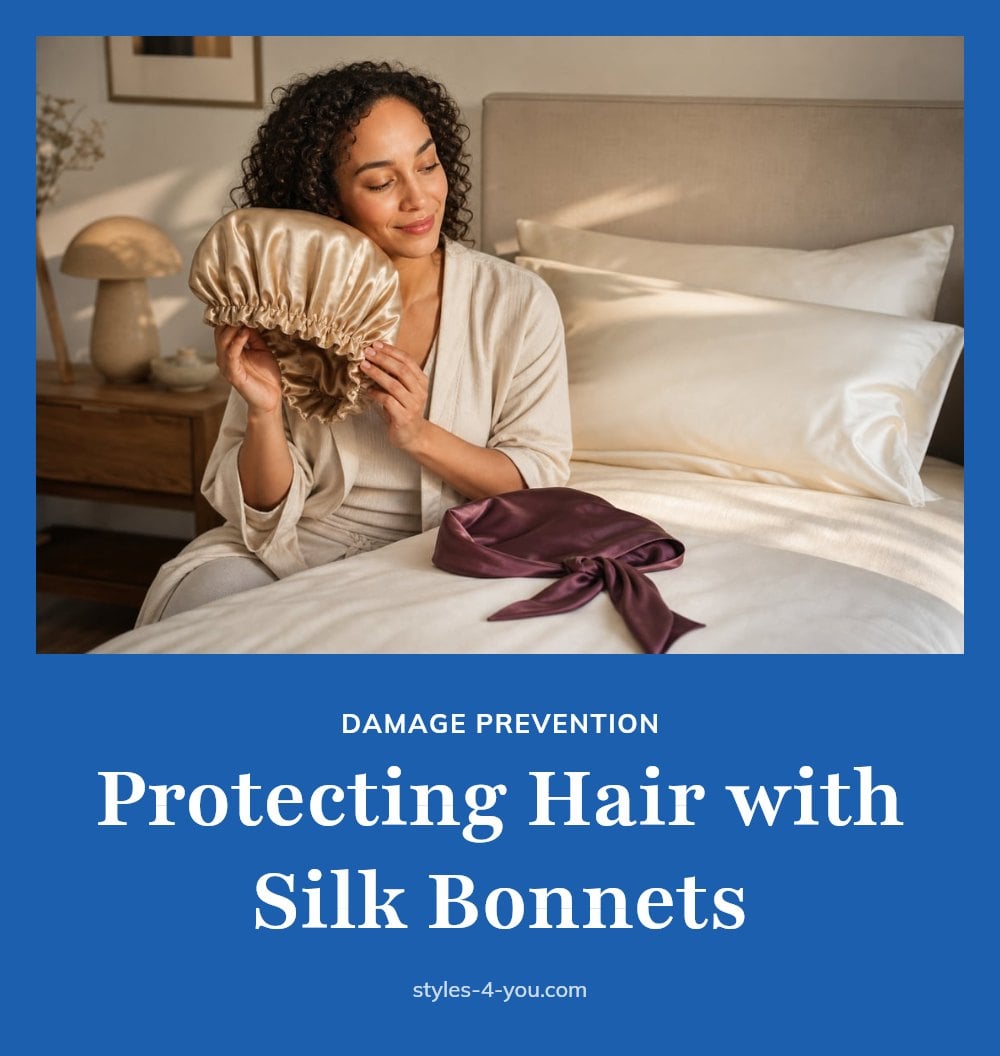
- Sleep on a silk or satin pillowcase to reduce friction: Cotton pillowcases create friction that leads to tangles and breakage. Silk or satin lets hair slide smoothly overnight.
What to Expect: Timeline for Hair Restoration
With consistent care, you can see noticeable improvements in texture and appearance within a few weeks. Split ends will look smoother, and frizz should decrease. Significant restoration of severely damaged hair takes several months, especially if the cortex was weakened.
Regular trims every 6-8 weeks are crucial for long-term progress. Costs vary widely: drugstore products can be affordable, while salon treatments and professional trims add up. Choose what fits your budget and stick to a routine.
When to See a Professional for Hair Damage
Consult a dermatologist if hair damage is severe and accompanied by scalp irritation, excessive hair loss, or open sores. These symptoms may indicate an underlying medical condition that needs professional diagnosis.
Seek a professional stylist for severe breakage or chemical damage that DIY methods can’t improve. A stylist can assess the extent of damage and recommend corrective cuts or treatments.
Caution: Always perform a patch test before using new chemical treatments or dyes. Apply a small amount behind your ear or on your inner arm and wait 48 hours to check for allergic reactions.
Frequently Asked Questions
Can hair really be ‘repaired’ or just improved?
Hair is dead tissue, so true structural damage cannot be reversed. No product can fuse split ends or rebuild the cortex. The goal is to improve the appearance and feel of damaged hair by smoothing the cuticle, adding moisture, and preventing further harm. Consistent care can make hair look and feel much healthier.
How often should I use a deep conditioning mask for damaged hair?
For damaged hair, use a deep conditioning mask once a week or every two weeks. Leave it on for the recommended time, usually 5-10 minutes, to allow the ingredients to penetrate and smooth the cuticle. Overdoing it won’t cause harm, but weekly is enough to see steady improvement.
Is air drying always better than blow drying?
Air drying is generally gentler because it avoids direct heat, but it’s not always better. Wet hair is fragile, so if you air dry, use a wide-tooth comb to detangle and avoid rubbing with a towel. If you blow dry, use a low heat setting and always apply a heat protectant spray first to reduce moisture loss.
What are the best ingredients to look for in damaged hair products?
Look for moisturizing ingredients like oils (argan, jojoba, coconut) and humectants that attract moisture. For strength, protein treatments can temporarily fill gaps in the cuticle, but don’t overuse them. Sulfate-free formulas are gentler and help preserve natural oils. Avoid products with strong acids or bases that can worsen damage.
How can I tell if my hair is damaged or just dry?
Dry hair lacks moisture but still has a smooth cuticle, so it feels rough but doesn’t break easily. Damaged hair has lifted cuticles and a weakened cortex, leading to split ends, excessive breakage, frizz, and a straw-like texture. If you see split ends or hair snapping off, it’s likely damage, not just dryness.
Final Thoughts
Start by swapping your shampoo and conditioner for sulfate-free versions and adding a weekly deep conditioning mask. Be patient: noticeable improvements happen within a few weeks, but severely damaged hair can take several months of consistent care and regular trims. The key is to protect your hair from heat, chemicals, and environmental stress going forward.
This article is for general informational purposes only and does not constitute medical or professional advice. If you have severe hair damage, scalp irritation, excessive hair loss, or open sores, consult a dermatologist or licensed stylist for a proper diagnosis and treatment plan.
More Blog ideas
- Your Essential Guide to a Healthy Feminine Hygiene Routine
- Best High Protein Foods to Eat Daily for Health and Energy
- Feeling Stuck: 12 Small Steps to Get Unstuck
- Winter Skin Survival Tips
- How to Get a Flat Stomach
- Full-Body Kettlebell Workout
- Dry Scalp vs. Dandruff
- Full Body Workout for Beginners
- 21 Easy Beauty Tips Every Woman Should Know
- Feminine Energy: 15 Daily Habits to Feel More Radiant
- Upper Body Workout for Women at Home
- Witch Hazel Uses: 15 Ways to Use It in Your Beauty Routine






