Feeling Stuck: 12 Small Steps to Get Unstuck
Feeling stuck? Discover 12 actionable, small steps to regain momentum and clarity, helping you move forward in life and achieve your goals.


You know that heavy feeling when every step forward seems to take twice the effort, and you’re not even sure where you’re going? That’s what being stuck feels like, and it’s more common than you think. The good news is that it’s almost never a permanent state, just a signal that something needs to shift. In this article, I’ll walk you through a dozen small, manageable steps you can take today to start building momentum and finding your way out of that rut.
Key Takeaways
- Feeling stuck is a signal that something needs to change, not a permanent condition.
- Start with one tiny, laughably small goal to break the cycle of overwhelm.
- Move your body for a few minutes to interrupt the inertia.
- Reach out to one supportive person for a fresh perspective.
- If sadness or hopelessness persists, consult a mental health professional.
What Does It Mean to Feel Stuck?
Feeling stuck is that heavy sense of inertia, low motivation, and trouble moving forward in your career, relationships, or personal goals. It’s one of the most common experiences people face, and it’s rarely permanent. Think of it as a signal, not a verdict. It often shows up when something in your life needs to shift, whether that’s fear of failure, uncertainty about the next step, or constant comparison to others. The way out isn’t a big dramatic change. It’s small, intentional actions that rebuild momentum and give you back a sense of clarity.
1. Reflect on the Root Cause

Before you can move forward, you need to know what’s holding you in place. Ask yourself what specifically feels stuck. Is it your career, a relationship, or a personal goal you’ve been avoiding? Self-reflection is the crucial first step because it turns a vague feeling into something you can address.
Common root causes include:
- Fear of failure: Worrying that any step might be the wrong one.
- Uncertainty: Not knowing which direction actually fits.
- Comparison: Measuring your progress against someone else’s highlight reel.
My tip: Journal about it for five minutes. Write whatever comes to mind without editing. You’ll often spot the real issue hiding under the surface.
2. Set One Tiny, Achievable Goal
Big goals feel overwhelming, and overwhelm is what keeps you stuck. So shrink the goal until it’s almost laughably small. Instead of “get a new job,” make it “update my resume for 10 minutes.” Instead of “get fit,” make it “do five squats.”
A tiny action, even a five-minute task, creates momentum. It proves to your brain that movement is possible, and that alone reduces the weight of everything else.
My tip: Don’t wait for motivation to show up. Take the smallest step first, and motivation usually follows the action, not the other way around.
3. Move Your Body
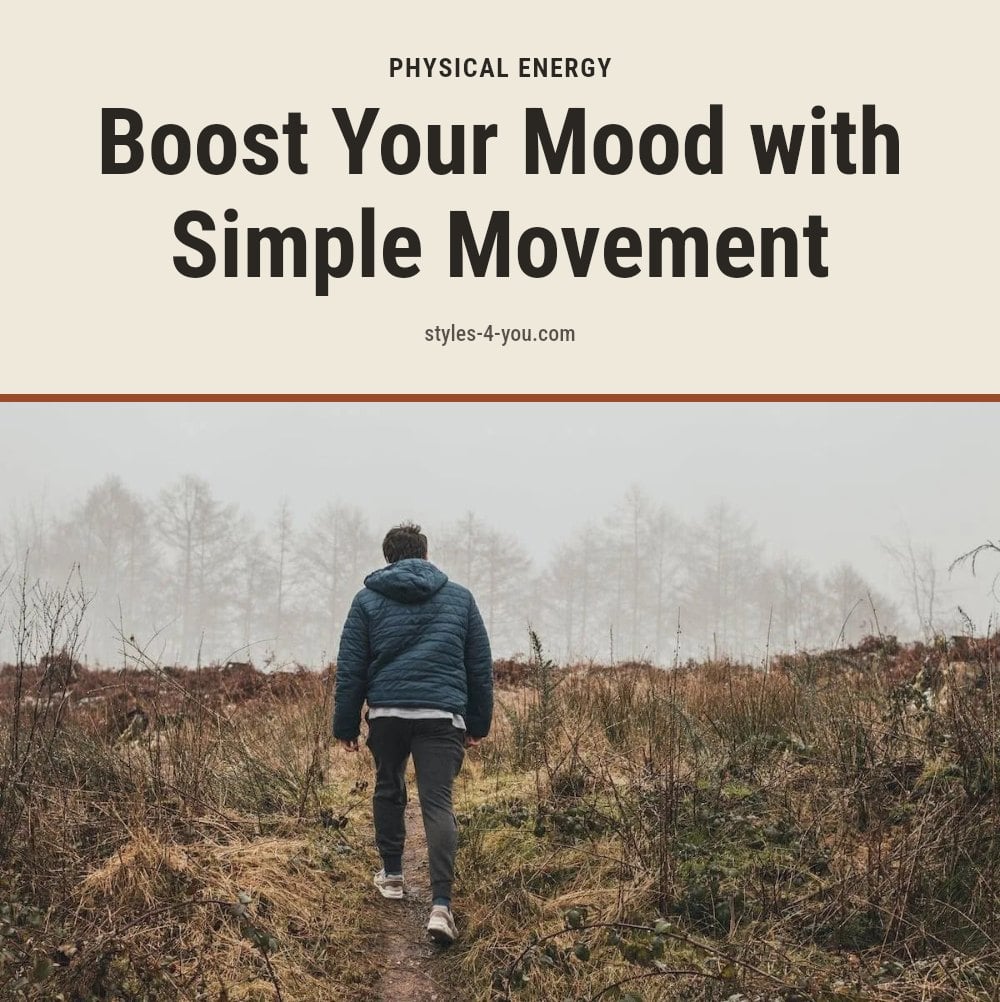
Light physical activity can break the cycle of inertia faster than almost anything else. A short walk around the block, some gentle stretching, or a few minutes of dancing in your kitchen all count. The goal isn’t fitness, it’s movement.
Moving your body supports your mental and emotional well-being by shifting your perspective and getting fresh air into your lungs. It interrupts the mental loop that keeps you feeling stuck.
Tip: This is not about an intense workout. It’s about breaking the physical stillness that often mirrors mental stagnation.
4. Connect with Support
Pick one person you trust and reach out. It can be a friend, family member, or mentor. Sharing what you’re going through often lifts some of the weight, and their perspective may reveal options you hadn’t seen.
Tip: Keep the conversation balanced. After you share how you’re feeling, ask them about their day or something they’re working on. It prevents the talk from turning into a venting session and strengthens the connection.
5. Indulge in a Hobby

Set a timer for 10-15 minutes and do something you genuinely enjoy. It could be sketching, playing an instrument, gardening, or even a crossword puzzle. The activity itself matters less than the act of stepping away from your to-do list.
Good to know: Don’t turn this into a productive task. The point is to reconnect with joy, not to finish something. Let yourself be fully present in the moment, even if it feels small.
6. Challenge Negative Thoughts
Notice the thoughts that run through your head when you feel stuck. Phrases like “I’ll never figure this out” or “Everyone else has it together” are common. Write one down, then ask yourself: Is this a fact or an interpretation?
Pro move: Look for evidence that supports the thought and evidence that challenges it. You’ll often find the negative version is based on assumption, not truth. That shift alone can open up new ways forward.
7. Learn Something New

Spend five minutes learning something you know nothing about. It could be a new recipe technique, a historical event, or how a basic household item works. The goal is to expose your brain to fresh information, not to master it.
Quick tip: A short documentary, a Wikipedia article, or a free online course module works perfectly. Curiosity pulls your attention outward, away from the loop of stuck thoughts, and often sparks ideas you didn’t expect.
8. Practice Gratitude
Write down three things you’re grateful for, no matter how small. A warm cup of coffee, a kind text from a friend, or a quiet morning all count. This practice shifts your attention from what’s missing to what’s already going well, which can improve your overall mood and outlook.
Tip: Keep a small notebook by your bed and jot down your three items before you sleep or right after waking. It takes under two minutes and sets a positive tone for your day.
9. Prioritize Self-Care Basics

Check the basics first: are you sleeping enough, eating regular meals, and drinking water? When these are off, your mental and emotional resilience drops, making it harder to take any forward step. Prioritizing sleep, food, and hydration is the foundation for clear thinking and steady motivation.
Good to know: Start with one tiny improvement, like adding a glass of water to your afternoon or going to bed 15 minutes earlier. Small changes compound quickly.
10. Set Clear Boundaries
Look at your current commitments and identify any that drain your energy without aligning with your goals or values. That could be a recurring meeting, a favor you keep saying yes to, or a social obligation you dread. Setting a boundary here frees up time and mental space for what actually matters.
Pro move: You don’t need to over-explain. A simple “No, I can’t commit to that right now” is polite, clear, and enough.
11. Embrace Imperfection
Give yourself permission to make mistakes. When you believe every move must be perfect, you’re more likely to freeze and avoid trying at all. Accepting that missteps are part of learning makes it easier to take action, even when you’re unsure.
Quick tip: Remember that every successful person has faced setbacks. It’s not about avoiding errors, it’s about continuing despite them.
12. Practice Mindfulness

Set a timer for two to three minutes and sit quietly, focusing on your breath. Mindfulness breaks the loop of overthinking by pulling your attention back to the present moment, which is where you actually have control. Tip: If sitting still feels uncomfortable, try a guided meditation, free apps like Insight Timer or Calm (the free versions) offer short sessions designed for beginners. Even one minute of focused breathing can make the next step feel less heavy.
When to Seek Professional Help
If feeling stuck comes with persistent sadness, hopelessness, or trouble getting through your daily routine, it’s worth talking to a mental health professional. These symptoms may point to something deeper than a temporary slump, and a therapist or counselor can help you sort through what’s going on. They can offer practical tools and strategies tailored to your situation, which is hard to do on your own.
Good to know: Reaching out for professional support is a sign of strength, not weakness. You don’t need to have it all figured out before you make that call.
Frequently Asked Questions
How long does it take to get unstuck?
There’s no set timeline, but many people start noticing small shifts in perspective and momentum within a few weeks of taking consistent, small steps. For some, it may take a few months to feel a real change. The key is to keep moving, even if it’s just a tiny action each day, and to be patient with the process.
Can feeling stuck be a good thing?
It can be, yes. Feeling stuck often signals that something in your life isn’t working and needs to change, which can be a catalyst for growth. It forces you to pause, reflect, and reassess your priorities. While it’s uncomfortable, that discomfort can lead to a more aligned and intentional path forward.
What if I don’t know what I want?
That’s perfectly normal and part of being stuck. Instead of trying to figure out the big picture right away, focus on what you don’t want or what feels draining. From there, take a tiny action in the opposite direction, like trying a new hobby or learning a random fact. Small experiments can help clarify what resonates with you over time.
Is it normal to feel stuck in life?
Absolutely. Feeling stuck is one of the most common human experiences. Almost everyone goes through periods where they feel stagnant in their career, relationships, or personal growth. It’s not a sign of failure, it’s a natural part of navigating change and figuring out what comes next.
What is the first step to getting unstuck?
The first step is self-reflection. Take a few minutes to ask yourself what specifically feels stuck, whether it’s your job, a relationship, or a personal goal. Naming the area helps turn a vague feeling into something you can address. From there, set one tiny, achievable goal for today to build momentum.
Final Thoughts
My tip for getting unstuck is to pick just one tiny action from this list right now, not all of them, and do it within the next hour. It might be a five-minute walk, a quick journal entry, or a single grateful thought. The goal isn’t a dramatic transformation overnight, it’s to prove to yourself that forward motion is possible. Over the next few weeks, as you repeat small steps, you’ll likely start to feel a shift in perspective and a little more clarity about where you want to go next.
This article is for general informational purposes only and is not a substitute for professional medical or mental health advice. If your feelings of being stuck are accompanied by persistent sadness, hopelessness, or difficulty functioning in daily life, please reach out to a qualified mental health professional for support.
More Blog ideas
- Your Essential Guide to a Healthy Feminine Hygiene Routine
- Best High Protein Foods to Eat Daily for Health and Energy
- Winter Skin Survival Tips
- How to Get a Flat Stomach
- How to Fix Damaged Hair and Restore Its Health
- Full-Body Kettlebell Workout
- Dry Scalp vs. Dandruff
- Full Body Workout for Beginners
- 21 Easy Beauty Tips Every Woman Should Know
- Feminine Energy: 15 Daily Habits to Feel More Radiant
- Upper Body Workout for Women at Home
- Witch Hazel Uses: 15 Ways to Use It in Your Beauty Routine






