How to Apply SPF Every Day: Simple Rules for Real Protection
Learn how to apply SPF correctly every day for optimal sun protection. Get practical tips to prevent sun damage and reduce skin cancer risk.

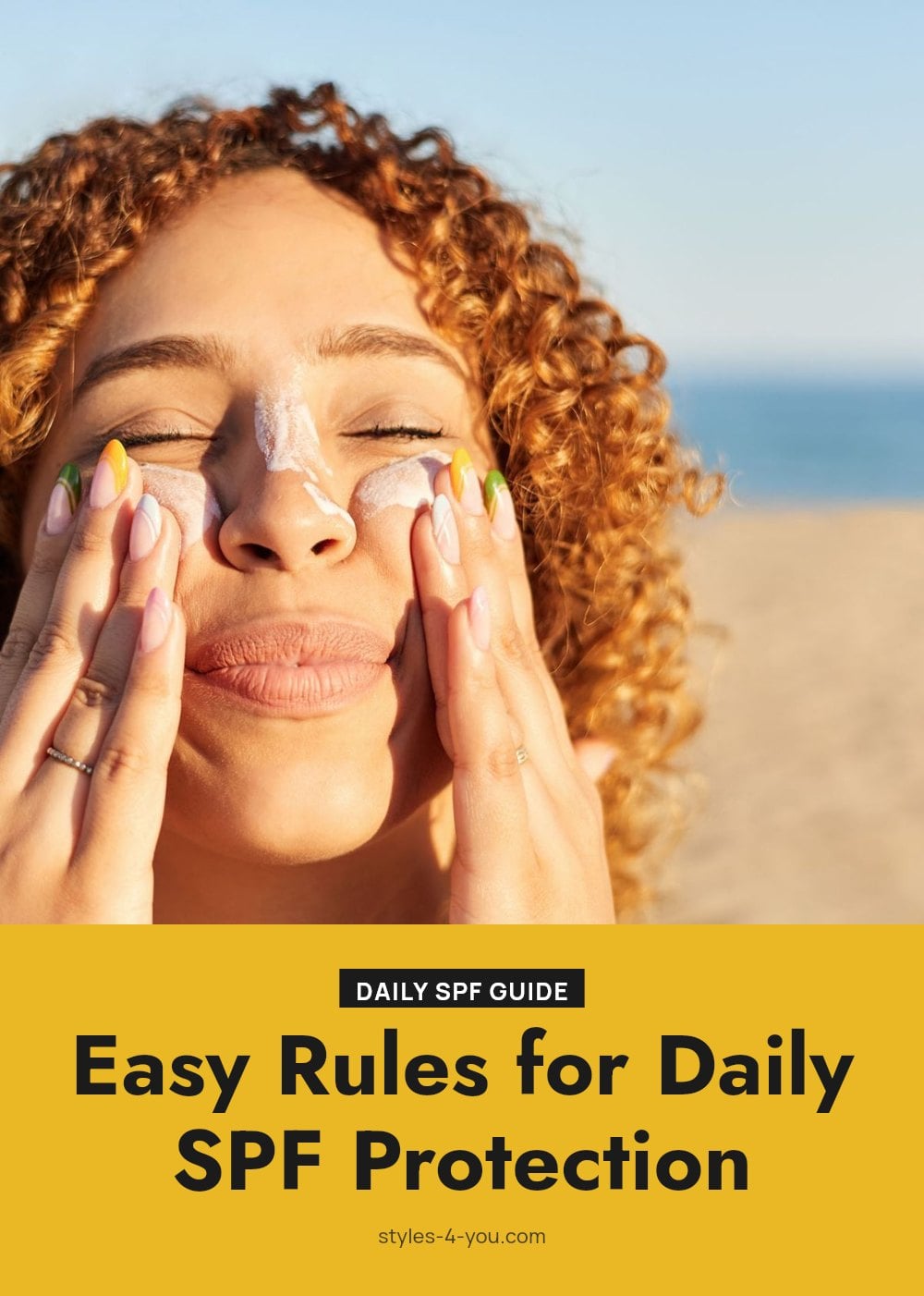
You know you should wear sunscreen every day, but getting the protection you actually need comes down to a few simple rules. Whether you’re heading to the office or just sitting by a window, UV rays can reach your skin. This article breaks down how to choose, apply, and reapply SPF correctly so you get real protection without the guesswork.
Key Takeaways
- Apply a broad-spectrum sunscreen with SPF 30 or higher to all exposed skin.
- Use a nickel-sized dollop for your face and neck, and a shot glass full for your body.
- Reapply sunscreen every two hours, or more often after swimming or sweating.
- Wear sunscreen daily, even on cloudy days and when indoors near windows.
- Don’t rely on makeup with SPF alone; use a dedicated sunscreen underneath.
What SPF Is and Why You Need It Daily
SPF stands for Sun Protection Factor, and it measures how well a sunscreen protects your skin from UVB rays, the kind that cause sunburn. You need it every day, even when it’s cloudy or you’re indoors near a window, because UV radiation can pass through clouds and glass. Daily use helps prevent sun damage and lowers your risk of skin cancer. My tip: always choose a broad-spectrum formula with SPF 30 or higher, so you also get UVA protection.
Your Essential SPF Toolkit for Daily Protection
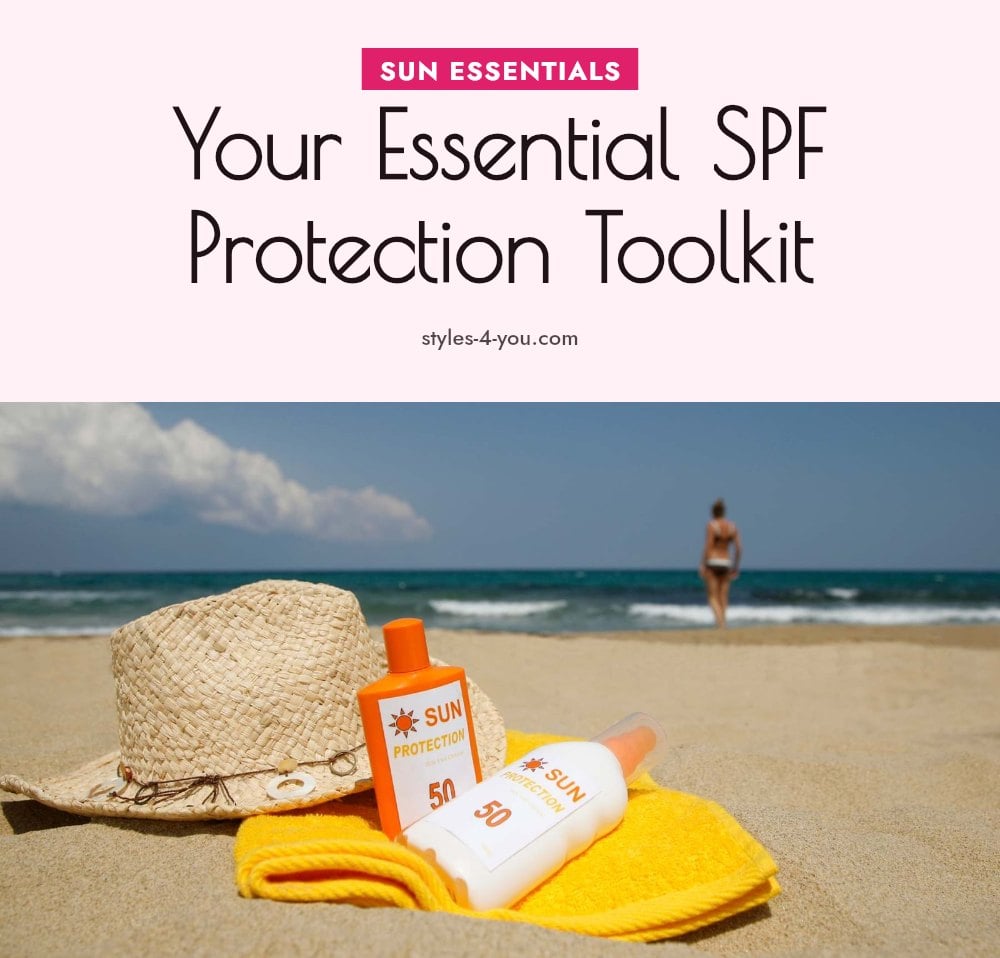
To protect your skin every day, keep these essentials within reach:
- Broad-spectrum sunscreen: Choose a lotion, cream, stick, or spray with SPF 30 or higher.
- Moisturizer with SPF: Great for light, daily wear when you’re mostly indoors.
- Lip balm with SPF: Your lips need protection too, and regular balm won’t cut it.
- Protective clothing: A wide-brimmed hat and sunglasses add a physical barrier against UV rays.
How to Apply Sunscreen Correctly for Maximum Protection
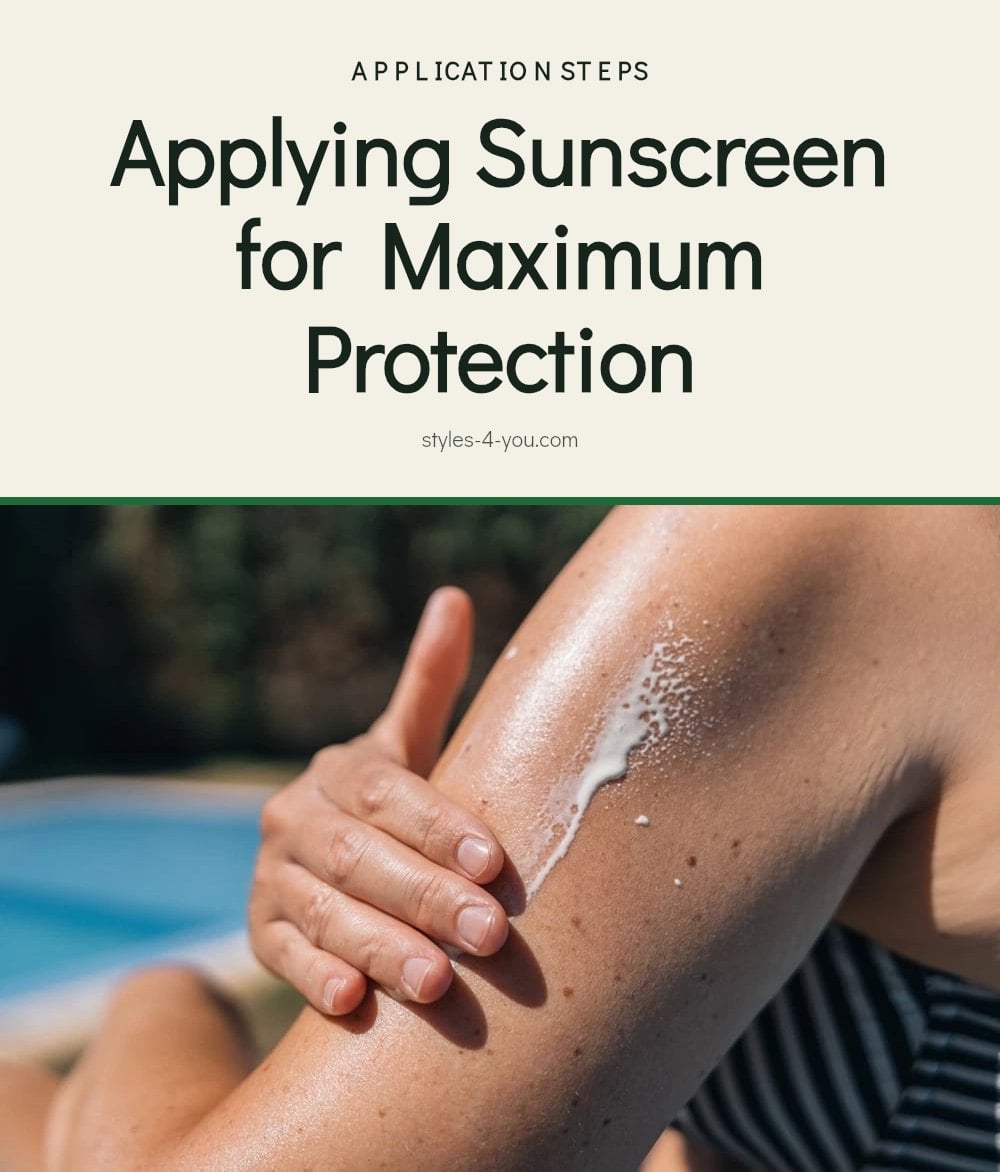
Applying sunscreen correctly makes a real difference in how well it works. Here’s my routine:
- Apply last: Put sunscreen on as the final step of your skincare routine, right before makeup. This way it forms a proper barrier on your skin.
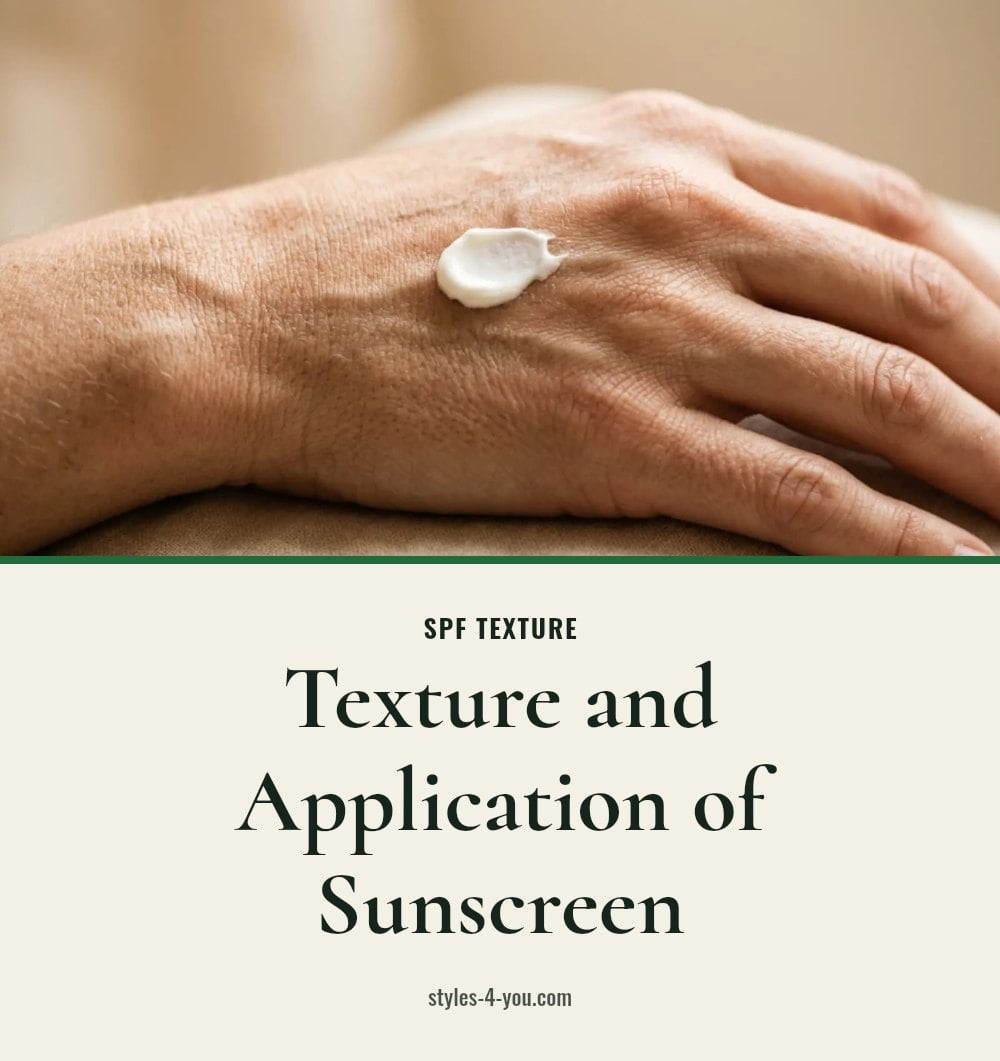
- Measure the amount: Use about a nickel-sized dollop for your face and neck. That’s roughly the amount you need to get the SPF stated on the bottle.
- Time it right: Apply sunscreen 15 to 30 minutes before you go outside. This gives it time to bind to your skin and create that protective layer, so don’t rush out the door right after applying.
- Cover everything: Don’t stop at your face. Cover your ears, the back of your neck, your hands, and your feet. If you have thinning hair, apply some to your scalp or wear a hat.
- Reapply often: Reapply every two hours, or more often if you’re swimming or sweating. Sunscreen wears off, and no product lasts all day.
Common SPF Mistakes That Leave Your Skin Vulnerable
Even with the best intentions, it’s easy to make mistakes that leave your skin vulnerable. Here are the big ones:
- Not applying enough: If you use too little, you get far less protection than the SPF number suggests. Most people use about half the needed amount.
- Skipping reapplication: Sunscreen breaks down over time. Forgetting to reapply every two hours, especially after swimming or sweating, leaves you exposed.
- Trusting makeup with SPF: Makeup with SPF rarely provides full coverage, and you’d need to apply a lot to match a sunscreen’s protection. It’s not enough on its own.
- Only using it on sunny days: UV rays are present even when it’s cloudy, so skipping on overcast days is a mistake.
- Forgetting missed spots: The back of your neck, ears, and scalp (if you have thinning hair) are common areas that get burned because they’re overlooked.
Best Tips for Consistent SPF Use
My tip: Keep your sunscreen next to your toothbrush or moisturizer so you see it every morning. That visual reminder makes daily application automatic.
Don’t forget the spots most people skip: ears, neck, hands, feet, and your scalp if you have thinning hair. Check the expiration date too. Expired sunscreen loses its effectiveness, so replace it when the date passes.
Layer up for extra protection. Combine sunscreen with a wide-brimmed hat, sunglasses, and protective clothing. If you have sensitive skin, choose a mineral sunscreen with zinc oxide or titanium dioxide. It sits on top of the skin and is less likely to cause irritation.
When to Consult a Dermatologist About Sun Protection
If you get a rash, itching, or irritation after applying sunscreen, stop using it and see a dermatologist. They can help identify the cause and recommend an alternative.
See a dermatologist for any persistent skin concerns related to sun exposure, such as unusual moles or changes in skin texture. If you have a personal or family history of skin cancer, ask about personalized advice and regular skin screenings.
For infants under six months old, do not use sunscreen. Keep them out of direct sun and always consult a pediatrician for guidance.
Frequently Asked Questions
What is the difference between SPF 30 and SPF 50?
SPF 30 blocks about 97% of UVB rays, while SPF 50 blocks about 98%. The difference is small, but SPF 50 gives a bit more protection. No sunscreen blocks 100% of UV rays, so reapplication and proper amount matter more than the number alone.
Can I use a moisturizer with SPF as my only sunscreen?
A moisturizer with SPF is fine for light, daily wear when you’re mostly indoors. However, for extended outdoor time or direct sun exposure, use a dedicated broad-spectrum sunscreen with SPF 30 or higher. Makeup with SPF alone usually doesn’t provide enough coverage.
How much sunscreen do I need for my body?
For your entire body, use about one ounce, which is roughly the amount that fills a shot glass. For your face and neck, aim for a nickel-sized dollop. Using too little reduces the protection you get from the SPF number on the bottle.
Does sunscreen expire?
Yes, sunscreen expires. Check the expiration date on the bottle. If there’s no date, most sunscreens are good for up to three years from the purchase date. Using expired sunscreen can leave you with less protection than expected, so replace it if it’s past its date.
Should I wear SPF indoors?
Yes, you should wear SPF indoors if you spend time near windows. UV radiation can penetrate glass, so you’re still exposed while sitting by a window at home or in the office. Apply sunscreen daily regardless of whether you’re staying inside or going out.
Final Thoughts
Stick with a broad-spectrum sunscreen of SPF 30 or higher and apply it every morning as the last step in your skincare routine. Expect to reapply every two hours if you’re outside or near a window for extended periods. Make it a habit by keeping your sunscreen next to your toothbrush, and your skin will thank you for the consistent protection.
This article is for general informational purposes only and does not constitute medical or professional advice. Sun protection needs can vary based on skin type and health conditions. For persistent skin concerns, unusual moles, or reactions to sunscreen, consult a dermatologist or healthcare professional.
More Blog ideas
- Your Essential Guide to a Healthy Feminine Hygiene Routine
- Best High Protein Foods to Eat Daily for Health and Energy
- Feeling Stuck: 12 Small Steps to Get Unstuck
- Winter Skin Survival Tips
- How to Get a Flat Stomach
- How to Fix Damaged Hair and Restore Its Health
- Full-Body Kettlebell Workout
- Dry Scalp vs. Dandruff
- Full Body Workout for Beginners
- 21 Easy Beauty Tips Every Woman Should Know
- Feminine Energy: 15 Daily Habits to Feel More Radiant
- Upper Body Workout for Women at Home






