Master the Art of Shaping Nails for Beautiful Hands
Shaping nails: Learn how to shape your nails at home for a polished look. Discover the best nail shapes and techniques to enhance your hands and prevent damage.

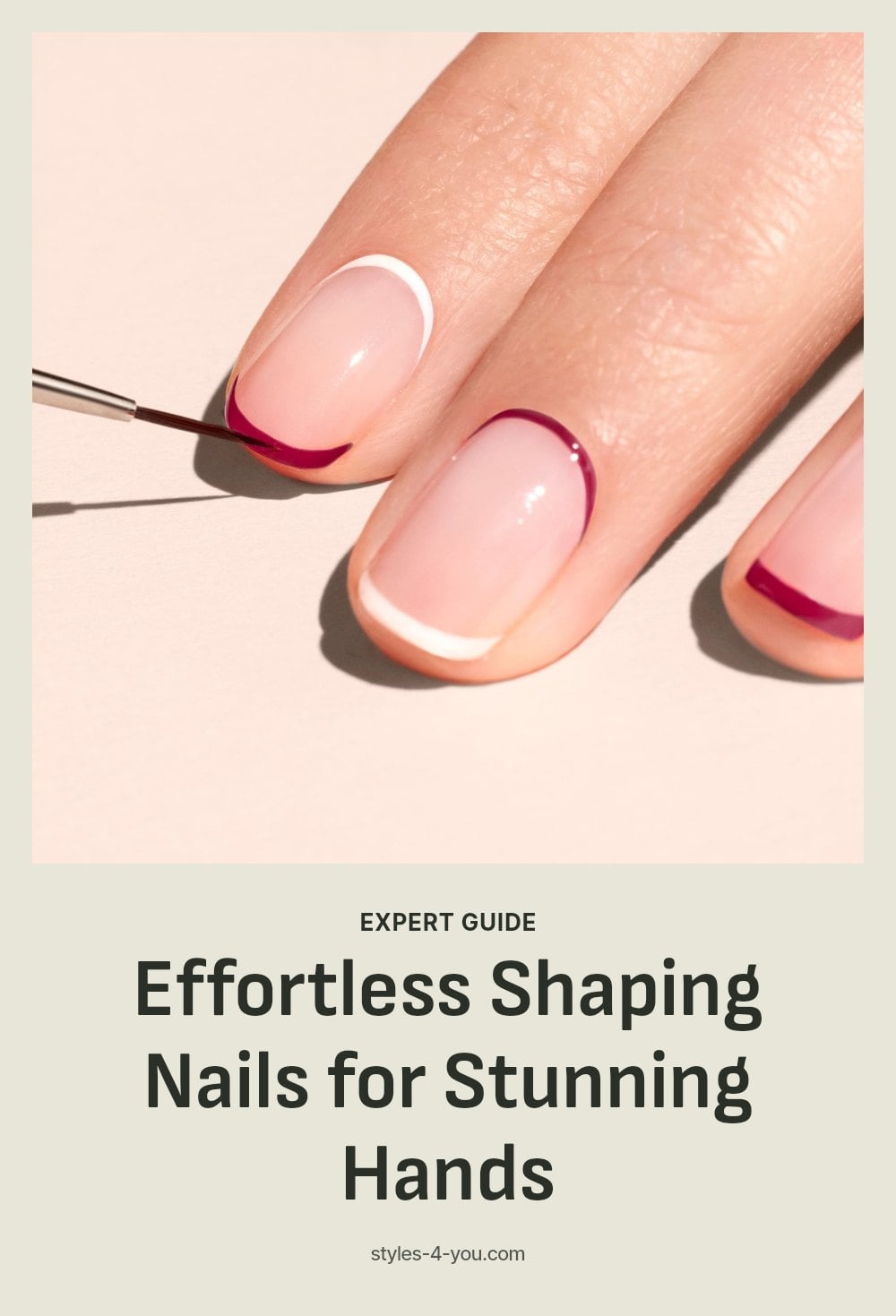
You might not think about it, but the shape of your nails can completely change the look of your hands. Whether you want to make your fingers appear longer or just keep your nails healthy and strong, learning the right way to shape them is key. This article covers the most popular nail shapes, a step-by-step filing technique, and how to pick the best shape for your hands.
Key Takeaways
- Always file nails in one direction, from the side to the center, to prevent splitting.
- Choose a nail file with a grit of 180 to 200 for natural nails to avoid weakening them.
- Oval and almond shapes can visually lengthen fingers, while square shapes can make hands appear wider.
- Reshape your nails every 1-2 weeks to maintain the desired look as they grow.
- Keep nails completely dry before filing to reduce the risk of breakage and tearing.
What is Nail Shaping and Why Does it Matter?
Nail shaping is the process of filing your nails into a specific form, such as square, oval, or almond, to improve how they look. Choosing the right shape can visually lengthen your fingers, complement your hand shape, and even help prevent damage like splitting or breakage. But technique matters just as much as the shape itself: filing correctly keeps your nails strong and healthy, while a sloppy job can weaken them. My tip: always start with dry nails and a gentle grit file to protect the nail plate.
Tools You’ll Need for Perfect Nail Shaping
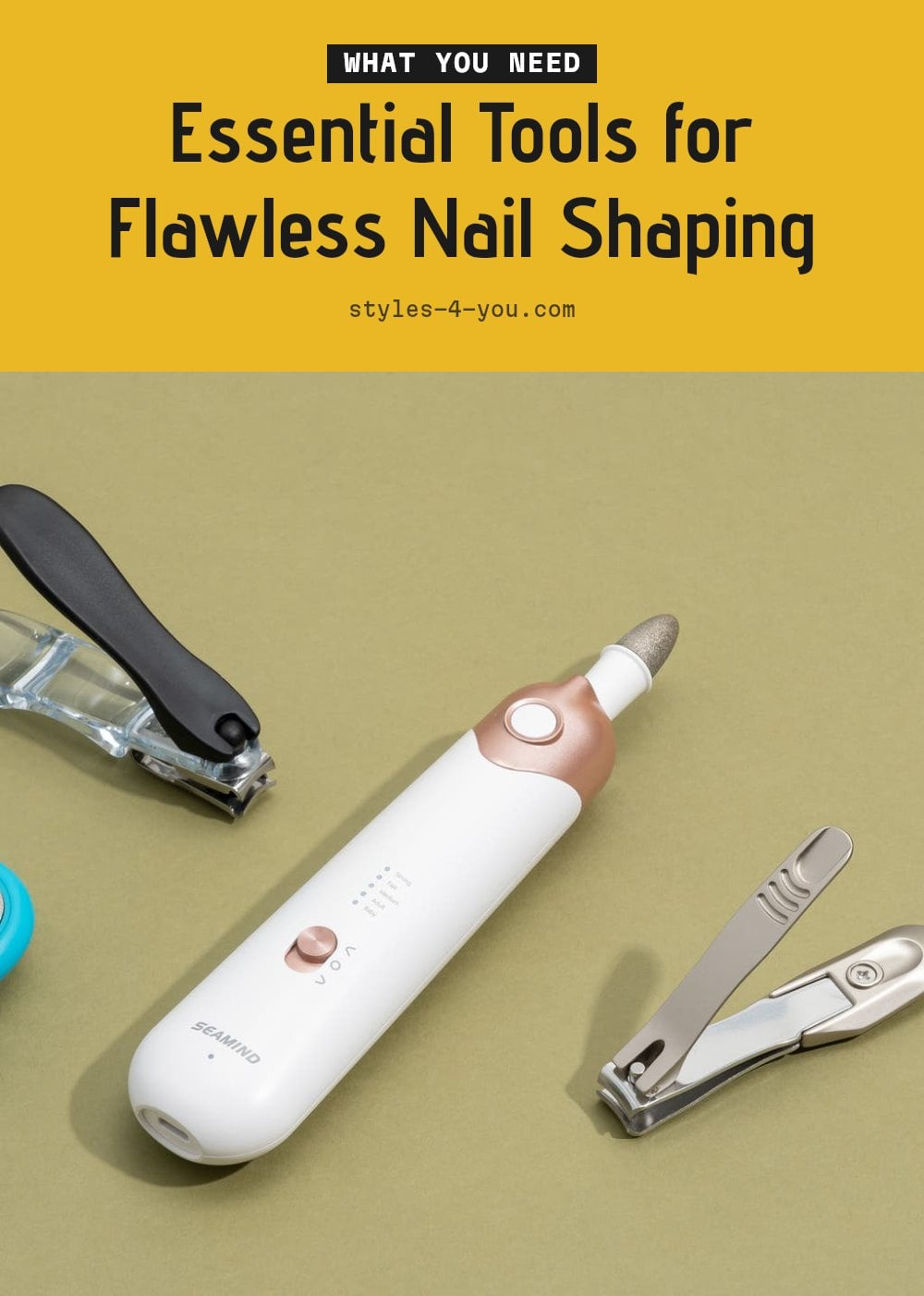
Before you start shaping, gather these essentials:
- Nail file: Choose a gentle grit file, nothing coarser than 180 grit (like an emery board or 200 grit), to prevent splitting.
- Nail clippers: Optional, but helpful for significantly reducing length before you begin filing.
- Nail buffer: Use it after shaping to smooth the nail surface and remove any rough edges.
- Cuticle oil: Moisturizes cuticles and promotes overall nail health.
- Hand cream: Keeps your hands hydrated after filing, which reduces brittleness.
Step-by-Step: How to Shape Your Nails Like a Pro
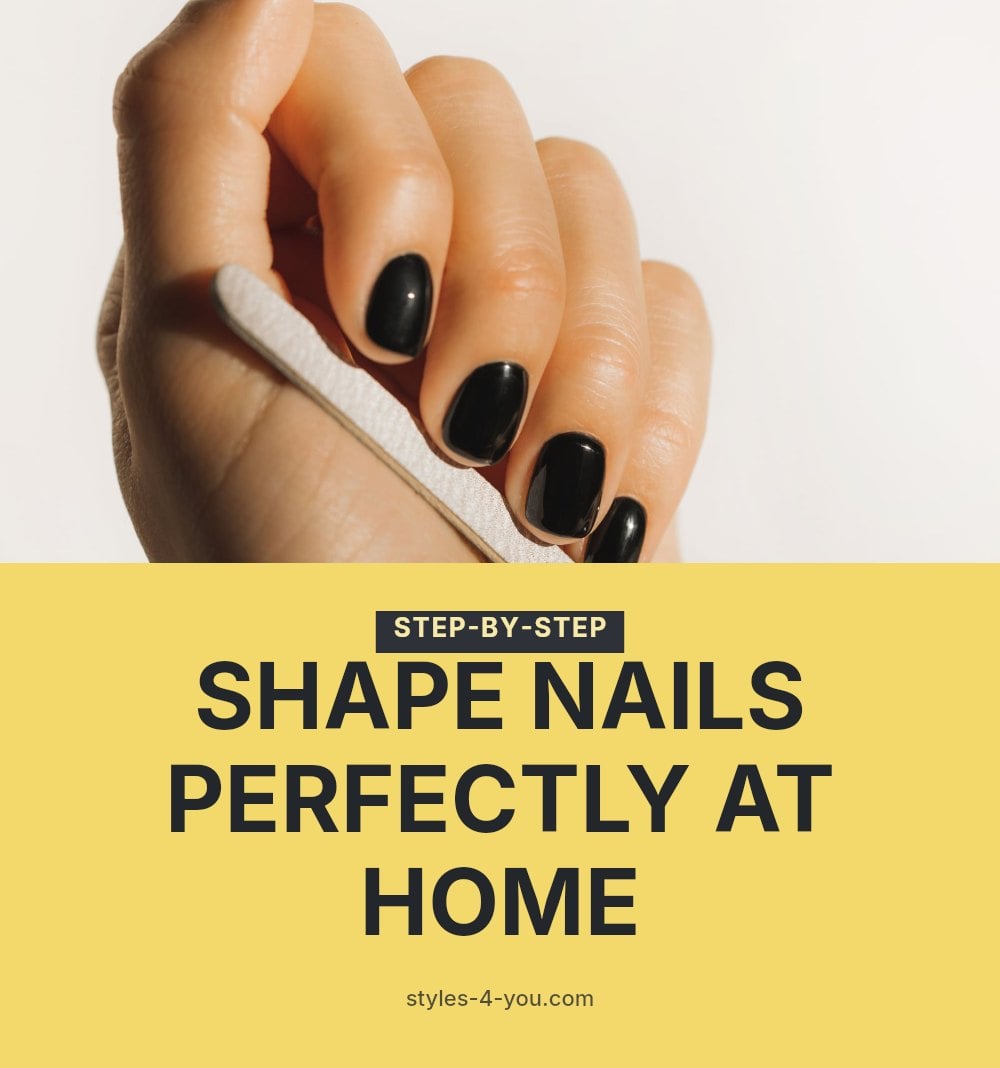
Follow these steps for a professional-looking shape at home. Always start with completely dry nails to prevent weakening and breakage.
- Reduce length if needed: Use nail clippers to trim your nails to your desired length, then switch to a gentle grit file (180-200 grit) for shaping.
- File in one direction: Always file from the side of the nail toward the center, never sawing back and forth. This prevents splitting and fraying.
- Give your file an angle: Hold the file at a slight angle to the nail edge to maintain a uniform shape as you work.
- Shape squoval nails: File straight across the top, then gently round the corners by angling the file, don’t make them fully round or you’ll get a square-round, not a true squoval.
- Shape round nails: Follow the natural curve of your fingertip, filing from the sides to the center in one direction.
- Shape oval nails: File more steeply at the sides than you would for round nails, creating an elongated egg shape. Be careful not to file too deep into the skin walls.
- Shape almond nails: Taper the sides toward a soft, rounded point, resembling an almond. Avoid digging your file into the natural nail sidewalls, which can detach the nail from the nail bed or cause ingrowns.
- Shape coffin nails: Taper the sides significantly, then file the tip flat and squared-off. Don’t cut the nails directly into a coffin shape, as you might remove too much from one side.
If you learn better by watching, this 12-minute video from Paola Ponce Nails shows every step.
Choosing the Best Nail Shape for Your Hands
Your natural nail bed and finger length should guide your choice. Here’s how common shapes compare:
| Shape | Best For | Aesthetic |
|---|---|---|
| Square | Shorter nails, can make hands appear wider | Bold, clean lines |
| Round | Classic, low-maintenance look | Follows natural fingertip curve |
| Oval | Elongating fingers | Elegant, elongated |
| Almond | Making fingers appear longer and slimmer | Tapered, soft rounded tip |
| Coffin | Longer nail length, dramatic style | Tapered sides, flat tip |
Consider your natural nail bed and finger length when selecting a shape to ensure a flattering, easy-to-maintain result.
Common Nail Shaping Mistakes to Avoid
Filing wet nails: Always ensure your nails are completely dry before filing, as wet nails are weaker and more prone to tearing and breakage.
Sawing back and forth: This motion creates micro-tears and weakens the nail plate. Instead, file in one consistent direction, from the side to the center.
Using overly coarse files: Files coarser than 180 grit can cause natural nails to split and weaken. Stick to gentle grit files like emery boards or 200 grit.
Filing too deep into sidewalls: Especially for almond and coffin shapes, digging into the natural nail sidewalls can detach the nail from the nail bed or lead to ingrowns.
Ignoring your natural nail bed: Choosing a shape that doesn’t complement your natural nail bed or finger proportions can look unnatural or be difficult to maintain.
Cutting coffin nails to shape initially: Don’t cut nails directly into a coffin shape; you might remove too much. Instead, file the taper first, then square off the tip.
Pro Tips for Healthier, Stronger Nails
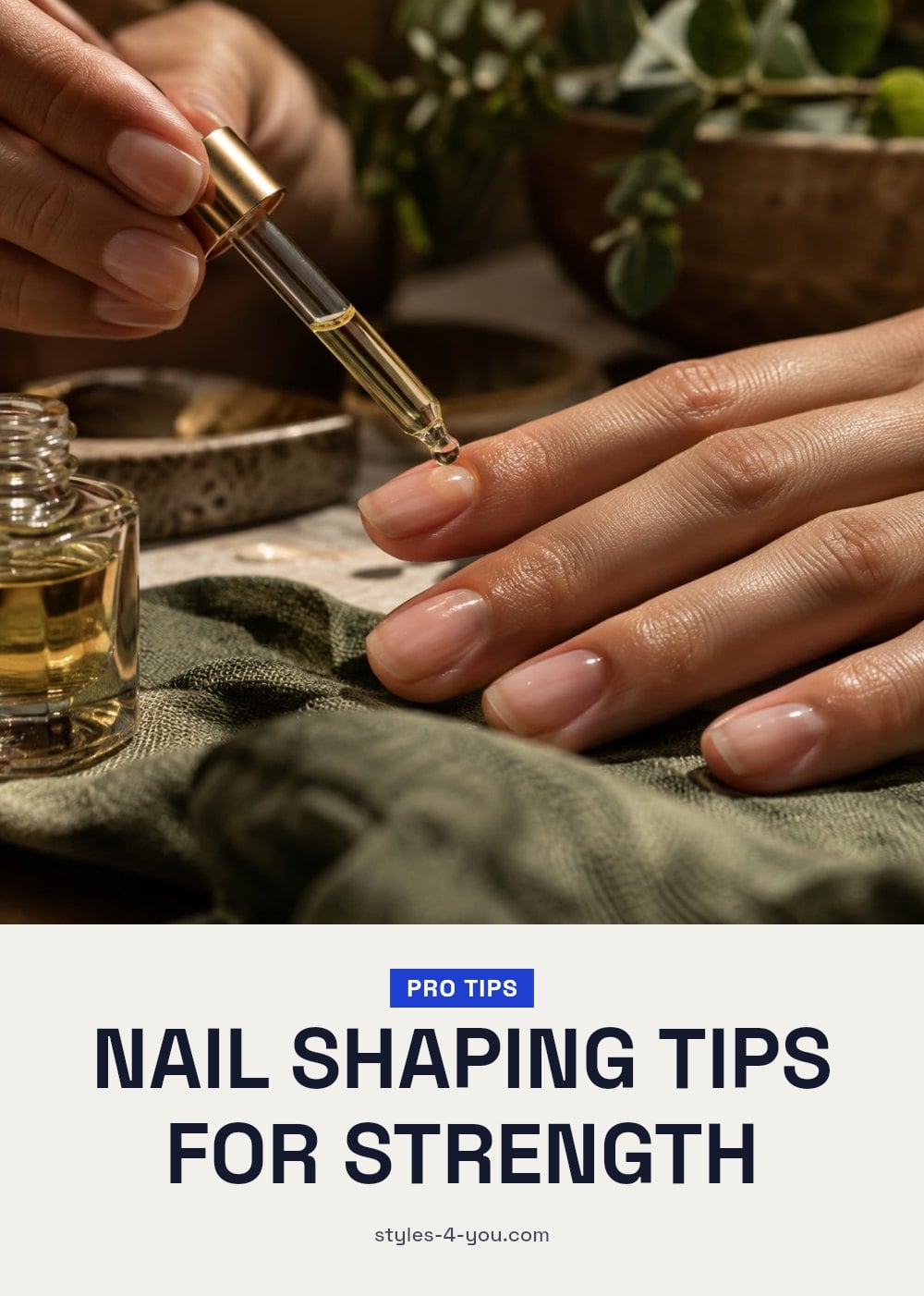
Moisturize regularly: Apply cuticle oil and hand cream daily to keep nails and surrounding skin hydrated, preventing brittleness and promoting growth.
Assess your natural shape: Before choosing a new shape, look at your natural nail bed and finger length. Some shapes can visually lengthen or shorten fingers, so pick one that complements your hand.
Use a fine-grit for finishing: After initial shaping, switch to a finer grit file or buffer to smooth edges and prevent snags, giving your nails a polished finish.
Trim hangnails carefully: Never pull or tear hangnails. Instead, use clean, sharp cuticle nippers to trim them carefully to prevent further tearing or infection.
Protect your nails: Wear gloves when doing household chores or gardening to protect your nails from harsh chemicals and physical damage.
Maintaining Your Beautifully Shaped Nails
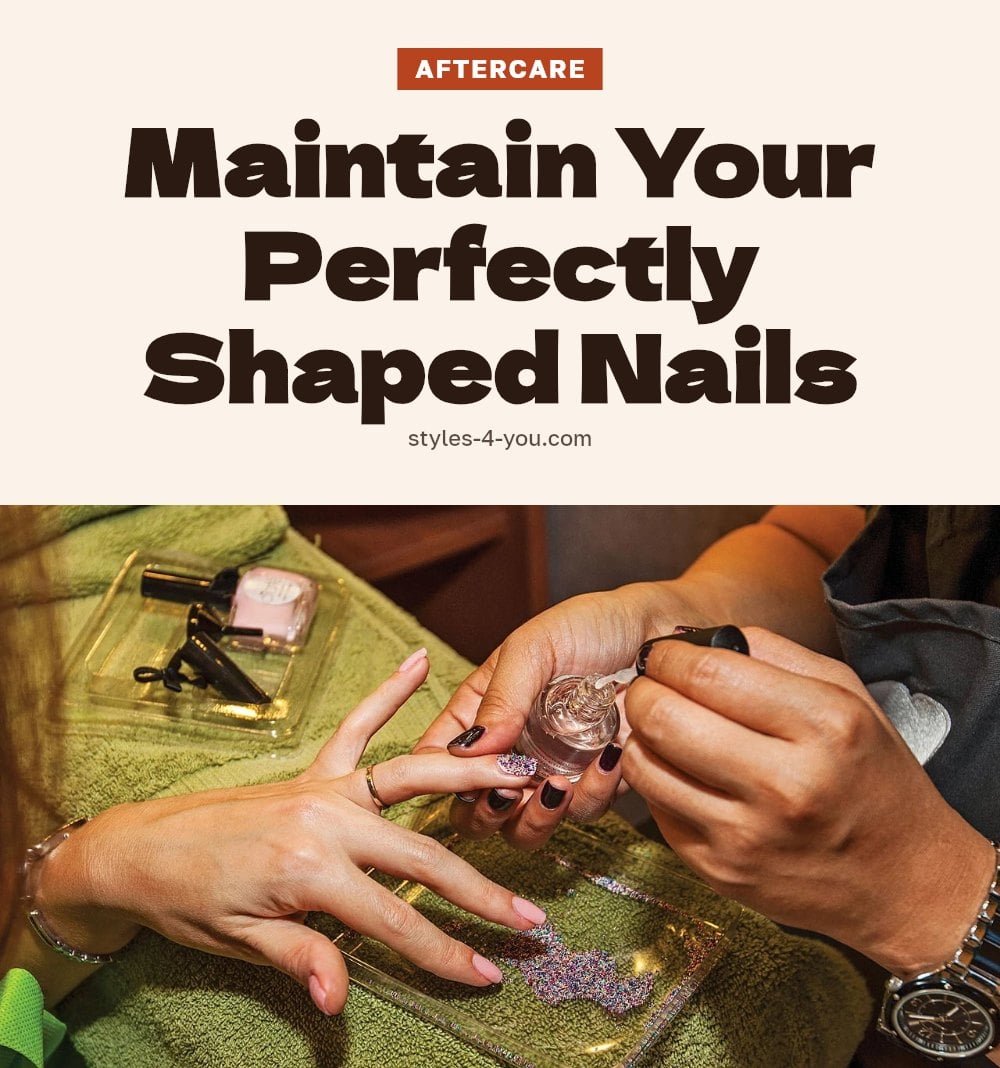
Reshape regularly: File your nails every 1-2 weeks, depending on your nail growth and how quickly your desired shape changes.
Moisturize cuticles: Apply cuticle oil daily to keep cuticles soft and nourished, which supports healthy nail growth.
Keep nails clean and dry: This prevents bacterial or fungal growth that can compromise your nails.
Use a base coat: Apply a strengthening base coat before polish to protect your nails and help maintain their shape.
When to Consult a Professional About Your Nails
Persistent issues: If you experience ongoing splitting, breakage, or discoloration that doesn’t improve with at-home care, consult a dermatologist.
Suspected infection: Redness, swelling, pain, or pus around the nail requires immediate medical attention.
Complex needs: If you’re unsure about proper technique or have complicated nail concerns, a professional nail technician can provide guidance and services.
Frequently Asked Questions
Can I change my nail shape often without damaging my nails?
Yes, you can change your nail shape as often as you like, but it depends on how much length you need to remove. Switching from a round to a square shape, for example, requires filing off less nail than going from square to almond. If you change shapes frequently, just be careful not to over-file, which can thin the nail plate over time.
What’s the difference between oval and almond nails?
Oval nails are filed to follow the natural curve of the fingertip but with slightly tapered sides, creating a soft, elongated look. Almond nails are more dramatic: they are tapered more steeply at the sides and come to a rounded point, resembling the shape of an almond. Almond nails generally require more length to achieve the look.
Are glass files better than emery boards?
Glass files can be a great option because they are gentle on the nail and tend to seal the edge, which may help prevent splitting. Emery boards are also effective, especially if you choose one with a fine grit (180-200). Both work well; just avoid metal files, as they can be too harsh and cause damage.
What nail shape makes fingers look longer?
Oval and almond shapes are best for making fingers appear longer and slimmer. These shapes taper at the sides and extend the visual line of the finger. Square and round shapes, by contrast, can make fingers look shorter or wider.
How do I choose the right nail shape for my hands?
Look at your natural nail bed and finger length. If your fingers are short, an oval or almond shape can visually elongate them. If your nails are naturally wide or you prefer a bold look, a square shape might work well. The goal is to complement your hand’s proportions, so consider what you want to emphasize.
Final Thoughts
For a classic, low-maintenance look that works on almost any hand, start with a round or oval shape. You can expect to file your nails every 1 to 2 weeks to keep the shape fresh as they grow. The most important thing is to always file gently and in one direction to keep your nails strong and healthy.
More Blog ideas
- Your Essential Guide to a Healthy Feminine Hygiene Routine
- Best High Protein Foods to Eat Daily for Health and Energy
- Feeling Stuck: 12 Small Steps to Get Unstuck
- Winter Skin Survival Tips
- How to Get a Flat Stomach
- How to Fix Damaged Hair and Restore Its Health
- Full-Body Kettlebell Workout
- Dry Scalp vs. Dandruff
- Full Body Workout for Beginners
- 21 Easy Beauty Tips Every Woman Should Know
- Feminine Energy: 15 Daily Habits to Feel More Radiant
- Upper Body Workout for Women at Home