Bald Spots: 8 Natural Ways to Support Hair Regrowth
Discover 8 natural approaches to support hair regrowth and scalp health for bald spots. Learn about essential oils, diet, and gentle hair care.

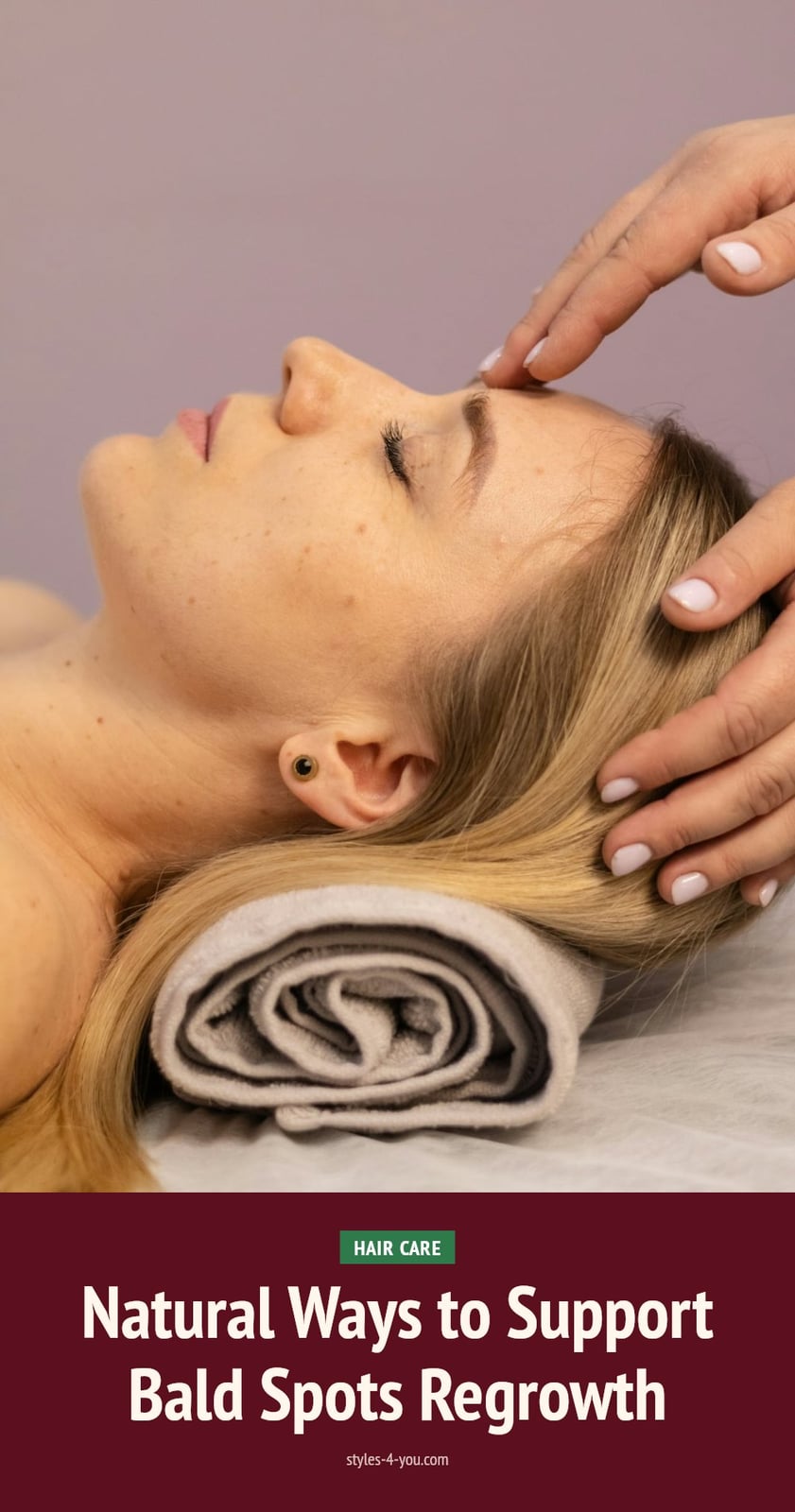
Noticing a bald spot can feel alarming, but you’re not alone, and there are natural steps you can take to support your hair’s regrowth. Whether your thinning is due to stress, genetics, or styling habits, this article covers eight gentle, research-backed methods to improve scalp health and encourage new growth from home.
From nutrient-rich foods to essential oils and stress management, these approaches focus on what you can control. Keep in mind that natural remedies take time and consistency, and some causes of hair loss require a professional’s help.
Key Takeaways
- Massage your scalp daily for 5-10 minutes to boost blood flow to follicles.
- Always dilute essential oils like rosemary or peppermint with a carrier oil before applying.
- Eat a diet rich in iron, zinc, biotin, and vitamins D and B12 for hair health.
- Manage stress with meditation or yoga to help prevent stress-related hair loss.
- See a dermatologist if hair loss is sudden, severe, or accompanied by other symptoms.
Understanding Bald Spots and Natural Approaches
Bald spots can appear for many reasons, from genetics and hormonal changes to stress or nutritional gaps. Natural approaches aim to improve scalp health and boost the nutrient supply to hair follicles, which may support regrowth over time. Since some causes, like alopecia areata or thyroid issues, require medical care, always consult a doctor or dermatologist to rule out underlying conditions before starting any treatment.
1. Gentle Scalp Massage for Circulation
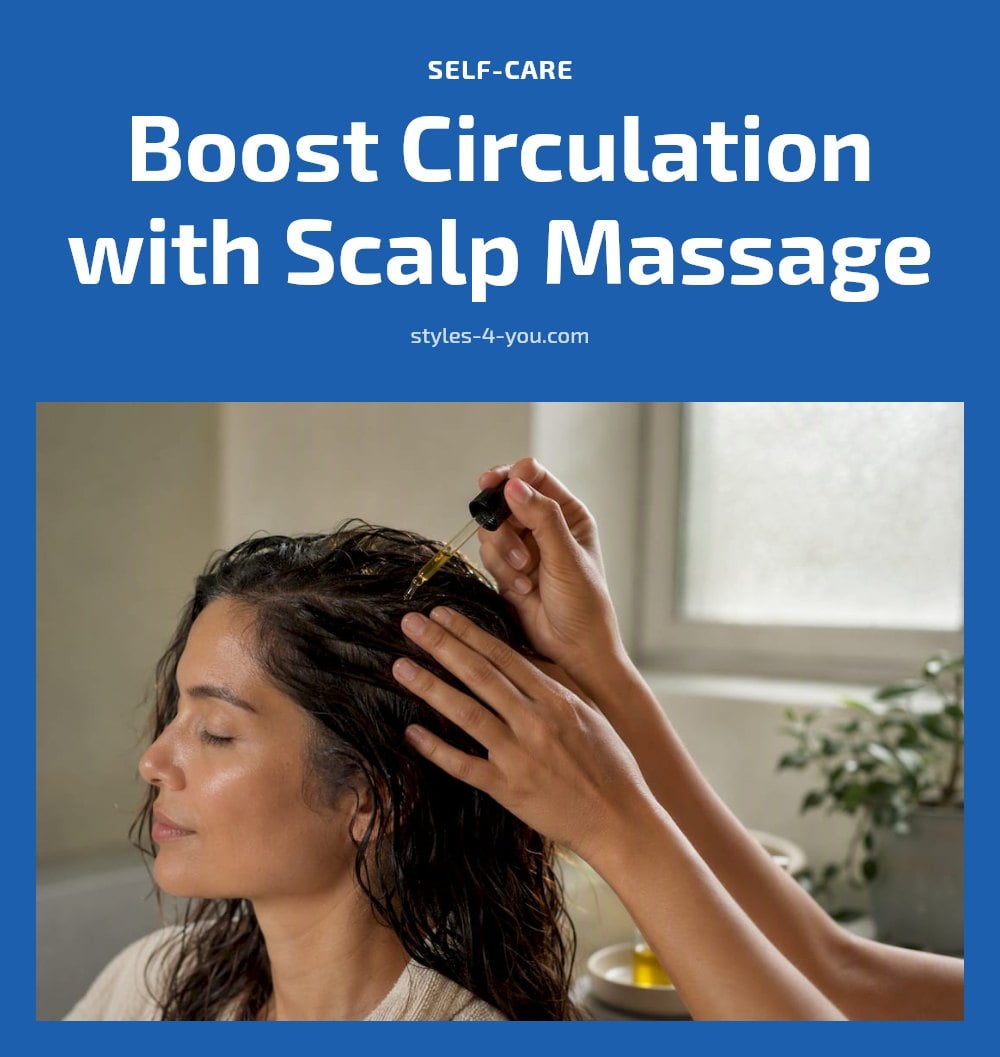
Regular scalp massage can increase blood flow to hair follicles, which may encourage growth. Use your fingertips to press into your scalp in small circular motions for 5 to 10 minutes each day. My tip: If you want to add essential oils for extra stimulation, first dilute a few drops in a carrier oil like jojoba or coconut oil, then apply the mixture to your fingertips before massaging. The carrier oil nourishes the scalp and reduces friction, making the massage more comfortable and effective.
2. Nourish with Rosemary and Peppermint Oils
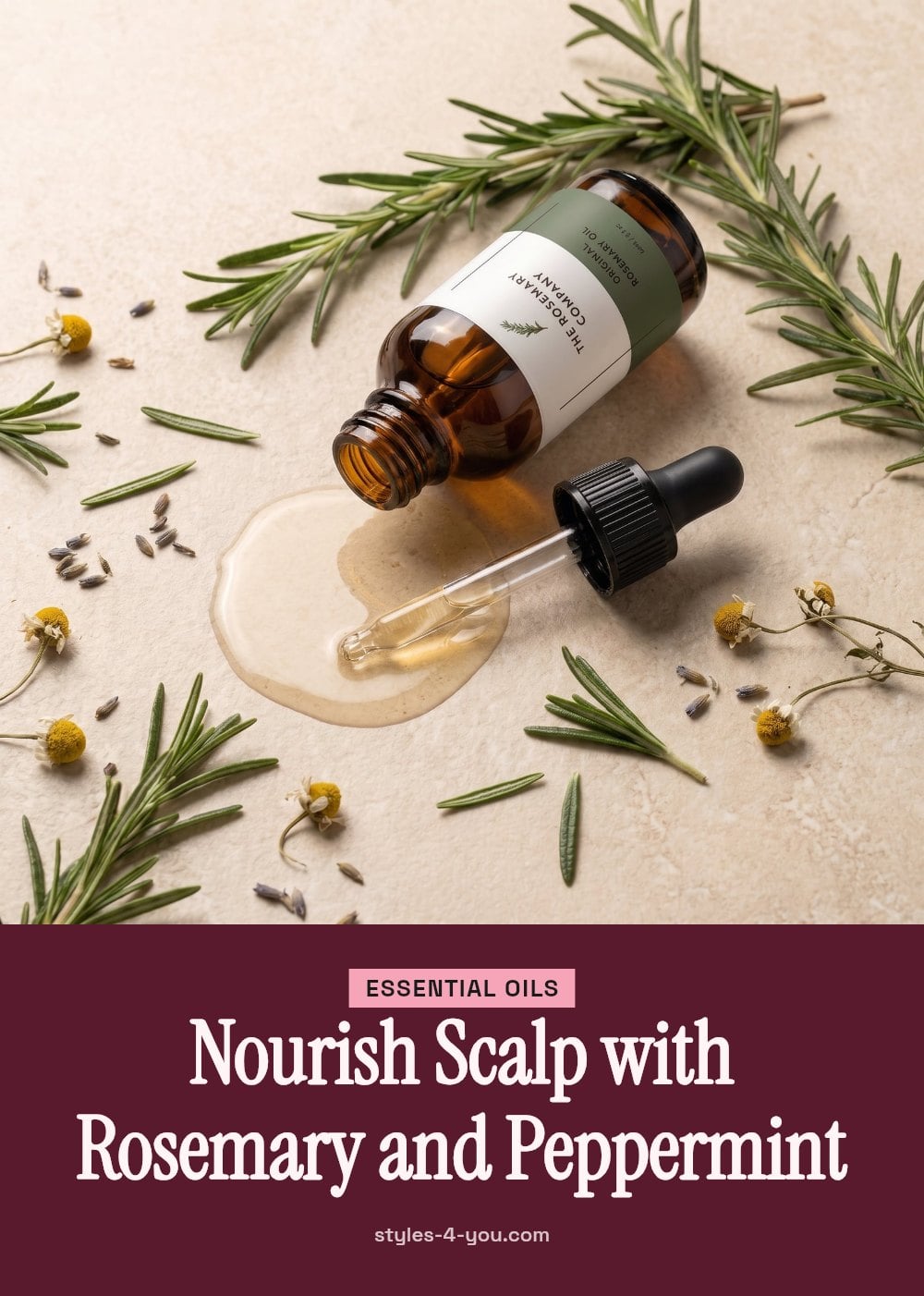
Rosemary and peppermint essential oils are popular for their potential to stimulate the scalp. Always dilute 2 to 3 drops of essential oil in one tablespoon of a carrier oil like jojoba or almond oil. Apply the mixture directly to your bald spots and massage gently. Leave it on for at least 30 minutes before washing your hair. Caution: Do a patch test on your inner arm first to check for irritation. If you feel any redness, itching, or burning, wash the mixture off immediately. Never apply undiluted essential oils to your scalp.
3. Prioritize a Nutrient-Rich Diet

A balanced diet supplies the raw materials your hair needs to grow. Focus on foods rich in iron, zinc, biotin, and vitamins D and B12. Leafy greens, nuts, seeds, eggs, and lean proteins like chicken or fish are excellent sources. My tip: Think of your plate as a rainbow. Including a variety of colorful vegetables, fruits, and whole foods helps ensure you get a wide range of nutrients that support hair health.
4. Manage Stress Effectively
High stress levels can trigger telogen effluvium, a temporary form of hair loss where follicles enter a resting phase prematurely. Incorporate stress-reducing activities into your daily routine to help counteract this.
- Meditation: Even 5 to 10 minutes of mindfulness each day can lower cortisol levels.
- Yoga: Combines movement with deep breathing, which may improve circulation to the scalp.
- Deep breathing: Inhale for four counts, hold for four, exhale for four to activate the relaxation response.
Adequate sleep is also vital for overall well-being and hair health. Aim for 7 to 9 hours per night to allow your body to repair and regulate stress hormones.
5. Use Gentle Hair Care Practices
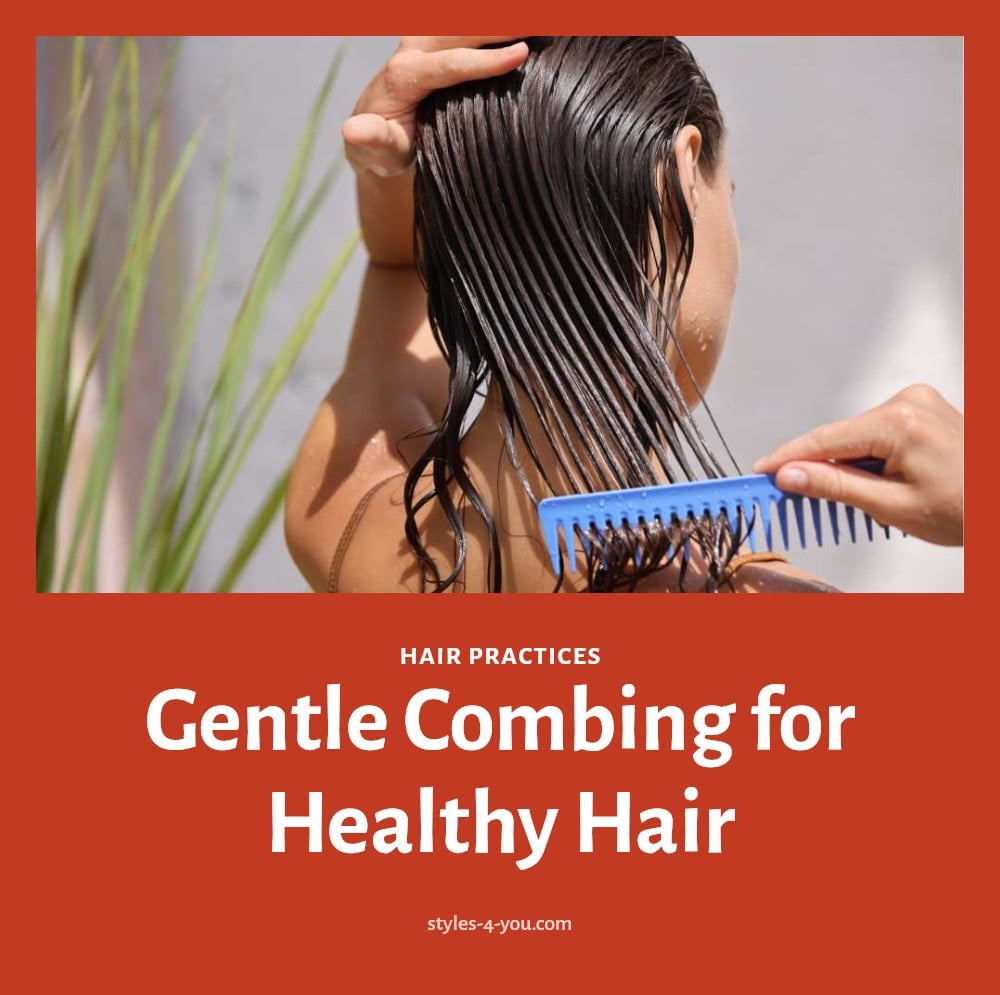
Avoid tight hairstyles that pull on hair follicles, like braids, buns, or high ponytails, to prevent traction alopecia. Opt for sulfate-free shampoos and conditioners to protect your scalp’s natural oils.
Tip: Always detangle wet hair with a wide-tooth comb, starting from the ends and working upward. This reduces breakage and minimizes stress on the hair shaft.
Choose gentle styling tools like soft scrunchies or claw clips instead of elastic bands that grip tightly. Wash your hair with lukewarm water, not hot, to avoid stripping moisture.
6. Limit Heat Styling and Harsh Chemicals
Excessive heat from styling tools can damage hair shafts and follicles, making existing bald spots worse. Minimize the use of flat irons, curling irons, and hot blow dryers.
- Air dry: Let your hair dry naturally whenever possible to avoid heat exposure.
- Low heat setting: If you must use a blow dryer, keep it on the cool or low setting and hold it at least six inches from your scalp.
- Heat protectant: Apply a spray or serum labeled as a heat protectant before any heat styling.
Avoid harsh chemical treatments like perms, relaxers, and strong dyes, which can weaken hair and increase shedding. Give your scalp a break from chemical processing for at least three months.
7. Consider Specific Nutritional Supplements
If you have a diagnosed deficiency, supplements like iron, zinc, biotin, or vitamin D can support hair growth. These nutrients play direct roles in follicle function and keratin production.
Good to know: Blood tests can reveal deficiencies that might be contributing to your hair loss. Ask your doctor for a simple panel that checks iron levels, vitamin D, and B12.
Always consult a healthcare professional before starting any new supplement regimen. Taking unnecessary or excessive amounts can cause side effects or mask other issues.
8. Explore Herbal Extracts Cautiously
Some herbs like saw palmetto and ginseng are used anecdotally to support hair health. Saw palmetto may help block an enzyme linked to hormone-related hair loss, while ginseng is thought to stimulate follicles. Research these options thoroughly before trying them.
Pro move: Natural does not always mean safe for everyone. Discuss any herbal extract with a healthcare provider, especially if you are pregnant, breastfeeding, or taking other medications. Always do your homework to avoid interactions or side effects.
When to Consult a Professional
See a dermatologist if your hair loss is sudden, severe, or comes with other symptoms like itching or redness. Also consult a professional if you suspect an underlying medical condition or nutritional deficiency. Natural remedies often take 3 to 6 months to show results. If you see no improvement after consistent use, a doctor can diagnose the cause and discuss medical treatment options.
- Sudden or patchy loss: Could indicate alopecia areata or another condition needing medical evaluation.
- Underlying issues: Thyroid disorders, hormonal imbalances, or deficiencies require blood tests and professional guidance.
- No progress after months: A dermatologist can rule out other causes and suggest targeted therapies.
Frequently Asked Questions
How long does it take for natural remedies to show results?
Most natural methods take at least three to six months of consistent use before you see noticeable regrowth. Hair grows slowly, about half an inch per month, so patience is key. If you don’t see improvement after six months, consider consulting a dermatologist.
Can stress cause bald spots?
Yes, high stress can trigger telogen effluvium, a temporary condition where hair follicles enter a resting phase and shed more than usual. This often appears as diffuse thinning rather than distinct bald spots. Managing stress through meditation, exercise, or adequate sleep can help reduce this type of hair loss.
Are there any foods that help with hair regrowth?
A balanced diet rich in iron, zinc, biotin, and vitamins D and B12 supports hair health. Leafy greens, nuts, seeds, eggs, and lean proteins like chicken or fish are excellent choices. These nutrients provide the building blocks for keratin and follicle function.
When should I see a doctor for hair loss?
See a dermatologist if your hair loss is sudden, severe, or comes with itching, redness, or pain. Also consult a professional if you suspect an underlying medical condition or nutritional deficiency. Self-diagnosing can delay treatment for causes like alopecia areata or thyroid issues.
Is it safe to use essential oils on my scalp?
Yes, but only when properly diluted with a carrier oil like jojoba or coconut oil. Apply 2 to 3 drops of essential oil per tablespoon of carrier oil. Always do a patch test on your inner arm first to check for irritation, and stop using any product that causes redness or burning.
Can tight hairstyles cause permanent bald spots?
Tight hairstyles like braids, buns, or high ponytails can cause traction alopecia, which is hair loss from prolonged tension on follicles. If caught early and you stop the pulling, the hair often grows back. However, long-term tension can lead to permanent scarring and follicle damage, so it’s best to switch to looser styles.
Final Thoughts
Natural hair regrowth is a slow process, so give any new routine at least three to six months before expecting visible changes. My tip: start with one or two simple habits, like a daily scalp massage and a nutrient-packed breakfast, and build from there. With patience and consistency, you can support your hair’s natural cycle and feel more confident in your routine.
This article is for general informational purposes only and does not constitute medical advice. Hair loss can have many causes, some of which require professional diagnosis and treatment. If you have a persistent or serious problem, please consult a doctor or dermatologist.
More Blog ideas
- Your Essential Guide to a Healthy Feminine Hygiene Routine
- Best High Protein Foods to Eat Daily for Health and Energy
- Feeling Stuck: 12 Small Steps to Get Unstuck
- Winter Skin Survival Tips
- How to Get a Flat Stomach
- How to Fix Damaged Hair and Restore Its Health
- Full-Body Kettlebell Workout
- Dry Scalp vs. Dandruff
- Full Body Workout for Beginners
- 21 Easy Beauty Tips Every Woman Should Know
- Feminine Energy: 15 Daily Habits to Feel More Radiant
- Upper Body Workout for Women at Home






