Bedtime Routine Ideas: 12 Steps for Better Sleep
Transform your nights with these 12 simple bedtime routine ideas. Discover how consistent habits can lead to deeper, more restful sleep.


You know that feeling when you’re exhausted but your brain just won’t shut off? A bedtime routine is your brain’s off switch. It’s a consistent set of calming activities you do in the hour or two before sleep to signal to your body and mind that it’s time to wind down. This article covers 12 practical steps to build a routine that helps you fall asleep faster and wake up feeling rested.
Key Takeaways
- Go to bed and wake up at the same time every day, even on weekends, to regulate your circadian rhythm.
- Dim lights and avoid screens for at least 30-60 minutes before bed to boost melatonin production.
- Keep your bedroom cool, between 60-67°F (15-19°C), dark, and quiet for optimal sleep.
- Finish heavy meals 2-3 hours before bed and avoid caffeine, nicotine, and alcohol in the evening.
- Take a warm bath or shower 1-2 hours before bed to help lower your core body temperature.
What is a Bedtime Routine and Why Does it Matter?
A bedtime routine is a consistent set of calming activities you do in the hour or two before sleep. It signals to your body and mind that it’s time to wind down, easing the transition from a busy day to rest. Establishing one can significantly improve sleep quality by promoting relaxation and regulating your sleep-wake cycle. The key is consistency: do the same soothing steps each night, and your brain will start to recognize the pattern and prepare for sleep.
1. Set a Consistent Sleep Schedule
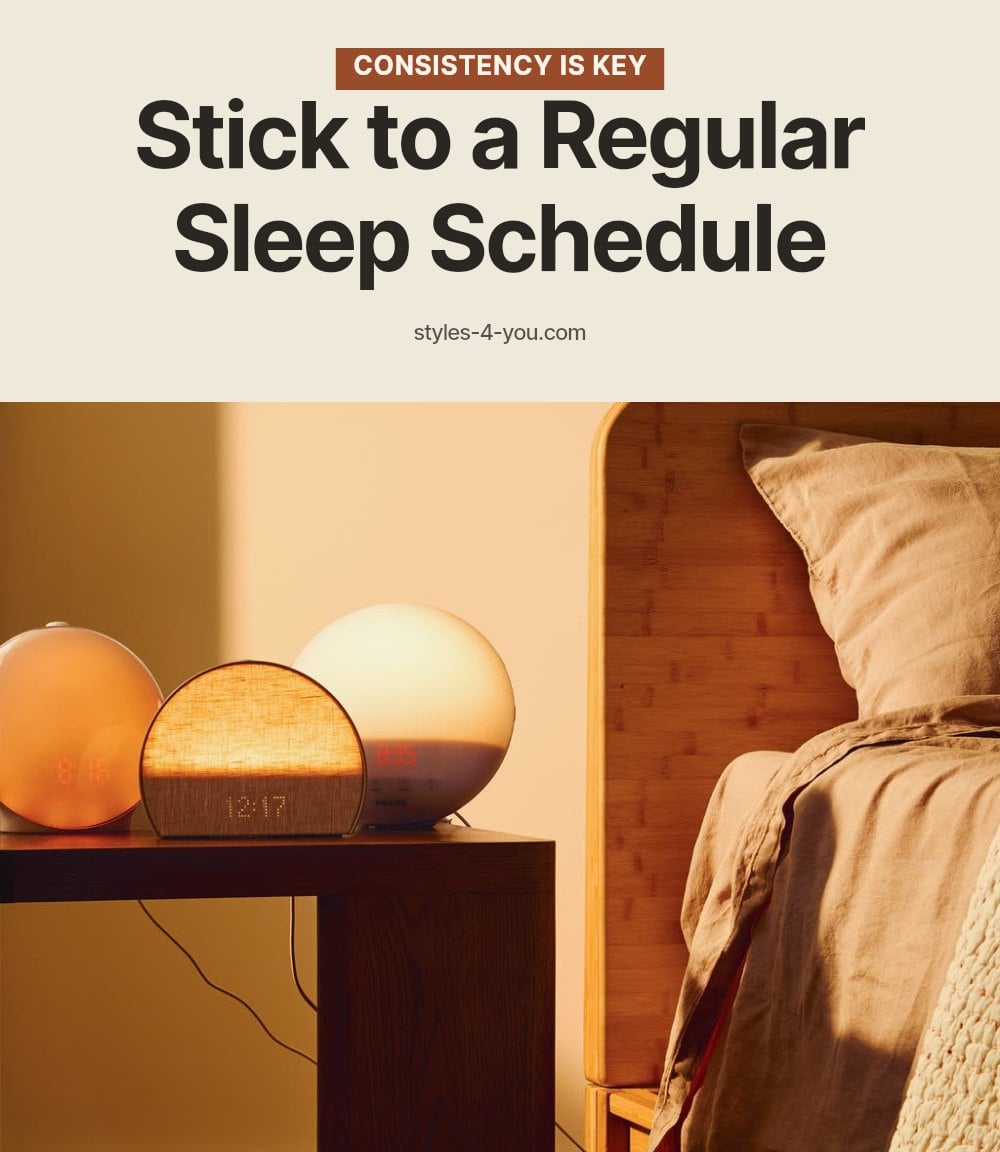
Go to bed and wake up at roughly the same time every day, even on weekends. This consistency helps regulate your circadian rhythm, your body’s natural sleep-wake cycle, making it easier to fall asleep and wake up refreshed.
- Choose a bedtime and wake-up time that allow for 7-9 hours of sleep.
- Stick to this schedule within 30 minutes on weekends to avoid confusing your internal clock.
2. Dim the Lights Early

Dim the lights in your home an hour or two before bed. Darkness naturally increases melatonin production, a hormone essential for sleep. Bright overhead lights can delay that rise, so switch to lamps or use dimmer switches.
- Use warm, low-wattage bulbs in the evening.
- Consider blackout curtains or a sleep mask to keep your bedroom dark.
3. Unplug from Screens

Avoid phones, tablets, computers, and TV for at least 30-60 minutes before bed. Blue light from screens can suppress melatonin production, making it harder to fall asleep. Instead, choose a screen-free activity to help your mind settle.
- Set a digital curfew and stick to it.
- Keep devices out of the bedroom or charge them away from your bed.
4. Take a Warm Bath or Shower

A warm bath or shower 1-2 hours before bed can help lower your core body temperature. When you step out, your body rapidly cools, and that slight drop signals it’s time to sleep. Keep the water comfortably warm, not hot, and aim for 10-15 minutes. My tip: finish with a cool rinse to speed up the cooling effect.
5. Read a Physical Book
Pick up a physical book, not an e-reader or tablet. The tactile feel of paper and the act of turning pages can be more calming than a glowing screen. Reading helps shift your focus away from daily stressors and into a story or topic that relaxes you.
Choose something light and enjoyable, not a thriller or work-related material. A novel, a collection of essays, or a magazine works well. Keep a book on your nightstand so it’s the natural choice when you get into bed.
6. Listen to Calming Music or Podcasts

Choose gentle, instrumental music or a soothing podcast to quiet your mind. Avoid anything with a strong narrative or fast tempo, as a gripping story or upbeat rhythm can keep your brain engaged. My tip: pick a sleep-specific playlist or a podcast with a calm, monotone host. Keep the volume low and set a timer so it fades out before you drift off.
7. Practice Mindfulness or Meditation
Mindfulness or meditation can reduce anxiety and promote relaxation, which is exactly what you need before sleep. You don’t need a long session, even 5-10 minutes can help calm your nervous system.
Try focusing on your breath: inhale slowly for four counts, hold for four, exhale for six. If your mind wanders, gently bring your attention back. My tip: use a guided sleep meditation app if you find it hard to stay focused on your own.
8. Enjoy a Warm, Caffeine-Free Drink

Sip on herbal tea like chamomile or valerian root, or warm milk, about 30-60 minutes before bed. These caffeine-free options can help you relax without stimulating your system.
Avoid caffeine and alcohol entirely in the evening. Caffeine is a stimulant that can interfere with sleep even hours later, and alcohol may make you sleepy initially but often disrupts sleep later in the night.
9. Use Aromatherapy
Essential oils like lavender or chamomile can promote relaxation. Use a diffuser in your bedroom or apply a diluted oil to your pulse points, such as your wrists or neck.
Start with a few drops in the diffuser about 20 minutes before bed. If applying to skin, mix with a carrier oil first.
My tip: Always check for allergies or sensitivities before using new essential oils. Test a small patch of skin first and stop if you notice any irritation.
10. Optimize Your Bedroom Environment
Keep your bedroom dark, quiet, and cool. The optimal temperature for sleep is generally 60-67 degrees Fahrenheit (15-19 degrees Celsius), which helps your body maintain its natural drop in core temperature.
- Dark: Use blackout curtains to block outside light.
- Quiet: Consider earplugs or a white noise machine to mask disruptive sounds.
- Cool: Adjust your thermostat or use a fan to reach the ideal range.
An eye mask is also a simple tool if you can’t fully darken the room.
11. Avoid Heavy Meals Before Bed
Aim to finish eating at least 2-3 hours before you plan to sleep. Heavy or spicy meals close to bedtime can cause indigestion and discomfort, making it harder to fall asleep.
If you’re hungry later, choose a light snack like a small piece of fruit or a few crackers. Your digestive system slows down at night, so giving it time to process before you lie down can help you rest more comfortably.
Common Bedtime Routine Mistakes to Avoid
Even with the best intentions, a few common habits can undo your bedtime routine. Here are the mistakes I see most often, and how to fix them.
- Ignoring Blue Light: Many people underestimate the impact of screens. My tip: Put your phone away at least 30-60 minutes before bed. If you must use it, enable night mode, but know that it is not a full fix.
- Thinking Alcohol Helps: While alcohol might make you feel sleepy initially, it often disrupts sleep later in the night, leading to fragmented rest. You may wake up more often and feel less refreshed.
- Inconsistent Schedule: Going to bed and waking up at different times, especially on weekends, confuses your body’s internal clock. Try to keep your wake time within an hour of your usual time, even on days off.
- Exercising Too Late: Strenuous exercise too close to bedtime can raise your core body temperature and stimulate your mind, making it hard to wind down. Finish intense workouts at least 2-3 hours before you plan to sleep.
- Eating Large Meals: Heavy or sugary snacks right before sleep can cause discomfort and blood sugar fluctuations, disturbing your rest. If you are hungry, choose something light like a small banana or a few almonds.
Frequently Asked Questions
How long should a bedtime routine be?
Most people benefit from a routine that lasts 30 to 60 minutes. This gives your body enough time to wind down without feeling rushed. If you’re short on time, even 15 minutes of a calming activity like deep breathing or reading can help signal your body to prepare for sleep.
Can I watch TV during my bedtime routine?
It’s best to avoid TV and other screens for at least 30-60 minutes before bed. The blue light from the screen can suppress melatonin production, making it harder to fall asleep. If you must watch something, use a blue light filter and keep the volume low, but a screen-free activity is ideal.
What if I can’t fall asleep after my routine?
If you’re still awake after 20 minutes, get out of bed and do something calming in dim light, like reading or listening to soft music. Avoid screens and bright lights. Return to bed only when you feel sleepy. This prevents your brain from associating your bed with frustration.
Is it okay to nap during the day?
Short naps of 20-30 minutes in the early afternoon can be refreshing and won’t usually disrupt nighttime sleep. However, napping too late in the day or for longer than 30 minutes can make it harder to fall asleep at night. If you have trouble sleeping at night, consider skipping naps altogether.
How long does it take for a new bedtime routine to work?
Many people notice improvements in sleep quality within a few days of starting a consistent routine. However, it typically takes a few weeks for the new habits to become automatic and for your body’s sleep-wake cycle to fully adjust. Be patient and stick with it.
Final Thoughts
Start small. Pick just one or two steps from this list, like dimming the lights an hour before bed and reading a physical book, and stick with them for a week. You might notice improved sleep quality within a few days, but give yourself a few weeks for the routine to become a habit. Your body will thank you for the consistency.
This article is for general informational purposes only and does not constitute medical advice. Sleep problems can have many causes, and if you have persistent difficulty sleeping or suspect an underlying condition, please consult a healthcare professional or sleep specialist for personalized guidance.
More Blog ideas
- Your Essential Guide to a Healthy Feminine Hygiene Routine
- Best High Protein Foods to Eat Daily for Health and Energy
- Feeling Stuck: 12 Small Steps to Get Unstuck
- Winter Skin Survival Tips
- How to Get a Flat Stomach
- How to Fix Damaged Hair and Restore Its Health
- Full-Body Kettlebell Workout
- Dry Scalp vs. Dandruff
- Full Body Workout for Beginners
- 21 Easy Beauty Tips Every Woman Should Know
- Feminine Energy: 15 Daily Habits to Feel More Radiant
- Upper Body Workout for Women at Home






