Beginner Workout Routine for Women: Your First Steps to Fitness
Discover a safe and effective beginner workout routine for women. Learn foundational movements, proper form, and how to build strength and stamina.

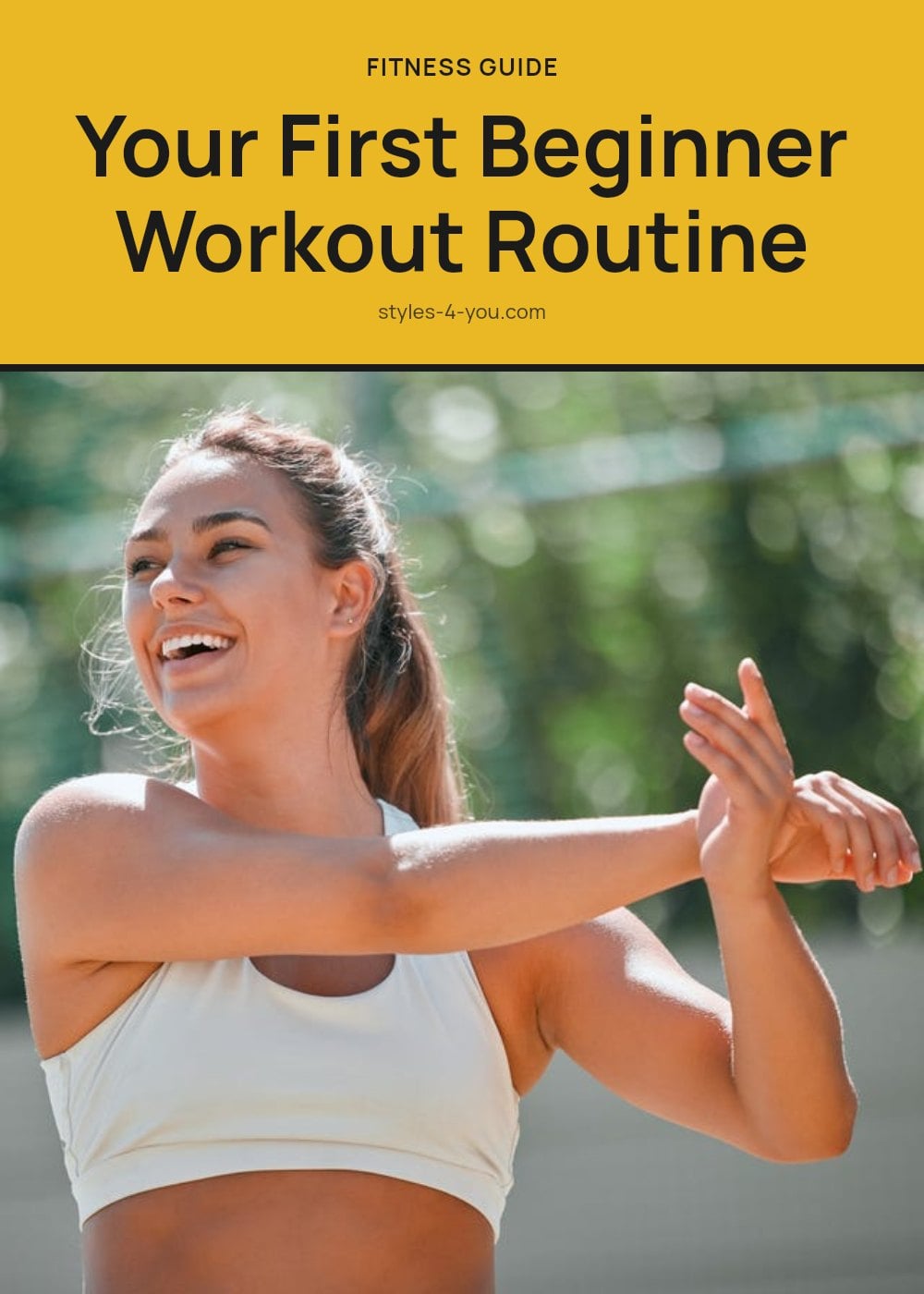
Starting a workout routine can feel overwhelming, but you don’t need a gym membership or fancy equipment to begin. The key is to focus on foundational movements, proper form, and gradual progression, not intensity. This article covers a simple, safe beginner workout routine you can do at home, plus tips on warming up, cooling down, and building consistency.
Key Takeaways
- Aim for at least 150 minutes of moderate aerobic activity per week, per the American Heart Association.
- Start with bodyweight exercises like squats and modified push-ups to master proper form.
- Include strength training at least two days per week for balanced fitness.
- Always warm up with light cardio and dynamic stretches before each workout.
- Take 1-2 rest days per week to allow your muscles to recover and grow.
What is a Beginner Workout Routine?
A beginner workout routine focuses on building foundational strength and stamina through simple, effective movements. It prioritizes proper form and gradual progression over intensity, making it safe and sustainable for those new to exercise or returning after a break. The goal is consistency and listening to your body, incorporating a mix of cardio, strength, and flexibility. Start with bodyweight exercises to master basic patterns, and remember that rest days are just as important as workout days.
1. Warm-Up: Arm Circles
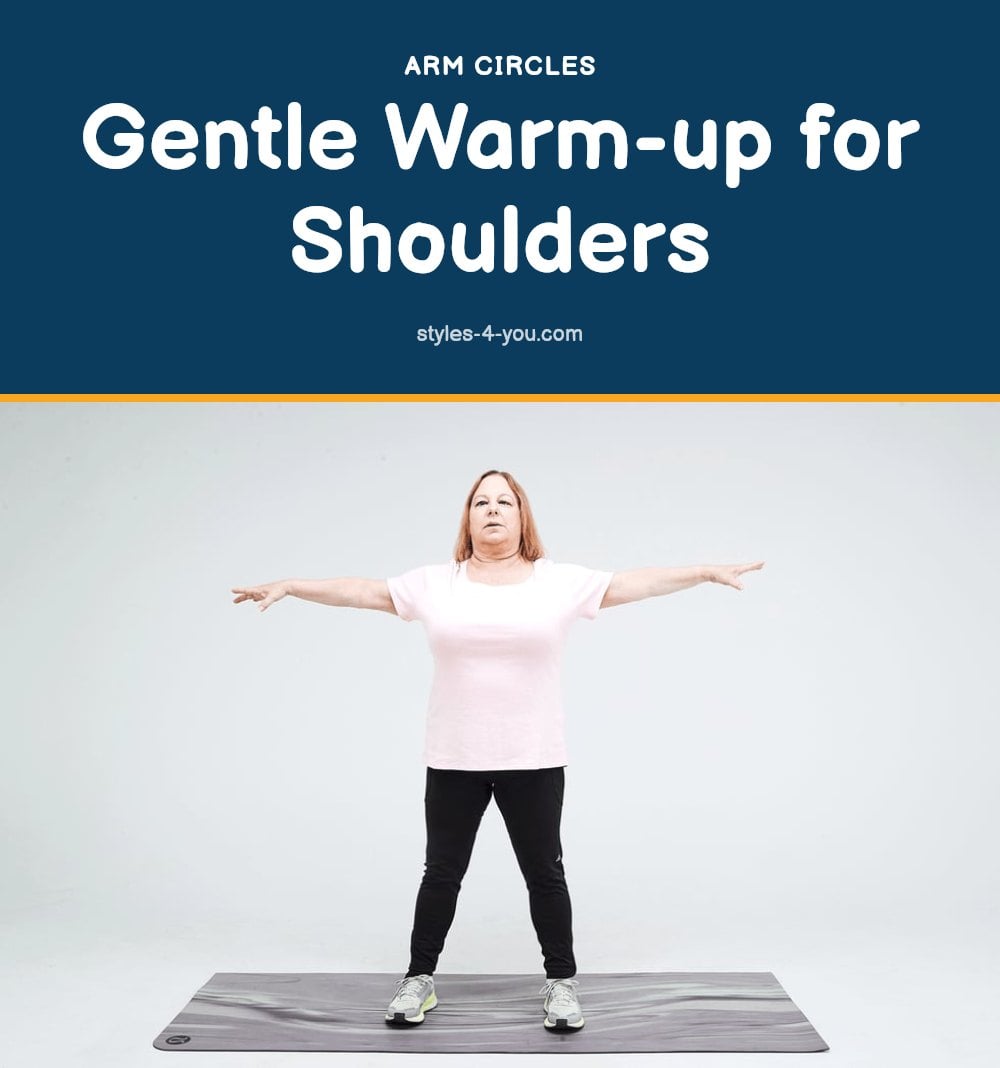
Stand tall with your feet shoulder-width apart and arms extended straight out to your sides at shoulder height. Make small forward circles with your arms for 30 seconds, then reverse for 30 seconds. Focus on controlled movements to gently warm up your shoulders and upper back.
- Time: 30 seconds forward, 30 seconds reverse
- Form cue: Keep your shoulders relaxed, not hunched
- Make it easier or harder: Smaller circles are easier; larger circles increase the stretch
2. Bodyweight Squats
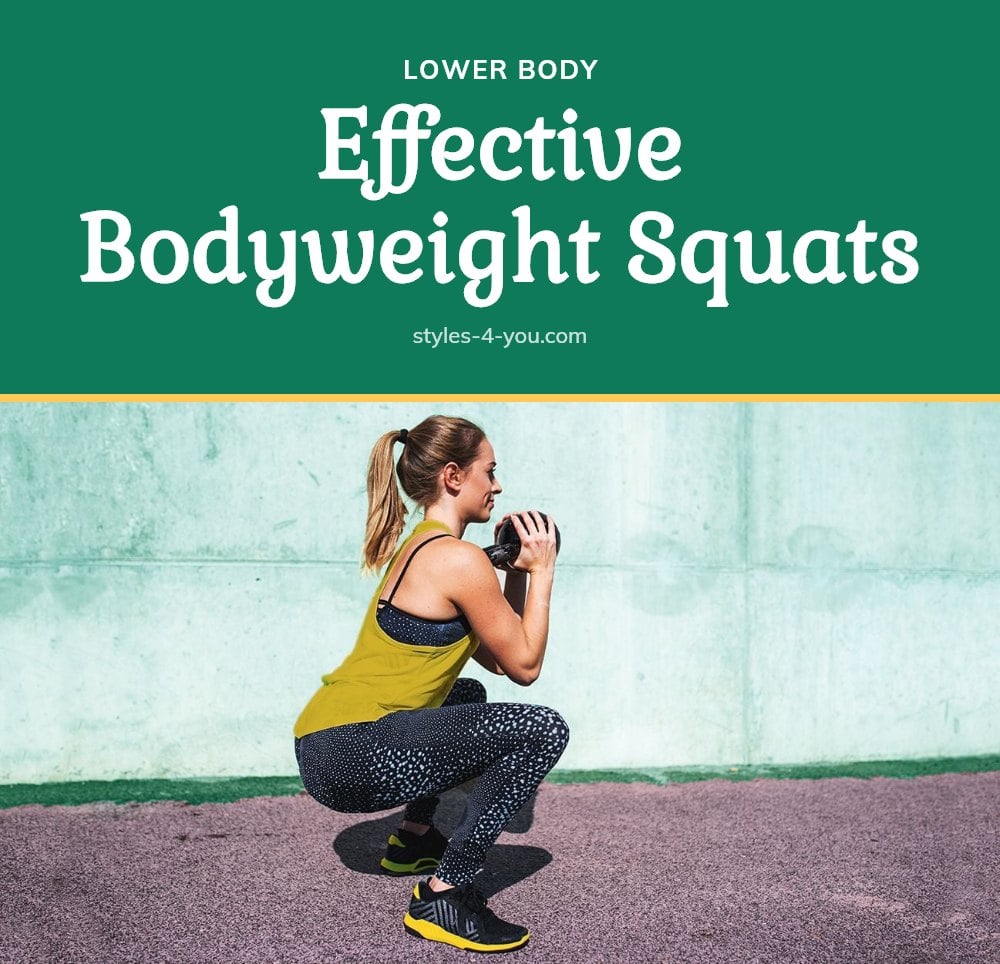
Stand with feet shoulder-width apart, toes pointing slightly out. Keep your chest up and core engaged. Lower your hips as if sitting into a chair, ensuring your knees track over your toes and don’t collapse inward. Go as low as comfortable while maintaining good form, then push through your heels to return to standing.
- Sets and reps: 3 sets of 10-12 repetitions
- Form cue: Keep your weight in your heels and your chest lifted
- Make it easier or harder: Hold a wall for balance to start; add light dumbbells later
3. Modified Push-Ups (on Knees or Wall)
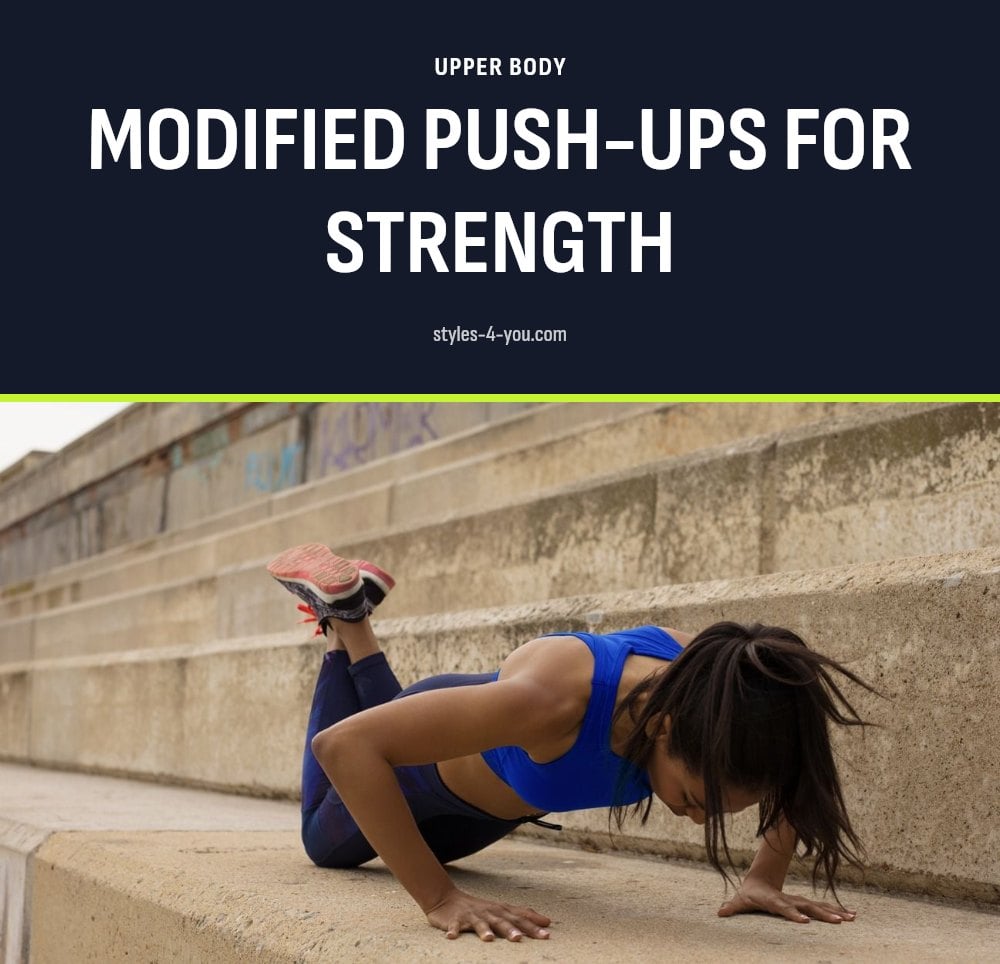
Start on your hands and knees, hands slightly wider than shoulder-width, fingers pointing forward. Keep your body in a straight line from head to knees. Lower your chest towards the floor by bending your elbows, keeping them tucked slightly towards your body. Push back up to the starting position. If this is too challenging, try wall push-ups by standing facing a wall and pushing away.
- Sets and reps: 3 sets of 8-10 repetitions
- Form cue: Keep your core tight and your back flat
- Make it easier or harder: Wall push-ups are easiest; move to a bench before the floor
4. Glute Bridges
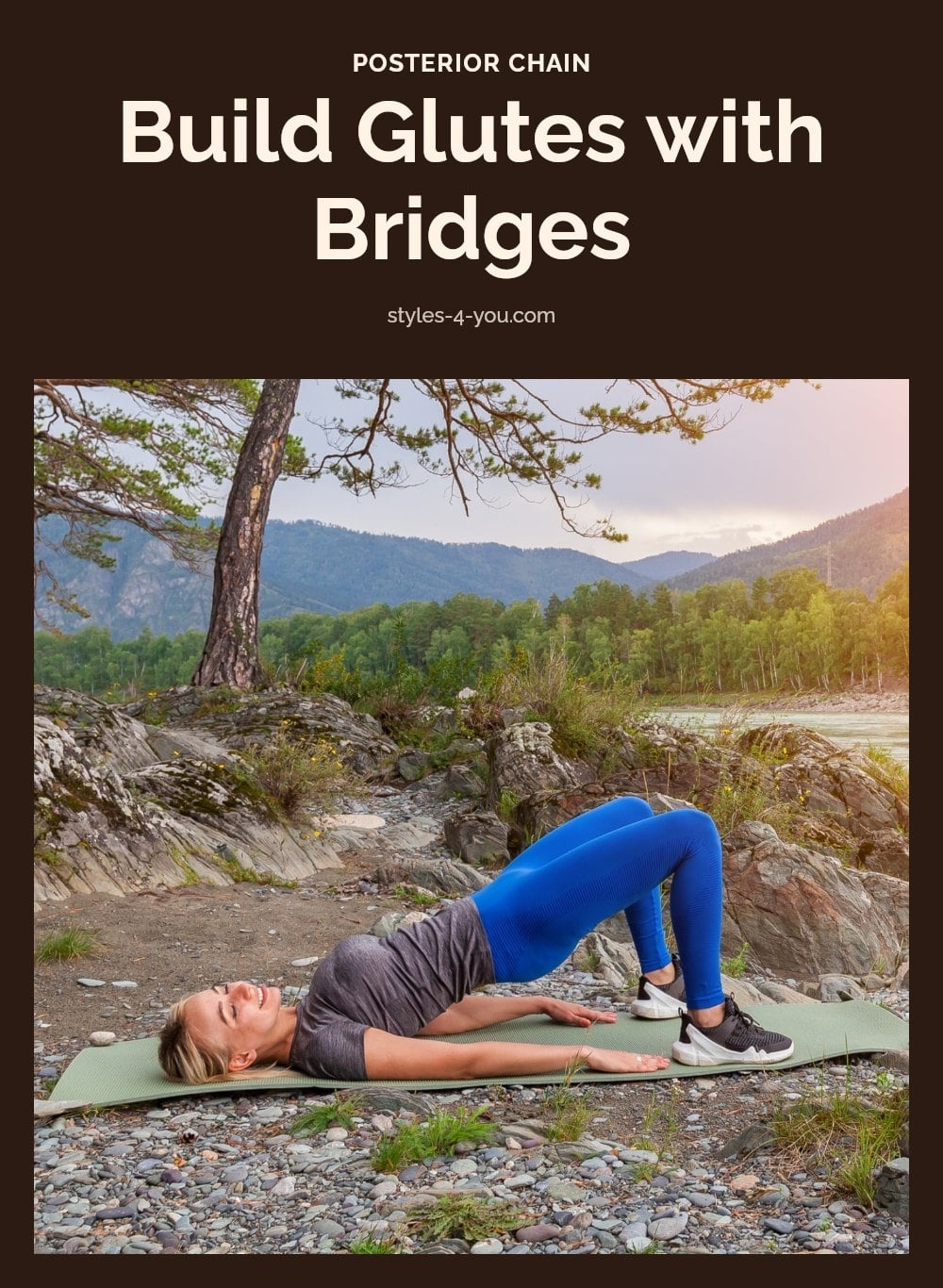
Lie on your back with knees bent, feet flat on the floor hip-width apart, and arms by your sides. Engage your core and glutes, then lift your hips off the floor until your body forms a straight line from shoulders to knees. Hold for a second at the top, squeezing your glutes, then slowly lower back down.
- Sets and reps: 3 sets of 12-15 repetitions.
- Form cue: Keep your core tight and avoid arching your lower back at the top of the movement.
- Make it easier or harder: For more challenge, hold the bridge for 2-3 seconds at the top or lift one foot off the floor.
5. Plank (Modified on Knees)
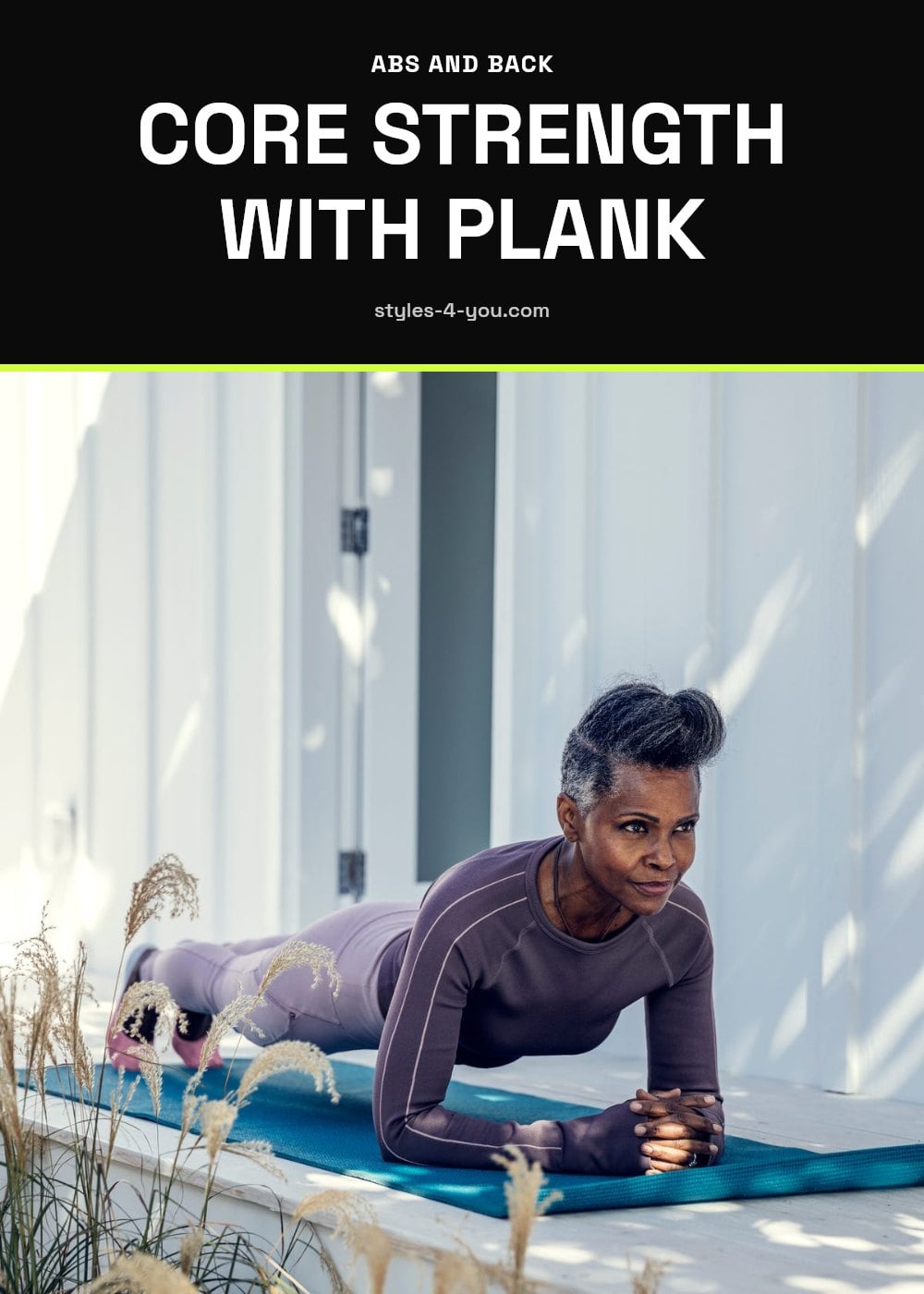
Start on your forearms and knees, ensuring your elbows are directly under your shoulders. Engage your core, keeping your back flat and body in a straight line from head to knees. Avoid letting your hips sag or rise too high. Hold this position, breathing deeply.
- Time: Hold for 30-45 seconds, repeating for 3 sets.
- Form cue: Imagine pulling your belly button toward your spine to keep your core engaged throughout.
- Make it easier or harder: Drop to your knees for a modified plank, or extend to a full plank on your toes for more challenge.
6. Standing Lunges (Assisted)
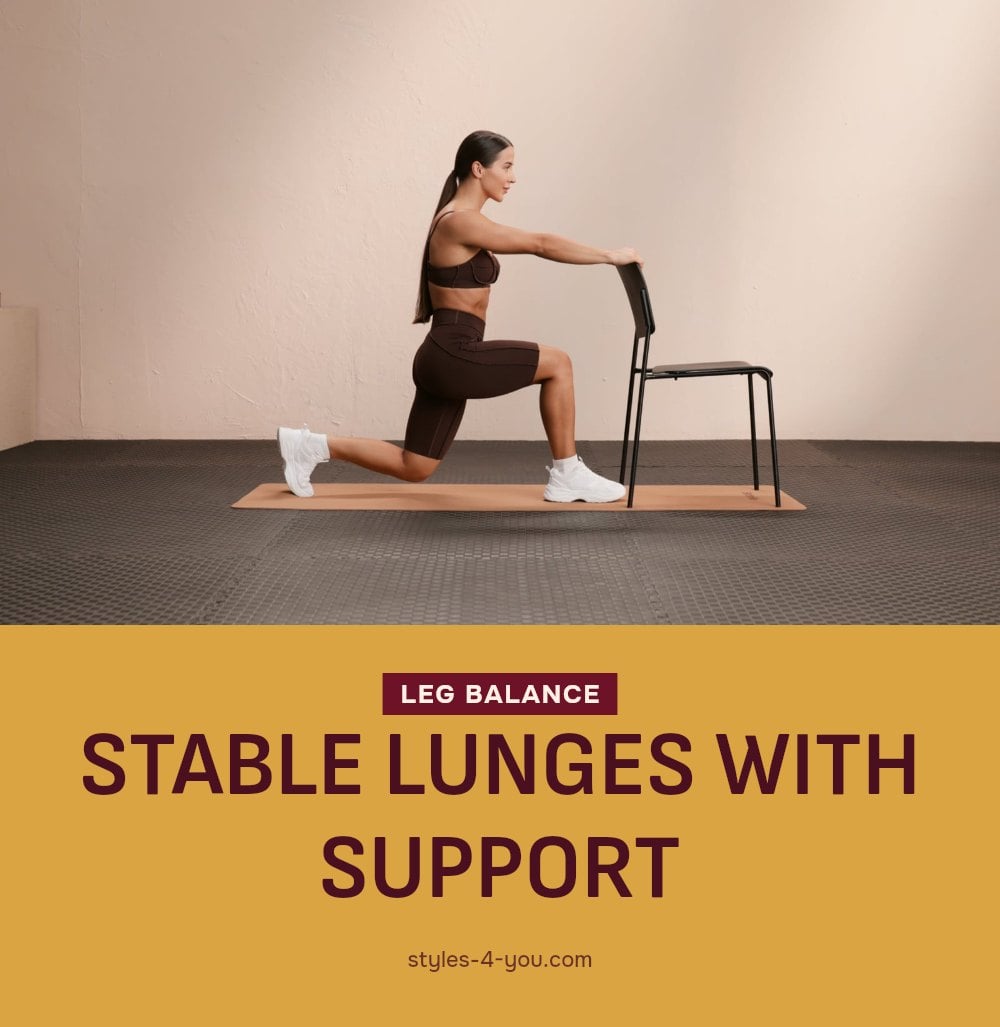
Stand tall, holding onto a wall or chair for balance if needed. Step one foot forward, keeping your torso upright. Lower your back knee towards the floor, ensuring your front knee stays directly over your ankle and doesn’t go past your toes. Push off your front foot to return to the starting position. Alternate legs.
- Sets and reps: 3 sets of 8-10 repetitions per leg.
- Form cue: Keep your front knee aligned with your second toe and your chest lifted.
- Make it easier or harder: Use less assistance from the wall or chair, or hold light dumbbells for added resistance.
7. Bird-Dog
Start on your hands and knees, hands under shoulders, knees under hips. Keep your back flat and core engaged. Slowly extend your right arm straight forward and your left leg straight back, keeping them parallel to the floor. Maintain a stable core, avoiding any rocking or twisting of your torso. Return to the starting position and repeat on the other side.
- Sets and reps: 3 sets of 10-12 repetitions per side.
- Form cue: Move slowly and control the extension to prevent your hips from shifting.
- Make it easier or harder: For less challenge, only lift your arm or leg at a time. For more, hold the extended position for 2-3 seconds.
8. Cool-Down: Hamstring Stretch
Lie on your back with both knees bent. Extend one leg straight up toward the ceiling, keeping the other foot on the floor. Gently grasp behind your thigh or calf (avoid the knee joint) and pull the leg closer to your body until you feel a gentle stretch.
- Time: Hold for 20-30 seconds, breathing deeply, then switch legs.
- Form cue: Keep your lower back pressed into the mat and pull gently, no bouncing.
- Make it easier or harder: For a lighter stretch, bend the lifted knee slightly. For a deeper stretch, use a strap around your foot.
Essential Gear for Your First Workouts
You don’t need much to start, but a few basics make your workout safer and more comfortable.
- Comfortable athletic clothing: Choose pieces that let you move freely and wick sweat.
- Supportive athletic shoes: They protect your feet and joints during standing moves and cardio.
- A water bottle: Staying hydrated before, during, and after exercise helps your energy and recovery.
- A yoga mat (optional but recommended): Provides cushioning for floor exercises and keeps you from slipping.
Most items are optional for starting. The routine is designed to be done with just your bodyweight, so you can begin today with what you already have.
Your Weekly Beginner Workout Schedule
This schedule gives you a balanced start with 3 workout days and rest days in between. Always begin with a warm-up (arm circles, light marching) and end with a cool-down (hamstring stretch).
| Day | Activity | Focus |
|---|---|---|
| Monday | Full-body workout | Strength & core |
| Tuesday | Rest or light walk | Recovery |
| Wednesday | Full-body workout | Strength & core |
| Thursday | Rest or gentle stretching | Recovery |
| Friday | Full-body workout | Strength & core |
| Saturday | Rest or active recovery | Flexibility |
| Sunday | Rest | Full recovery |
Listen to your body and adjust as needed. Consistency matters more than perfection.
Frequently Asked Questions
How long should a beginner workout last?
A beginner workout session can last between 20 and 30 minutes, including warm-up and cool-down. The focus should be on quality movements and proper form rather than duration. As you build stamina, you can gradually extend your workout time.
Can I do this workout at home without equipment?
Yes, this routine is designed to be done at home with just your bodyweight. You don’t need dumbbells or resistance bands to start. A yoga mat can make floor exercises more comfortable, but it’s optional.
What should I eat before and after a beginner workout?
A light snack with carbohydrates and a little protein, like a banana or a small yogurt, about 30-60 minutes before your workout can provide energy. Afterward, aim for a balanced meal with protein and carbs to support recovery. Drink water before, during, and after exercise.
How do I know if I’m doing an exercise correctly?
Focus on controlled movements and check your alignment in a mirror if possible. Common cues include keeping your chest up during squats and not letting your knees cave inward. If you feel sharp pain, stop and reassess your form or consult a fitness professional.
Is it okay to feel sore after a workout?
Yes, muscle soreness (DOMS) is normal, especially when you’re starting a new routine. It usually appears 24-48 hours after exercise and fades within a few days. However, sharp or persistent pain may indicate an injury, so listen to your body and rest if needed.
Final Thoughts
Start with 2-3 full-body workouts per week, focusing on bodyweight exercises and proper form. You can expect to see noticeable improvements in strength and stamina within 4-6 weeks of consistent effort. Remember, consistency matters more than intensity, so keep showing up for yourself.
This information is for general informational purposes only and does not constitute medical advice. Always consult your doctor before starting any new exercise program, especially if you have pre-existing health conditions. Stop exercising immediately if you experience sharp pain, dizziness, or chest pain.
More Blog ideas
- Your Essential Guide to a Healthy Feminine Hygiene Routine
- Best High Protein Foods to Eat Daily for Health and Energy
- Feeling Stuck: 12 Small Steps to Get Unstuck
- Winter Skin Survival Tips
- How to Get a Flat Stomach
- How to Fix Damaged Hair and Restore Its Health
- Full-Body Kettlebell Workout
- Dry Scalp vs. Dandruff
- Full Body Workout for Beginners
- 21 Easy Beauty Tips Every Woman Should Know
- Feminine Energy: 15 Daily Habits to Feel More Radiant
- Upper Body Workout for Women at Home






