Your Beginner’s Guide to Starting Whole30 Successfully
Curious about Whole30? Learn what it is, what to eat and avoid, and how to successfully complete your 30-day elimination diet for a health reset.

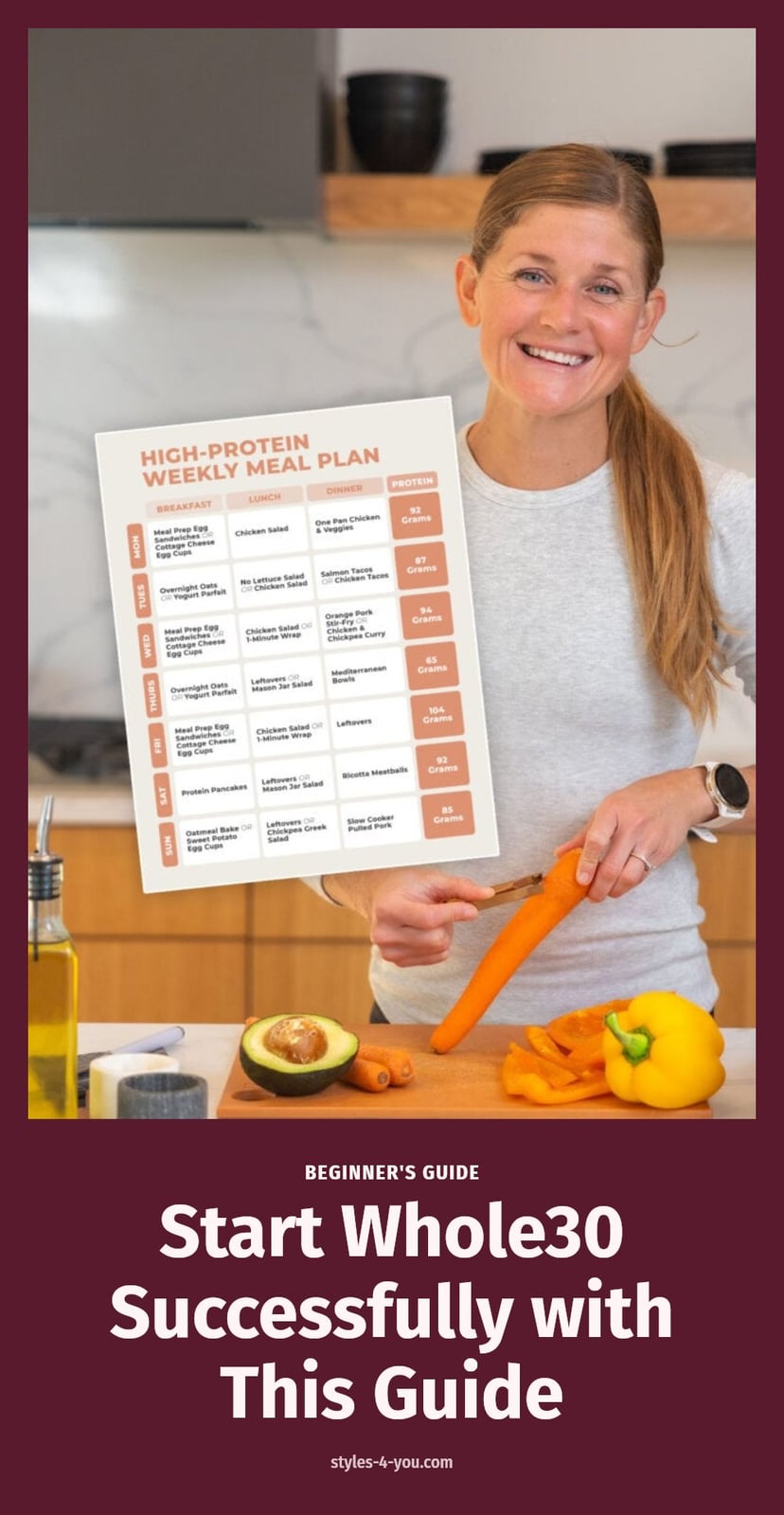
Starting Whole30 can feel like a big commitment, but it’s really about giving your body a clean slate for 30 days. You’ll cut out grains, legumes, dairy, sugar, alcohol, and certain additives, then slowly reintroduce them to see how they affect you. This guide covers the basics, what to eat, common pitfalls, and how to make the reintroduction phase work for you.
Key Takeaways
- Whole30 lasts 30 days with no cheating; a slip means restarting from day one.
- Eliminate all sugar, grains, legumes, dairy, alcohol, and additives like MSG.
- Focus on whole foods: meat, seafood, eggs, vegetables, fruits, and healthy fats.
- Plan meals ahead and read every label to avoid hidden non-compliant ingredients.
- The reintroduction phase after day 30 is key for identifying food sensitivities.
What Exactly Is Whole30 and How Does It Work?
Whole30 is a 30-day elimination diet designed to help you identify how specific foods affect your body. For the full month, you strictly cut out grains, legumes, dairy, sugar, alcohol, and certain additives like carrageenan, MSG, and sulfites. The program centers on whole, unprocessed foods, then guides you through a structured reintroduction phase to pinpoint sensitivities. It’s not a weight-loss diet, though some people lose weight as a side effect. The goal is resetting your habits and understanding your body’s signals.
The Philosophy Behind Whole30: Why It Matters
Whole30 goes beyond simple elimination. The philosophy is to reset your eating habits and reduce cravings by removing foods that can trigger inflammation or disrupt your system. Many people find that after 30 days, their energy levels, sleep quality, and mood improve, and they experience fewer digestive issues or less chronic pain. The program encourages a shift toward whole, unprocessed ingredients, which naturally changes how you think about food.
By paying close attention to how you feel during the elimination phase, you build a baseline. Then, during reintroduction, you can clearly see which foods cause problems for you. This isn’t about restriction for its own sake; it’s about learning what your body needs to thrive.
- Reset cravings: Removing sugar and processed foods can help you break the cycle of constant snacking.
- Identify triggers: Reintroducing foods one at a time reveals what affects your energy, mood, or digestion.
- Build healthy habits: Cooking from scratch and reading labels become second nature.
Your Whole30 Shopping List: Approved Foods

Your Whole30 shopping list starts with fresh meats, seafood, and eggs. Prioritize a wide variety of vegetables and some fruits. Include healthy fats like olive oil, coconut oil, and avocado oil. Don’t forget herbs and spices for flavor, plus nuts and seeds (except peanuts) and vinegars without added sugar.
- Proteins: Beef, chicken, pork, fish, eggs
- Vegetables: All kinds, fresh or frozen
- Fruits: In moderation, whole fruits
- Fats: Olive oil, coconut oil, avocado oil
- Nuts and seeds: Almonds, cashews, sunflower seeds, but no peanuts
- Flavor boosters: Herbs, spices, vinegar without added sugar
How to Successfully Complete Your 30 Days
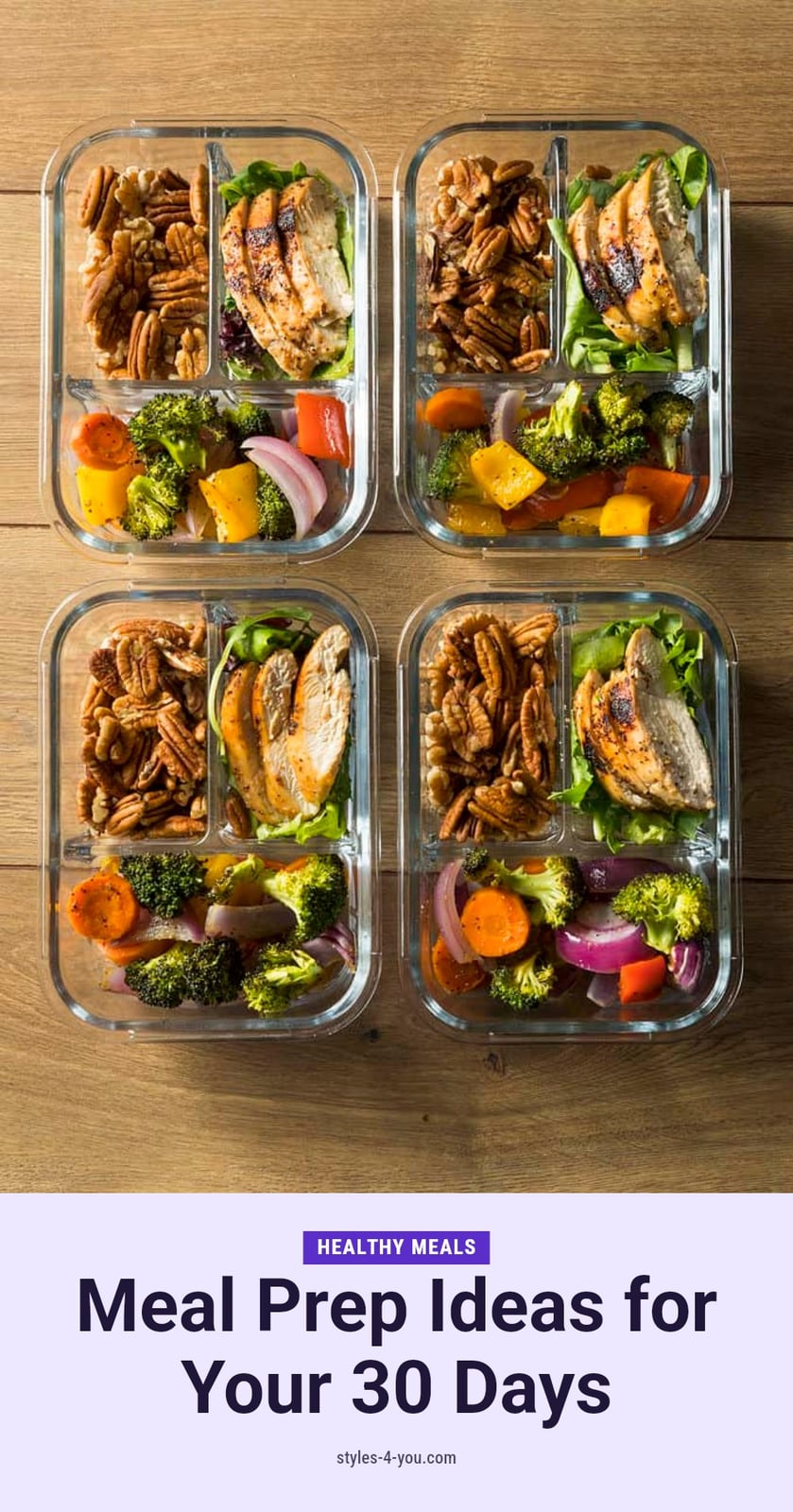
Success on Whole30 comes down to preparation and consistency. Here’s how to make it through the 30 days without slipping.
- Clear your kitchen: Remove all non-compliant foods, including grains, legumes, dairy, sugar, alcohol, and any processed snacks. Donate them or store them out of sight to reduce temptation.
- Plan your meals: Decide your breakfast, lunch, dinner, and snacks for the week ahead. Batch cooking proteins and roasted vegetables saves time and keeps you on track. My tip: Cook a large pot of compliant soup or stew on Sunday. You’ll have ready meals for busy nights.
- Read every label: Hidden sugars, grains, and additives lurk in unexpected places like broths, spices, and condiments. Check for anything ending in “ose,” plus carrageenan, MSG, and sulfites.
- Stay hydrated: Drink plenty of water throughout the day. Sometimes thirst is mistaken for hunger, so keep a water bottle handy.
- Listen to your body: Notice how you feel after meals. If you’re tired or bloated, adjust portion sizes or food choices. The goal is to learn, not to suffer.
- Avoid the scale: Don’t weigh yourself or take body measurements during the 30 days. Focus on how you feel, not numbers.
Remember, no cheating is allowed. Even a small bite of a prohibited food means restarting from day one. Plan for social events and bring your own compliant dishes to stay on track.
Common Whole30 Mistakes to Avoid
The most common Whole30 slip is skipping the fine print on labels. Hidden sugars hide under names like cane juice, honey, and molasses, while grains and sulfites sneak into sauces, broths, and spice blends. Read every ingredient list, even for foods that seem safe.
Another frequent mistake is failing to plan meals. When hunger hits and no compliant option is ready, you are far more likely to grab something off-plan. My tip: batch-cook proteins and roast vegetables on the weekend so you always have a meal within reach.
Treating Whole30 as a weight-loss diet sets you up for frustration. The program is about identifying food sensitivities, not the scale. That is why the rules say to avoid weighing yourself entirely for 30 days.
Beware of paleo junk food. These items, like paleo baked goods or compliant desserts, are not actually allowed on Whole30. They contain ingredients that mimic the foods you are eliminating, and eating them can keep cravings alive and slow your habit change. Skip them completely.
Finally, do not give up after one slip. The reset rule is strict: any bite of a prohibited food means starting over from day one. Understand that before you begin, and decide your response ahead of time.
The Crucial Reintroduction Phase After 30 Days
The Crucial Reintroduction Phase After 30 Days
Once the 30 days are up, the real work begins. The reintroduction phase is what makes Whole30 worth it, because it helps you pinpoint which foods your body doesn’t tolerate well. You’ll add foods back one group at a time, not all at once, so you can clearly connect any reaction to a specific culprit.
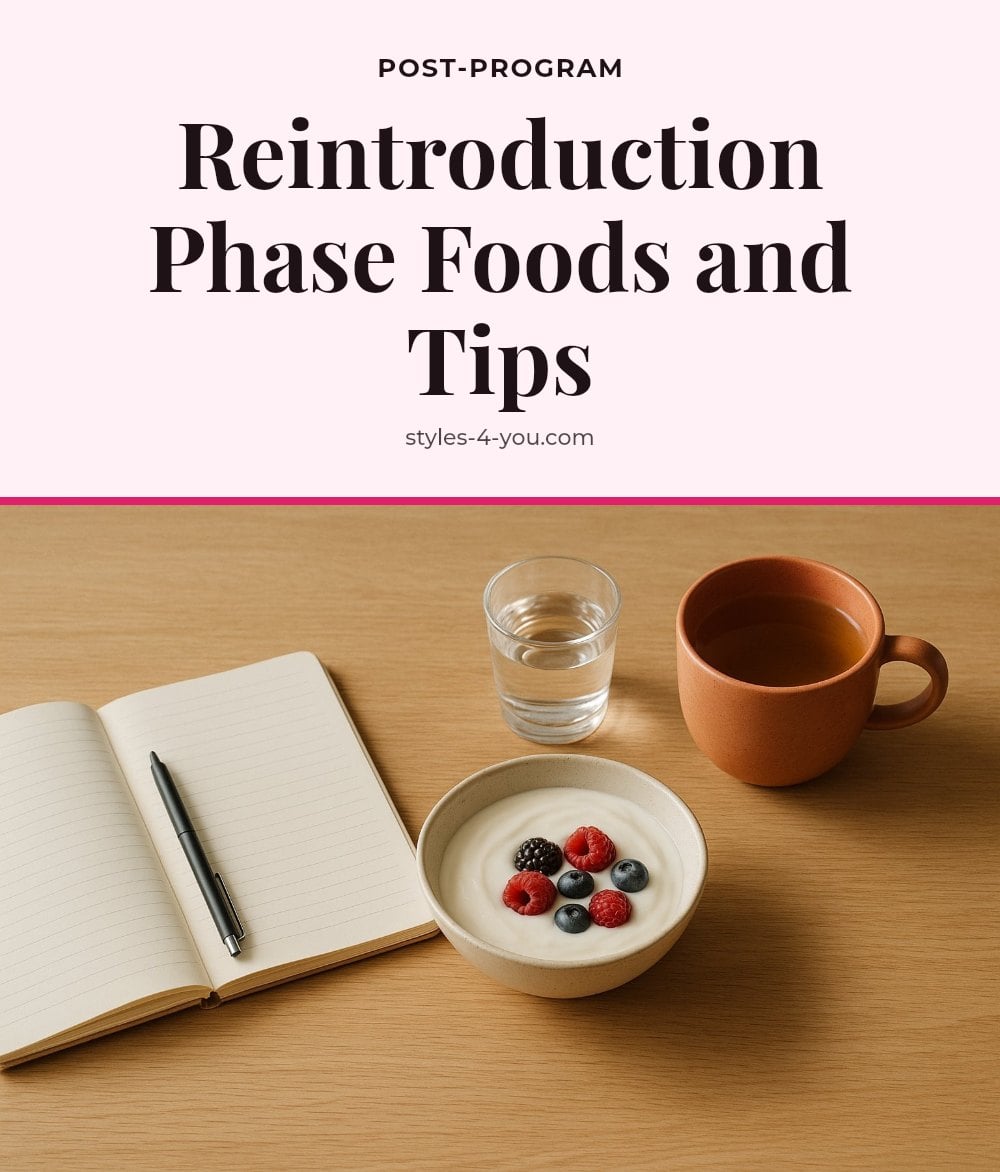
Start with one food group, like dairy or legumes, and eat it for a day. Then return to strict Whole30 eating for two to three days while you watch for changes in digestion, energy, skin, or mood. Keep a food journal during this window, noting everything you eat and how you feel, since reactions can be subtle and delayed.
My tip: introduce the groups you miss most first, but do it in a calm week when you’re not traveling or stressed. That way, any symptom you notice is more likely tied to the food, not your environment.
When to Consult a Healthcare Professional
Before you start Whole30, check in with your doctor if you have pre-existing conditions, take medications, or are pregnant or breastfeeding. This step matters because the elimination phase is strict and may not suit every health situation.
During the 30 days, listen to your body. If you experience severe discomfort, unusual pain, or adverse reactions, stop the program and seek medical advice rather than pushing through.
If you have a history of disordered eating, approach Whole30 with caution and ideally under professional guidance. A dietitian or therapist can help you navigate the restrictions safely and support a healthy relationship with food.
Frequently Asked Questions
Can I drink coffee on Whole30?
Yes, plain coffee is allowed on Whole30. You can drink it black or with a compliant fat like ghee or coconut oil, but you can’t add sugar, cream, or non-dairy milks that contain prohibited ingredients. Check labels on any coffee additives to make sure they’re compliant.
What if I accidentally eat a non-compliant food?
If you accidentally consume something off-plan, the program’s rule is to restart from day one. This might feel frustrating, but it’s part of the reset. Many people find it helpful to track what happened and use it as motivation to be more careful with labels and meal planning.
Is Whole30 suitable for vegetarians or vegans?
Whole30 can be challenging for vegetarians and vegans because it excludes legumes, soy, and most plant-based proteins. You’d rely on eggs, nuts, seeds, and vegetables, which may not provide enough protein for everyone. If you follow a plant-based diet, consider consulting a healthcare professional before starting.
How do I manage social events while on Whole30?
Social events can be tricky, but you can manage them by eating beforehand, bringing a compliant dish, or checking the menu ahead of time. You can also politely explain that you’re doing a 30-day reset. Many people find that planning ahead reduces stress and helps them stay on track.
Final Thoughts
If you’re ready to try Whole30, my tip is to treat it as a learning experiment, not a test of willpower. Plan your meals, clear your kitchen, and give yourself grace when it feels hard. Expect the first week to be the toughest, but many people notice changes in energy and cravings by the end. After day 30, take the reintroduction seriously and track how each food makes you feel. That’s where the real payoff is.
This article is for general information only and is not a substitute for professional medical advice. Before starting Whole30, especially if you have health conditions, are pregnant or breastfeeding, or take medications, talk to your doctor. If you experience severe discomfort or adverse reactions, stop the program and seek medical guidance.
More Blog ideas
- Your Essential Guide to a Healthy Feminine Hygiene Routine
- Best High Protein Foods to Eat Daily for Health and Energy
- Feeling Stuck: 12 Small Steps to Get Unstuck
- Winter Skin Survival Tips
- How to Get a Flat Stomach
- How to Fix Damaged Hair and Restore Its Health
- Full-Body Kettlebell Workout
- Dry Scalp vs. Dandruff
- Full Body Workout for Beginners
- 21 Easy Beauty Tips Every Woman Should Know
- Feminine Energy: 15 Daily Habits to Feel More Radiant
- Upper Body Workout for Women at Home






