Bleaching Hair: How to Safely Bleach Hair at Home: A Step-by-Step Guide
Bleaching hair: Learn how to bleach hair at home with this comprehensive guide. We cover the process, mistakes to avoid, and essential aftercare for healthy.

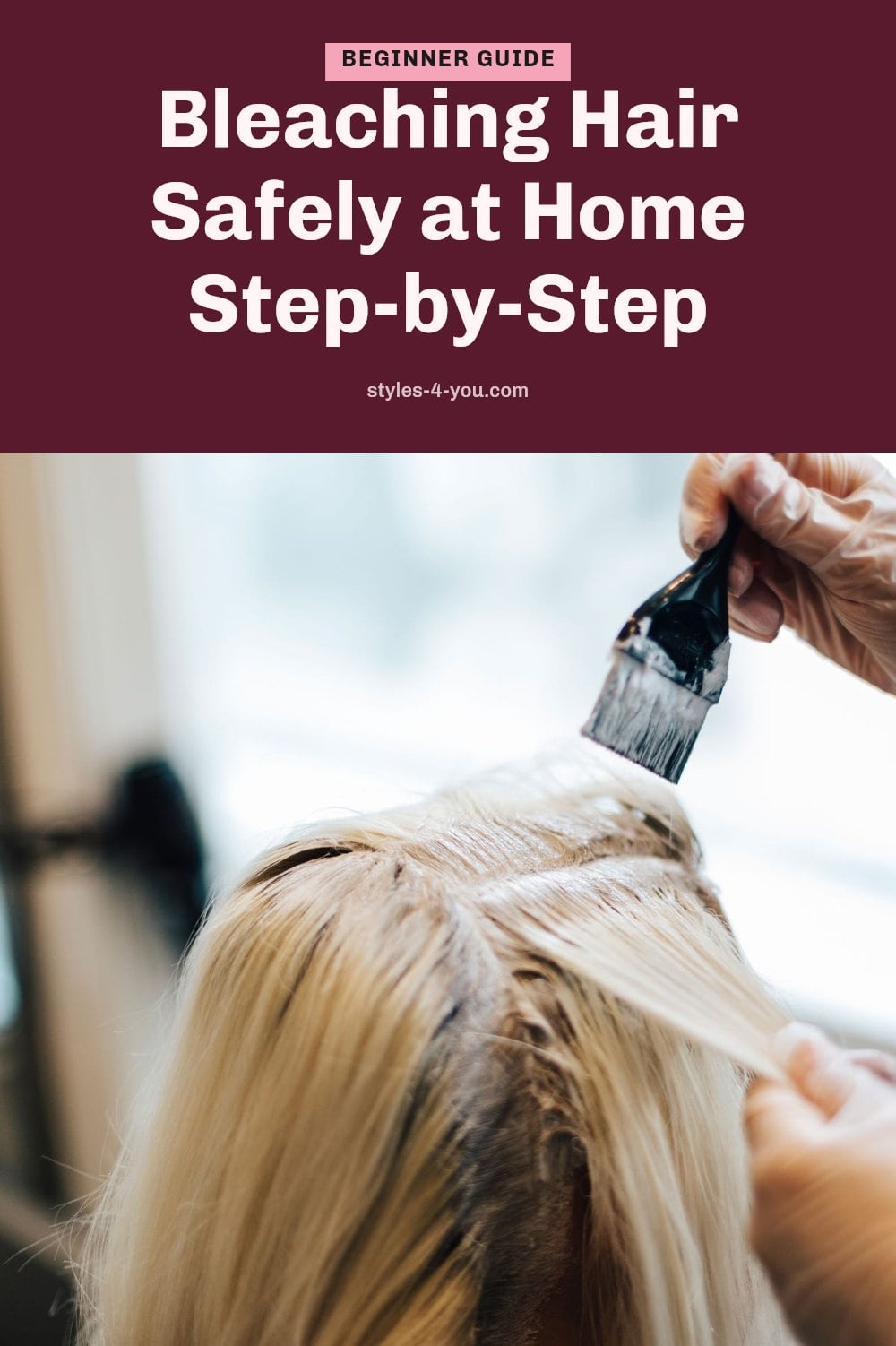
Thinking about bleaching your hair at home? It can save you a trip to the salon, but it’s a chemical process that comes with real risks of damage and uneven results. This article walks you through everything you need to know, from the right tools and step-by-step application to aftercare and when to call a pro.
Whether you’re aiming for a lighter blonde or prepping for a vivid color, I’ll share the essential safety steps and my tips for getting it right the first time.
Key Takeaways
- Always do a patch test 48 hours before and a strand test before full application.
- Stick with 10 or 20 volume developer for at-home bleaching.
- Apply bleach from mid-shaft to ends, then roots last, and never exceed recommended time.
- Rinse with cool water and follow with a deep conditioning treatment.
- Call a professional for drastic changes or if your hair is already damaged.
Is Bleaching Hair at Home a Good Idea?
Bleaching hair at home can save you money, but it comes with real risks of damage and uneven color. This is a multi-step chemical process that demands careful preparation and precise application. For drastic changes or if your hair is already damaged, a professional stylist is often the safer choice.
Your At-Home Bleaching Toolkit
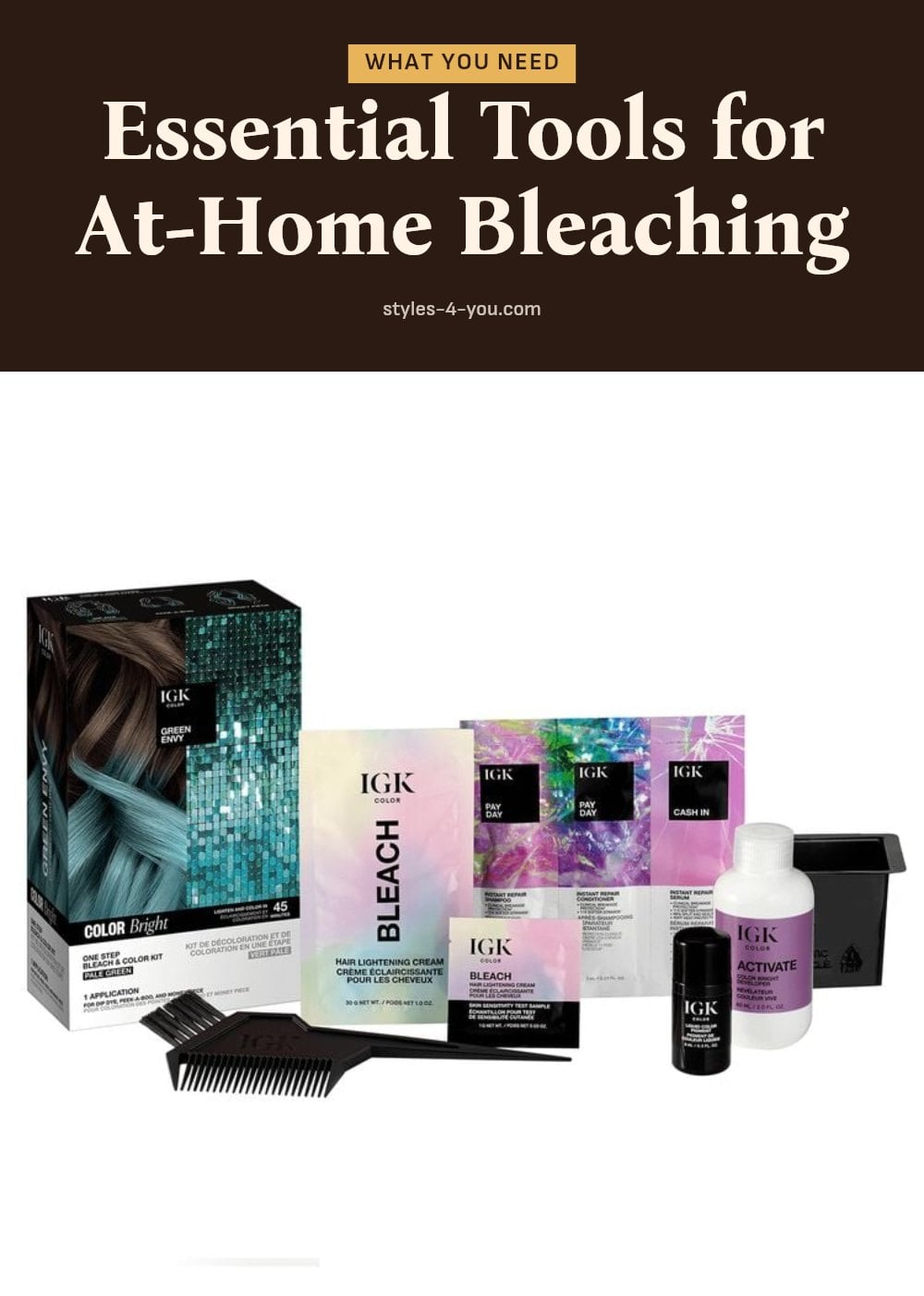
To bleach at home, you need the right supplies. Stick with a 10 or 20 volume cream developer, higher volumes are for professionals only. Your toolkit should include:
- Bleach powder and cream developer (10 or 20 volume)
- Non-metallic bowl and brush metal can cause unwanted chemical reactions
- Protective gloves and an old towel to avoid stains
- Hair clips for sectioning and a timer
Good to know: a wide-tooth comb helps distribute product evenly without snagging.
How Bleach Works on Your Hair
What Bleach Actually Does
Bleach works by oxidizing melanin, the natural pigment in your hair, making it colorless. As the process continues, your hair lightens through distinct stages: red, orange, yellow, and finally pale yellow. The goal is to reach a pale yellow before toning.
Bleach swells the hair cuticle to penetrate the shaft. This swelling can leave the cuticle permanently raised if not properly sealed afterward, which leads to dryness and breakage. That’s why deep conditioning and bond repair are non-negotiable after bleaching.
Tip: the darker your starting color, the longer each stage may take. A strand test shows you exactly where your hair is in the process.
Step-by-Step: Bleaching Your Hair at Home
- Do a patch test and strand test: Apply a small amount of mixed bleach behind your ear 48 hours before. Then test a hidden strand to see processing time and final color.
- Prepare your space and hair: Work in a well-ventilated area. Wear gloves and an old towel. Your hair should be dry and unwashed, natural oils protect your scalp.
- Mix the bleach: Combine bleach powder and 20 volume developer in a non-metallic bowl until smooth. Follow the package ratio exactly.
- Section your hair: Divide hair into four to eight sections using clips. This ensures even coverage.
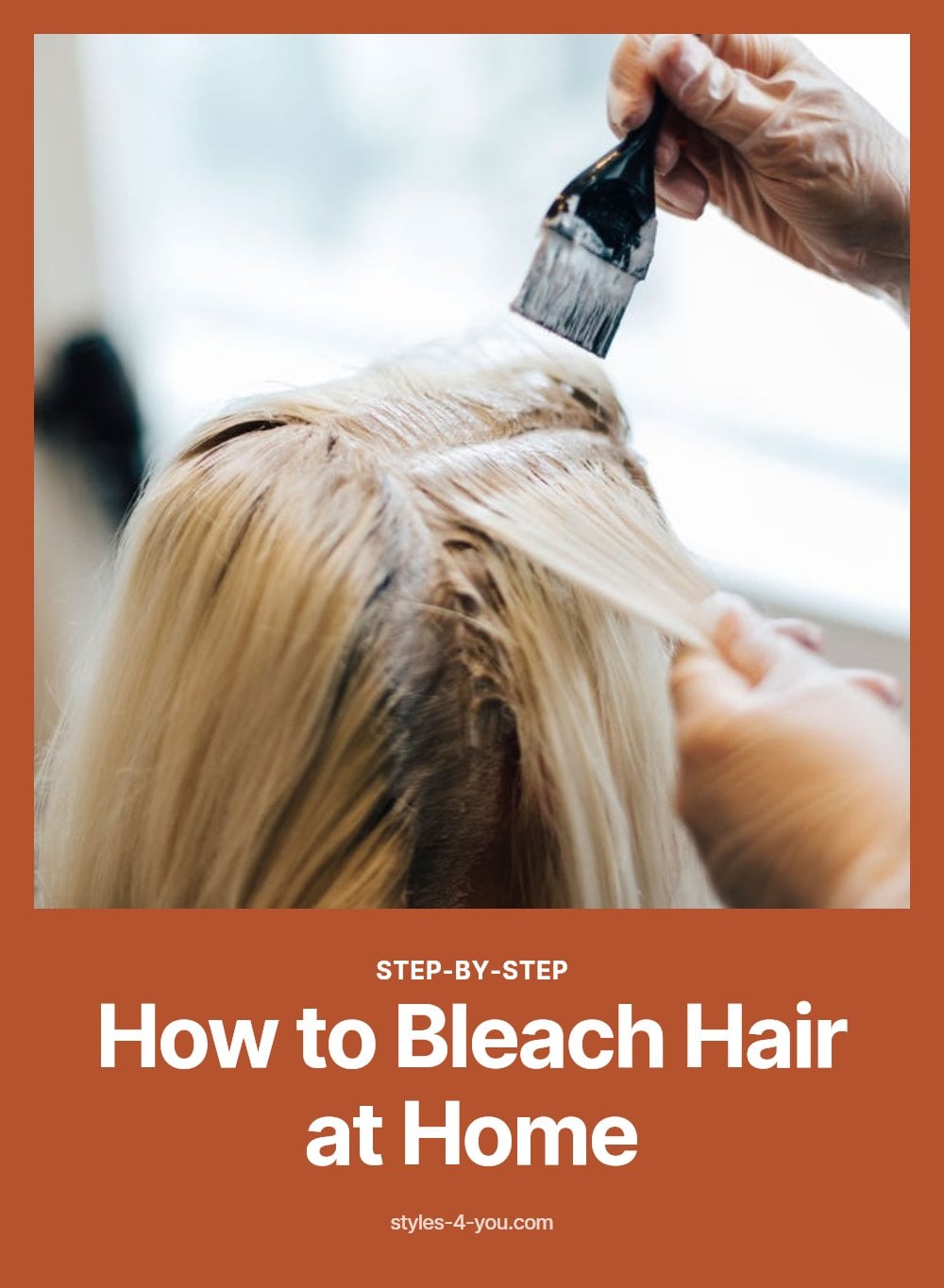
- Apply bleach from mid-shaft to ends: Start about an inch from the scalp and work down. The ends are oldest and need more time.
- Apply to roots last: Body heat speeds up processing on the scalp, so apply bleach to roots only after the rest is coated.
- Check progress: Set a timer and check every 10 minutes. Do not exceed the recommended time, even if the color isn’t light enough.
- Rinse thoroughly: Use cool water and rinse until the water runs clear. Shampoo gently, then follow with a deep conditioner or bond-repairing mask.
Pro move: keep hair saturated but not dripping. If you see dry spots, add more mixture immediately.
Common Bleaching Mistakes to Avoid
Skipping the patch and strand tests: This is the most common mistake. Without a patch test, you risk an allergic reaction. Without a strand test, you have no idea how your hair will lighten or how long it needs to process. Always do both.
Applying bleach unevenly: Patchy color is almost always the result. Section your hair thoroughly and work quickly to keep the application consistent from root to tip.
Leaving bleach on too long or using high-volume developer: Over-processing can turn your hair into a gummy, breaking mess. Never leave bleach on past the recommended time, and stick with 10 or 20 volume developer. Higher volumes are for professionals only.
Post-Bleach Hair Care for Healthy Strands
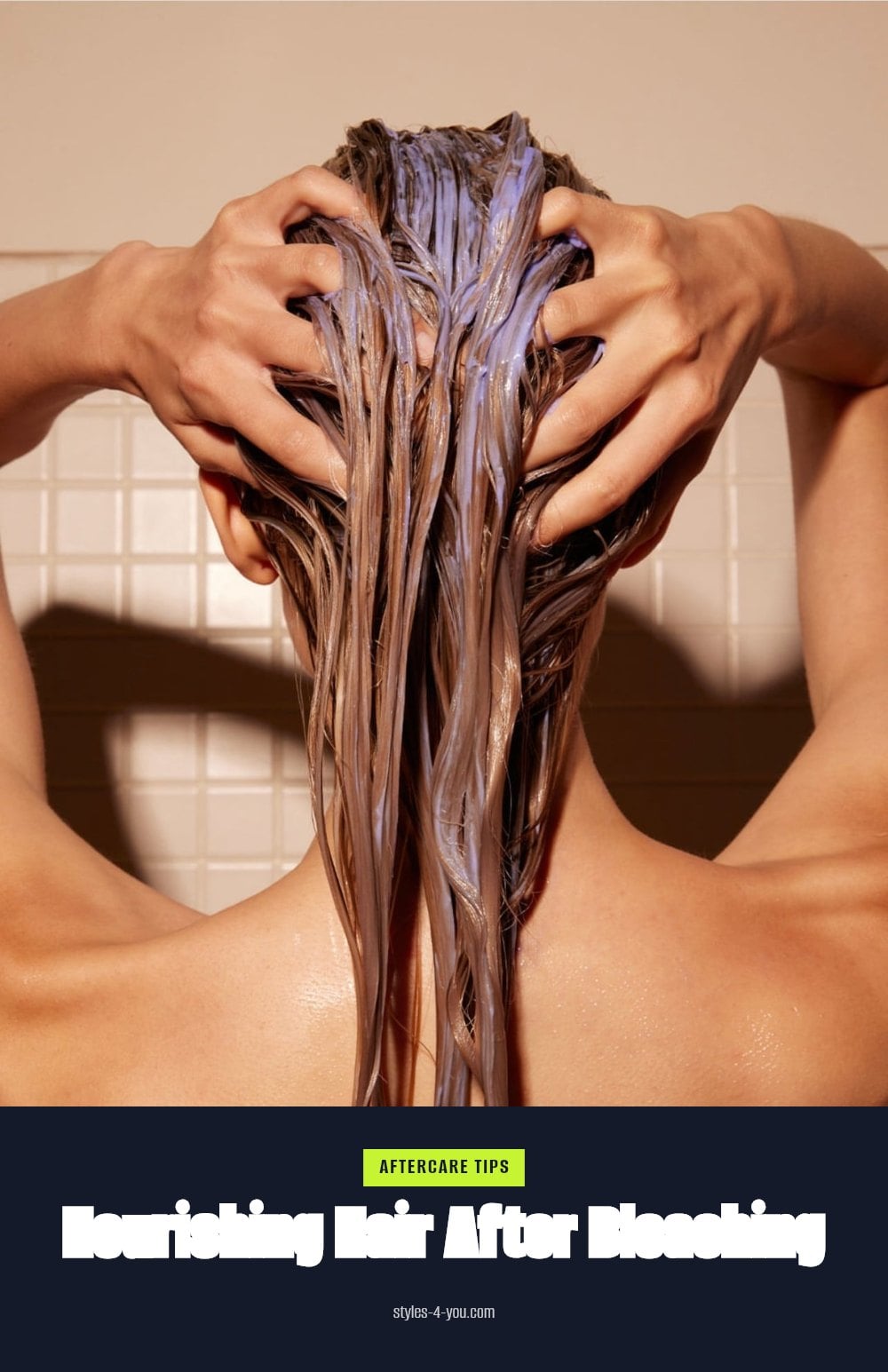
Tone your hair: Bleach often leaves unwanted yellow or orange tones. A toner neutralizes those shades to get a natural-looking blonde. Apply it right after rinsing out the bleach.
Deep condition and repair: Bleach swells the cuticle, so you need to seal it back down. Use a deep conditioner or a bond-repairing treatment immediately. Repeat these treatments weekly for the next month.
Avoid heat and harsh chemicals: Your hair is fragile right after bleaching. Skip blow-dryers, curling irons, and any chemical services for at least two weeks. Let your strands recover.
When to Call a Professional Stylist
If you want a drastic color change (like going from black to platinum) or your hair is already damaged, call a stylist. The same goes if you have previously colored your hair with dark dyes, as the old pigment can react unpredictably with bleach.
Safety first: If you feel severe burning, stinging, or any sign of an allergic reaction on your scalp, stop immediately and rinse the bleach off. Seek medical attention if symptoms persist. Do not try to push through the discomfort.
Frequently Asked Questions
How long does it take for bleach to lighten hair?
Processing time typically ranges from 20 to 45 minutes, but it depends on your hair’s natural color and texture. A strand test will give you a more accurate idea of how long your hair needs. Never leave bleach on longer than the recommended time, even if you’re not happy with the lightness yet.
Can I bleach my hair if it’s already damaged?
It’s risky. Bleach swells the hair cuticle and can worsen existing damage, leading to breakage or a gummy texture. If your hair is dry, brittle, or over-processed, it’s best to consult a professional stylist before attempting any bleach at home.
What should I do if my hair turns orange after bleaching?
Orange tones are a normal stage in the bleaching process. After rinsing out the bleach, apply a toner to neutralize the warmth. If you didn’t reach a pale yellow, you may need to re-bleach, but wait a few days and do a strand test first to avoid over-processing.
How often can I bleach my hair?
It’s generally recommended to wait at least 4 to 6 weeks between bleaching sessions to give your hair time to recover. Overlapping bleach on previously lightened strands can cause severe damage. If your hair feels weak or looks unhealthy, extend the wait or see a professional.
What is the difference between 10 and 20 volume developer?
10 volume developer gives minimal lift, ideal for darker shades or toning. 20 volume is the standard for at-home bleaching, providing a noticeable lift without being too harsh. Higher volumes like 30 or 40 are for professional use only due to higher damage risk.
Final Thoughts
Bleaching your hair at home can work if you’re careful, but it’s not without risk. My tip: always start with a strand test to see how your hair reacts, and stick to 20 volume developer at most. Expect the process to take about 20 to 45 minutes of processing time, plus prep and rinsing, and know that results can vary.
If you’re unsure or your hair is fragile, a professional is the safest choice. Take your time, follow the steps, and your hair will thank you.
This article is for general information only and is not a substitute for professional hair care or medical advice. Bleaching involves chemicals that can cause allergic reactions or damage. Always perform a patch test, and if you experience severe discomfort, burning, or any adverse reaction, stop immediately and consult a doctor or dermatologist.
More Blog ideas
- Your Essential Guide to a Healthy Feminine Hygiene Routine
- Best High Protein Foods to Eat Daily for Health and Energy
- Feeling Stuck: 12 Small Steps to Get Unstuck
- Winter Skin Survival Tips
- How to Get a Flat Stomach
- How to Fix Damaged Hair and Restore Its Health
- Full-Body Kettlebell Workout
- Dry Scalp vs. Dandruff
- Full Body Workout for Beginners
- 21 Easy Beauty Tips Every Woman Should Know
- Feminine Energy: 15 Daily Habits to Feel More Radiant
- Upper Body Workout for Women at Home