Bloated Belly: 9 Natural Ways to Feel Lighter Fast
Discover 9 natural ways to quickly relieve a bloated belly and feel lighter. Learn what causes bloating and when to consult a healthcare professional.


That tight, swollen feeling in your belly can be uncomfortable and frustrating, especially when you just want to feel like yourself again. Bloating is often caused by excess gas or digestive slowdowns, and while it’s usually temporary, it can really put a damper on your day. In this article, I’ll walk you through nine natural ways to ease bloating quickly, plus how to find long-term relief by understanding your own triggers.
Key Takeaways
- Take a 15-minute walk after meals to help move gas through your system.
- Sip peppermint, ginger, or chamomile tea to soothe your digestive tract.
- Drink water steadily throughout the day, not all at once.
- Eat slowly and put your fork down between bites to avoid swallowing air.
- Keep a food diary for one to two weeks to spot your personal bloating triggers.
Quick Relief for a Bloated Belly
Bloating is a common discomfort, often caused by excess gas or digestive issues. For fast relief, try gentle movement, sip on herbal teas, and stay hydrated. These natural remedies can help ease the tightness within minutes to a few hours. For long-term results, identify your triggers and adjust your diet and lifestyle. If bloating persists or worsens, consult a healthcare professional.
1. Move Your Body Gently
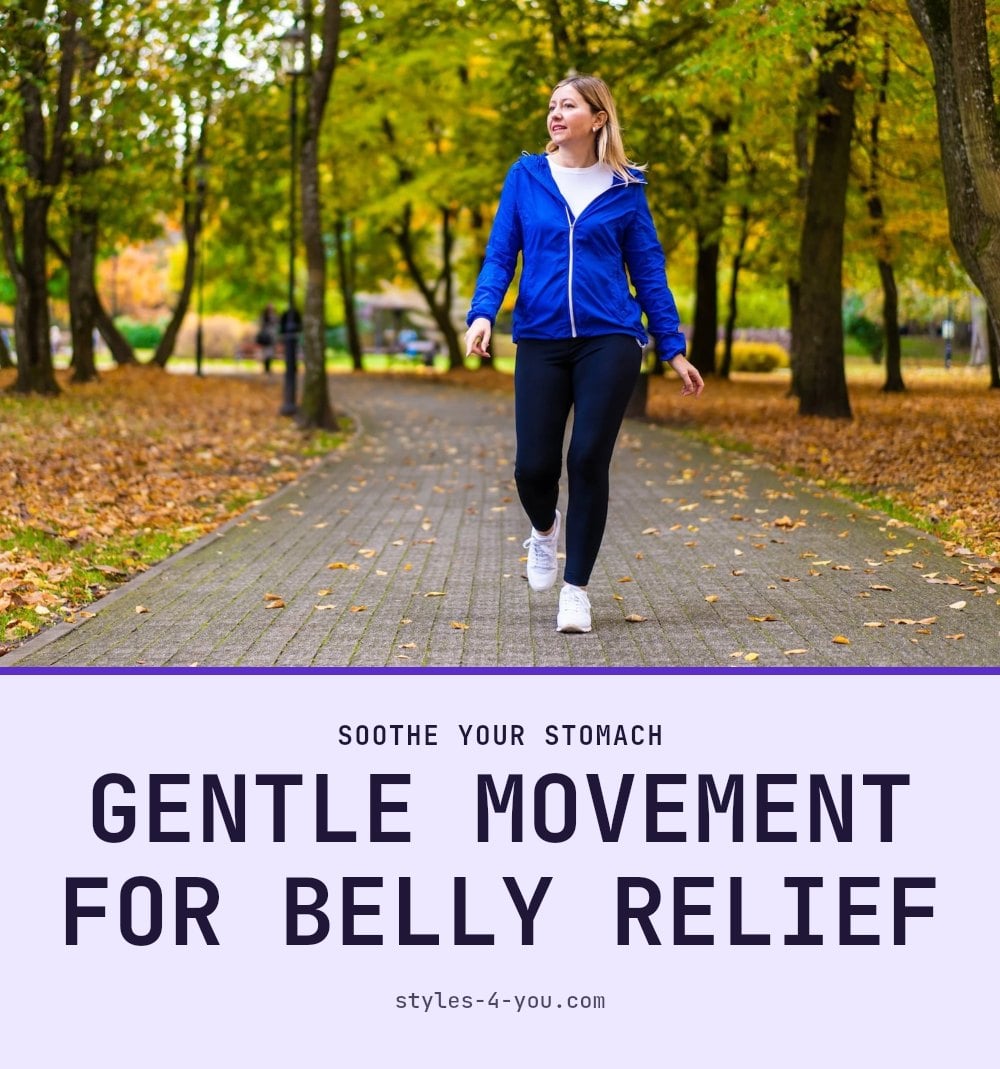
Even a short walk can help move gas through your digestive system, offering quick relief. Regular physical activity is key to preventing future bloating.
- Take a 15-minute walk after meals to aid digestion.
- Keep a steady pace, not too intense, to avoid discomfort.
- Incorporate daily movement, like stretching or yoga, to support gut motility.
My tip: I usually schedule a brief walk after dinner, and it makes a noticeable difference in how I feel.
2. Sip on Herbal Teas

Peppermint, ginger, and chamomile teas are known for their soothing digestive properties. They can help relax the digestive tract and reduce gas.
- Peppermint may ease spasms and promote bile flow.
- Ginger can help settle the stomach and reduce nausea.
- Chamomile relaxes muscles and calms the gut.
My tip: Keep a variety on hand for different moods and needs, like peppermint after a heavy meal and chamomile before bed.
3. Hydrate Thoughtfully

Drinking enough water helps prevent constipation, a common cause of bloating. Dehydration can sometimes lead to water retention, paradoxically causing bloating.
- Sip water steadily throughout the day rather than chugging large amounts at once.
- Aim for pale yellow urine as a simple hydration check.
- Limit carbonated drinks to avoid extra gas.
Don’t cut back on water thinking it will reduce bloating; it can actually make it worse.
4. Eat Slowly and Mindfully

Eating too quickly or talking while you chew can cause you to swallow excess air, which adds to bloating. Chew each bite thoroughly to break down food and reduce gas production later.
My tip: Put your fork down between bites. It forces you to slow down and gives your stomach time to signal fullness before you overeat.
5. Apply Warmth to Your Abdomen
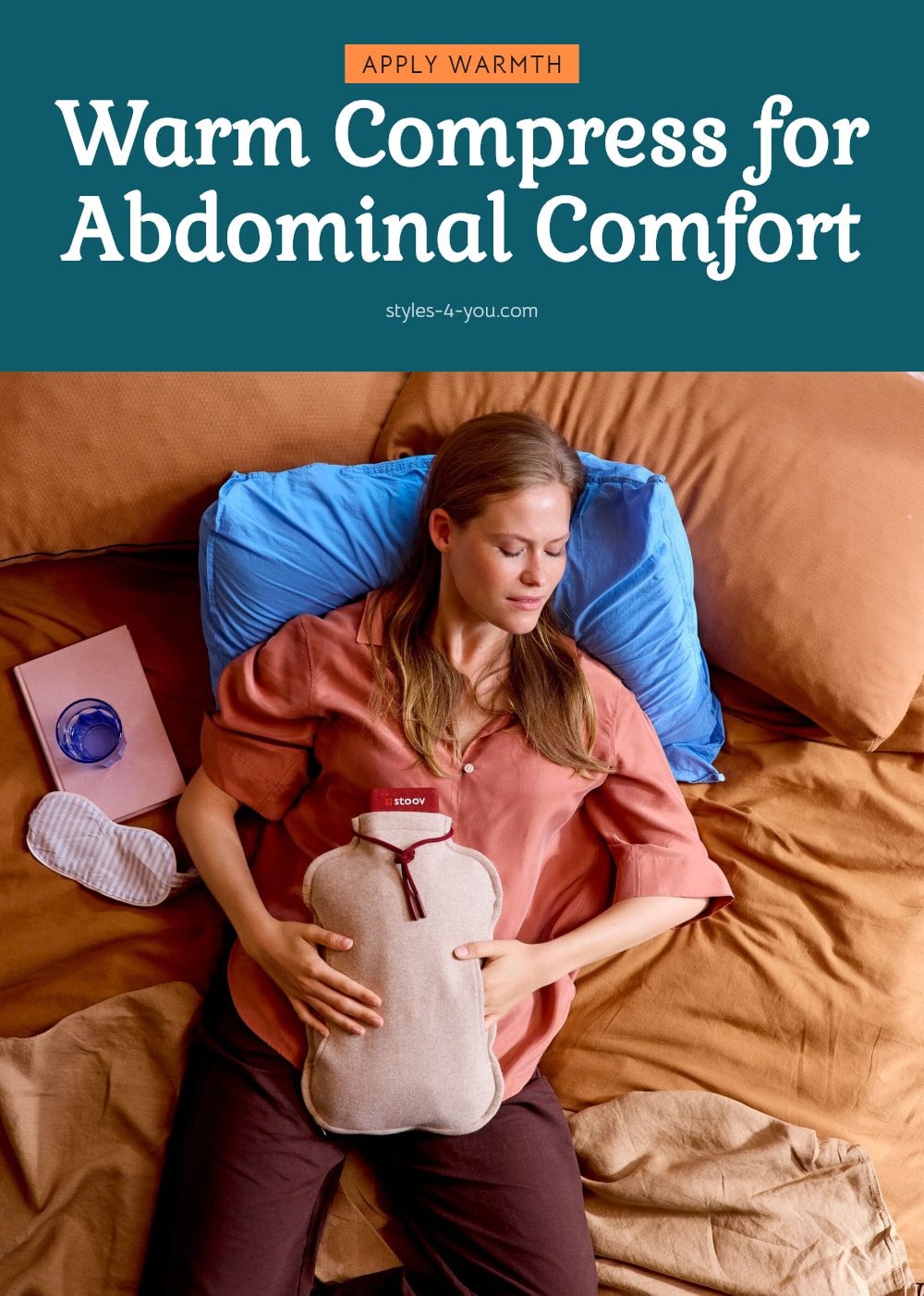
Applying warmth to your abdomen can relax the muscles in your digestive tract and help move trapped gas along. A warm bath or a heating pad placed on your belly works well for this.
My tip: This is my go-to for quick, soothing relief when I feel tight. I lie down with a heating pad for 10 to 15 minutes and usually feel better afterward.
6. Consider Probiotic-Rich Foods
Probiotics may help balance your gut flora, which can reduce gas and bloating in some people. Include fermented foods like yogurt, kefir, sauerkraut, or kimchi in your meals.
Tip: Start with small amounts to see how your body reacts. A few tablespoons of sauerkraut or a single serving of yogurt is enough to begin.
7. Manage Stress Levels
Stress and anxiety can slow digestion and make bloating worse by affecting the gut-brain connection. Practice stress-reduction techniques like deep breathing, meditation, or gentle yoga to calm your system.
Good to know: Even 5 minutes of mindful breathing can make a difference. I do it before meals to help my body switch to a relaxed, digesting state.
8. Watch Your Sodium Intake
High sodium intake can lead to water retention, which directly contributes to that tight, bloated feeling. Processed foods like canned soups, deli meats, and frozen meals are often loaded with hidden sodium, even if they don’t taste salty.
Pro move: Cook at home more often so you control exactly how much salt goes into your food. Use herbs, spices, or citrus to add flavor without the sodium. Reading nutrition labels on packaged goods also helps you spot surprising sources of salt.
9. Identify Your Food Triggers
Common triggers for bloating include high-fiber foods, artificial sweeteners, carbonated drinks, and certain carbohydrates called FODMAPs. What bothers one person may be fine for another, so knowing your own triggers is key.
Keeping a food diary for a week or two can help you spot patterns between what you eat and how you feel. Quick tip: Don’t cut out entire food groups without professional guidance. Instead, try eliminating one suspected trigger at a time to see if symptoms improve.
When to Consult a Doctor
Most bloating resolves on its own with simple lifestyle adjustments, but some symptoms require medical attention. See a doctor if your bloating is severe, persists for more than a few days, or keeps getting worse.
Also consult a healthcare professional if you experience any of these alongside bloating:
- Severe abdominal pain or vomiting
- Blood in your stool or unexplained weight loss
- Fever, changes in bowel habits, or difficulty swallowing
These can signal an underlying condition that needs proper diagnosis and treatment.
Frequently Asked Questions
How long does it take for bloating to go away?
Quick relief methods like walking, herbal tea, or applying warmth can ease symptoms within minutes to a few hours. If bloating is tied to a specific food or habit, it may take a day or two to fully subside. For chronic bloating, identifying triggers through a food diary and making consistent changes may take a week or two to show results.
Can stress cause a bloated belly?
Yes, stress and anxiety can slow digestion and worsen bloating through the gut-brain connection. When you’re stressed, your body may produce more gas or have trouble moving food through your system. Practicing stress-reduction techniques like deep breathing, meditation, or gentle yoga can help calm your digestive system and reduce bloating.
Are there foods that help reduce bloating?
Foods rich in probiotics, like yogurt, kefir, sauerkraut, or kimchi, may help balance your gut flora and reduce gas. Ginger and peppermint teas are also known for soothing the digestive tract. Eating smaller, more frequent meals and chewing thoroughly can prevent bloating, while staying hydrated supports regular digestion.
What is the best drink for a bloated stomach?
Water is the best choice for a bloated stomach, as it helps prevent constipation and reduces water retention. Sip it steadily throughout the day rather than chugging. Herbal teas like peppermint, ginger, or chamomile can also provide soothing relief by relaxing the digestive tract and easing gas.
Is it normal to be bloated every day?
Occasional bloating is normal, but daily bloating may signal a pattern worth exploring. Common causes include eating too quickly, high-sodium meals, or a sensitivity to certain foods like FODMAPs. If you’re bloated every day, consider keeping a food diary and reviewing your habits. If it persists or is uncomfortable, talk to a healthcare professional.
Final Thoughts
For quick relief, try a gentle walk, a warm compress, or a cup of herbal tea. These simple actions can help you feel lighter within minutes to a few hours. For lasting change, pay attention to your eating habits, stress levels, and sodium intake. Remember, most bloating resolves on its own with small adjustments, but if it persists for more than a few days or is severe, check in with a healthcare professional. You deserve to feel comfortable in your own body.
This article is for general informational purposes only and is not a substitute for professional medical advice. Bloating can have many causes, and what works for one person may not work for another. If you experience severe, persistent, or worsening bloating, or if it’s accompanied by pain, vomiting, blood in stool, or fever, please consult a doctor or qualified healthcare provider.
More Blog ideas
- Your Essential Guide to a Healthy Feminine Hygiene Routine
- Best High Protein Foods to Eat Daily for Health and Energy
- Feeling Stuck: 12 Small Steps to Get Unstuck
- Winter Skin Survival Tips
- How to Get a Flat Stomach
- How to Fix Damaged Hair and Restore Its Health
- Full-Body Kettlebell Workout
- Dry Scalp vs. Dandruff
- Full Body Workout for Beginners
- 21 Easy Beauty Tips Every Woman Should Know
- Feminine Energy: 15 Daily Habits to Feel More Radiant
- Upper Body Workout for Women at Home






