Blow Drying Mistakes to Avoid for Healthy, Shiny Hair
Learn the common blow drying mistakes that damage your hair and discover easy fixes to achieve a smooth, healthy finish every time.

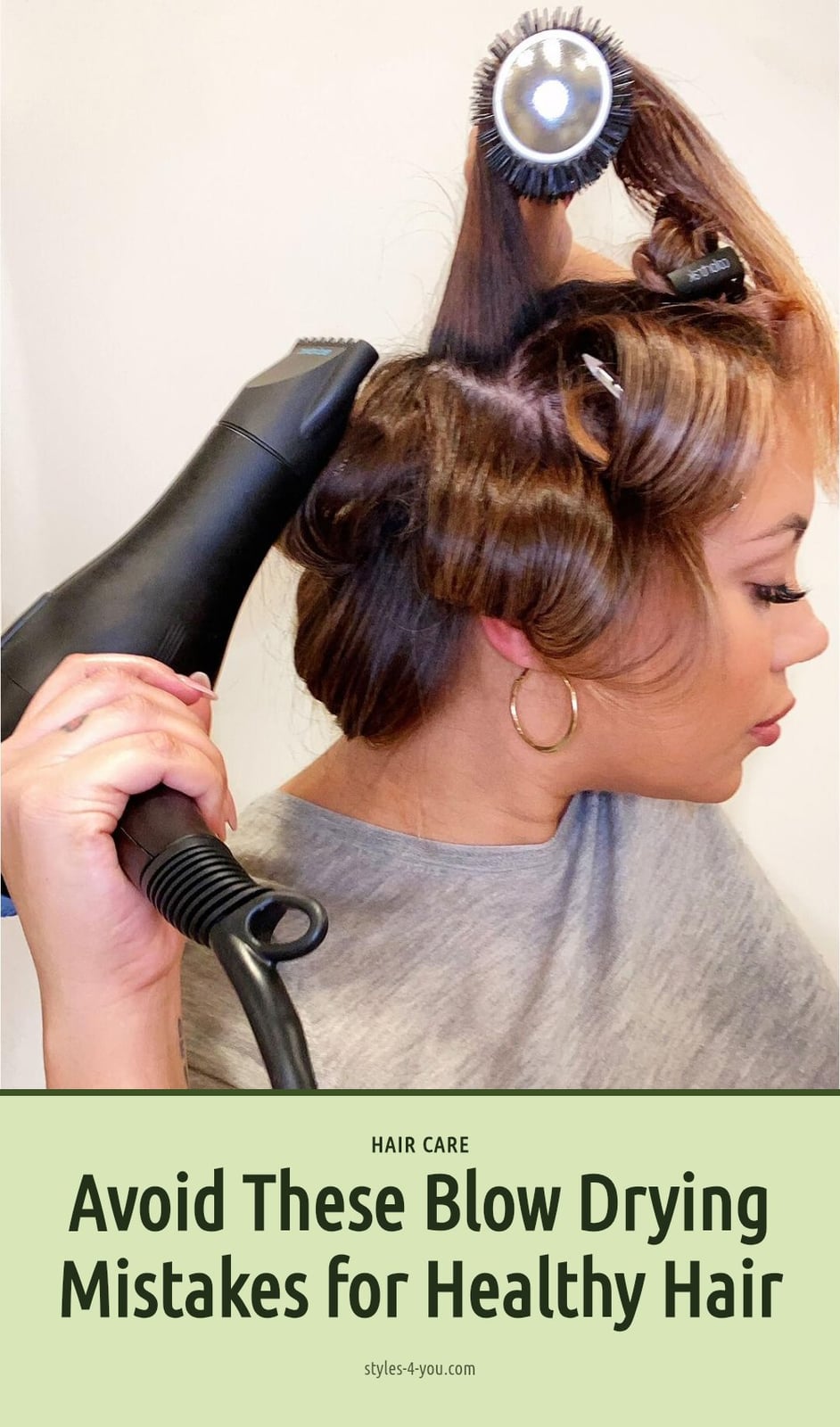
If your blow dry leaves your hair looking frizzy or feeling brittle, you might be making a few common mistakes without realizing it. The wrong technique can strip moisture, lift the cuticle, and cause breakage over time. This article walks you through the biggest blow drying errors to avoid and shares simple fixes so you can get a smooth, shiny finish every time.
Key Takeaways
- Always apply a heat protectant spray on damp hair before blow drying.
- Blot hair with a microfiber towel first, never rub with a terrycloth towel.
- Hold the dryer 6-8 inches away and keep it moving to avoid heat damage.
- Finish with the cool shot to seal the cuticle and boost shine.
- Clean your dryer’s filter regularly to prevent overheating and maintain airflow.
Why Your Blow Drying Routine Might Be Damaging Your Hair
If your hair feels dry, frizzy, or breaks easily after blow drying, your technique might be the culprit. Excessive heat, skipping heat protectant, and improper drying methods can strip moisture and lift the cuticle. The good news is that simple adjustments to your tools, products, and approach can protect your hair and give you smoother results. With the right habits, you can style without sacrificing health.
Your Essential Tools for a Perfect Blow Dry
Before you start, gather these essentials to make your blow dry faster and safer.
- Blow dryer with nozzle: The nozzle concentrates airflow for precise, even drying and prevents frizz.
- Heat protectant spray: A must-have barrier that minimizes heat damage on damp hair.
- Microfiber towel: Softer than terrycloth, it reduces friction and frizz when blotting.
- Hair clips: They keep sections separated so you dry each part thoroughly.
- Round or paddle brush: Choose round for volume and curls, paddle for smoothing straight styles.
Common Blow Drying Mistakes and How to Fix Them
Avoid these common mistakes to keep your hair healthy.
- No heat protectant: Always spray it evenly on damp hair before drying. It creates a protective barrier.
- Too wet hair: Blot with a microfiber towel first. Starting soaking wet lengthens drying time and heat exposure.
- High heat: Use low or medium settings for most hair types. Reserve high heat only for very thick, coarse hair and only during the initial rough-dry phase.
- Skipping the nozzle: Attach it to direct airflow precisely and stop hair from flying around.
- Drying against the cuticle: Aim airflow down the hair shaft, from roots to ends, to keep the cuticle flat.
- Holding dryer too close: Keep it 6-8 inches away to avoid concentrating heat.
- Over-drying: Stop at 95% dry. Complete dryness causes static and brittleness.
- No cool shot: Finish with a cool blast to seal the cuticle and boost shine.
Step-by-Step: The Right Way to Blow Dry Your Hair
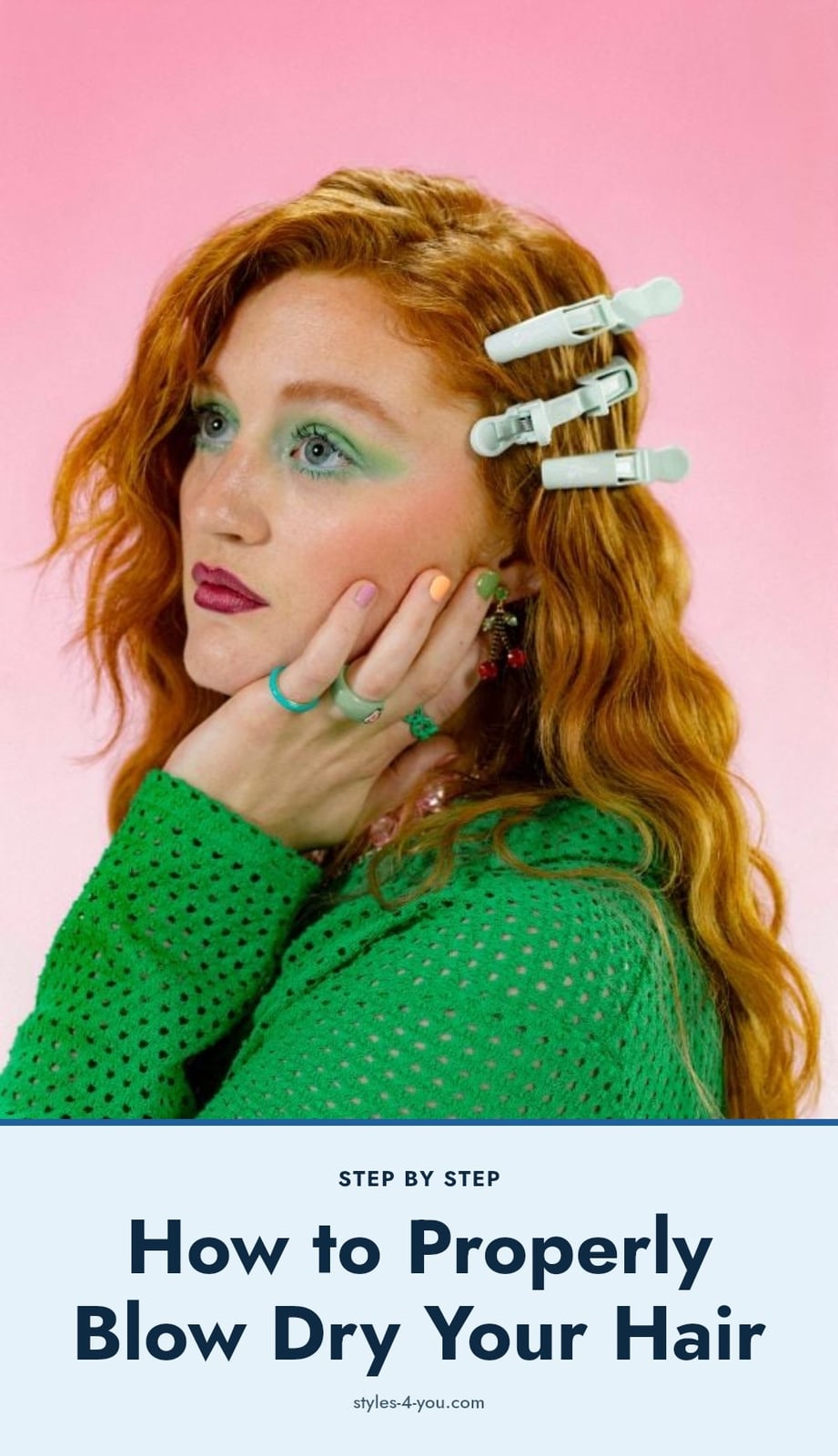
Start by gently blotting your hair with a microfiber towel to remove excess water. Avoid rubbing, as that rough friction lifts the cuticle and invites frizz. Your hair should be damp, not dripping, before you pick up the dryer.
Spray a heat protectant evenly from roots to ends. This barrier is your first defense against moisture loss and breakage. Comb through with your fingers to ensure every strand is covered.
Rough-dry your hair on a low heat setting until it’s about 60 to 80 percent dry. This reduces the time you’ll spend with the nozzle on high heat, which is where most damage happens. Keep the dryer moving in broad strokes so no section gets overexposed.
Section your hair into manageable parts using clips. Start with the bottom layers, pinning the top away. Working in small sections lets you dry each part thoroughly without repeatedly passing over the same area.
- Attach the nozzle: Always use the nozzle to concentrate airflow. Without it, hair flies around and dries unevenly.
- Direct airflow down: Point the nozzle downward, from roots to ends, to smooth the cuticle. Drying against it lifts the cuticle and causes dullness.
- Keep moving: Hold the dryer 6 to 8 inches from your hair and move it constantly. Pausing in one spot concentrates heat and risks burns.
- Finish with cool: After each section is dry, hit it with the cool shot button for a few seconds. This seals the cuticle, locks in shine, and helps your style hold.
Work through all sections the same way, then give your whole head a final cool blast. Stop when your hair is about 70-80 percent dry; leaving that bit of moisture prevents over-drying and brittleness.
Pro Tips for a Salon-Quality Blow Dry at Home
My tip: always keep the dryer moving. Holding it still over one spot concentrates heat and can cause burns or damage. Sweep the nozzle continuously along each section.
For volume, lift the roots with a round brush while you dry. Wrap the brush under the hair at the scalp and pull upward as you aim the airflow at the roots. This creates lift that lasts longer.
Use a leave-in conditioner before drying. It adds moisture and makes detangling easier, which reduces pulling and breakage. Apply a small amount to damp hair, focusing on the ends.
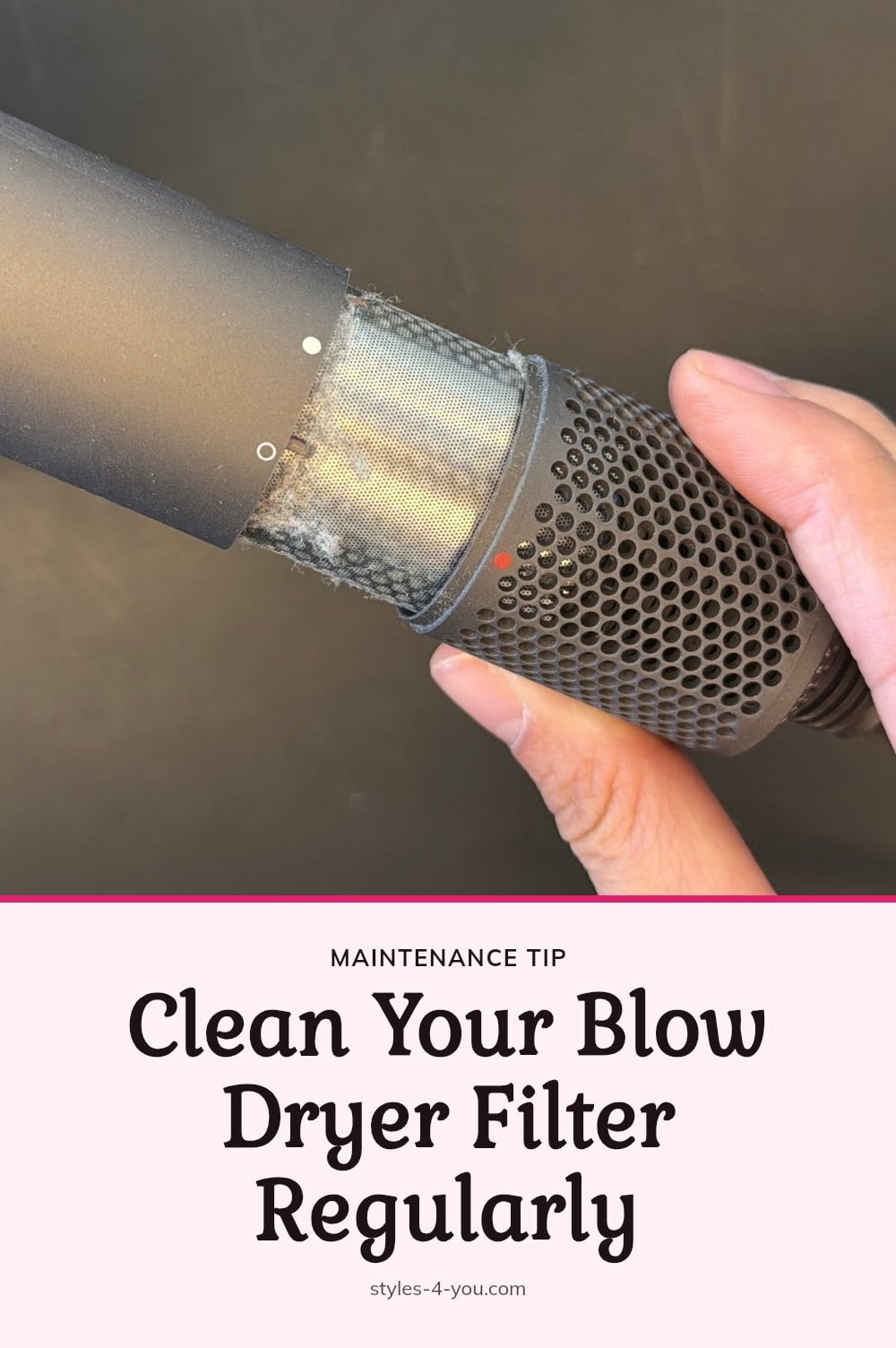
Clean the dryer’s filter regularly. A clogged filter reduces airflow, makes the dryer work harder, and can overheat. I check mine once a month and wipe it with a dry cloth.
Protecting Your Hair From Heat Damage Long-Term
To keep your hair healthy over time, cut back on blow drying frequency. Aim to dry your hair only when necessary, not every day. Letting it air dry on off days gives your strands a break from heat.
Invest in a quality blow dryer with multiple heat settings. Lower heat options let you tailor the temperature to your hair type, reducing unnecessary stress. Regular trims every 6-8 weeks keep ends healthy and prevent split ends from traveling up the shaft.
Deep conditioning is non-negotiable. Use a weekly mask to replenish moisture lost to heat styling. Look for ingredients like argan oil or shea butter. Tip: Apply the mask to damp hair and leave it on for 10-15 minutes for best results.
Frequently Asked Questions
How often should I clean my blow dryer filter?
Clean the filter at least once a month. If you use your dryer daily or have long, thick hair, check it every two weeks. A clogged filter reduces airflow, makes the dryer work harder, and can cause it to overheat, which risks damaging both your hair and the appliance.
What is the best heat setting for fine hair?
For fine hair, stick to the low or medium heat setting. High heat can easily cause dryness, brittleness, and breakage. Start with low heat and only move to medium if needed, and always pair it with a heat protectant. Fine hair dries faster, so lower heat is usually sufficient.
How can I prevent static after blow drying?
Static happens when hair is over-dried or dried too aggressively. To prevent it, stop drying while your hair is still slightly damp, then let it air dry the rest of the way. You can also finish with a cool shot to seal the cuticle and smooth a tiny amount of leave-in conditioner or a drop of hair oil over the ends.
Can I air dry my hair instead of blow drying?
Yes, air drying is a great way to give your hair a break from heat. On days you don’t need a polished look, simply blot excess water with a microfiber towel and let your hair dry naturally. This reduces cumulative heat damage and helps maintain moisture. Just avoid going to bed with wet hair, as it can cause breakage.
Final Thoughts
My tip: make the cool shot a non-negotiable final step. It only takes a few seconds but seals the cuticle, locks in smoothness, and adds noticeable shine. Realistically, a good blow dry takes 10-30 minutes depending on your hair, and you don’t need to do it every day. Give your hair a break with air drying on off days, and you’ll see less damage over time.
More Blog ideas
- Your Essential Guide to a Healthy Feminine Hygiene Routine
- Best High Protein Foods to Eat Daily for Health and Energy
- Feeling Stuck: 12 Small Steps to Get Unstuck
- Winter Skin Survival Tips
- How to Get a Flat Stomach
- How to Fix Damaged Hair and Restore Its Health
- Full-Body Kettlebell Workout
- Dry Scalp vs. Dandruff
- Full Body Workout for Beginners
- 21 Easy Beauty Tips Every Woman Should Know
- Feminine Energy: 15 Daily Habits to Feel More Radiant
- Upper Body Workout for Women at Home






