Your Ultimate Body Care Routine for Healthy Skin
Learn how to establish a simple body care routine. Discover steps for cleansing, exfoliating, and moisturizing to achieve soft, healthy skin.

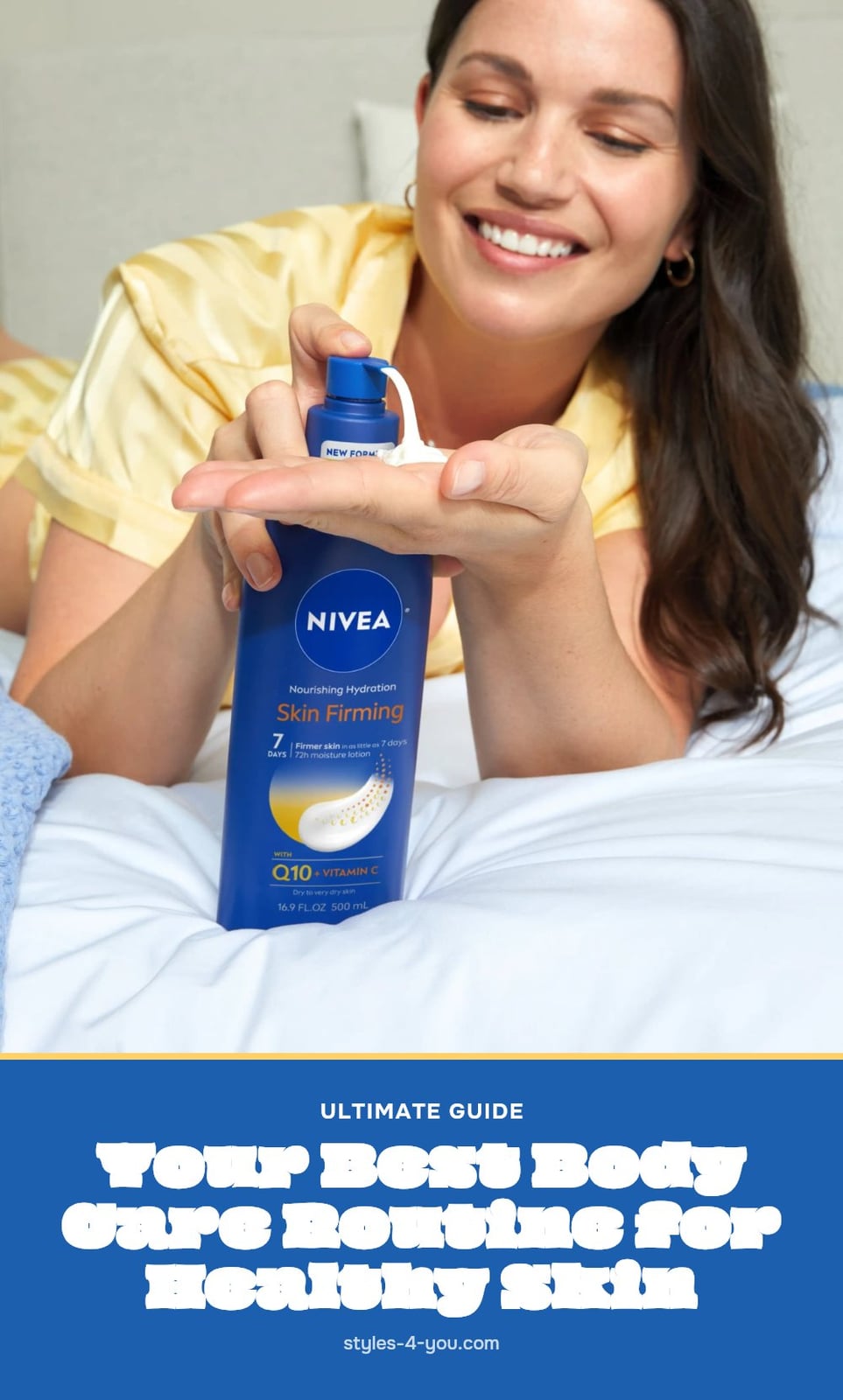
You’ve got your face care down, but what about the rest of you? A consistent body care routine can transform your skin from neck to toe, smoothing rough patches and keeping everything hydrated. This article walks you through the essential steps, cleansing, exfoliating, moisturizing, and sun protection, so you can build a routine that actually works for you.
Key Takeaways
- Cleanse daily with a gentle, sulfate-free body wash to avoid stripping natural oils.
- Exfoliate 1-3 times per week using a physical scrub or chemical exfoliant with AHAs/BHAs.
- Moisturize immediately after showering while skin is still damp to lock in hydration.
- Apply broad-spectrum sunscreen SPF 30+ to all exposed skin, even on cloudy days.
- Pat skin dry with a towel instead of rubbing to protect your moisture barrier.
Your Daily Body Care Routine
A body care routine is your daily plan for cleansing, moisturizing, and protecting the skin from your neck down. Consistency is what prevents dryness, smooths texture, and tackles rough patches like elbows and knees. Just like your face, your body responds to a tailored approach, so adjust your routine to your skin type and specific concerns.
1. Choose a Gentle Body Cleanser

Start each day with a gentle, hydrating body wash to remove dirt, sweat, and oil without stripping your skin’s natural moisture. Harsh bar soaps can disrupt your skin barrier, leaving you dry and irritated.
- Look for: sulfate-free formulas with glycerin or hyaluronic acid.
- Avoid: high-foaming soaps with strong fragrances.
My tip: check the ingredient list. If you see sulfates high up, put it back.
2. Shower with Lukewarm Water
Turn the tap to lukewarm. Hot water strips your skin’s natural oils, which leads to dryness and irritation. Lukewarm water protects your moisture barrier, keeping your skin comfortable. This simple switch makes a big difference in preventing post-shower tightness, so keep the temperature moderate.
3. Exfoliate 1-3 Times Weekly

Exfoliating removes dead skin cells, revealing smoother skin and helping your moisturizer absorb better. You have two main options: physical exfoliants like scrubs or dry brushing, and chemical exfoliants with AHAs or BHAs that dissolve dead cells.
- Physical: use gentle circular motions, avoid broken skin.
- Chemical: apply to dry skin, follow label instructions.
My tip: don’t overdo it. 1-3 times a week is plenty for most skin types.
4. Pat Skin Dry, Don’t Rub
After cleansing, gently pat your skin dry with a soft towel. Rubbing creates friction that can irritate sensitive skin and disrupt your moisture barrier. Patting leaves a thin layer of water on your skin, which helps your moisturizer absorb better in the next step.
5. Moisturize on Damp Skin

Apply your body lotion, cream, or oil immediately after showering while your skin is still damp. This locks in hydration and prevents transepidermal water loss, where moisture evaporates from the skin’s surface. My tip: Moisturizing damp skin enhances the product’s ability to trap moisture, keeping your skin soft longer.
6. Don’t Forget Sunscreen Daily

Sun protection is crucial for preventing sun damage, premature aging, and reducing the risk of skin cancer on exposed body areas. Apply a broad-spectrum sunscreen with SPF 30+ to any exposed skin, even on cloudy days.
- My tip: Consistent daily sunscreen use is the best anti-aging secret for your body. Make it a habit to apply before heading out, and reapply every two hours if you’re outdoors or after swimming or sweating.
7. Address Specific Body Concerns
Don’t ignore areas like your back, feet, and hands in your routine. For concerns like bacne or keratosis pilaris, incorporate targeted treatments such as salicylic acid washes or lotions. Tip: For very dry areas, consider ‘slugging’ overnight with an occlusive balm to seal in moisture.
8. Patch Test New Products
Always perform a patch test for new body care products, especially if you have sensitive skin. Apply a small amount to an inconspicuous area, like your inner arm, and wait 24-48 hours. This helps ensure you won’t have an allergic reaction or irritation before widespread use.
Tip: Test chemical exfoliants or new treatments on a small patch behind your knee or on your inner elbow. If no redness or stinging appears after two days, you can safely use the product on larger areas.
9. Stay Hydrated from Within

While topical products are essential, drinking enough water contributes to overall skin health. Hydration from within helps maintain skin elasticity and a healthy glow. Think of it as supporting your body care routine from the inside out.
Good to know: Aim for around 8 cups of water daily, more if you are active or live in a dry climate. Your skin will look plumper and feel less tight when you stay properly hydrated.
10. Be Consistent with Your Routine
The most effective body care routine is one you can stick to consistently. Visible improvements in skin texture and hydration often appear within a few weeks of regular practice. It is a marathon, not a sprint.
Pro move: Keep your body lotion next to the shower or set a nightly alarm. When your routine becomes a habit, you stop relying on motivation and start seeing real, lasting results.
11. Don’t Overdo It
Using too many products or over-exfoliating can compromise your skin’s natural barrier. Listen to your skin: if you experience redness, itching, or irritation, scale back or stop using certain products. Simplicity and consistency often yield the best results for healthy, smooth skin.
Caution: If you notice tightness or flaking after exfoliating, reduce frequency or switch to a gentler method. Your skin will tell you when it has had enough.
When to See a Dermatologist
If you have persistent skin conditions like eczema, psoriasis, or severe acne that don’t improve with over-the-counter care, it’s time to see a dermatologist. The same goes for any new or changing moles, unusual rashes, or skin infections. These need professional evaluation to rule out underlying issues.
Caution: If a product causes severe redness, burning, or a persistent rash, stop using it right away and book an appointment. Your skin barrier may be damaged, and a doctor can recommend the right treatment plan to restore it safely.
Frequently Asked Questions
How often should I exfoliate my body?
Exfoliate 1-3 times per week, depending on your skin type and sensitivity. If you have dry or sensitive skin, start with once a week and gradually increase. Over-exfoliating can irritate your skin barrier, so listen to your skin and scale back if you notice redness or irritation.
Can I use my facial cleanser on my body?
You can, but it’s usually not ideal. Facial cleansers are formulated for the thinner, more delicate skin on your face. Body washes are designed to address different concerns, like larger pores or thicker skin on areas like legs and arms. For best results, use a dedicated body cleanser.
What is slugging and should I try it?
Slugging means applying an occlusive balm, like petroleum jelly, to very dry areas of your body overnight to seal in moisture. It can be helpful for chronically dry spots like elbows, knees, or feet. If you have acne-prone skin, avoid it on those areas, as it may clog pores.
How long does it take to see results from a body care routine?
With consistent practice, you can often notice visible improvements in skin texture and hydration within a few weeks. Smoother, more comfortable skin usually appears after about two to four weeks of regular cleansing, exfoliating, and moisturizing. Patience and sticking with it matter most.
Is hot water bad for my skin?
Yes, hot water can strip your skin of its natural oils, leading to dryness and irritation. Lukewarm water is ideal because it cleanses effectively without compromising your moisture barrier. This simple switch helps prevent that tight, uncomfortable feeling after showering.
Final Thoughts
Start with the basics: a gentle cleanser, lukewarm water, and a moisturizer you apply right after patting dry. Exfoliate just once or twice a week to start, and always wear sunscreen on exposed areas. Realistically, you can expect to see smoother, more hydrated skin within a few weeks of sticking to this routine. The key is consistency, not perfection.
This article provides general information about body care routines and is not a substitute for professional medical advice. If you have a persistent skin condition, such as eczema, psoriasis, or severe acne, or if you notice any concerning changes in your skin, consult a dermatologist for personalized guidance.
More Blog ideas
- Your Essential Guide to a Healthy Feminine Hygiene Routine
- Best High Protein Foods to Eat Daily for Health and Energy
- Feeling Stuck: 12 Small Steps to Get Unstuck
- Winter Skin Survival Tips
- How to Get a Flat Stomach
- How to Fix Damaged Hair and Restore Its Health
- Full-Body Kettlebell Workout
- Dry Scalp vs. Dandruff
- Full Body Workout for Beginners
- 21 Easy Beauty Tips Every Woman Should Know
- Feminine Energy: 15 Daily Habits to Feel More Radiant
- Upper Body Workout for Women at Home






