Body Scrubbing for Beginners: How Often and How to Do It
Unlock smoother, brighter skin with proper body scrubbing! Learn how often to exfoliate, the right technique, and common mistakes to avoid.

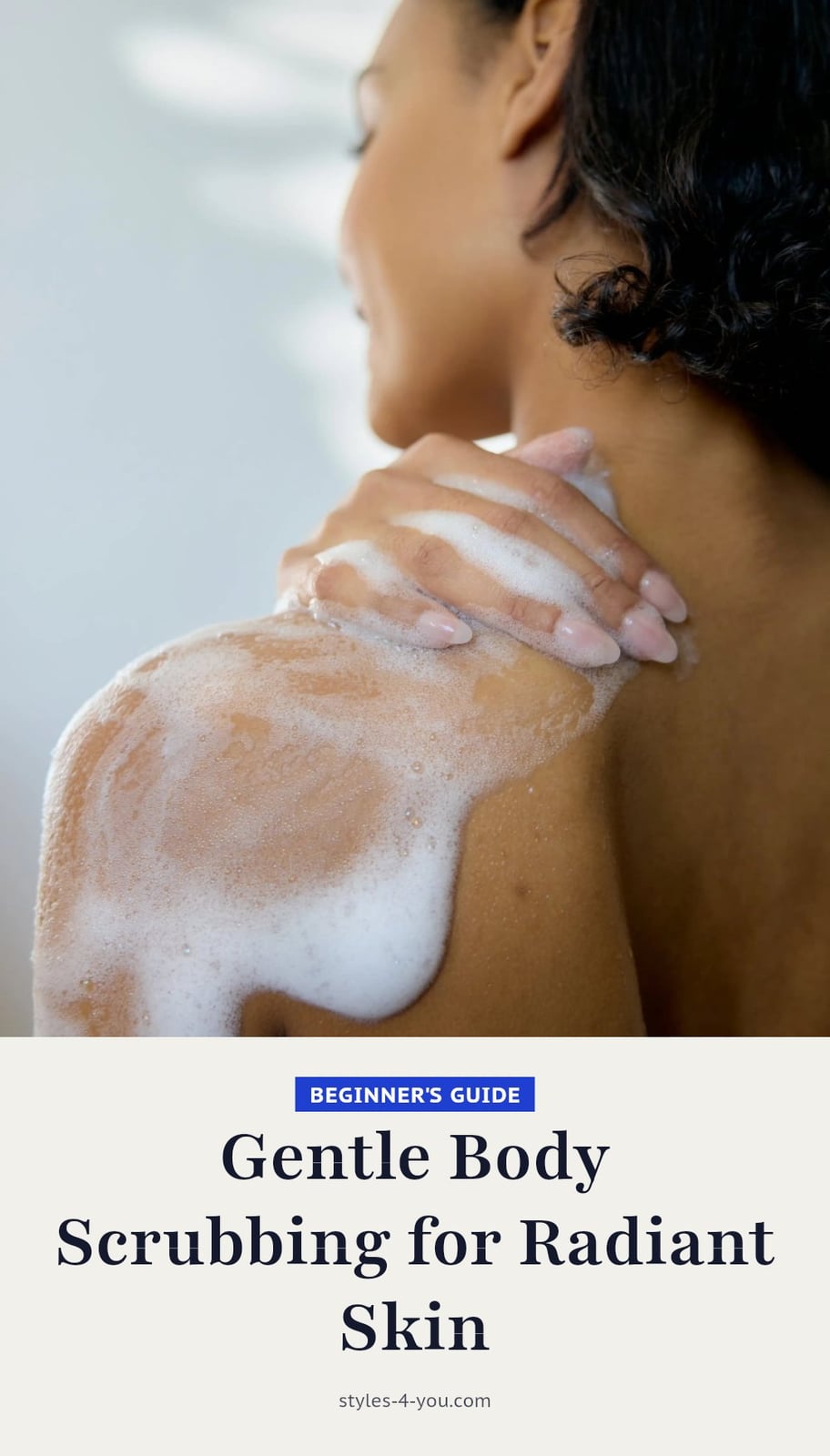
Starting a body scrubbing routine can feel a little confusing at first. You want smooth, glowing skin, but you also don’t want to overdo it and end up with irritation. This article covers exactly how often to scrub, the right way to do it, and the common mistakes to skip so you can get the best results without the guesswork.
Key Takeaways
- Scrub your body 1-3 times per week, adjusting based on your skin type and the scrub you use.
- Always apply the scrub to damp skin in the shower using gentle, circular motions.
- Rinse thoroughly and follow up with a rich moisturizer or body oil immediately after.
- Stop scrubbing if you see redness, stinging, or dry patches. Those are signs of over-exfoliation.
- Avoid scrubbing over broken skin, cuts, rashes, sunburns, or active skin conditions like eczema.
What is Body Scrubbing and Why Should You Do It?
Body scrubbing is physical exfoliation that removes dead skin cells from the surface of your body. The result is smoother, brighter skin, and regular scrubbing can even help prevent ingrown hairs by clearing the follicles. The key is choosing the right product and technique so you get the glow without irritation.
Your Essential Body Scrubbing Toolkit
You need a few basics to do it right.
- Body scrub: Sugar-based for gentleness, salt-based for deeper exfoliation, or coffee-based to boost circulation.
- Optional tools: A loofah, exfoliating gloves, or a body brush can help, but your hands work fine.
- Body wash or soap: Cleanse your skin first so the scrub can reach fresh skin.
- Rich moisturizer or body oil: Apply immediately after rinsing to lock in hydration.
Step-by-Step Guide to Perfect Body Scrubbing

Start your scrub session by taking a warm shower for 5-10 minutes. Warm water softens the skin and opens pores, which makes the exfoliation more effective and less harsh.
- Wet your skin: Make sure your skin is damp before you reach for the scrub. Dry scrubbing is too abrasive and can cause micro-tears.
- Apply the scrub: Scoop a generous amount into your palm and work it into your damp skin using gentle, circular motions. Start from your feet and move upward toward your heart to support circulation.
- Focus on rough zones: Spend extra time on elbows, knees, heels, and any areas with dry patches. These spots benefit from a few more circles, but keep the pressure light.
- Rinse thoroughly: Use lukewarm water to wash off every last granule. Leftover scrub particles can irritate skin after you step out of the shower.
- Pat dry and moisturize: Gently pat your skin with a towel, no rubbing. Within 2-3 minutes, apply a rich moisturizer or body oil while your skin is still slightly damp to lock in hydration.
My tip: Move your hand in small circles, not back and forth. Circular motions lift dead cells more evenly and feel better on the skin.
How Often Should You Scrub Your Body?
How often you scrub depends on your skin type and the scrub you choose. For most people, 1-3 times per week is enough to keep skin smooth without overdoing it.
Adjust for your skin
- Normal or oily skin: You can scrub up to three times a week with a medium-grit scrub.
- Sensitive or dry skin: Stick to once a week and choose a fine, sugar-based scrub. Less is more.
- Over-exfoliation warning: Scrubbing too often strips the skin barrier, leading to redness, dryness, and irritation. If you notice any of those signs, cut back to once every 7-10 days.
Common Body Scrubbing Mistakes to Avoid
One of the biggest mistakes is scrubbing too often or pressing too hard. That leads to irritation, not smoothness. Be gentle and let the scrub do the work.
Never use a body scrub on your face. Facial skin is much more delicate and needs a dedicated exfoliant. Another common slip is skipping moisturizer after scrubbing. Always follow with a rich moisturizer or body oil to keep skin hydrated.
Scrubbing over broken or irritated skin makes conditions worse. Avoid active acne, cuts, rashes, and sunburns. Also stay away from scrubs with harsh, large particles. They can cause micro-tears. Opt for fine, natural exfoliants instead.
Top Tips for a Glowing Post-Scrub Finish

Patch test new products: If you have sensitive skin, test a small area first before going all in.
Scrub on damp, not dry, skin: Dry scrubbing is too harsh and ineffective. Always apply the scrub in the shower or bath on damp skin.
Rinse thoroughly: Leftover particles can cause irritation. Make sure every bit is washed off with lukewarm water.
Consider different scrub types: Sugar scrubs are gentler, salt scrubs offer deeper exfoliation, and coffee scrubs boost circulation. Pick based on your needs.
Be cautious on slippery surfaces: Oil-based scrubs can make your shower floor slick. Rinse well and step carefully.
When to Consult a Dermatologist About Your Skin
Stop scrubbing immediately if you see redness, feel stinging, or notice excessive dryness. Those are signs your skin barrier is compromised.
If irritation persists, see a dermatologist. Also seek professional advice before using any scrub if you have eczema, psoriasis, or other pre-existing conditions. If you suspect an allergic reaction to a product, contact a doctor right away.
Frequently Asked Questions
Can I use a body scrub every day?
No, using a body scrub every day is too much for most skin types. Daily scrubbing can strip your skin’s protective barrier, leading to redness, dryness, and irritation. Stick to the recommended 1-3 times per week and let your skin rest in between.
What’s the difference between physical and chemical exfoliation?
Physical exfoliation uses gritty particles like sugar or salt to manually buff away dead skin cells. Chemical exfoliation uses acids, such as AHAs or BHAs, to dissolve the bonds between dead cells. Both can be effective, but they work in very different ways, and some people prefer one over the other based on their skin’s needs.
Does body scrubbing help with cellulite?
Body scrubbing alone cannot get rid of cellulite. It can temporarily improve skin texture and circulation, which may make the skin look smoother, but it does not affect the underlying fat deposits. For lasting changes, a combination of diet, exercise, and professional treatments is usually needed.
Can I make my own body scrub at home?
Yes, you can make a simple body scrub at home using ingredients like sugar or coffee grounds mixed with a carrier oil such as coconut or olive oil. Just be sure to use fine particles to avoid micro-tears, and always do a patch test before using it all over your body.
How long does it take to see results from body scrubbing?
You will likely notice smoother skin immediately after your first scrub. For more significant improvements in skin texture and brightness, consistent scrubbing over several weeks is usually needed. How quickly you see results can depend on your skin type and how often you exfoliate.
Final Thoughts
My tip: stick to scrubbing no more than three times a week and always finish with a moisturizer. You’ll likely notice smoother skin right after your first session, with more even texture and brightness appearing over several weeks. Just remember, gentle and consistent beats harsh and frequent every time.
This article is for general informational purposes only and does not constitute medical or professional advice. Skin care needs vary from person to person. If you have a persistent skin concern, a pre-existing condition, or experience irritation, please consult a dermatologist or healthcare professional.
More Blog ideas
- Your Essential Guide to a Healthy Feminine Hygiene Routine
- Best High Protein Foods to Eat Daily for Health and Energy
- Feeling Stuck: 12 Small Steps to Get Unstuck
- Winter Skin Survival Tips
- How to Get a Flat Stomach
- How to Fix Damaged Hair and Restore Its Health
- Full-Body Kettlebell Workout
- Dry Scalp vs. Dandruff
- Full Body Workout for Beginners
- 21 Easy Beauty Tips Every Woman Should Know
- Feminine Energy: 15 Daily Habits to Feel More Radiant
- Upper Body Workout for Women at Home






