Master Simple Breathing Exercises for Instant Calm
Learn simple breathing exercises to calm your nervous system, reduce stress, and promote relaxation. Discover how breathing can help you find peace.

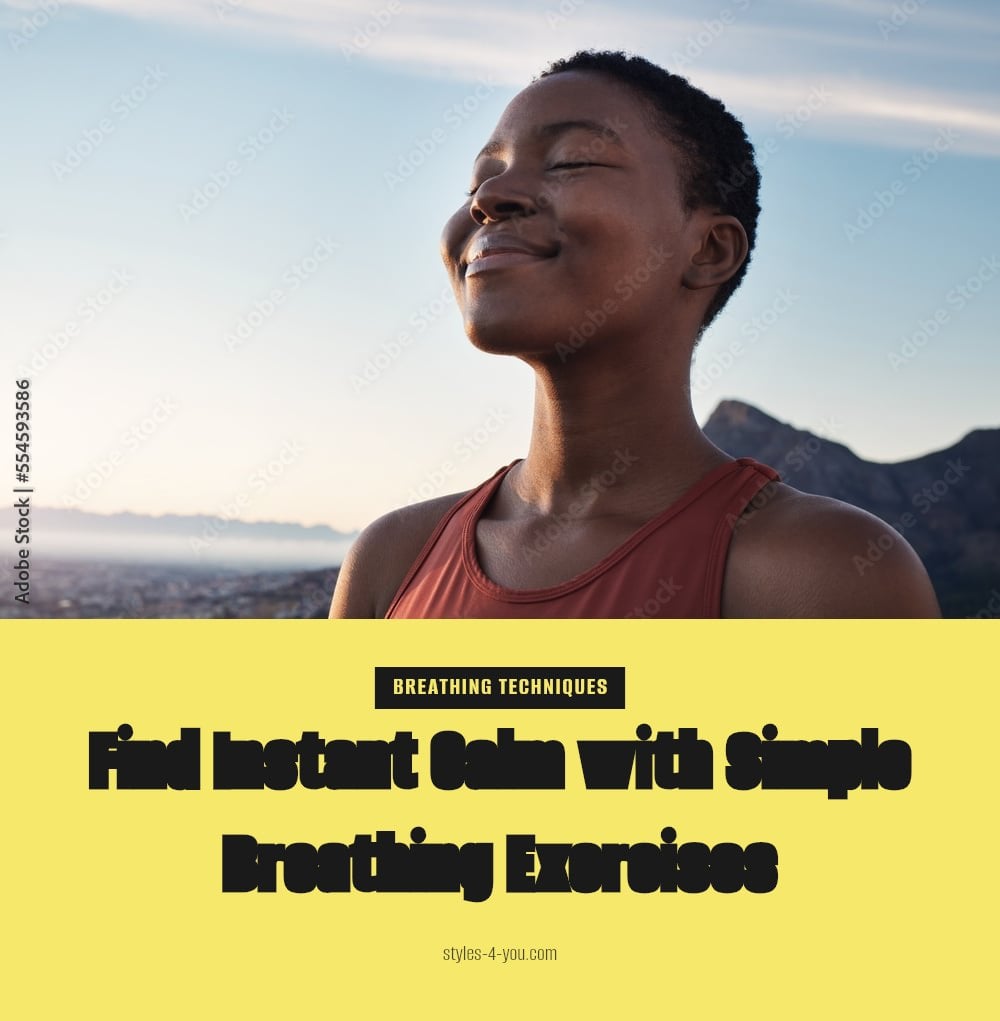
You know that moment when stress tightens your chest and your breath goes shallow? That is exactly when a simple breathing exercise can help you flip a switch and find calm. This article covers the most effective techniques, how to set up your practice, and what to expect so you can start using your breath as a tool for relaxation right away.
Key Takeaways
- Diaphragmatic breathing triggers your body’s relaxation response by engaging the vagus nerve.
- Start with 5 to 10 minutes of daily practice for lasting stress management benefits.
- Focus on a long, slow exhale to release tension and signal calm to your nervous system.
- If you feel dizzy or lightheaded, stop immediately and rest before continuing.
Breathing Exercises: Your Instant Calm Button
Breathing exercises are simple yet powerful tools to regulate your nervous system and reduce stress. By consciously controlling your breath, you can shift from a ‘fight or flight’ state to a relaxed one. These techniques are accessible to almost anyone and can be done anywhere, offering immediate benefits for both mental and physical well-being. My tip: start with just one minute of focused breathing when you feel overwhelmed.
Why Conscious Breathing Works Wonders for Stress
The Science Behind the Calm
When you’re stressed, you often breathe shallowly from your chest. Deep diaphragmatic breathing, on the other hand, engages your diaphragm, the large muscle below your lungs. This type of breathing is more efficient and helps trigger your body’s relaxation response.
Slow, deep breaths stimulate the vagus nerve, a key part of your parasympathetic nervous system. This activates the ‘rest and digest’ state, counteracting the fight-or-flight response. As a result, your heart rate and blood pressure can decrease, and your blood becomes better oxygenated.
The exhale is especially important. Letting your breath out slowly and completely helps release tension and signals your body to relax. Many people find that focusing on the exhale is the quickest way to feel a sense of calm.
Setting Up for Your Breathing Practice
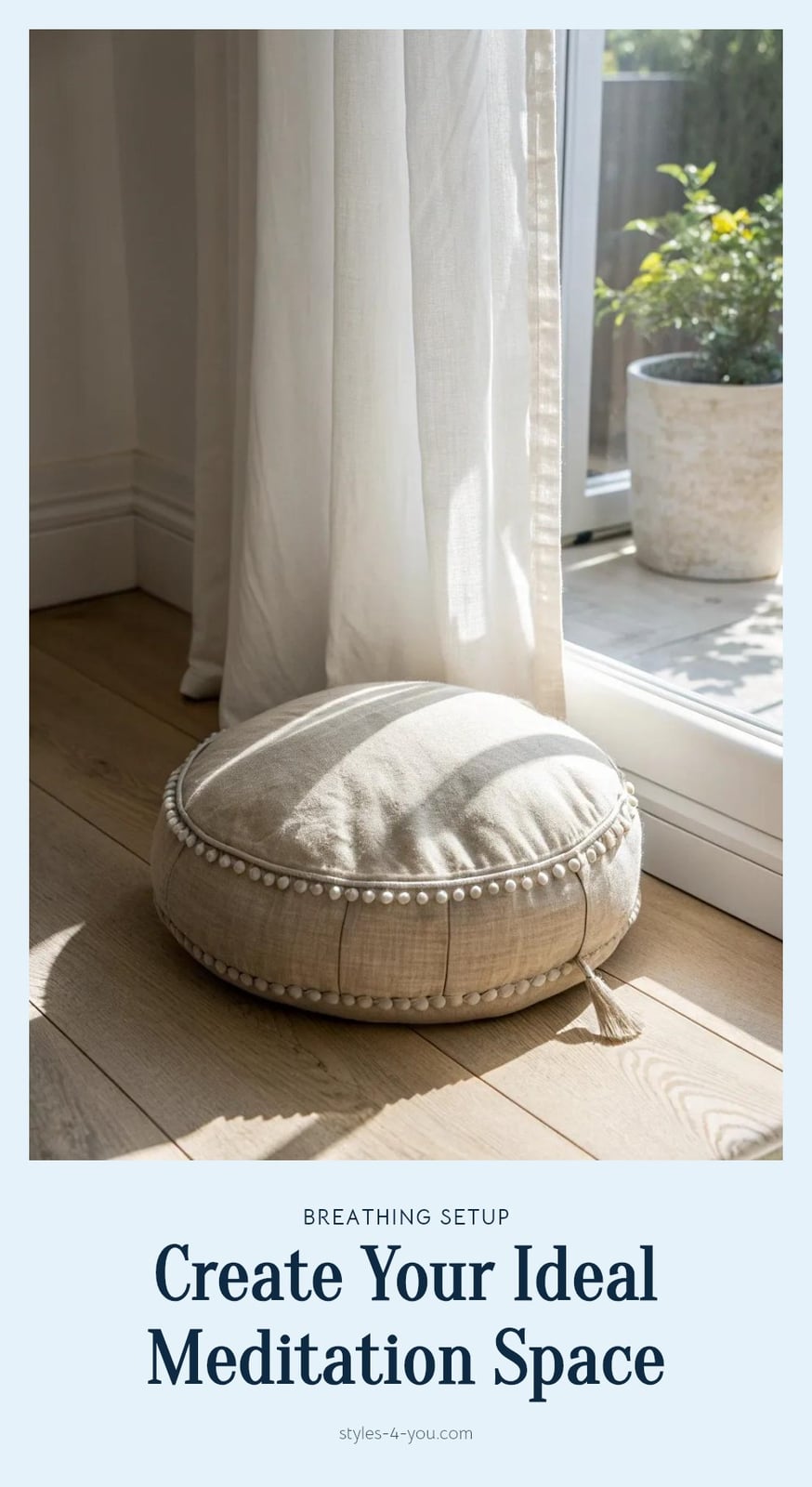
Before you start, set yourself up for success. Wear comfortable clothing that doesn’t restrict your abdomen or chest, so you can take full, deep breaths. Choose a quiet space where you won’t be interrupted, even if it’s just for a few minutes. A chair or a mat can provide support, whether you prefer sitting upright or lying down. You don’t need any special equipment, just a few minutes and a willingness to focus.
Effective Breathing Techniques to Try
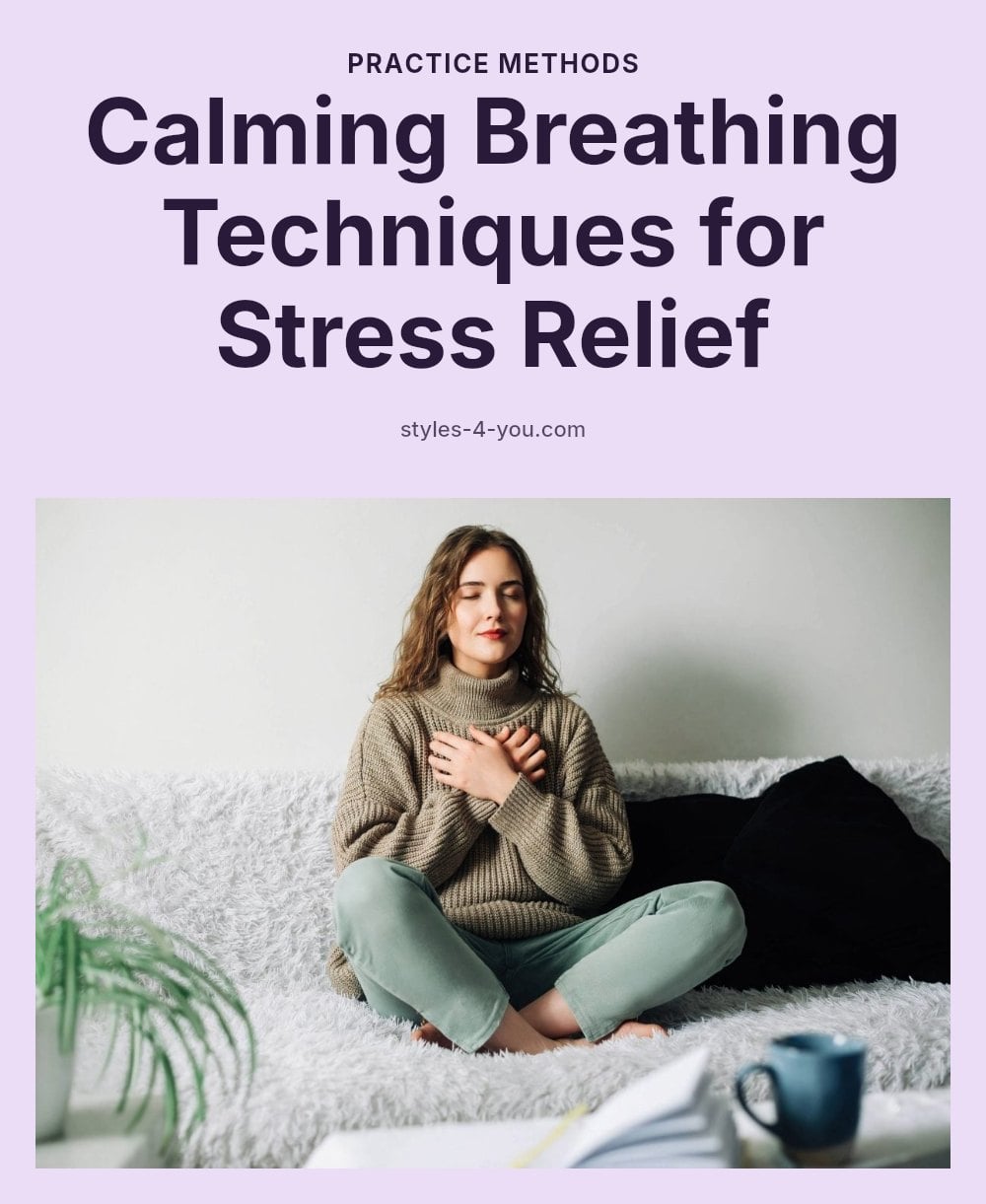
Diaphragmatic Breathing
This is the foundation of many breathing practices. Place one hand on your chest and the other on your belly. Inhale slowly through your nose, letting your belly rise as your diaphragm contracts. Exhale gently through your mouth, feeling your belly fall. Focus on the movement of your abdomen rather than your chest.
My tip: If you’re new to this, lie down with a book on your belly and watch it rise and fall. That visual feedback helps you learn the motion.
The 4-7-8 Technique
This structured pattern is known for inducing relaxation. Inhale quietly through your nose for a count of 4. Hold your breath for a count of 7. Then exhale completely through your mouth for a count of 8. The long exhale is key here, as it promotes a deeper state of calm. Repeat for four cycles.
My tip: If holding for 7 feels too long, shorten it to 5 and extend the exhale to 8. The ratio matters more than the exact numbers.
Box Breathing
Also called square breathing, this technique creates a balanced rhythm. Inhale for 4 counts, hold for 4, exhale for 4, and hold again for 4. This pattern is often used by athletes and military personnel to stay focused under pressure. It’s great for regaining composure in stressful situations.
Tip: Trace a square with your finger as you breathe: up for the inhale, across for the hold, down for the exhale, and across for the final hold. That physical cue keeps the timing steady.
Pursed-Lip Breathing
This technique helps slow down your exhale and gives you more control. Inhale slowly through your nose. Then purse your lips as if you’re about to whistle, and exhale slowly and gently through your mouth. The exhale should take about twice as long as the inhale. This is particularly helpful if you feel short of breath.
Good to know: Use this whenever you’re feeling anxious or need to slow your breathing down quickly. It’s subtle enough to do in public without drawing attention.
Remember, never force your breath. If you feel dizzy or lightheaded, stop and rest. Start with one technique and practice it a few times a week until it feels natural.
Common Breathing Mistakes and How to Fix Them
The biggest mistake is breathing from your chest instead of your belly. When you inhale, your shoulders shouldn’t rise. Place a hand on your stomach and aim to push it outward with each breath.
Rushing through cycles defeats the purpose. Slow, deliberate breaths give your nervous system time to respond. Count each inhale and exhale, and keep the pace steady.
Most people shortchange the exhale. A complete exhale releases stale air and tension, so let it last as long as your inhale or longer. If you feel breathless, you’re exhaling too quickly.
Expecting instant calm after one session sets you up for disappointment. Benefits build with regular practice, not perfection. Start with one or two techniques and stick with them before adding more complex patterns.
Caution: If you feel dizzy or lightheaded, stop and rest. That’s your body telling you to slow down.
Tips for a More Effective Breathing Practice
Pick a quiet corner and a consistent time, like right after your morning coffee or before brushing your teeth at night. That repetition trains your brain to shift into calm mode faster.
Make the exhale your priority. A long, slow exhale signals your nervous system to relax, so aim for an exhale that’s longer than your inhale. Let the air out completely before you start the next breath.
Try different patterns and notice how each one feels. Some people love the structure of box breathing, others prefer the simplicity of belly breathing. There’s no wrong choice, just what works for you.
Pro move: Keep it short and doable. Even 2 minutes of focused breathing between meetings counts. The goal is consistency, not marathon sessions.
Weave breathing into moments you already have, like while waiting for water to boil or during a commute. It turns ordinary pauses into mini resets.
When to Expect Results and How Often to Practice
The first time you try a breathing exercise, you may feel a shift right away, especially during a stressful moment. That immediate relief is real, and it is why these techniques work so well as an on-the-spot tool.
For lasting change, aim for 5 to 10 minutes of daily practice. Consistency matters more than duration, and over weeks and months you can build better stress management and a calmer baseline overall.
Best part: breathing exercises cost nothing. No equipment, no app subscription, no gym membership. You already have everything you need, and you can do it anywhere.
When to Consult a Professional
If you feel dizzy, lightheaded, or short of breath during any exercise, stop immediately and rest. These symptoms mean your body needs a break, so sit down and breathe normally until you feel steady again.
Caution: If you have severe asthma, COPD, or a heart condition, talk to your doctor before trying new breathing techniques. Your healthcare provider can tell you which patterns are safe for your situation.
Breathing exercises work alongside medical care, not instead of it. Keep taking prescribed treatments for anxiety or other health issues, and use these techniques as a supplement.
Above all, listen to your body. If any technique causes discomfort or pain, discontinue it. A gentle practice that feels good beats a forced one every time.
Frequently Asked Questions
How long does it take for breathing exercises to work?
You may feel an immediate sense of relief during your first session, especially if you practice during a stressful moment. For lasting changes in stress management and overall well-being, aim for consistent daily practice of 5 to 10 minutes over several weeks and months.
Can breathing exercises help with panic attacks?
Many people find that slow, deep breathing can help calm the nervous system during a panic attack, but it is not a substitute for professional treatment. If you experience frequent or severe panic attacks, consult a doctor or mental health professional for a comprehensive plan.
What is the best time of day to practice breathing exercises?
The best time is a consistent time that fits your routine, such as right after your morning coffee or before brushing your teeth at night. That repetition trains your brain to shift into calm mode faster. You can also use it as an on-the-spot tool during stressful moments.
Are there any side effects to breathing exercises?
Some people may experience dizziness, lightheadedness, or shortness of breath, especially if they force their breath or hold it too long. If this happens, stop and rest immediately. Individuals with severe asthma, COPD, or heart conditions should consult a doctor before starting new breathing exercises.
What is the best breathing exercise for anxiety?
Diaphragmatic breathing is a great foundation because it directly engages your body’s relaxation response. The 4-7-8 technique and box breathing are also popular choices. Experiment with different methods to find what works best for you, and make the exhale your priority for releasing tension.
Final Thoughts
My tip: make the exhale your priority. A long, slow exhale signals your nervous system to switch into rest mode, so spend a little more time on that part. Realistic expectation: you may feel a shift the first time you try it, but consistent daily practice for 5 to 10 minutes over weeks and months will build a more sustained improvement in stress management. Give yourself permission to breathe and let calm follow.
The information in this article is for general informational purposes only and does not constitute medical advice. Breathing exercises are a complementary tool and should not replace prescribed treatments for anxiety or other health conditions. Consult a doctor or other qualified health professional for any persistent or serious health concerns.
More Blog ideas
- Your Essential Guide to a Healthy Feminine Hygiene Routine
- Best High Protein Foods to Eat Daily for Health and Energy
- Feeling Stuck: 12 Small Steps to Get Unstuck
- Winter Skin Survival Tips
- How to Get a Flat Stomach
- How to Fix Damaged Hair and Restore Its Health
- Full-Body Kettlebell Workout
- Dry Scalp vs. Dandruff
- Full Body Workout for Beginners
- 21 Easy Beauty Tips Every Woman Should Know
- Feminine Energy: 15 Daily Habits to Feel More Radiant
- Upper Body Workout for Women at Home






