Simple Breathing Exercises to Reduce Stress in 5 Minutes
Discover simple breathing exercises you can do anywhere to quickly reduce stress and anxiety. Learn techniques for immediate calm and well-being.

Feeling stressed, anxious, or just overwhelmed? You’re not alone, and the fix might be as simple as changing how you breathe. Breathing exercises are a quick, accessible way to calm your mind and body, and you can do them almost anywhere.
In this article, I’ll walk you through why they work, five simple techniques you can try in five minutes or less, and tips to make your practice stick.
Key Takeaways
- Start with 2 to 5 minutes of daily practice, then add a minute or two each week.
- Inhale through your nose and exhale through your mouth for most techniques.
- Stop immediately if you feel lightheaded, dizzy, or any discomfort.
- Consistent daily practice for several weeks can lead to lasting benefits.
- Breathing exercises complement, not replace, medical treatment for anxiety or depression.
Why Breathing Exercises Work to Calm You Down
When you’re stressed, your body shifts into fight-or-flight mode, and your breathing gets shallow and fast. Consciously slowing your breath sends a signal to your brain that it’s safe to relax. This activates your body’s relaxation response, which lowers your heart rate, blood pressure, and muscle tension. Slow, deep breaths also stimulate the vagus nerve, a key part of the parasympathetic nervous system, the ‘rest and digest’ system. That’s why a few minutes of focused breathing can shift your whole body out of panic mode.
What You Need to Start Your Breathing Practice
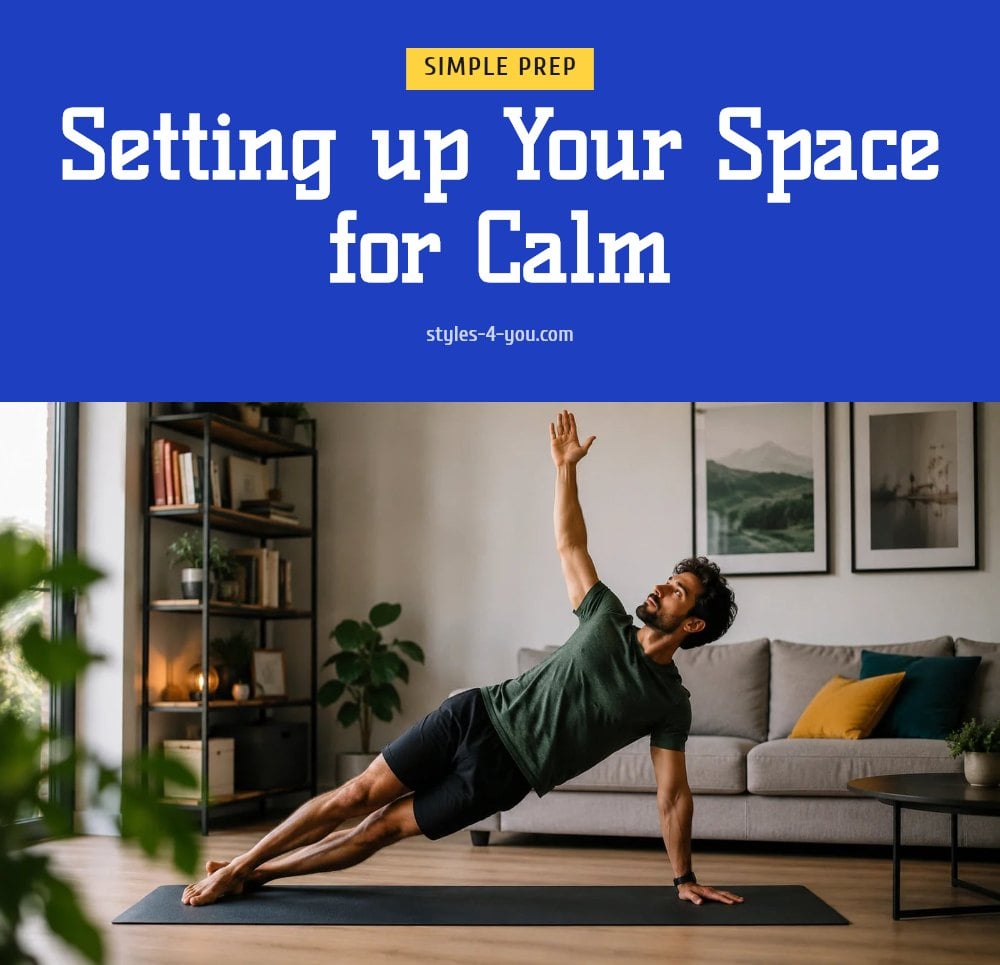
The best part about breathing exercises is that you need almost nothing to get started. Here’s what I use:
- Comfortable clothing: Wear something loose that doesn’t restrict your belly or chest.
- A quiet space: Find a spot where you won’t be interrupted for a few minutes.
- A cushion or mat (optional): Sitting on a cushion or lying on a mat can make the practice more comfortable.
That’s it. No special equipment, no app required, just you and your breath.
Favorite Breathing Exercises for Quick Relief
These five techniques are my go-to for quick relief. Most take less than five minutes, and you can do them sitting at your desk, in the car, or before bed.
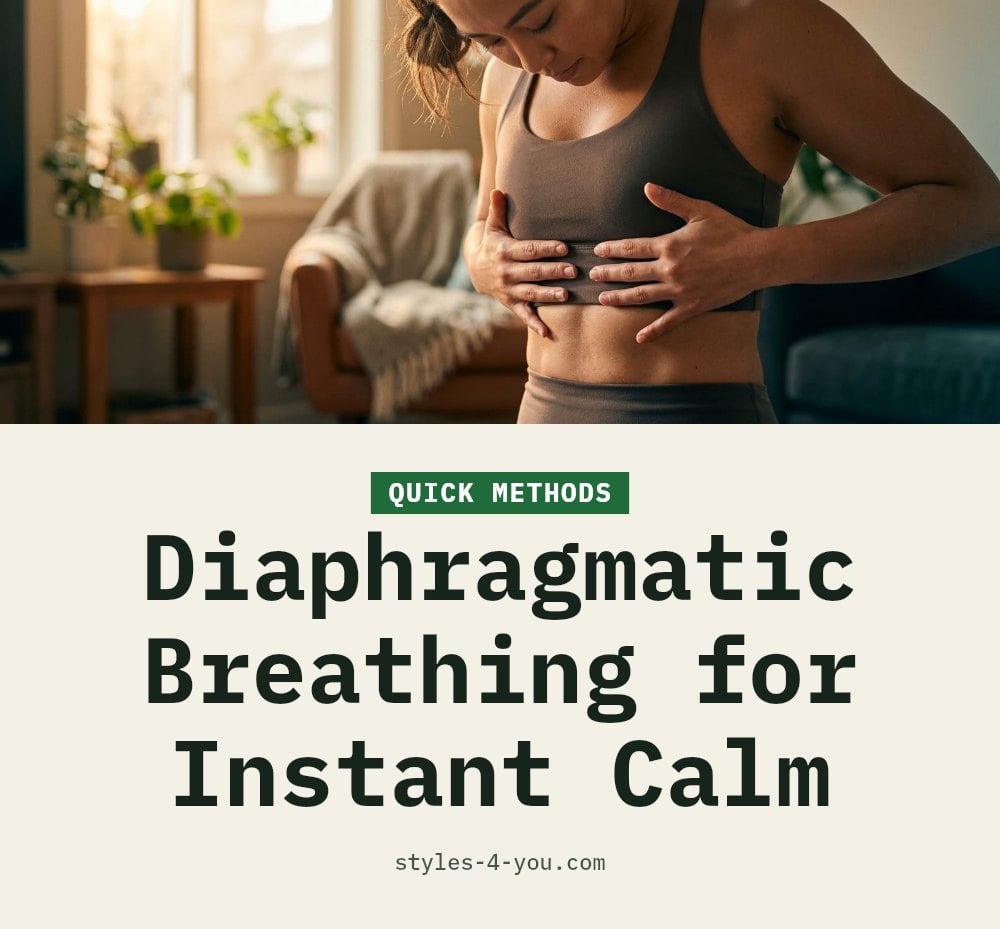
Diaphragmatic Breathing (Belly Breathing)
Place one hand on your chest and the other on your belly. Inhale deeply through your nose so your belly pushes your hand out, keeping your chest still. Exhale slowly through your mouth. This engages your diaphragm, the muscle below your lungs, which promotes full, efficient breaths.
Box Breathing
Inhale for a count of four to six, hold for four, exhale for four to six, and hold again for four. If holding feels uncomfortable, skip the holds and just focus on equal inhale and exhale lengths. The steady rhythm helps calm your nervous system.
4-7-8 Breathing
Inhale through your nose for a count of four, hold for seven, then exhale slowly through your mouth for a count of eight. The longer exhale helps your body release tension. Many people find this one especially helpful for falling asleep.
Pursed-Lip Breathing
Inhale through your nose for two counts, then pucker your lips like you’re blowing out a candle and exhale slowly for four counts. This keeps your airways open longer, making it easier to fully empty your lungs. It’s a good one if you feel short of breath.
Alternate Nostril Breathing
Use your thumb to close one nostril, inhale through the other, then close that nostril with your ring finger and exhale through the opposite side. Inhale through the same side, switch, and exhale through the first nostril. This yogic technique is believed to balance the left and right hemispheres of the brain, which can help you feel more centered.
My tip: Start with just one technique and do it for two to five minutes. Once you get comfortable, you can mix and match or extend your sessions.
Caution: If you feel lightheaded at any point, stop and return to normal breathing.
Common Breathing Exercise Mistakes to Avoid
Even simple breathing exercises can go wrong if you’re not paying attention. Here are the most common mistakes I see, and how to fix them:
- Chest breathing: If your shoulders rise but your belly stays still, you’re only filling your upper lungs. Place a hand on your belly and focus on pushing it out with each inhale.
- Breathing too fast: Quick, shallow breaths defeat the purpose. Slow down. Your inhale and exhale should each last at least three to four seconds.
- Holding tension: Clenched jaw, raised shoulders, or a tight neck signal stress. Do a quick scan of your body before you start and relax those areas.
- Over-controlling: Trying to force your breath into a perfect pattern can backfire. Let the breath be natural and steady, not rigid.
- Expecting instant change: One session may feel nice, but lasting benefits come from daily practice. Don’t get discouraged if it doesn’t feel dramatic right away.
Best Tips for a Successful Breathing Practice
Start with just 2 to 5 minutes a day, then add a minute or two each week. Short sessions build the habit without feeling like a chore, and your body adapts faster than you’d expect.
Inhale through your nose and exhale through your mouth for most techniques. For exercises like Box Breathing or Alternate Nostril Breathing, follow the specific exhale instructions given in their sections, since they may differ. Nasal inhales warm and filter the air, while mouth exhales help you release more fully.
Consistency beats intensity. Practicing daily for a few weeks brings more lasting benefits than occasional longer sessions, so pick a regular time, like right after waking or before bed.
Your mind will wander, and that’s normal. Each time you notice it, gently bring your focus back to the sensation of your breath, no judgment.
My tip: Set a timer on your phone for your session so you don’t watch the clock. It lets you relax into the breath instead of counting minutes.
When to Talk to a Healthcare Professional
Breathing exercises are generally safe, but stop immediately if you feel lightheaded, dizzy, or any discomfort, and return to normal breathing. That signal means you’re pushing too hard or holding your breath too long.
If you have severe asthma, COPD, or a heart condition, check with your doctor before starting any new breathing practice. These techniques are complementary tools, not a replacement for medical treatment, so if they aren’t enough to manage your anxiety or depression, talk to a professional about other options.
Frequently Asked Questions
How often should I practice breathing exercises?
For best results, aim for a short daily session of 2 to 5 minutes. Consistency matters more than length, and you can gradually increase your time as you get comfortable. Many people find that practicing once or twice a day, perhaps in the morning and before bed, helps build the habit.
Can breathing exercises help with panic attacks?
Yes, breathing exercises can be a helpful tool during a panic attack, as they may activate your relaxation response and reduce feelings of anxiety. However, they are not a substitute for professional treatment. If you experience frequent panic attacks, consider talking to a healthcare provider about a comprehensive plan.
What if I feel dizzy during breathing exercises?
If you feel lightheaded or dizzy, stop the exercise immediately and return to normal breathing. This is a sign you’re pushing too hard or holding your breath too long. Ease off, take a break, and when you resume, try a gentler pace or a shorter session.
Are there any apps or tools that can help me practice?
Many people find guided breathing apps helpful, especially when starting out. While I don’t endorse specific brands, a quick search for ‘breathing exercise app’ will turn up options with timers and visual guides. You can also use a simple timer on your phone or watch to pace your breaths.
Can children do breathing exercises?
Yes, children can benefit from simple breathing exercises, though it’s best to keep sessions short and make it fun. Techniques like belly breathing with a stuffed animal on the tummy can be engaging. Always supervise younger children and stop if they show any discomfort.
Final Thoughts
My tip: pick one technique and try it for five minutes when you feel stress creeping in. Box breathing is a solid starting point because it’s simple and gives your mind a clear pattern to follow. Expect a sense of calm within a few minutes, but don’t expect instant mastery; it takes practice. With daily practice, you’ll notice more lasting improvements in mood, sleep, and focus over a few weeks.
This article is for general informational purposes only and is not a substitute for professional medical advice. Breathing exercises are generally safe, but if you have a medical condition or experience persistent symptoms, please consult a doctor or qualified healthcare provider.
More Blog ideas
- Your Essential Guide to a Healthy Feminine Hygiene Routine
- Best High Protein Foods to Eat Daily for Health and Energy
- Feeling Stuck: 12 Small Steps to Get Unstuck
- Winter Skin Survival Tips
- How to Get a Flat Stomach
- How to Fix Damaged Hair and Restore Its Health
- Full-Body Kettlebell Workout
- Dry Scalp vs. Dandruff
- Full Body Workout for Beginners
- 21 Easy Beauty Tips Every Woman Should Know
- Feminine Energy: 15 Daily Habits to Feel More Radiant
- Upper Body Workout for Women at Home






