How to Build a Self Care Lifestyle for Lasting Well-Being
Learn how to build a self care lifestyle with simple daily practices. Nurture your mind and body for greater resilience and happiness.


Feeling stretched thin between work, family, and everything else? You’re not alone. A self-care lifestyle isn’t about grand gestures or expensive spa days; it’s about weaving small, consistent practices into your day to nurture your physical, mental, and emotional health. This article breaks down the six dimensions of self-care, offers practical tools and steps to build a routine, and helps you avoid common pitfalls so you can create a balanced life that truly supports you.
Key Takeaways
- Self-care has six dimensions: physical, emotional, mental, spiritual, social, and professional.
- Start with one or two new practices to avoid feeling overwhelmed.
- Consistency matters more than intensity for lasting benefits.
- Schedule self-care like an important appointment to make it a habit.
- Seek professional help if persistent sadness or anxiety affects daily life.
What is a Self-Care Lifestyle?
A self-care lifestyle means intentionally weaving small, consistent practices into your daily routine to nurture your physical, mental, and emotional health. It’s a proactive approach, not a reactive one. I see it as essential for long-term resilience and happiness, not a luxury you earn after everything else is done. It’s about making yourself a priority every day, even in tiny ways.
The Six Dimensions of Self-Care

The Six Dimensions of Self-Care
Self-care isn’t just about bubble baths. It covers six key dimensions, and a balanced routine touches on each. Physical self-care includes sleep, nutrition, movement, and hygiene. Emotional self-care means processing your feelings, practicing self-compassion, and setting boundaries. Mental self-care involves stimulating activities, managing stress, and taking breaks from overthinking. Social self-care is about fostering healthy relationships and also knowing when you need solitude. Spiritual self-care can be meditation, time in nature, or connecting with your values, regardless of religion. Professional self-care includes work-life boundaries, taking breaks, and pursuing meaningful work. Ignoring any one dimension can leave you feeling off balance.
Essential Tools for Your Self-Care Journey

You don’t need a lot of fancy gear to start a self-care lifestyle. Here are some simple tools that can support different dimensions:
- Journal or notebook for reflection and processing thoughts.
- Comfortable clothing for relaxation or movement.
- Yoga mat or exercise equipment for physical activity.
- Books or reading materials for mental stimulation.
- Art supplies for creative expression.
- Music or podcasts for relaxation or motivation.
- Bath salts or essential oils for sensory relaxation.
- Healthy snacks and ingredients for nourishing your body.
Most of these are low-cost or things you already have at home.
How to Build Your Personalized Self-Care Routine
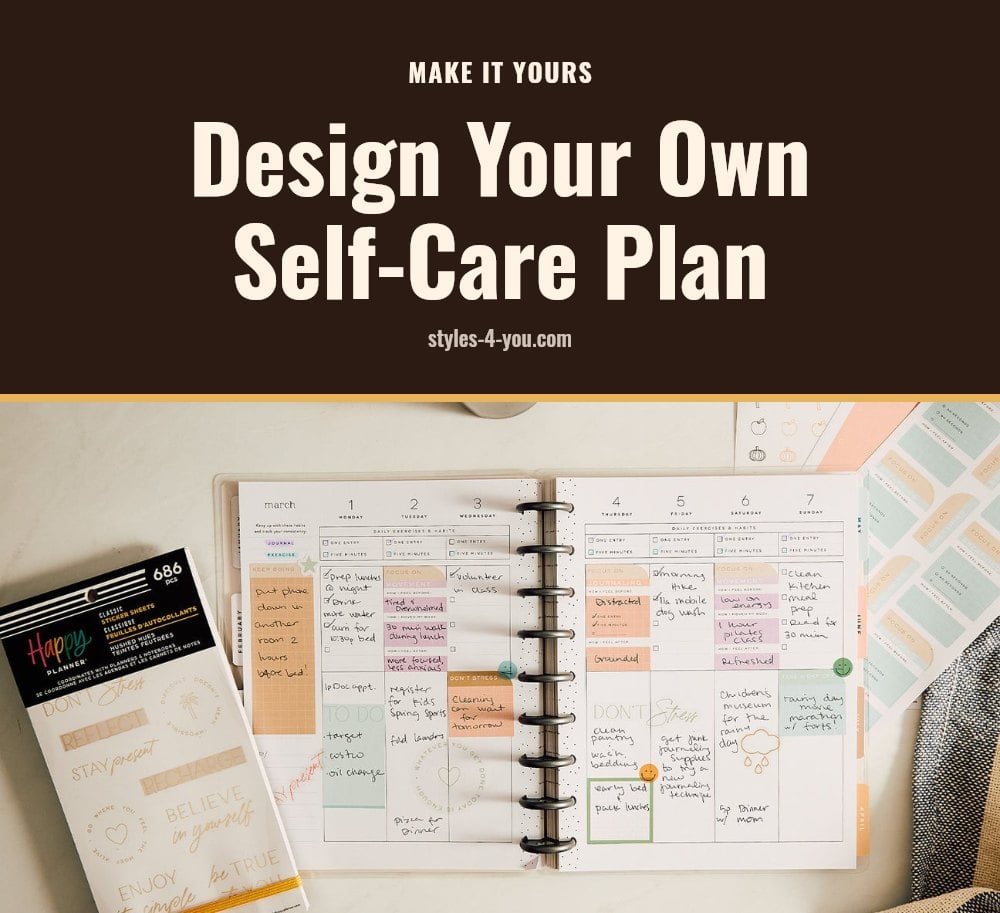
- Identify your needs: Look across the six dimensions and ask yourself where you feel most depleted. Do you need more rest, more connection, or more boundaries at work?
- Start small: Pick one or two new practices to integrate. Trying to overhaul everything at once leads to overwhelm. My tip: choose one tiny action you can do in under five minutes, like drinking a glass of water first thing or writing one sentence in a journal.
- Schedule it: Treat your self-care activities like important appointments. Block time on your calendar for a walk, a bath, or reading, and don’t cancel on yourself.
- Be flexible: Your needs will change. What works one month may not work the next. Adjust your routine as life shifts without guilt.
- Practice self-compassion: Perfectionism is the enemy of consistency. Some days you’ll skip a practice, and that’s okay. The goal is to keep showing up, not to do it perfectly.
Common Self-Care Mistakes to Avoid
Mistake: Believing self-care must be expensive or time-consuming. Many effective practices are free and quick. A five-minute breathing exercise or a short walk costs nothing and fits any schedule.
Mistake: Confusing self-care with hedonism or avoiding responsibilities. True self-care supports your capacity to handle life, it doesn’t replace it. If a habit leaves you less functional, it’s not self-care.
Mistake: Trying to implement too many new practices at once. This leads to overwhelm. Start small, with one or two changes, and build from there.
Mistake: Ignoring different dimensions of self-care. Focusing only on physical care while neglecting emotional or social needs creates imbalance. A holistic approach is key.
Mistake: Feeling guilty for prioritizing personal well-being. It’s a necessity, not a luxury. You can’t pour from an empty cup.
Mistake: Using self-care as a band-aid without addressing root causes. A bath may soothe a stressful day, but it won’t fix chronic workplace stress. Address underlying stressors when possible.
Expert Tips for Sustaining Your Self-Care Lifestyle
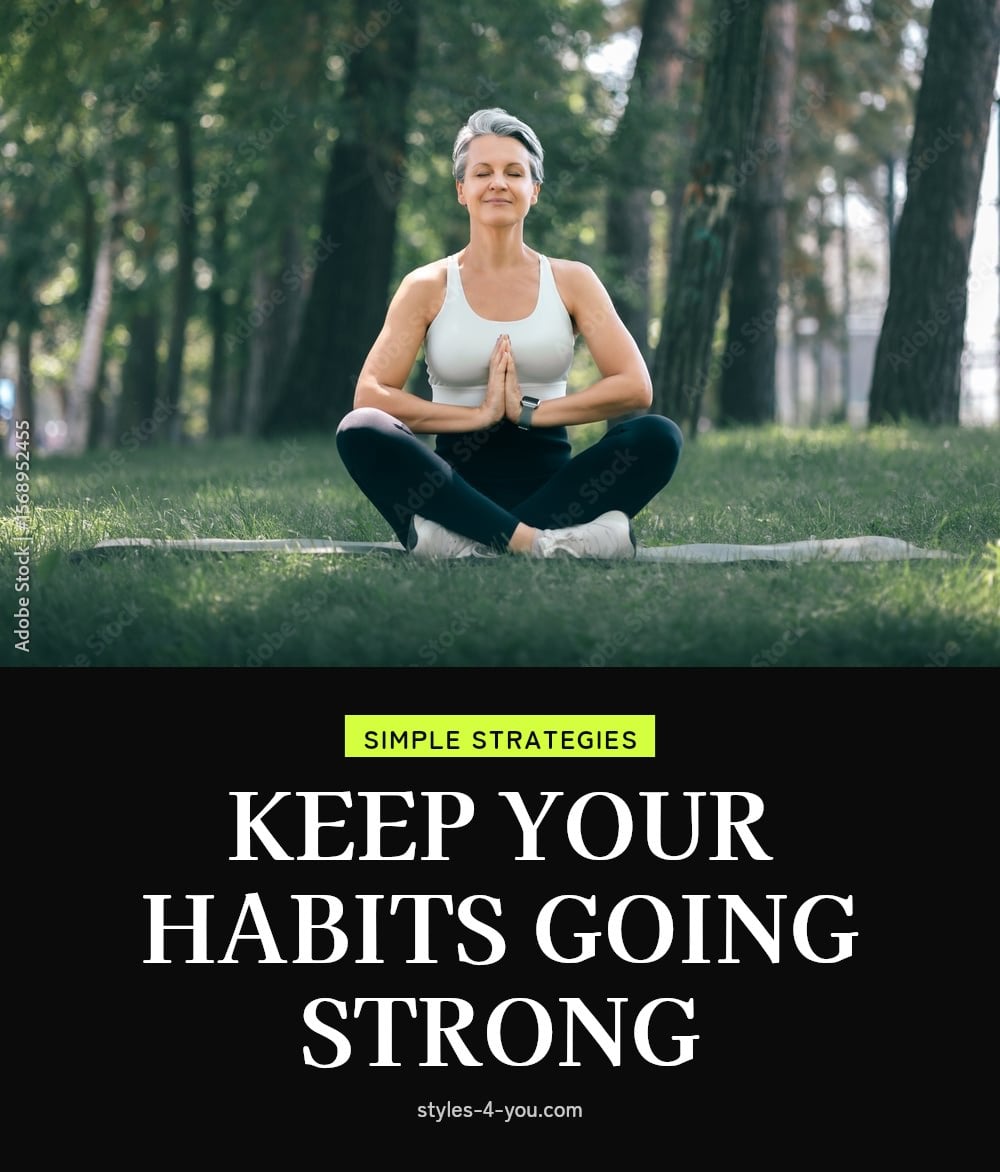
Set clear boundaries. Protect your time and energy by saying no to extra work, turning off notifications after a certain hour, and limiting time with people who drain you.
Reflect regularly on what recharges you. I keep a mental note of activities that leave me feeling energized versus those that leave me tired. Adjust your routine accordingly.
Prioritize consistency over intensity. A ten-minute daily meditation is more effective than a two-hour session once a month. Small, frequent practices build lasting habits.
Use journaling for emotional processing. My tip: Write for five minutes each evening about what went well and what felt heavy. It helps clear mental clutter.
Practice mindfulness or meditation. Even two to three minutes of focused breathing can lower stress and improve focus. Apps with guided sessions make it easy to start.
When to Seek Professional Support
If persistent feelings of sadness, anxiety, or burnout impact your daily life, consult a healthcare professional or mental health expert. Self-care is a supportive practice, but it cannot replace professional treatment.
Before starting a new physical activity, check with your doctor if you have underlying health conditions. Some exercises may need modification.
If you try a digital detox, keep emergency contacts accessible in case you need to reach someone quickly. Safety comes first.
Timeline and Cost of a Self-Care Lifestyle
Self-care is an ongoing, lifelong practice. You may feel benefits immediately from small actions like a short walk or a few minutes of deep breathing, but building a sustained lifestyle takes consistent daily or weekly integration over time.
Cost varies widely. Many effective practices are completely free: walking, journaling, stretching, or meditating. Low-cost options include a notebook, bath salts, or a yoga mat. Higher-cost choices like classes, therapy, or retreats can be valuable, but they are not essential for a basic self-care lifestyle. Start with what you have.
Frequently Asked Questions
How do I start a self-care routine?
Begin by identifying which dimension of self-care you’re neglecting most, whether it’s physical rest, emotional processing, or social connection. Then choose one simple practice to integrate, like a daily walk or journaling for five minutes. Add new practices gradually, and schedule them into your calendar so they become non-negotiable appointments.
What is the difference between self-care and self-indulgence?
Self-care is about actions that support your overall health and capacity to handle life, even if they’re not always pleasurable. Self-indulgence often involves seeking immediate gratification or avoiding responsibilities, like excessive screen time or overeating. True self-care leaves you feeling recharged and capable, not drained or guilty.
Can self-care be simple and inexpensive?
Absolutely. Many effective self-care practices are free and take only minutes, such as deep breathing, a short walk, or writing in a journal. You don’t need fancy tools or expensive spa days. The key is consistency and choosing activities that genuinely recharge you, not ones that add stress or cost.
How do I make time for self-care when I’m busy?
Treat self-care as a priority, not an afterthought. Schedule it like any other important appointment, even if it’s just 10 minutes a day. Look for small pockets of time, such as a lunch break or after putting the kids to bed. Remember that consistent small actions are more impactful than occasional grand gestures.
What are the benefits of a consistent self-care practice?
Regular self-care can help you feel more resilient, balanced, and better equipped to handle stress. It supports your physical health, emotional well-being, and relationships. While benefits can be felt immediately from small actions, a sustained practice over time builds long-term capacity for happiness and reduces the risk of burnout.
Final Thoughts
Start by picking one small practice from a dimension where you feel most depleted, like a five-minute breathing exercise or a short walk. Remember that benefits can be felt immediately, but a true self-care lifestyle builds over weeks and months of consistent effort. Be kind to yourself as you experiment, and adjust as your needs change. Your well-being is worth the time.
This article is for general informational purposes only and is not a substitute for professional medical or mental health advice. If you experience persistent feelings of sadness, anxiety, or burnout that interfere with daily life, please consult a qualified healthcare provider or mental health professional. Always check with your doctor before starting new physical activities, especially if you have underlying health conditions.
More Blog ideas
- Your Essential Guide to a Healthy Feminine Hygiene Routine
- Best High Protein Foods to Eat Daily for Health and Energy
- Feeling Stuck: 12 Small Steps to Get Unstuck
- Winter Skin Survival Tips
- How to Get a Flat Stomach
- How to Fix Damaged Hair and Restore Its Health
- Full-Body Kettlebell Workout
- Dry Scalp vs. Dandruff
- Full Body Workout for Beginners
- 21 Easy Beauty Tips Every Woman Should Know
- Feminine Energy: 15 Daily Habits to Feel More Radiant
- Upper Body Workout for Women at Home






