Burnout Signs and Self-Care Tips
Learn to recognize the signs of burnout and discover practical self-care tips to recover and prevent it from returning. Reclaim your energy and well-being.

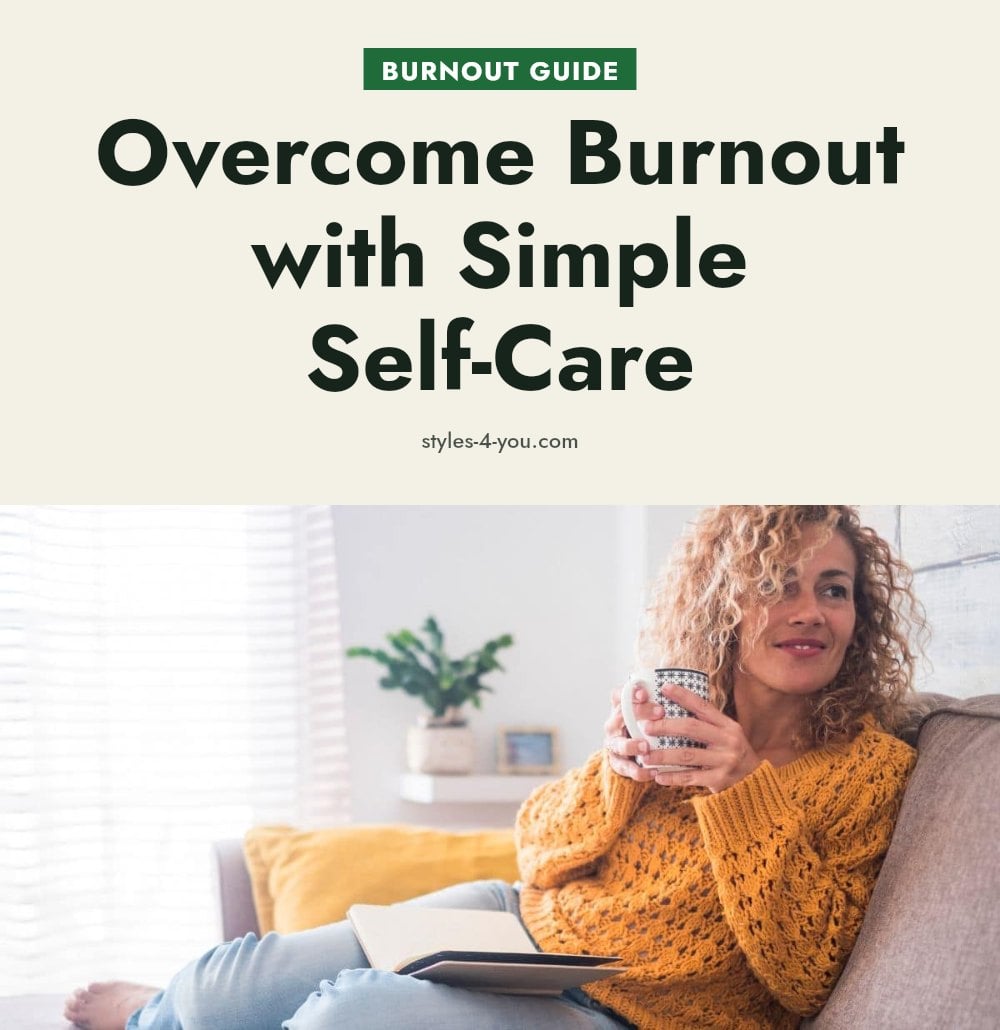
Do you feel completely drained, cynical about work, and like nothing you do matters? That might be more than just a bad week. Burnout is a state of emotional, physical, and mental exhaustion from prolonged stress, and it won’t fix itself. In this article, I’ll walk you through the key signs to watch for and practical self-care steps that can help you start feeling like yourself again.
Key Takeaways
- Burnout involves three main dimensions: exhaustion, cynicism, and a sense of ineffectiveness.
- Aim for 7-9 hours of sleep each night to support your body’s recovery.
- Set clear boundaries, like not checking work emails after a certain time.
- Engage in hobbies outside of work to restore a sense of accomplishment.
- If self-care isn’t enough, consult a healthcare professional for support.
What is Burnout?
Burnout is a state of emotional, physical, and mental exhaustion caused by prolonged or excessive stress. It goes beyond ordinary tiredness. The experience typically involves three main dimensions: overwhelming exhaustion that sleep doesn’t fix, cynicism or detachment from your job, and a sense of ineffectiveness and lack of accomplishment. The World Health Organization classifies burnout as an occupational phenomenon, not a medical condition, resulting from chronic workplace stress that hasn’t been successfully managed.
1. Recognize Overwhelming Exhaustion
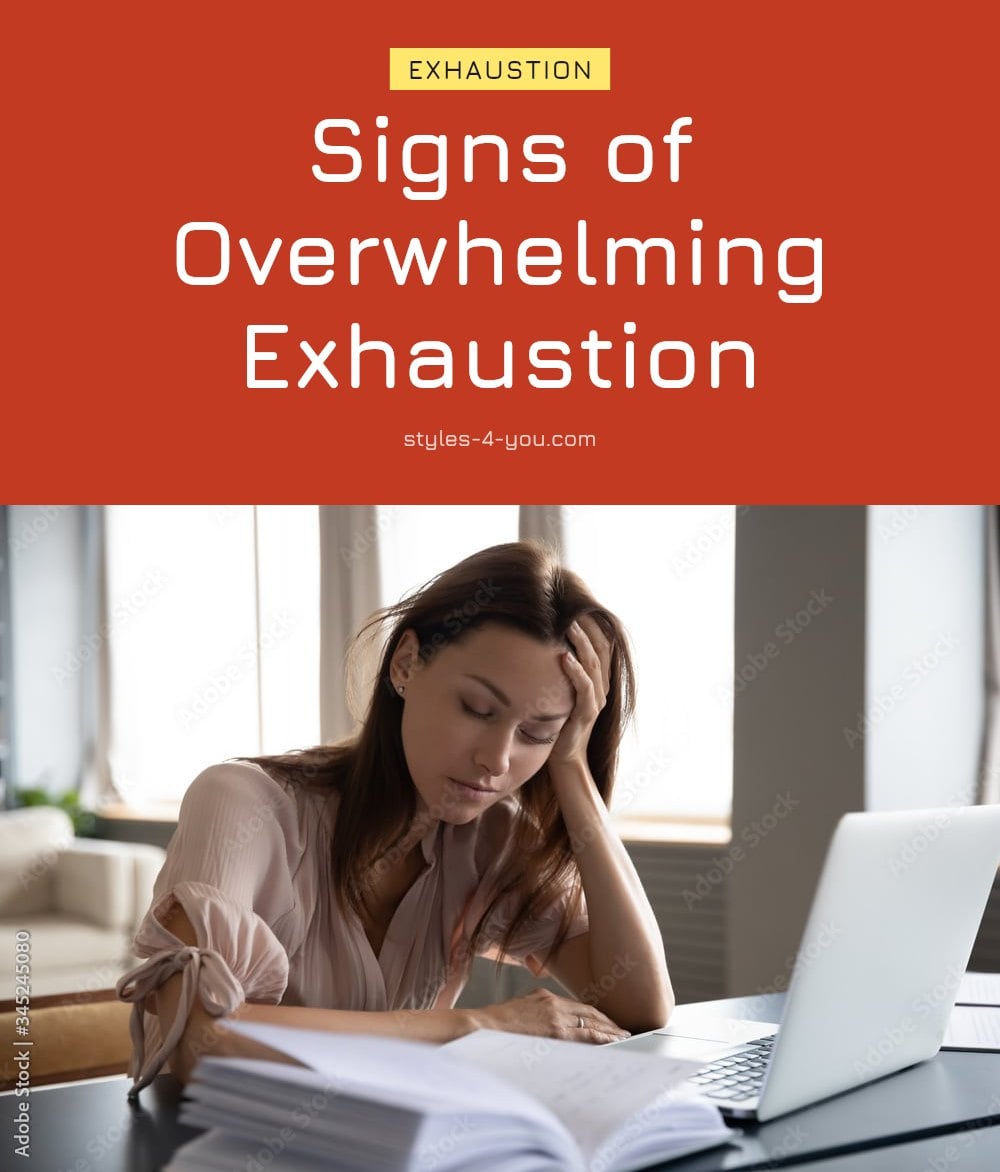
This isn’t just being tired. It’s a profound, persistent fatigue that a full night’s rest doesn’t fix. Physical signs to watch for include chronic fatigue, frequent headaches, or digestive problems.
- My tip: Pay attention if you feel drained even after a full night’s rest. That’s a clear signal this is more than ordinary sleep debt.
2. Notice Cynicism and Detachment
You might notice yourself feeling increasingly negative or cynical about your work or life in general. This can show up as detachment from colleagues or a general lack of enthusiasm for tasks you once found meaningful.
- My tip: If you find yourself rolling your eyes at things you used to care about, that’s a sign worth noticing. It points to the emotional distance burnout creates.
3. Address Sense of Ineffectiveness
Burnout often brings feelings of failure, self-doubt, and a persistent sense that you’re not accomplishing anything meaningful. Even when you achieve something, it may not feel satisfying or real.
- Tip: If your usual successes feel hollow, this dimension might be at play. It’s not that you’re not achieving. It’s that burnout has dimmed your ability to feel the reward.
4. Prioritize Adequate Sleep

Your body repairs itself during deep sleep, so aim for 7-9 hours each night. A consistent schedule, even on weekends, keeps your internal clock steady. Good to know: I create a relaxing bedtime routine with a warm bath and a good book, which signals my brain it’s time to wind down. Avoid screens for at least 30 minutes before bed, and keep your bedroom cool and dark.
5. Incorporate Regular Physical Activity

Moderate exercise lowers stress hormones and boosts mood, so you don’t need a high-intensity workout. Walking, yoga, or dancing all count. Pro move: Find an activity you genuinely enjoy, if it feels like a chore, you won’t stick with it. I often put on music and dance for 10 minutes; it’s quick and lifts my spirits.
6. Practice Mindfulness Daily
Mindfulness practices like meditation or deep breathing help you respond to stress rather than react. Even 5-10 minutes a day can calm your nervous system. Quick tip: Try a guided meditation app; many free options make it easy to start. I do a short breathing exercise before bed. It helps me let go of the day.
7. Set Clear Boundaries

Clear boundaries between work and personal life prevent stress from seeping into your downtime. This might mean not checking emails after 7 p.m. or having a dedicated workspace you can leave. Tip: I find it helpful to literally ‘close the office door’ on work at the end of the day. If you work from home, physically shut the door to your workspace to signal the shift.
8. Learn to Delegate and Say No
Delegating tasks lightens your load and gives others a chance to contribute. Start by listing everything on your plate and identifying what someone else could handle. Good to know: It’s okay to protect your time and energy; you don’t have to do everything. Saying no to new commitments is just as important. It prevents future overwhelm before it starts.
9. Nurture Social Connections

Reaching out to supportive friends or family can provide emotional relief and a fresh perspective. Isolation often deepens burnout, so make connection a priority. Pro move: Schedule regular catch-ups, even if it’s just a quick call. Sharing how you feel can be incredibly validating and reminds you that you’re not alone.
10. Engage in Joyful Hobbies

Setting aside time for activities that bring you joy directly combats feelings of ineffectiveness. Hobbies outside of work restore a sense of accomplishment and recharge your spirit. Quick tip: Rediscover an old hobby or try something new. I picked up painting again, and it’s been wonderful. Even 20 minutes a week can make a difference.
11. Take Regular Breaks
Stepping away from your desk for a few minutes throughout the day prevents mental fatigue and sharpens focus. These micro-breaks give your brain a chance to reset. Tip: I use the Pomodoro technique, 25 minutes of work, 5 minutes break, it really helps. A short walk or simply stretching counts.
When to Seek Professional Help
Self-care strategies help many people manage burnout, but they aren’t always enough. If your symptoms feel severe or persistent, or if the approaches above aren’t making a difference, it’s time to consult a healthcare professional. A doctor can check for underlying medical conditions that might mimic burnout, such as thyroid disorders or anemia.
Seek immediate help from a mental health expert if you experience thoughts of self-harm. You should also consider professional support if you notice you’re relying on alcohol, drugs, or excessive caffeine to get through the day. A therapist can help you address the root causes and develop coping strategies. If your workplace environment is toxic or abusive, reach out to HR or a legal professional, and explore other employment options.
Frequently Asked Questions
How long does it take to recover from burnout?
Recovery is gradual and can take weeks to months, depending on the severity of your burnout and the changes you make. There’s no set timeline, but consistent self-care and boundary-setting are essential. If you’re not seeing improvement after a few months, consider checking in with a healthcare professional.
Can burnout lead to other health problems?
Yes, burnout can mimic or worsen other health conditions, such as chronic fatigue, digestive issues, and sleep problems. It may also increase reliance on unhealthy coping mechanisms like alcohol or caffeine. If you have persistent physical symptoms, a doctor can help rule out underlying medical causes.
Is burnout a recognized medical condition?
The World Health Organization (WHO) classifies burnout as an occupational phenomenon, not a medical condition. It results from chronic workplace stress that hasn’t been managed successfully. That said, its symptoms can be serious, and professional support is recommended when they interfere with daily life.
What is the difference between stress and burnout?
Stress usually involves feeling overwhelmed and pressured, but you still feel like you can keep going. Burnout is a deeper state of exhaustion, cynicism, and reduced accomplishment where you feel empty and detached. While stress can motivate you temporarily, burnout drains your energy and motivation over the long term.
Final Thoughts
Recovery from burnout takes time, often weeks to months, so be patient with yourself. My main recommendation is to start with one small change, like setting a firm end to your workday or adding a 10-minute walk. You don’t have to overhaul your whole life overnight. The key is to treat these steps as necessities, not luxuries, and to reach out for professional help if you need it. You deserve to feel better.
This article is for general informational purposes only and is not a substitute for professional medical or mental health advice. If you are experiencing severe or persistent symptoms, or have thoughts of self-harm, please consult a qualified healthcare provider or mental health professional.
More Blog ideas
- Your Essential Guide to a Healthy Feminine Hygiene Routine
- Best High Protein Foods to Eat Daily for Health and Energy
- Feeling Stuck: 12 Small Steps to Get Unstuck
- Winter Skin Survival Tips
- How to Get a Flat Stomach
- How to Fix Damaged Hair and Restore Its Health
- Full-Body Kettlebell Workout
- Dry Scalp vs. Dandruff
- Full Body Workout for Beginners
- 21 Easy Beauty Tips Every Woman Should Know
- Feminine Energy: 15 Daily Habits to Feel More Radiant
- Upper Body Workout for Women at Home






