How to Calm Your Nervous System for Better Well-Being
Learn practical, science-backed strategies to calm your nervous system and reduce stress and anxiety, improving your overall well-being.

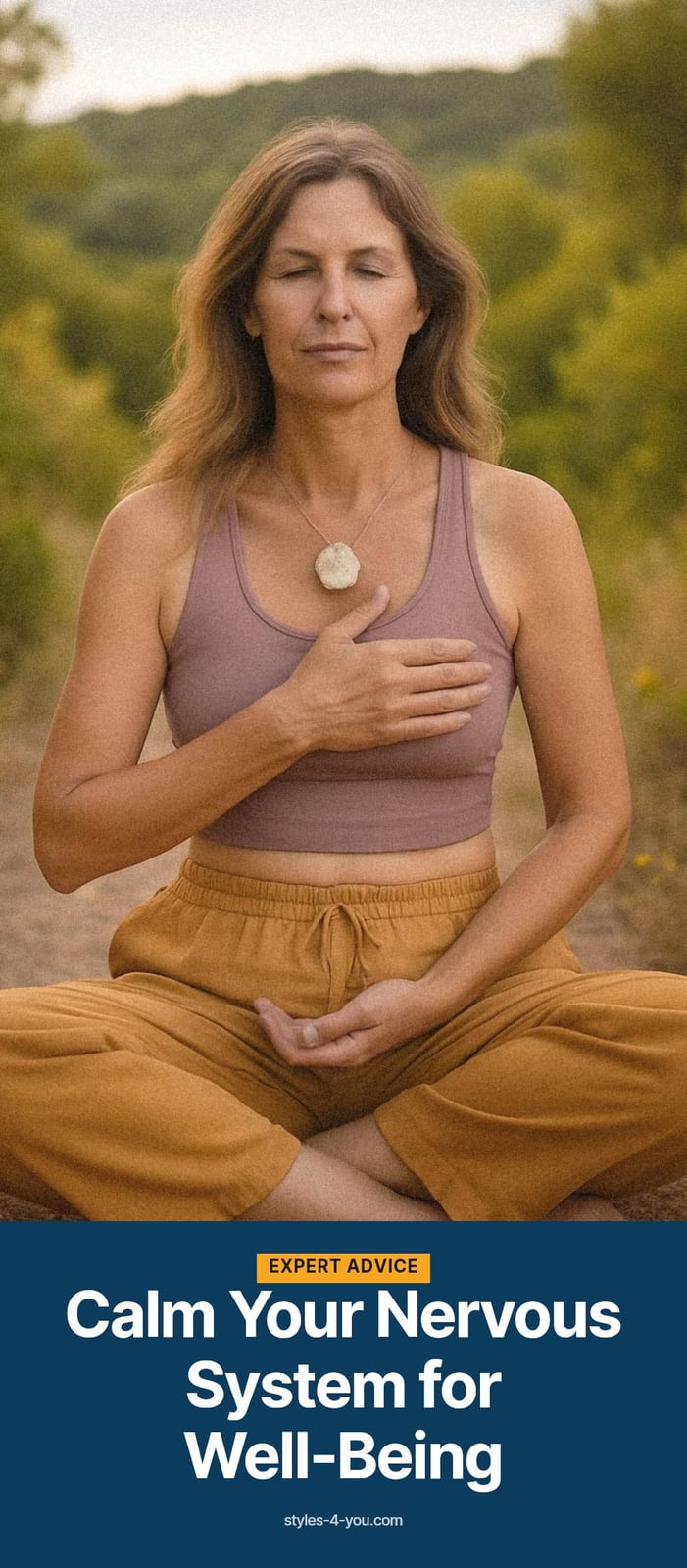
When stress feels like it’s running the show, it’s not just in your head. Your nervous system is actually stuck in ‘fight or flight’ mode, and calming it takes more than just telling yourself to relax. This article breaks down what’s happening in your body when you’re stressed and gives you practical, science-backed ways to shift into ‘rest and digest’ so you can feel better physically and emotionally.
Key Takeaways
- Calming your nervous system means activating the parasympathetic ‘rest and digest’ response.
- Deep diaphragmatic breathing for 5-10 minutes daily directly stimulates the vagus nerve.
- Moderate exercise, like 20-30 minutes of walking, helps balance nervous system activity.
- Chronic stress keeps your sympathetic nervous system overactive, affecting sleep and digestion.
- Consistent practice over several weeks to months is needed for lasting changes.
What Does It Mean to Calm Your Nervous System?
Calming your nervous system means shifting your body from “fight or flight” into the parasympathetic “rest and digest” response. When you do this, you reduce the physical symptoms of stress, like a racing heart or tight muscles, and the emotional ones, like anxiety or irritability. It involves simple, repeatable practices that promote relaxation and rebalance your body’s physiological reactions. Think of it as pressing a reset button for your stress response, helping you feel more grounded and in control.
Understanding Your Nervous System’s Stress Response
Your Nervous System at a Glance
The nervous system has two main parts: the central nervous system (CNS), which includes your brain and spinal cord, and the peripheral nervous system (PNS), which connects the CNS to the rest of your body. Within the PNS, the autonomic nervous system handles involuntary functions like your heartbeat and digestion. It has two branches that work in opposition: the sympathetic nervous system, which triggers the “fight or flight” response, and the parasympathetic nervous system, which promotes “rest and digest.”
When you face a stressor, your sympathetic system kicks in, releasing hormones that prepare you to act. That is helpful in short bursts. But chronic stress keeps this system switched on, which can disrupt your sleep, slow digestion, and drain your overall well-being. Over time, your body forgets how to switch off the alarm, leaving you feeling wired and exhausted at the same time.
Essential Tools for Nervous System Regulation
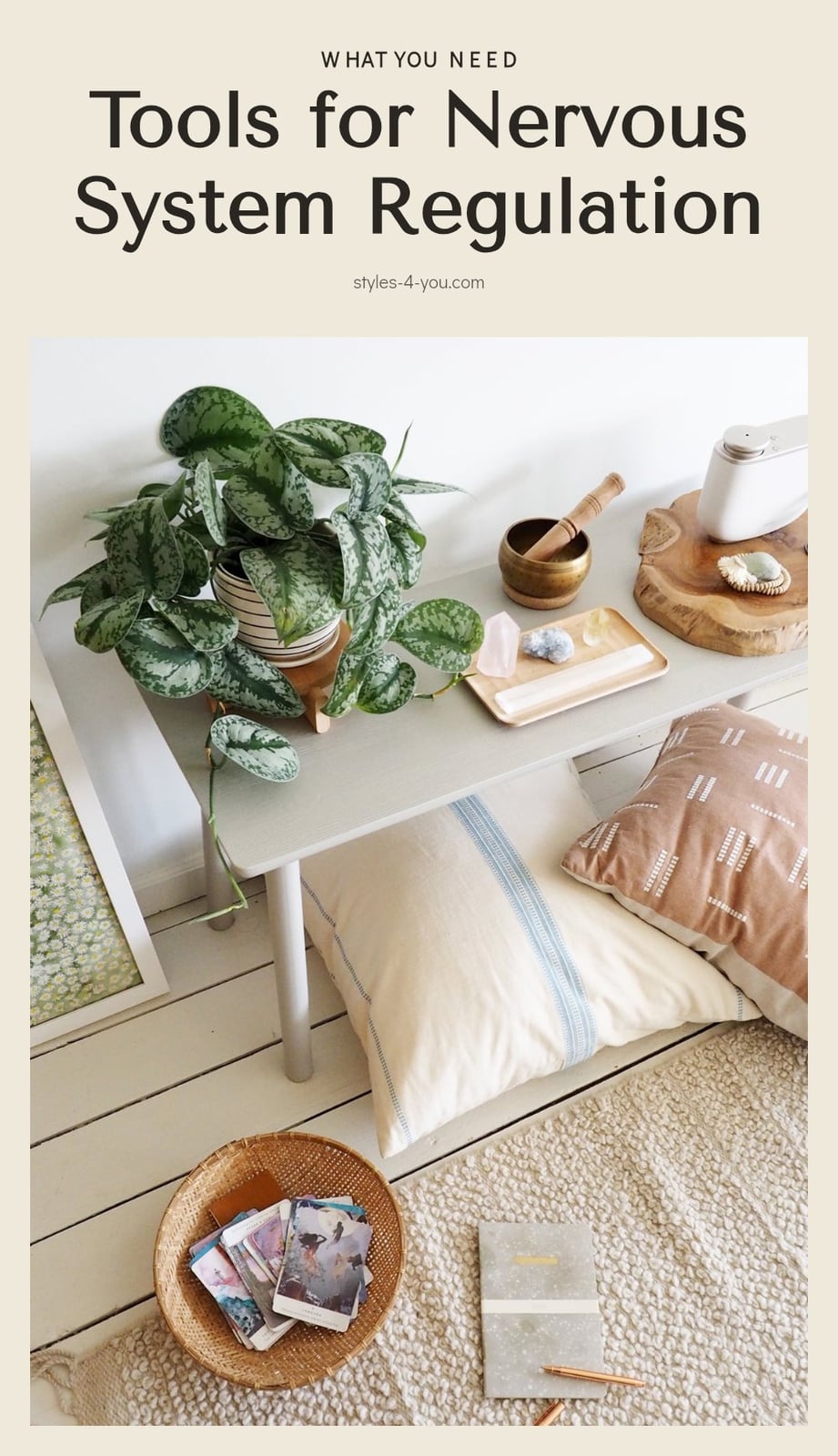
You do not need a lot to start regulating your nervous system. Gather a few basics to support your practice:
- Comfortable clothing: Wear loose, breathable pieces that let you move and relax without restriction.
- Yoga mat or cushion: Use one for meditation, breathwork, or gentle stretching.
- Journal: Write down stressors, patterns, or reflections to process what you notice.
- Timer or meditation app: Set a timer for short sessions so you are not watching the clock.
- Water bottle: Stay hydrated, since even mild dehydration can amplify stress responses.
Practical Steps to Activate Your ‘Rest and Digest’ System
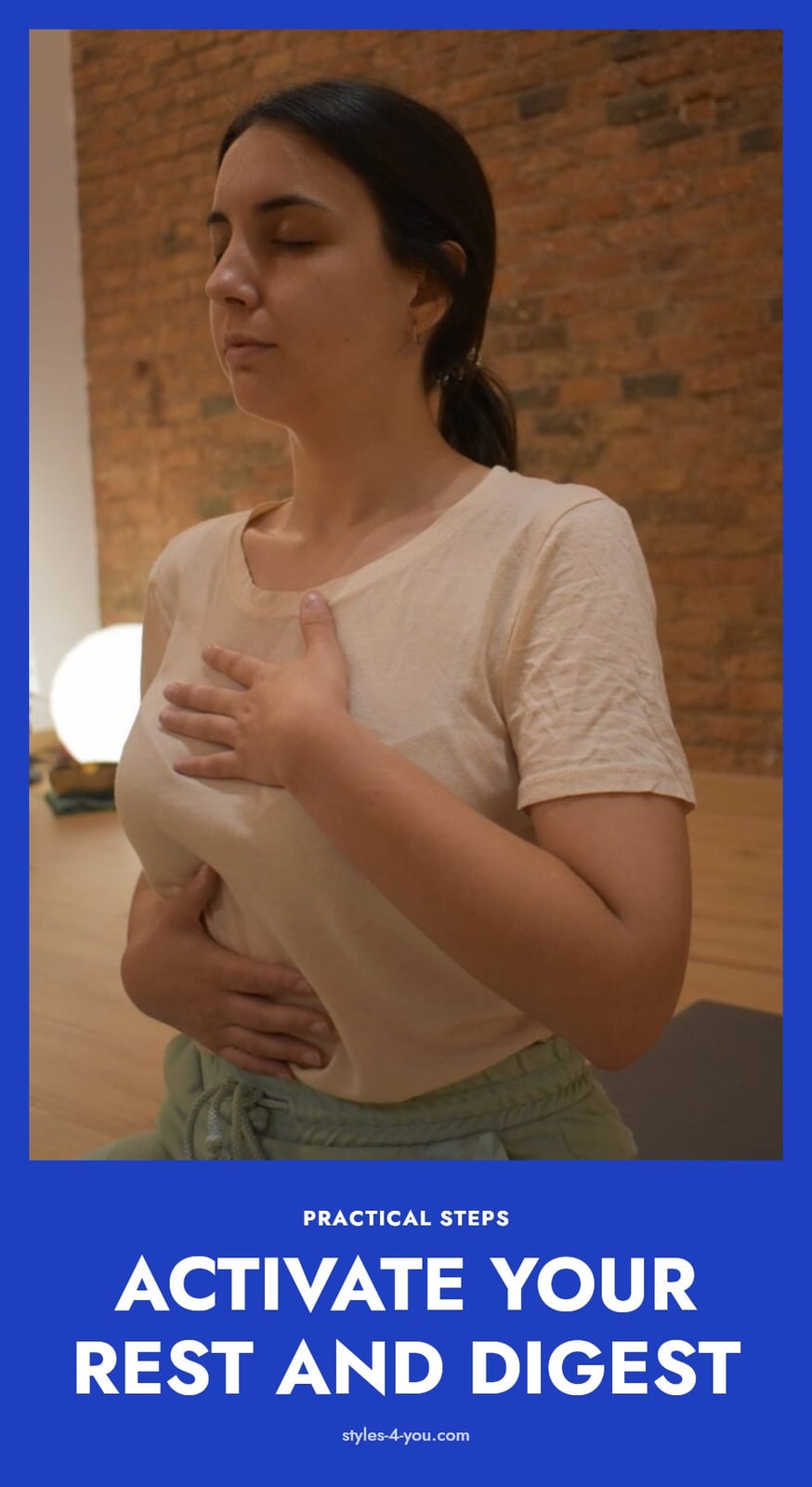
- Breathe deeply: Practice slow, diaphragmatic breathing for 5-10 minutes daily. Place one hand on your belly and inhale through your nose, letting your belly rise, then exhale slowly. This directly stimulates the vagus nerve, which activates the parasympathetic system.
- Move moderately: Incorporate 20-30 minutes of moderate exercise, like brisk walking or cycling, most days. Physical activity releases built-up tension and helps balance nervous system activity.
- Get outside: Spend at least 10-15 minutes in nature, whether it is a park, a garden, or a tree-lined street. Time outdoors can lower stress hormones like cortisol and promote a calmer state.
- Prioritize sleep: Aim for 7-9 hours of quality sleep each night. Sleep is when your nervous system repairs itself, so keep a consistent schedule and wind down with a relaxing bedtime routine.
- Practice mindfulness: Set aside 10-15 minutes a day for meditation or mindful awareness. Focus on your breath or the present moment to reduce reactivity to stressors.
- Enjoy calming hobbies: Engage in activities that soothe you, such as reading, gardening, knitting, or listening to music. These give your mind a break and reinforce a relaxed state.
Consistency matters more than intensity. Pick one or two steps to start, then build from there.
Common Mistakes When Trying to Calm Your Nervous System
One of the biggest roadblocks to calming your nervous system is thinking stress is all in your head. It is not: your body is physically reacting, so you need physical strategies like breathwork and movement, not just positive thinking.
Trying to power through chronic stress rarely works. If you keep ignoring the root causes, whether that is overwork, poor sleep, or constant digital stimulation, your sympathetic nervous system stays switched on. Address the source instead of just pushing through the symptoms.
Expecting instant, permanent relief sets you up for frustration. Regulation is a gradual process that takes consistent effort over weeks or months. One deep breathing session can help temporarily, but lasting change requires repetition.
Underestimating lifestyle impact is another common miss. Diet, sleep, and exercise are the foundation. Excessive caffeine and sugar can overstimulate you, while poor sleep prevents your nervous system from repairing itself.
Caution: Relaxation is not the same as passive inactivity. Sitting on the couch scrolling may feel restful, but active techniques like diaphragmatic breathing, gentle stretching, or a short walk are often far more effective at shifting your body into rest and digest mode.
Lifestyle Adjustments for Sustained Nervous System Health
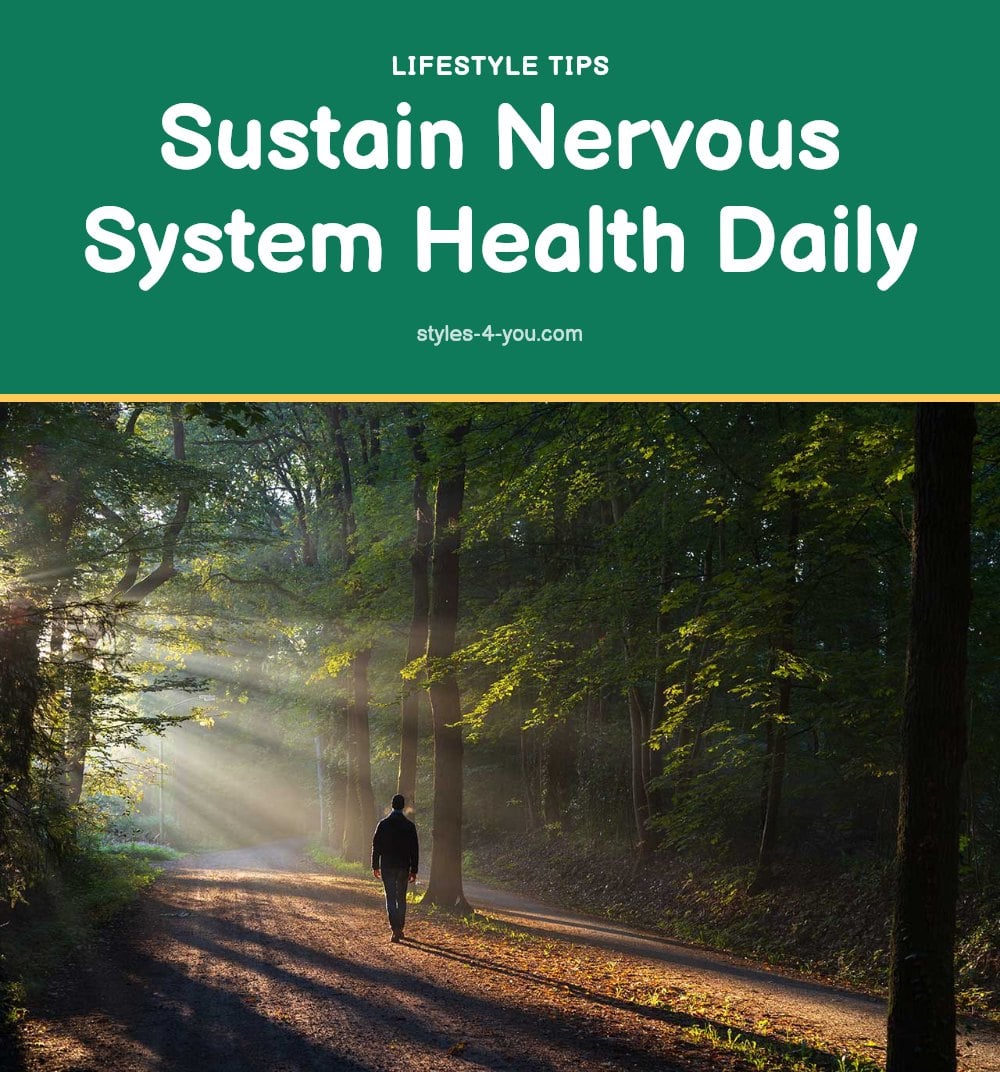
Hydration and food choices matter more than you might think. Drink water throughout the day and eat balanced meals with protein, fiber, and healthy fats. Cut back on excessive caffeine and sugar, since both can keep your sympathetic nervous system switched on.
Tip: Try a short cold shower once or twice a week. Cold exposure can activate the vagus nerve, which supports the parasympathetic response. Start with 30 seconds of cool water at the end of your shower and gradually increase the time.
Digital devices are a hidden stressor. Limit stimulating screens, especially in the hour before bed, so your nervous system can wind down for sleep. Swap scrolling for reading, stretching, or a calming podcast.
Stay connected with people you trust. Isolation tends to amplify stress, while a quick call or coffee date can shift your mood. Make self-care a non-negotiable part of your routine, even if it is just 10 minutes a day for a walk, a bath, or a favorite hobby.
How Long Does Nervous System Regulation Take?
Some techniques, like a few slow breaths or a short walk outside, can bring temporary relief within minutes. That feeling often fades quickly, so do not mistake it for a permanent fix. For lasting changes, plan on consistent practice over several weeks to months. Your nervous system learns new patterns through repetition, not through occasional effort.
Think of regulation as an ongoing practice, not a one-time reset. You will keep using these tools whenever stress spikes, and that is normal. The good news: most techniques are free or nearly free. You already have what you need, your breath, your body, and a few minutes of your day.
When to Seek Professional Help for Nervous System Issues
If you have severe or persistent anxiety, panic attacks, or stress symptoms that make daily life hard to manage, talk to a healthcare professional or mental health expert. The same goes if your self-help efforts are not helping enough or your symptoms are getting worse.
Before you make major changes to your diet or exercise routine, especially if you have an underlying health condition, check with your doctor first. And if you suspect your symptoms might be tied to a medical issue, do not wait to get it evaluated. Professional guidance can help you find the right path safely.
Frequently Asked Questions
How long does it take to calm an overactive nervous system?
A few slow breaths or a short walk can bring temporary relief within minutes, but that feeling often fades quickly. For lasting changes, plan on consistent practice over several weeks to months. Your body needs time to rewire its stress response patterns.
Can diet really affect my nervous system?
Yes, what you eat and drink matters. Excessive caffeine and sugar can keep your sympathetic nervous system switched on, making you feel more wired and stressed. Staying hydrated and eating balanced meals with protein, fiber, and healthy fats supports a calmer nervous system over time.
What’s the difference between the sympathetic and parasympathetic nervous systems?
The sympathetic nervous system is your ‘fight or flight’ response, preparing your body for perceived threats. The parasympathetic nervous system is your ‘rest and digest’ response, promoting relaxation and recovery. Calming your nervous system means shifting from the sympathetic to the parasympathetic branch.
Is it possible to completely eliminate stress from my life?
No, stress is a normal part of life and cannot be eliminated entirely. The goal is not to get rid of stress but to manage your body’s response to it. With regular practice, you can recover from stressful events more quickly and reduce the long-term impact on your health.
Are there any apps that can help calm the nervous system?
Yes, many meditation and breathing apps offer guided sessions for breathwork and mindfulness. A timer or meditation app can help you stay consistent with your daily practice. Look for apps that focus on deep breathing or vagus nerve stimulation exercises.
Final Thoughts
Start with one small habit, like five minutes of slow belly breathing or a short walk outside, and build from there. Do not expect to feel calm all the time, but with regular practice you will notice your body bouncing back faster after stressful moments. Your nervous system responds to consistency, not perfection, so keep showing up for yourself.
This article is for general informational purposes only and does not constitute medical or professional advice. If you have severe or persistent anxiety, panic attacks, or other debilitating symptoms, please consult a healthcare professional or mental health expert for personalized guidance.
More Blog ideas
- Your Essential Guide to a Healthy Feminine Hygiene Routine
- Best High Protein Foods to Eat Daily for Health and Energy
- Feeling Stuck: 12 Small Steps to Get Unstuck
- Winter Skin Survival Tips
- How to Get a Flat Stomach
- How to Fix Damaged Hair and Restore Its Health
- Full-Body Kettlebell Workout
- Dry Scalp vs. Dandruff
- Full Body Workout for Beginners
- 21 Easy Beauty Tips Every Woman Should Know
- Feminine Energy: 15 Daily Habits to Feel More Radiant
- Upper Body Workout for Women at Home