How to Care for Sensitive Skin: Your Guide to Calm, Happy Skin
Discover how to care for sensitive skin with gentle routines, product tips, and trigger avoidance. Get calm, comfortable skin and reduce irritation.

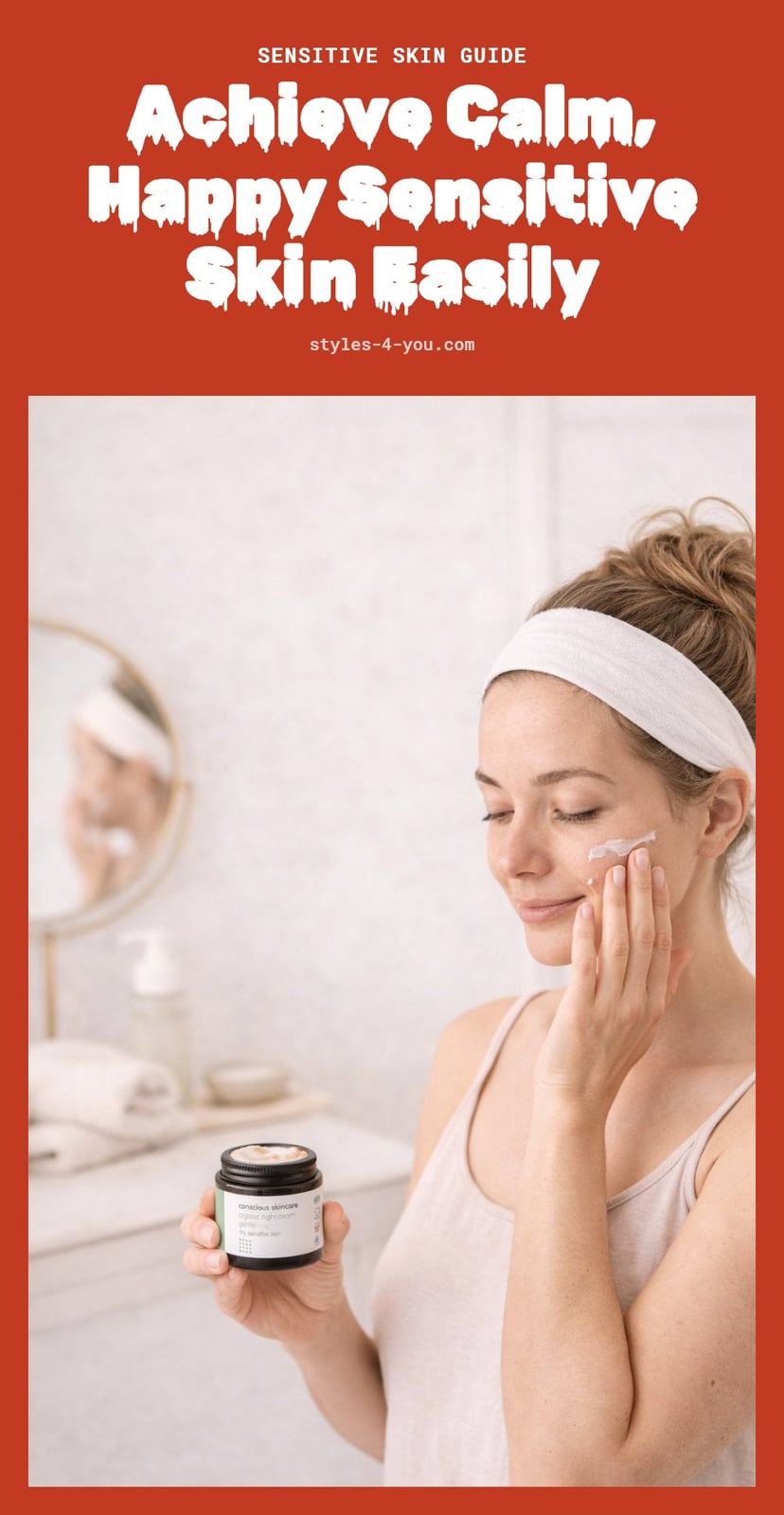
If your skin stings, burns, or turns red at the slightest provocation, you’re not alone. Sensitive skin is a common challenge, but with the right approach, you can calm the chaos and build a routine that works. This article walks you through the essentials: understanding your triggers, choosing gentle products, and adopting habits that strengthen your skin’s natural defenses.
Key Takeaways
- Identify and avoid your personal triggers by keeping a two-week diary of products and environmental factors.
- Choose fragrance-free, dye-free, and hypoallergenic products, and always read the full ingredient list.
- Use lukewarm water and a gentle, pH-balanced cleanser to avoid stripping natural oils.
- Apply moisturizer immediately after washing to lock in hydration and support the skin barrier.
- Consult a dermatologist if symptoms persist, worsen, or include severe itching, burning, or swelling.
What is Sensitive Skin and Why Does it React?
Sensitive skin isn’t a medical diagnosis but a description of how your skin behaves. It means you regularly feel stinging, burning, itching, or tightness from products or conditions that don’t bother most people. The root cause is often a compromised skin barrier, the outer layer that normally keeps moisture in and irritants out. When that barrier is weak, water escapes more easily (making skin dry) and irritants penetrate deeper (causing reactions). The goal of sensitive skin care isn’t to treat a condition but to strengthen that barrier. That means identifying what triggers your reactions and consistently using gentle, hypoallergenic products that support your skin’s natural defenses.
Understanding Your Triggers: Why Your Skin Reacts
Why Your Skin Reacts
Think of your skin barrier as a brick wall. The skin cells are the bricks, and natural oils are the mortar holding them together. In sensitive skin, that mortar is thin or damaged, so irritants slip through the gaps. Once inside, they trigger inflammatory responses, redness, itching, burning. The most common culprits are harsh chemicals, synthetic fragrances, dyes, and denatured alcohols. Fragrances alone are one of the top causes of allergic contact dermatitis, so avoiding them is a smart first move.
Environmental factors play a big role too. Extreme cold, hot wind, UV radiation, and even hard water can further weaken the barrier. And stress? It raises cortisol levels, which can impair the immune system and the skin’s ability to repair itself. That’s why a stressful week often shows up on your face.
Common triggers to watch for:
- Synthetic fragrances and essential oils (often labeled as “parfum” or “fragrance”)
- Dyes and colorants in skincare and laundry products
- Denatured alcohols (SD alcohol, isopropyl alcohol)
- Harsh sulfates like sodium lauryl sulfate (SLS)
- Extreme temperatures and UV exposure
- Emotional or physical stress
Your Essential Toolkit for Sensitive Skin Care
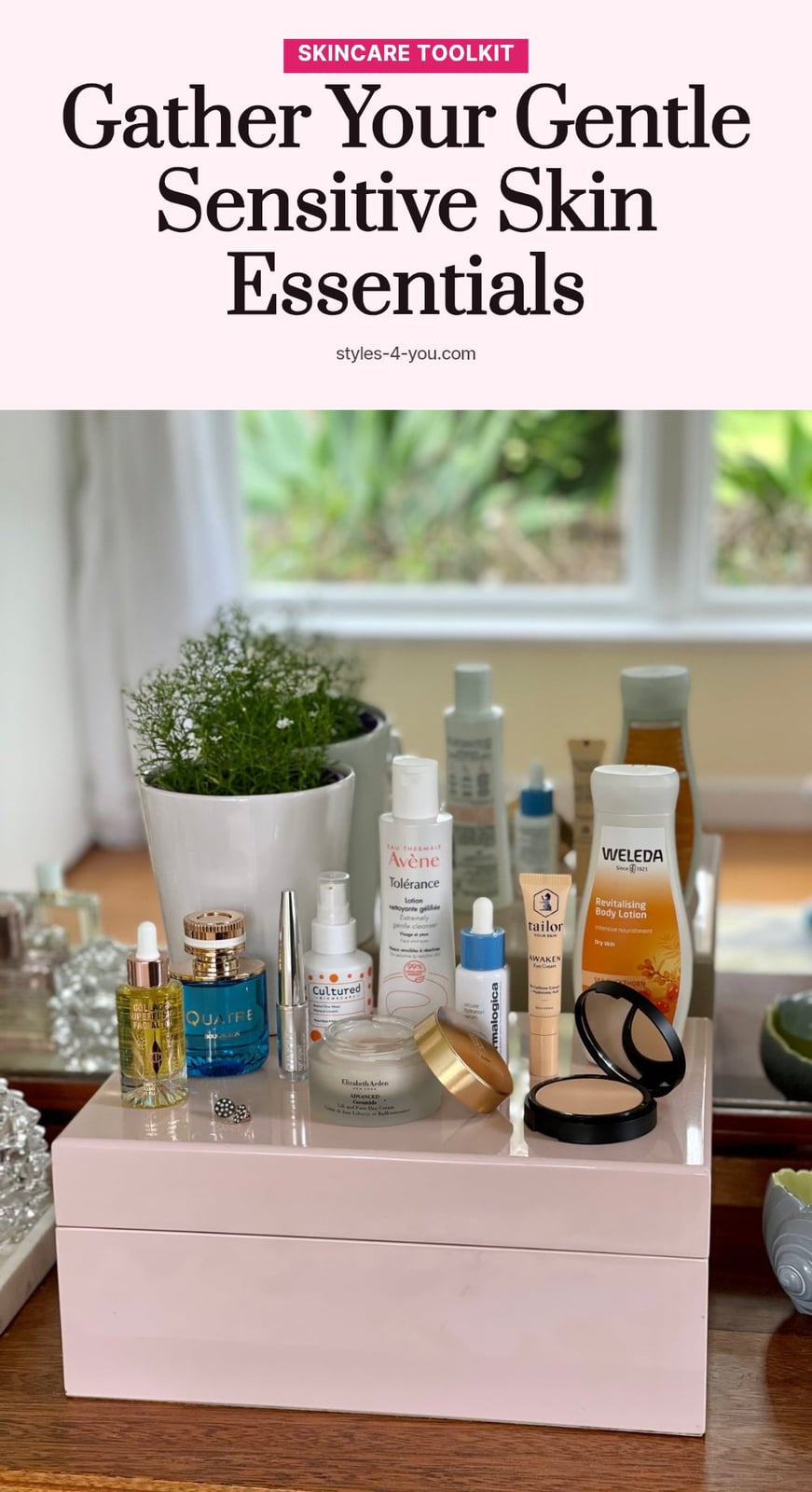
Your Essential Toolkit for Sensitive Skin Care
Building a sensitive-skin routine starts with the right products. Each one has a specific job, and choosing wisely reduces your risk of reactions.
- Gentle, pH-balanced cleanser: Cleans without stripping natural oils. Look for a pH around 5.5.
- Fragrance-free moisturizer: Hydrates and supports barrier repair. Apply while skin is still damp.
- Mineral-based sunscreen (zinc oxide, titanium dioxide): Sits on top of the skin rather than absorbing, so it’s far less likely to irritate.
- Soft cotton towels: Use them to pat, never rub, your face dry.
- Hypoallergenic laundry detergent: Your face touches pillowcases and towels all night; this keeps irritants off your skin.
- Barrier-supporting ingredients: Ceramides fill gaps between skin cells, hyaluronic acid and glycerin draw in moisture, and niacinamide calms inflammation.
Your Daily Routine: Gentle Steps for Calm Skin

Your Daily Routine: Gentle Steps for Calm Skin
Less really is more when your skin is reactive. A minimalist routine with two or three steps gives your barrier a chance to repair.
- Cleanse with lukewarm water: Hot water strips natural oils. Splash your face with lukewarm water, then use a pea-sized amount of your gentle cleanser. Massage lightly for 30 seconds, then rinse. Pat dry with a soft cotton towel, no rubbing.
- Apply moisturizer immediately: Within 60 seconds of cleansing, while your skin is still damp, apply your fragrance-free moisturizer. This locks in the water your skin just absorbed and supports barrier repair.
- Protect with mineral sunscreen (morning only): After moisturizer, apply a thin layer of zinc oxide or titanium dioxide sunscreen. Reapply if you’re outdoors for more than two hours.
- Patch test any new product: Before using a new cleanser, moisturizer, or sunscreen on your whole face, dab a small amount behind your ear or on your inner arm. Wait 24 hours to see if redness or stinging develops.
- Simplify your routine: Stick to a cleanser, moisturizer, and sunscreen. Skip toners, serums with active acids, and exfoliants until your skin feels calm for at least two weeks. Then introduce one new product at a time.
My tip: Keep a small notebook or a note on your phone listing every product you use and any reaction you notice. After a few weeks, you’ll spot patterns, maybe your skin flushes after a certain sunscreen or feels tight after a particular cleanser. That’s your clue to swap it out.
Caution: If you experience severe itching, burning, swelling, or blistering from any product, wash it off immediately with plain lukewarm water. Stop using that product and contact a dermatologist if symptoms don’t improve within 24 hours.
Common Mistakes That Worsen Sensitive Skin
Assuming ‘natural’ means safe: Poison ivy is natural, and so are essential oils like tea tree and citrus. Both can cause serious irritation on sensitive skin. “Natural” doesn’t guarantee gentleness.
Over-exfoliating: Scrubbing with harsh scrubs or using acids too often strips your skin barrier, leaving it more reactive. Stick to once a week at most, and only with a very gentle exfoliant.
Using too many products: Layering serums, treatments, and actives makes it impossible to know which one is causing redness or stinging. Keep your routine to a cleanser, moisturizer, and sunscreen.
Ignoring environmental factors: Cold wind, dry indoor heating, pollution, and hard water can all trigger reactions. A humidifier at home and a soft cotton scarf outdoors help.
Rubbing skin aggressively: Pat your face dry with a soft towel, don’t drag or scrub. The same goes for cleansing: use fingertips in gentle circles, not a rough cloth.
Taking hot showers: Hot water strips natural oils, worsening dryness and irritation. Use lukewarm water and limit showers to 10 minutes.
Long-Term Strategies to Strengthen Your Skin Barrier

Identify and avoid triggers: Keep a diary of products and environmental factors for two weeks. Note any redness, itching, or stinging, patterns will emerge.
Choose fragrance-free and dye-free products: Even “hypoallergenic” labels can contain hidden irritants. Always read the full ingredient list.
Protect from sun and extreme temperatures: Use a mineral-based sunscreen (zinc oxide or titanium dioxide) daily. Wear a wide-brimmed hat and protective clothing in harsh weather.
Manage stress: Stress releases hormones that can weaken the skin barrier and trigger inflammation. Try short breathing exercises or a 10-minute walk when you feel overwhelmed.
Stay hydrated: Drink water throughout the day. Proper hydration supports skin cell function and helps maintain a resilient barrier.
When to Consult a Dermatologist
If you experience severe itching, burning, swelling, or blistering, stop using the product immediately and rinse your skin with lukewarm water. These symptoms may indicate an allergic reaction or significant barrier damage.
Consult a dermatologist if your sensitivity persists despite gentle care, worsens over time, or significantly affects your daily life. A specialist can perform patch testing to identify specific allergens and prescribe treatments you can’t get over the counter.
Frequently Asked Questions
Can sensitive skin ever become ‘normal’?
Many people find that with consistent gentle care, their skin becomes less reactive over time. While you may always have a lower tolerance for certain ingredients, you can strengthen your skin barrier so it handles everyday stressors better. It’s not about becoming ‘normal’ but about finding what works for you and staying consistent.
How long does it take to see improvement in sensitive skin?
With a consistent, gentle routine, you may notice calmer skin within a few weeks. However, this timeline can vary depending on your specific triggers and how well you avoid them. Full barrier repair can take longer, so patience and consistency are your best allies.
Is it possible to develop sensitive skin later in life?
Yes, it is possible. Skin barrier function can change due to aging, hormonal shifts, or cumulative environmental damage. You might find that products you once tolerated now cause irritation. If you notice this change, it’s a good idea to simplify your routine and consult a dermatologist if the sensitivity is new or severe.
What’s the difference between sensitive skin and an allergic reaction?
Sensitive skin is a general tendency to react to everyday triggers, while an allergic reaction is a specific immune response to a particular allergen. Symptoms of an allergic reaction can include severe itching, swelling, or blistering and require immediate attention. If you suspect an allergy, a dermatologist can perform patch testing to identify the culprit.
Can diet affect sensitive skin?
For some people, certain foods may trigger or worsen flare-ups, but this isn’t universal. Keeping a diary of what you eat and any skin reactions can help you spot patterns. If you notice a consistent link, try eliminating that food for a few weeks and see if your skin improves. Always consult a healthcare professional before making significant dietary changes.
Are natural ingredients always better for sensitive skin?
No, natural doesn’t automatically mean safe or gentle. Many natural ingredients, like essential oils, can be highly irritating to sensitive skin. The best approach is to focus on products with simple, proven ingredients like ceramides, hyaluronic acid, and glycerin, regardless of whether they’re synthetic or natural. Always patch test new products.
Final Thoughts
For calm, happy skin, my top recommendation is to simplify your routine to just a few gentle steps: cleanse, moisturize, and protect with mineral sunscreen. Consistency is key, and you may start to see improvements within a few weeks, but remember that managing sensitive skin is an ongoing process. Listen to your skin, adjust as needed, and don’t hesitate to seek professional help if reactions become severe or persistent.
This article is for general informational purposes only and is not a substitute for professional medical advice. Sensitive skin can be complex, and what works for one person may not work for another. If you experience severe or persistent symptoms, or if your skin condition is impacting your quality of life, please consult a dermatologist or healthcare provider for personalized guidance.
More Blog ideas
- Your Essential Guide to a Healthy Feminine Hygiene Routine
- Best High Protein Foods to Eat Daily for Health and Energy
- Feeling Stuck: 12 Small Steps to Get Unstuck
- Winter Skin Survival Tips
- How to Get a Flat Stomach
- How to Fix Damaged Hair and Restore Its Health
- Full-Body Kettlebell Workout
- Dry Scalp vs. Dandruff
- Full Body Workout for Beginners
- 21 Easy Beauty Tips Every Woman Should Know
- Feminine Energy: 15 Daily Habits to Feel More Radiant
- Upper Body Workout for Women at Home






