How to Start the Carnivore Diet Safely and Effectively
Thinking about the Carnivore Diet? Learn how to start this restrictive eating plan, what to eat, and common mistakes to avoid for a safer approach.

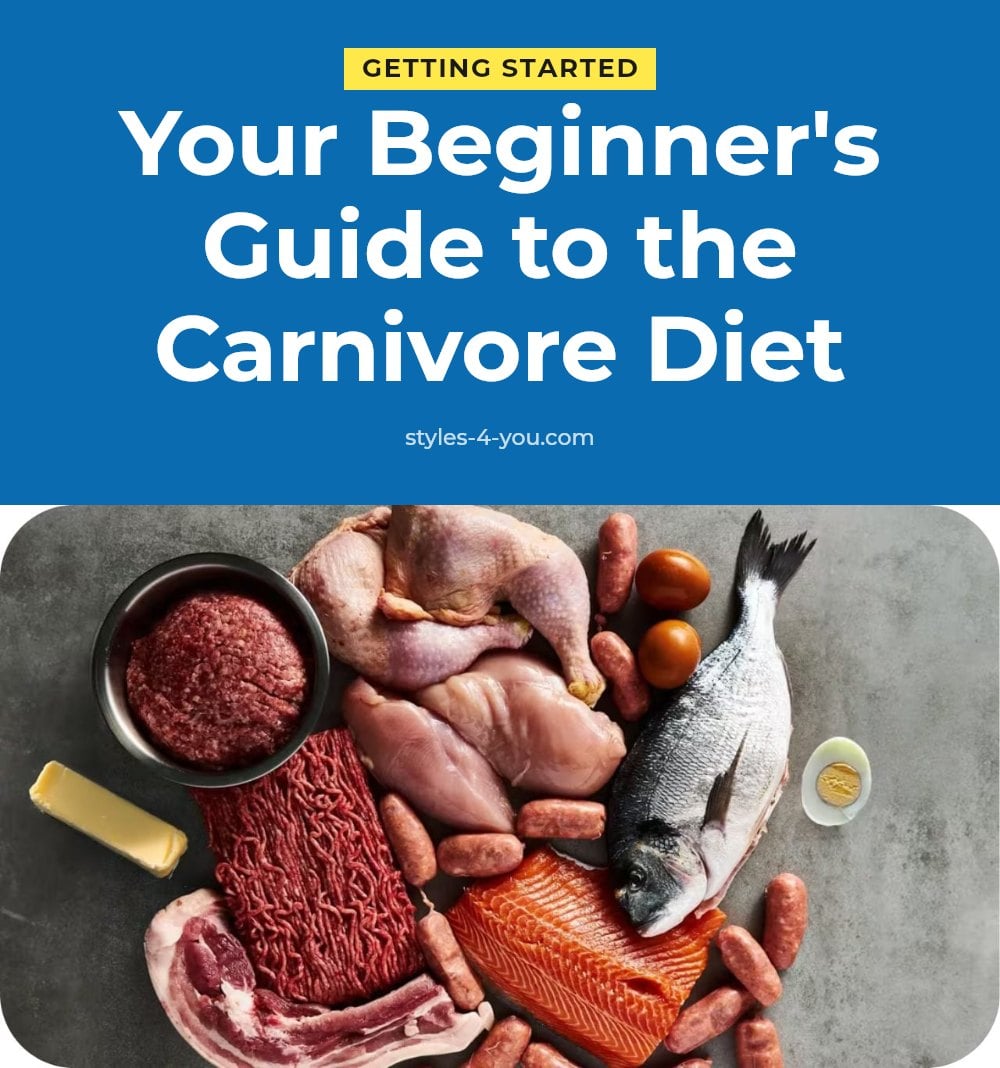
Starting the Carnivore Diet is a big step, and you likely want to know how to do it safely. This article walks you through the essential foods, step-by-step guidance, and common mistakes to avoid, so you can make an informed decision before you begin.
Whether you’re exploring this for weight loss or other health reasons, understanding the risks and how to manage them is key. I’ll share practical tips that have helped others, and remind you when it’s time to check in with a professional.
Key Takeaways
- Consult a doctor or registered dietitian before starting, especially if you have underlying conditions.
- Stock your kitchen with red meat, poultry, fish, eggs, and organ meats for nutrient variety.
- Eat enough fat from fatty cuts or added butter to maintain energy and avoid hunger.
- Monitor electrolyte balance and stay hydrated to prevent headaches and muscle cramps.
- The adaptation phase can last from days to weeks, with possible ‘keto flu’ symptoms.
What is the Carnivore Diet?
The Carnivore Diet is an extremely restrictive eating plan that focuses exclusively on animal products. It eliminates all plant-based foods, including fruits, vegetables, grains, legumes, nuts, and seeds. The diet primarily consists of meat, fish, eggs, and sometimes dairy, with water as the main beverage. This approach is a dramatic departure from standard dietary guidelines, so it is worth understanding exactly what you would be cutting out before you consider trying it.
Essential Foods for Your Carnivore Diet Pantry

Stock your kitchen with a variety of animal foods to keep meals interesting and nutrient-dense. Here is what you need:
- Red meat: Beef, lamb, and pork in various cuts.
- Poultry: Chicken and turkey.
- Fish and seafood: For variety and essential fatty acids.
- Eggs: A versatile, nutrient-dense staple.
- Organ meats: Liver, heart, and kidney boost nutrient intake.
- Butter or ghee: For cooking and added fat.
- Salt: Crucial for electrolyte balance on this diet.
Step-by-Step: How to Begin the Carnivore Diet

Before you commit to the Carnivore Diet, talk to a doctor or registered dietitian, especially if you have any health conditions like kidney disease, heart issues, or if you are pregnant or breastfeeding. They can help you understand potential risks and monitor your health throughout.
- Remove all plant foods immediately: On day one, eliminate fruits, vegetables, grains, legumes, nuts, and seeds. This is a strict animal-only diet, so no gradual phase-out. Your body will adapt to fat burning over the first week or two.
- Choose fatty cuts and organ meats: Prioritize ribeye, pork belly, and chicken thighs over lean cuts. Include liver, heart, or kidney a few times a week to boost nutrient intake, as muscle meat alone lacks certain vitamins and minerals.
- Hydrate consistently: Drink water throughout the day, not just when thirsty. Your fluid needs may increase as your body adjusts to ketosis, and adequate hydration helps manage headaches and fatigue.
- Listen to your body: Eat when hungry and stop when full. Some days you may need more food, especially during the transition. Adjust portion sizes and fat intake based on your energy levels and satiety.
- Track your intake and symptoms: Keep a simple food diary or notes app to log what you eat, how you feel, and any digestive changes. This helps you identify patterns, like which foods cause discomfort, and ensures you are eating enough variety.
Remember, the Carnivore Diet is a significant change, so give yourself time to adapt. If you experience persistent or severe symptoms, check in with your healthcare provider.
Common Mistakes to Avoid on the Carnivore Diet
Even with good intentions, it is easy to make mistakes on the Carnivore Diet. Avoid these common pitfalls:
- Not consuming enough fat: Eat fatty cuts of meat to maintain energy and satiety. My tip: Do not shy away from rendered fat or butter.
- Ignoring electrolyte balance: Drink plenty of water and add salt to your meals to prevent headaches and muscle cramps.
- Failing to include organ meats: Muscle meat alone will not provide all necessary nutrients. My tip: Sneak in liver or heart a few times a week.
- Not drinking enough water: Hydration is key during the adaptation phase to manage potential ‘keto flu’ symptoms.
- Assuming it is suitable for everyone: This diet is not for everyone. Always consider your individual health needs and consult a professional.
Practical Tips for Success on the Carnivore Diet

Variety keeps the Carnivore Diet sustainable and more nutritious. Don’t just stick to beef. Try lamb, pork, chicken, and different fish to broaden your nutrient intake.
Cook in animal fats: Use butter, ghee, or rendered fat from bacon or beef for cooking. This boosts your fat intake and adds flavor, which helps with satiety.
Prep ahead: Cook extra meat portions and keep them in the fridge. Having ready-to-eat protein prevents you from reaching for non-carnivore snacks when hunger hits.
Stay connected: Join online carnivore communities for support and shared experiences. Just remember to cross-check any advice with a professional before applying it.
Monitor digestion: Because this diet is extremely low in fiber, your bowel movements may change. Pay attention to your body and adjust your fat intake if you feel constipated or have diarrhea.
Carnivore Diet Timeline and Cost Considerations
The initial adaptation phase can last from a few days to several weeks. During this time, you might experience ‘keto flu’ symptoms like fatigue, headaches, or nausea as your body switches from burning carbs to fat.
Long-term adherence varies greatly. Some people follow the diet for months or years, while others cycle on and off. There’s no set frequency; it’s a continuous eating pattern, and strict adherence means a daily commitment.
Cost considerations: Expect costs from moderate to high, depending on your choices. To manage expenses, opt for cheaper cuts like chuck roast or chicken thighs, include eggs, and prioritize organ meats, which are often inexpensive and nutrient-dense.
When to Consult a Professional About the Carnivore Diet
Before starting the Carnivore Diet, always consult a doctor or registered dietitian, especially if you have kidney disease, heart conditions, or are pregnant or breastfeeding.
Persistent ‘keto flu’: If fatigue, headaches, nausea, or irritability last beyond the initial adaptation phase, seek medical advice.
New or worsening symptoms: Any new health issue or a worsening of an existing condition should prompt an immediate consultation with a healthcare provider.
Nutrient concerns: If you worry about missing vitamins or minerals, a professional can guide you on supplementation or dietary adjustments.
Cholesterol monitoring: Because this diet is high in saturated fat, get your cholesterol checked regularly and discuss any significant changes with your doctor.
Understanding the Risks and Benefits of the Carnivore Diet
Proponents claim the Carnivore Diet can lead to weight loss, reduced inflammation, and improved digestion, but robust scientific backing for these claims is limited. The diet’s extreme restriction of plant foods means you miss out on essential vitamins (C, E, K, and some B vitamins), minerals, and antioxidants found in fruits, vegetables, and grains. However, including organ meats like liver and kidney can provide some of these nutrients, potentially mitigating deficiency risks.
The absence of fiber can negatively impact digestive health and the gut microbiome. Many people experience constipation or changes in bowel habits.
Short-term side effects: You may go through ‘keto flu’ as your body adapts, so staying hydrated and maintaining electrolyte balance is crucial.
Long-term risks: Without careful management or supplementation, nutrient deficiencies are a real concern. If you choose to try this diet, work with a healthcare professional to monitor your health and adjust as needed.
Frequently Asked Questions
What are the main benefits people claim from the Carnivore Diet?
Proponents often report weight loss, reduced inflammation, and improved digestion. However, there is limited scientific research to back these claims, and results can vary greatly from person to person. Always weigh potential benefits against the nutritional risks.
How long does it take for your body to adapt to the Carnivore Diet?
The adaptation phase typically lasts from a few days to several weeks. During this time, you may experience ‘keto flu’ symptoms like fatigue, headaches, or nausea as your body switches from burning carbohydrates to fat for fuel.
Can I drink coffee or tea on the Carnivore Diet?
Water is the primary beverage, but some variations of the diet allow coffee or tea. If you choose to include them, keep them plain without milk, sugar, or plant-based creamers. Check with your own guidelines or consult a professional if you’re unsure.
Is the Carnivore Diet suitable for everyone?
No. It is not recommended for children or adolescents due to potential impact on growth and development. Adults with kidney disease, heart conditions, or who are pregnant or breastfeeding should consult a doctor before starting. Individual health needs vary significantly.
What are some common side effects of the Carnivore Diet?
Short-term side effects often include ‘keto flu’ symptoms such as fatigue, headaches, nausea, and irritability. Long-term risks may include nutrient deficiencies, especially in fiber, vitamin C, and certain minerals, as well as potential impacts on cholesterol levels.
Final Thoughts
My tip: Focus on including a variety of animal foods, especially organ meats, to help cover nutrient gaps. Expect the initial adaptation phase to last anywhere from a few days to several weeks, with possible side effects like fatigue or nausea. If you decide to try it, listen to your body and don’t hesitate to talk to a professional if something feels off.
This article is for general informational purposes only and does not constitute medical or professional advice. The Carnivore Diet carries significant nutritional risks, and you should consult a doctor or registered dietitian before starting, especially if you have underlying health conditions. For persistent or serious health concerns, seek professional guidance.
More Blog ideas
- Your Essential Guide to a Healthy Feminine Hygiene Routine
- Best High Protein Foods to Eat Daily for Health and Energy
- Feeling Stuck: 12 Small Steps to Get Unstuck
- Winter Skin Survival Tips
- How to Get a Flat Stomach
- How to Fix Damaged Hair and Restore Its Health
- Full-Body Kettlebell Workout
- Dry Scalp vs. Dandruff
- Full Body Workout for Beginners
- 21 Easy Beauty Tips Every Woman Should Know
- Feminine Energy: 15 Daily Habits to Feel More Radiant
- Upper Body Workout for Women at Home






