Castor Oil Uses You Should Know for Hair and Skin
Discover the best castor oil uses for hair and skin, from promoting growth to deep hydration. Learn how to apply it safely and effectively.


If you’ve been scrolling through natural beauty remedies, you’ve probably seen castor oil pop up for everything from thicker brows to softer skin. This thick, golden oil comes from the castor bean and is packed with ricinoleic acid, which gives it its moisturizing and conditioning reputation. In this article, I’ll walk you through what castor oil is, how to use it on hair and skin, and the common mistakes to skip so you can get the most out of it.
Key Takeaways
- Castor oil is rich in ricinoleic acid, a fatty acid that makes up about 90% of the oil.
- Always dilute castor oil with a carrier oil like jojoba or coconut for easier application.
- Do a patch test on your inner arm before using castor oil on your face or scalp.
- Apply regularly for several weeks to months before expecting visible results.
- Never ingest castor oil as a laxative without medical supervision.
What Exactly Is Castor Oil?
Castor oil is a vegetable oil pressed from the seeds of the Ricinus communis plant, commonly known as the castor bean. Its standout component is ricinoleic acid, a monounsaturated fatty acid that makes up about 90% of the oil and gives it its distinctive beauty benefits. In skincare and haircare, it’s primarily used topically to hydrate and condition, drawing moisture into the skin and adding shine to hair.
Choosing Between Regular and Jamaican Black Castor Oil
When shopping for castor oil, you’ll likely see two types: regular and Jamaican black. Both come from the same plant and share similar moisturizing benefits, but their processing differs.
| Type | Processing | Characteristics |
|---|---|---|
| Regular | Cold-pressed | Light color, mild scent, thinner texture |
| Jamaican black | Roasted before pressing | Dark color, smoky aroma, thicker feel |
Regular castor oil is cold-pressed, giving it a pale yellow or clear appearance and a lighter consistency. Jamaican black castor oil is roasted first, which darkens it and gives it a distinct, earthy smell. Both work well for hair and skin, so choose based on your texture preference and scent tolerance.
Gather Your Castor Oil Essentials
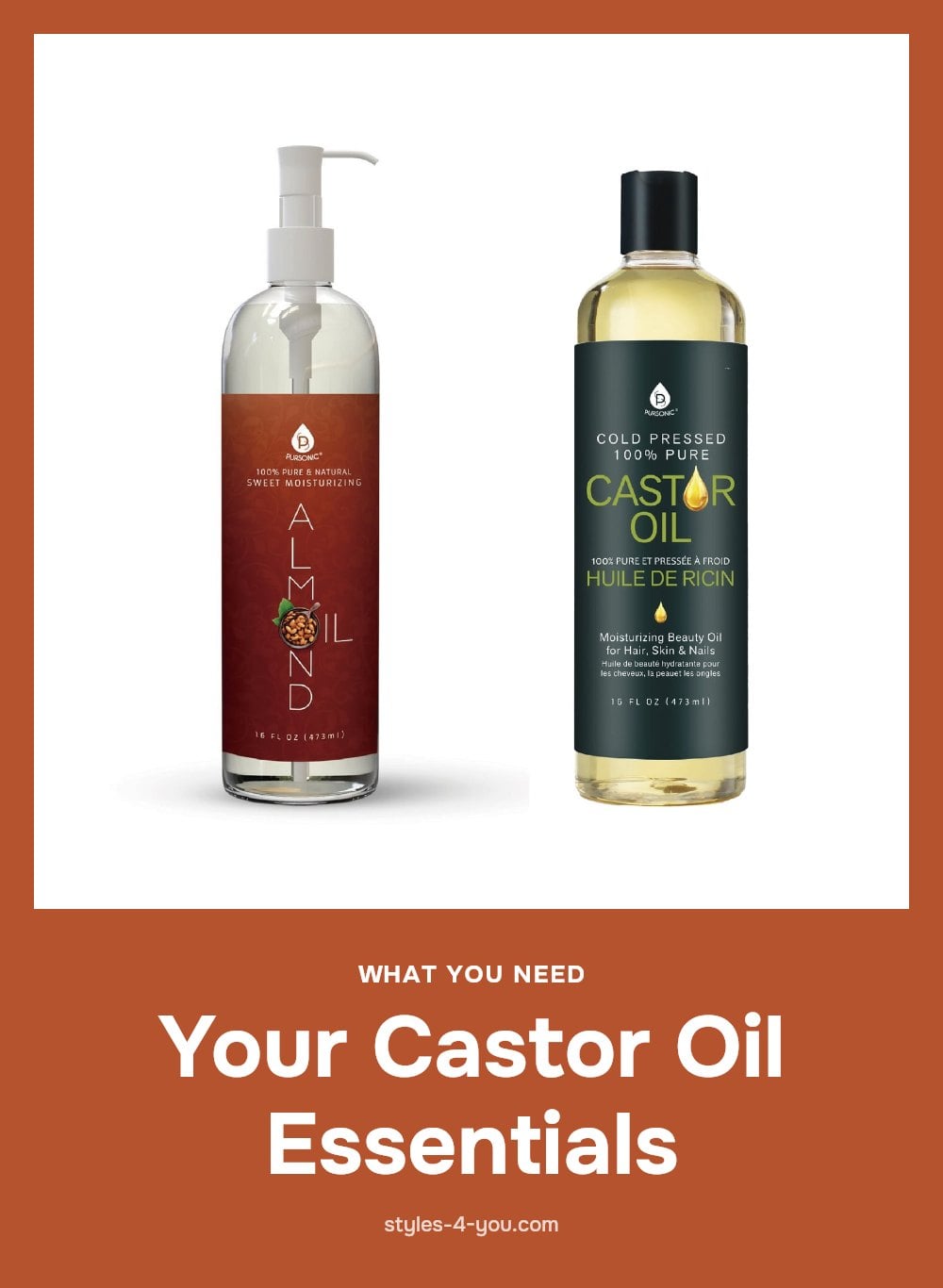
Before you start, gather these essentials:
- Pure castor oil: Choose cold-pressed or Jamaican black, but make sure it’s 100% pure without additives.
- Carrier oil: Jojoba, almond, or coconut oil helps dilute the thick castor oil for easier spreading.
- Applicator: A clean mascara wand or cotton swabs allow precise application to lashes and brows.
- Small bowl or bottle: Mix your oils in a small container for convenience.
- Shampoo and towel: You’ll need these for washing out the treatment thoroughly.
How to Use Castor Oil for Hair and Scalp Health

Using castor oil on your hair and scalp can help moisturize and condition, but it requires a careful approach to avoid greasiness.
- Patch test first: Apply a small amount of diluted oil to your inner arm and wait 24 hours to check for any redness or itching.
- Dilute the oil: Mix one part castor oil with one part carrier oil (like jojoba or almond) in a small bowl. This makes it less sticky and easier to wash out.
- Section your hair: Part your hair into sections so you can reach the scalp easily.
- Apply to scalp: Use your fingertips or a dropper to apply the mixture directly to your scalp, massaging gently in circular motions for 2-3 minutes to stimulate circulation.
- Work through lengths: Apply a small amount to the mid-lengths and ends of your hair, focusing on dry areas.
- Leave it on: Let the oil sit for 30 minutes to 2 hours. For an intensive treatment, you can leave it overnight, but cover your pillow with a towel to avoid stains.
- Wash thoroughly: Shampoo twice if needed to remove all residue, then condition as usual.
Use this routine 2-3 times a week for several weeks to see potential improvements in moisture and softness.
Applying Castor Oil to Eyelashes and Eyebrows
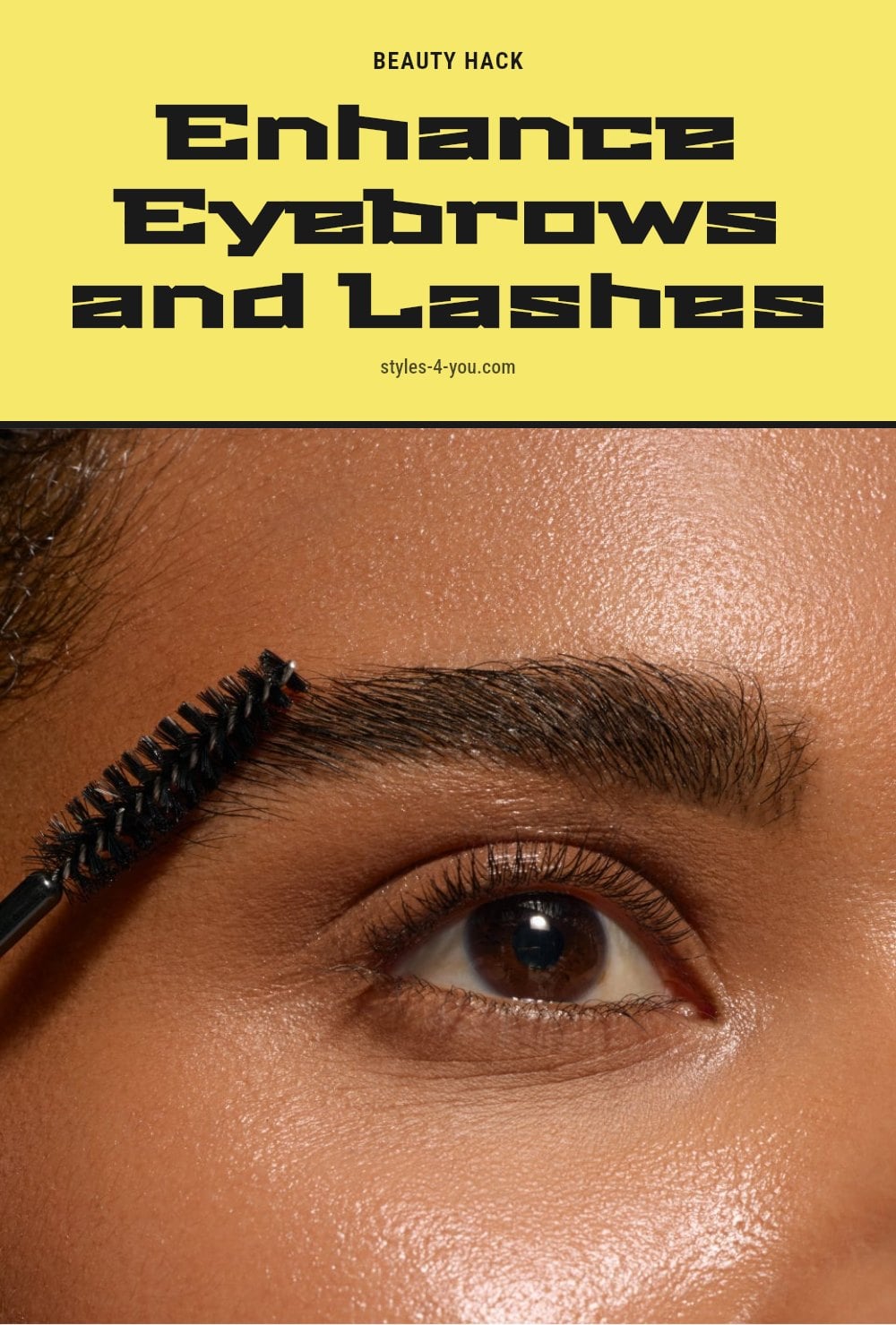
Applying castor oil to your lashes and brows calls for a steady hand and the right tool. A clean mascara wand gives you the most control for lashes, while a cotton swab works better for shaping brow hairs. Either way, start with completely clean, makeup-free skin so the oil can absorb without trapping residue.
- Dip lightly: Swipe the wand or swab across the bottle opening to remove excess oil. You want a barely-there film, not a drip.
- Apply to lashes: Brush from the middle of the lashes to the tips, moving away from the eye. Keep your eye closed while the oil settles.
- Shape brows: Use the swab to stroke the oil along the brow hairs in the direction they grow. A thin layer is enough to coat the skin beneath.
- Wait and rinse: Leave the oil on for 15 to 20 minutes, or longer if your scalp tolerates it, then rinse with warm water. For overnight use, cover your pillow with a towel because the oil can stain fabric.
Keep the oil away from your waterline and inner corners of your eyes to prevent irritation. If any gets into your eye, rinse thoroughly with water and skip the next application.
Using Castor Oil for Skin Hydration and Soothing
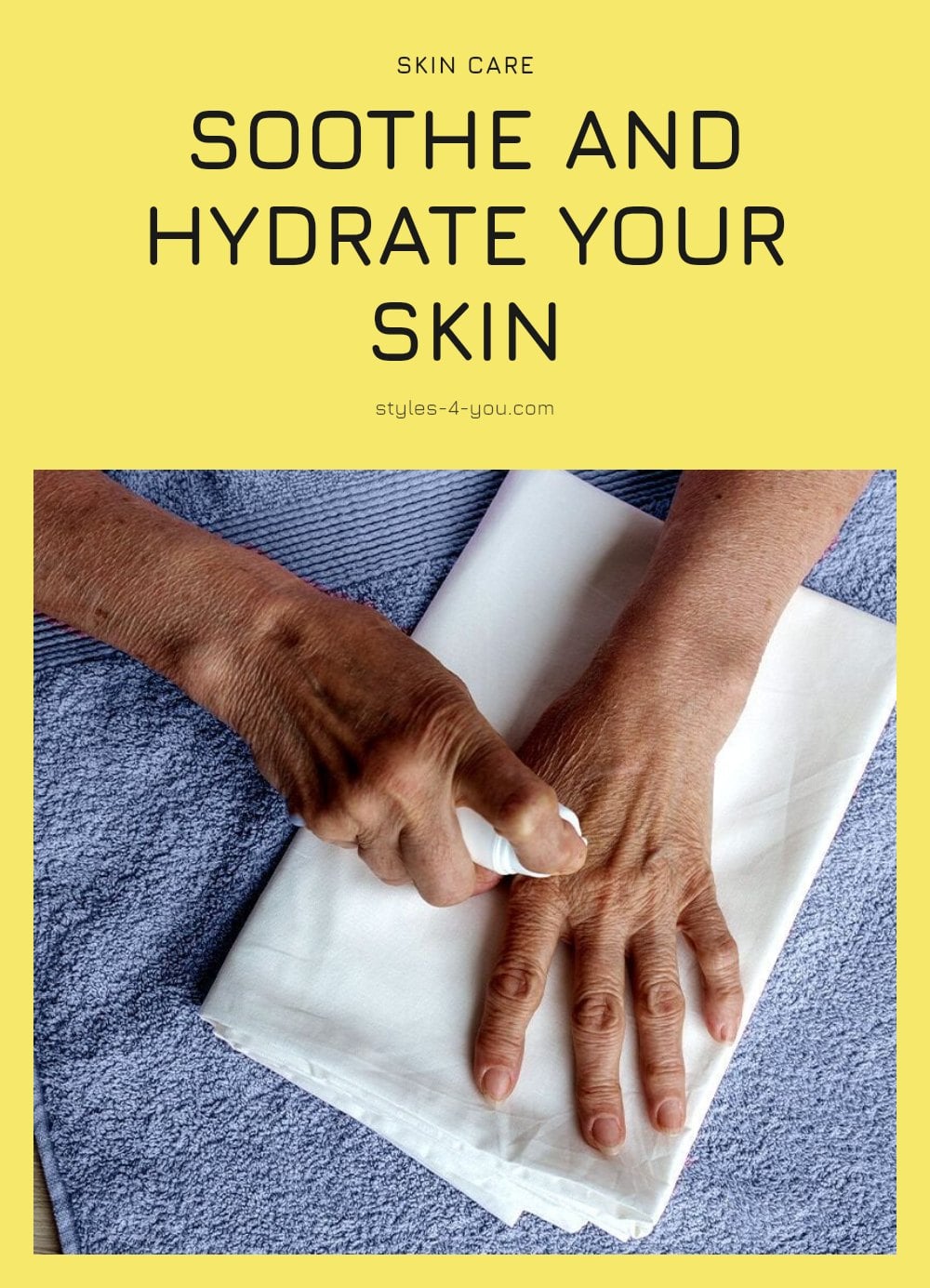
Castor oil works as a humectant, meaning it draws moisture from the air into your skin. That makes it a solid pick for dry patches, chapped lips, or rough elbows. For best absorption, apply it to clean, damp skin right after a shower or a gentle cleanse.
Warm a few drops between your fingertips and press it onto the area instead of rubbing, which can tug at delicate skin. A tiny amount goes far, so start with less than you think you need. For lips, a light swipe with your pinky is plenty.
If you’re using it on your face, keep it to small spots like dry cheeks or the corners of your nose. Castor oil is thick, so layering it under a moisturizer can help seal in hydration. My tip: mix one drop into your regular night cream for an easy boost without the grease.
Common Castor Oil Mistakes and How to Avoid Them
The biggest mistake is using too much. Castor oil is thick and sticky, so a little goes a long way. Overdoing it leaves hair greasy and hard to rinse out, even with multiple shampoos. Start with a few drops mixed into your carrier oil.
Another common error is expecting fast results for hair growth. While you might notice softer skin after a few applications, hair changes usually take consistent use over several weeks. Consistency matters more than quantity, so stick to a routine before judging the outcome.
Skipping a patch test is risky, especially if you have sensitive skin. A small dab behind your ear or on your inner arm can reveal irritation before you apply it to your scalp or face. Also, avoid using undiluted castor oil on delicate areas like under-eyes or lips. Always blend it with a lighter oil first to reduce intensity.
When to Consult a Professional About Castor Oil Use
If you notice persistent redness, itching, swelling, or any other signs of irritation after using castor oil, stop immediately and consult a doctor. These could be signs of an allergic reaction that needs medical attention.
Before you start, talk to your healthcare provider if you have any pre-existing skin conditions like eczema or psoriasis. They can advise whether castor oil is safe for your specific situation.
Pregnant or breastfeeding? Always check with your doctor first. Castor oil has a long history of internal use as a laxative, but that’s not safe without supervision, and its topical safety during pregnancy hasn’t been fully established.
Frequently Asked Questions
How long does it take for castor oil to show results?
Results vary from person to person. For skin hydration, you might notice softer skin after a few applications. For hair growth or thickness, most people need to use it consistently for several weeks to months before seeing any change. Patience and regular use are key.
Can I leave castor oil on my hair overnight?
Yes, you can leave castor oil on your hair overnight, but use a small amount and cover your pillow with a towel to protect against stains. If you have a sensitive scalp, it’s safer to start with a shorter treatment of 30 minutes to an hour to see how your skin reacts.
Is Jamaican black castor oil better than regular castor oil?
Both types come from the same plant and offer similar moisturizing benefits. Jamaican black castor oil is roasted before pressing, which gives it a darker color and a slightly thicker texture. Some people prefer it for hair, but there’s no strong evidence that one is more effective than the other for beauty uses.
Can castor oil be used on sensitive skin?
Yes, but with caution. Always do a patch test on a small area of skin first, and dilute the castor oil with a lighter carrier oil like jojoba or almond oil. If you notice any redness, itching, or swelling, stop using it and consult a dermatologist.
What happens if I use too much castor oil?
Using too much castor oil can leave your hair feeling greasy and difficult to wash out, even with multiple shampoos. On skin, it can feel sticky and may clog pores. Start with just a few drops mixed into a carrier oil to avoid these issues.
Final Thoughts
My tip for getting started with castor oil is to keep it simple. Mix a few drops with a carrier oil, apply it to damp skin or your scalp, and stick with it a few times a week. Realistic expectations matter here: you may notice softer skin after a few applications, but hair changes usually take consistent use over several weeks to months. If irritation shows up, stop and see a doctor. With patience and a light hand, castor oil can be a useful addition to your routine.
This article is for informational purposes only and does not constitute medical or professional advice. Castor oil affects individuals differently, and results are not guaranteed. If you have a pre-existing skin condition, are pregnant or breastfeeding, or experience persistent irritation, consult a healthcare provider or dermatologist before use.
More Blog ideas
- Your Essential Guide to a Healthy Feminine Hygiene Routine
- Best High Protein Foods to Eat Daily for Health and Energy
- Feeling Stuck: 12 Small Steps to Get Unstuck
- Winter Skin Survival Tips
- How to Get a Flat Stomach
- How to Fix Damaged Hair and Restore Its Health
- Full-Body Kettlebell Workout
- Dry Scalp vs. Dandruff
- Full Body Workout for Beginners
- 21 Easy Beauty Tips Every Woman Should Know
- Feminine Energy: 15 Daily Habits to Feel More Radiant
- Upper Body Workout for Women at Home






