Chapped Lips Remedies: 9 Ways to Heal Dry Lips at Home
Discover 9 effective home remedies for chapped lips. Learn why your lips get dry and how to soothe, protect, and prevent future chapping for good.


Chapped lips are a frustrating and uncomfortable problem that almost everyone deals with at some point. The good news is that with the right care, you can soothe and heal dry, cracked lips at home. In this article, I share nine practical remedies to restore moisture and prevent future chapping, from choosing the right balm to overnight healing tricks.
Key Takeaways
- Apply a lip balm with humectants, emollients, and occlusives throughout the day.
- Drink plenty of water to keep your lips hydrated from the inside.
- Use a lip balm with SPF 30 or higher daily, even in winter.
- Gently exfoliate lips once or twice a week to remove dead skin.
- See a doctor if chapping is severe or doesn’t improve after two to three weeks.
Why Do My Lips Get So Chapped?
The skin on your lips is thinner and more delicate than the rest of your face, and it lacks oil glands to keep itself moisturized. That alone makes it prone to drying out. Environmental factors like cold, dry air, wind, and sun exposure are major triggers, along with not drinking enough water throughout the day. Frequent lip licking might feel soothing in the moment, but saliva evaporates quickly and strips natural moisture, making chapping worse. Some lip products can also irritate sensitive lips further if they contain ingredients like camphor or menthol.
1. Apply a Hydrating Lip Balm Frequently
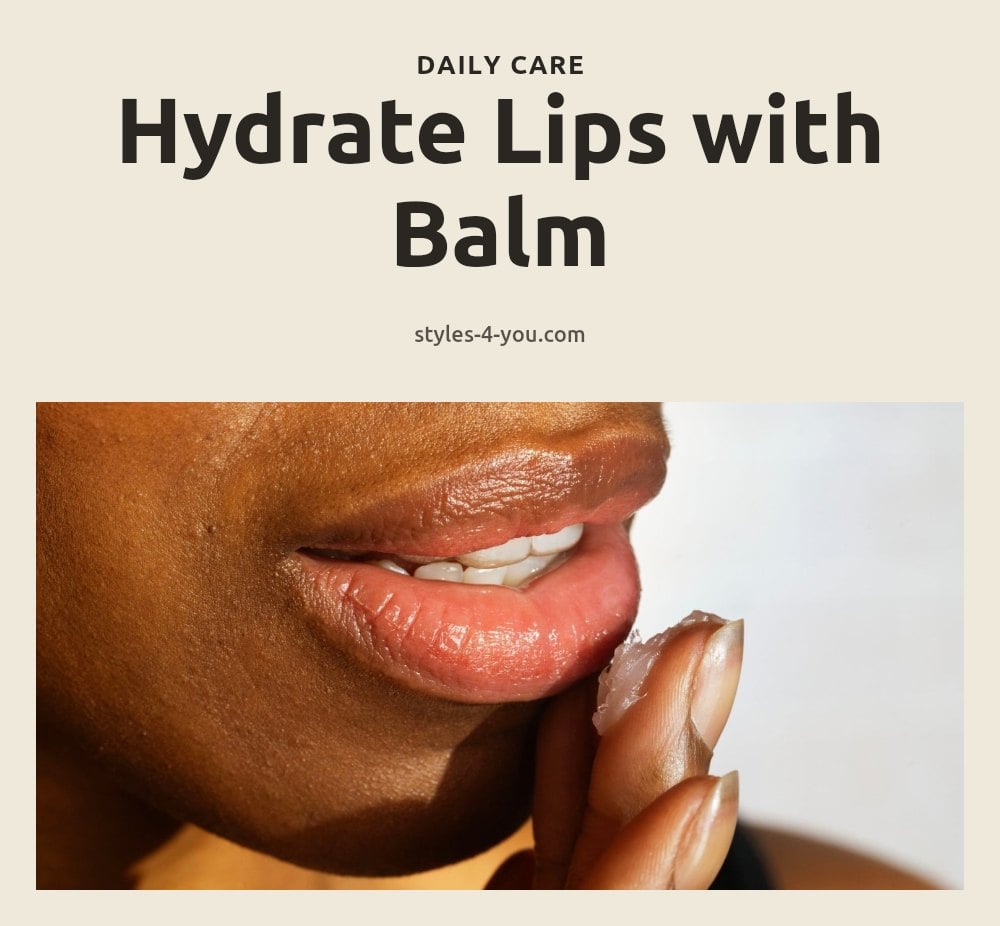
Choose a lip balm that does triple duty with humectants to draw moisture in, emollients to smooth, and occlusives to seal it all in. Look for hyaluronic acid or glycerin as humectants, shea butter or ceramides as emollients, and petrolatum or beeswax as occlusives. Apply your balm generously throughout the day, especially before you head outdoors, eat, or drink anything.
My tip: If your lips are sensitive, reach for products labeled “fragrance-free” and “hypoallergenic” to avoid hidden irritants.
2. Stay Hydrated from Within

Dehydration is a common internal cause of chapped lips, affecting overall skin moisture. Drinking plenty of water helps keep your lips hydrated from the inside out. Aim for consistent sips throughout the day, not just when you feel thirsty.
My tip: Keep a water bottle on your desk or in your bag as a visual reminder to sip regularly.
3. Protect Lips from Sun and Wind
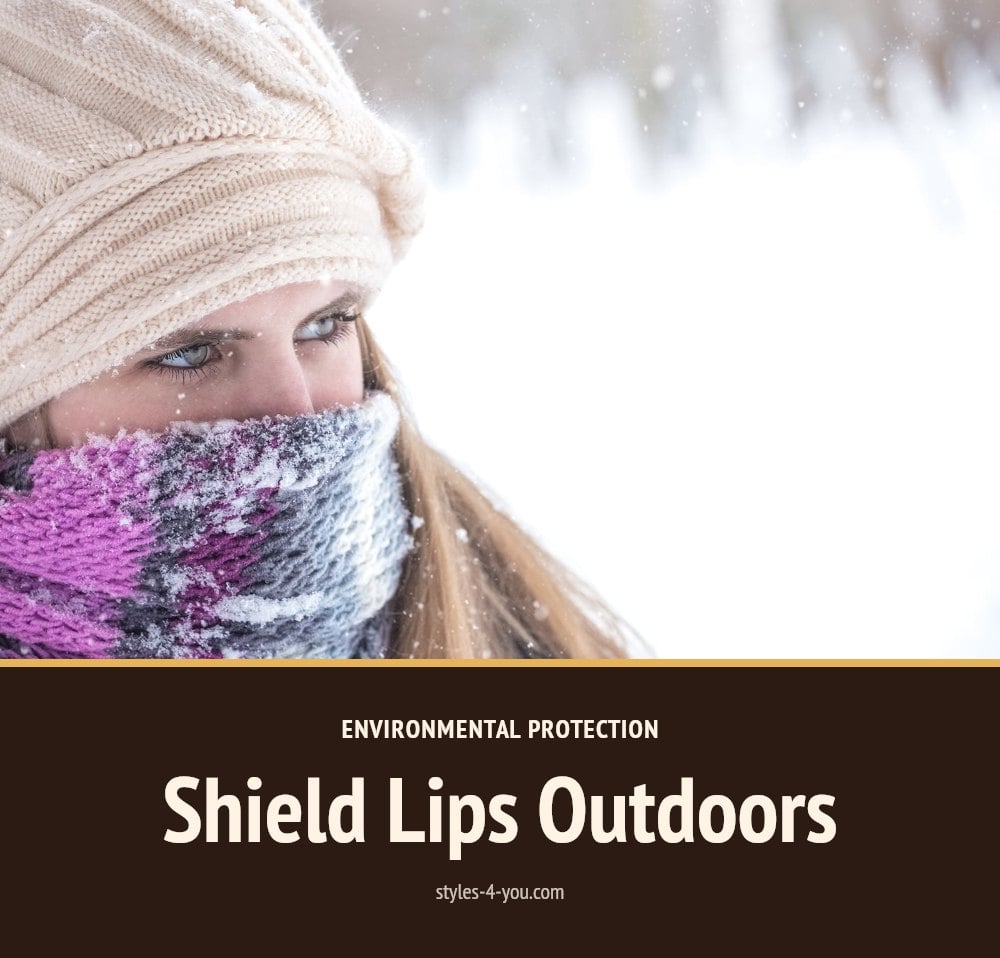
Use a lip balm with SPF 30 or higher every single day, even when it’s cloudy or cold outside. Sun exposure can cause chapping and increases the risk of skin cancer on the lips, so protection is non-negotiable. In cold, windy weather, cover your mouth with a scarf to create a physical barrier against harsh elements that strip moisture away.
4. Use a Humidifier Indoors

If your home is dry, especially in winter or in arid climates, a humidifier can make a real difference. It adds moisture back into the air, which helps prevent your lips from losing water and cracking.
Place it in your bedroom and run it overnight, since that’s prime healing time while you sleep. You’ll wake up with lips that feel noticeably less tight and dry.
Tip: Clean your humidifier regularly, as directed by the manufacturer, to prevent mold and bacteria from circulating in the air.
5. Gently Exfoliate Your Lips
Once or twice a week, gently exfoliate your lips to remove dead skin cells. This allows your moisturizing balm to penetrate more effectively, so you get more benefit from every application.
You can use a soft toothbrush with light circular motions, or make a simple scrub by mixing sugar with a little petroleum jelly or aloe vera gel. Apply it gently, then rinse with warm water.
Caution: Never pick or peel off dry skin. That can cause further damage, bleeding, and even infection. If a piece is loose, let it fall off on its own.
6. Avoid Licking Your Lips
Licking your lips might feel like quick relief, but it actually makes chapping worse. Saliva evaporates fast, taking your lips’ natural moisture with it and leaving them drier than before.
This creates a cycle: your lips feel dry, you lick them, they dry out more, so you lick again. Breaking that habit is one of the most effective things you can do.
Good to know: When you feel the urge to lick, reach for your lip balm instead. Keep one in your pocket or on your desk so it’s always within reach.
7. Choose Lip Products Wisely
Check the ingredient list on your lip products, especially when your lips are already chapped. Avoid camphor, menthol, eucalyptus, salicylic acid, and strong fragrances, as these can irritate and dry out your lips further for some people.
That tingling sensation these ingredients produce is often mistaken for healing, but it’s actually a sign of irritation. If a balm makes your lips tingle, it’s not doing them any favors.
Skip matte or long-wear lipsticks while your lips are chapped, too. They tend to be very drying and can make cracking worse. Stick to balms and tinted lip oils until your lips recover.
8. Overnight Healing with Thick Ointment
Before bed, apply a thick layer of an emollient or occlusive ointment, like petrolatum jelly or lanolin. This creates a protective barrier that seals in moisture and lets your lips heal overnight without exposure to dry air or other environmental factors.
Pro move: This works especially well after gentle exfoliation, since it locks moisture into the newly exposed skin. Keep a small jar on your nightstand so you don’t skip it.
9. Consider Natural Soothers
Several natural ingredients can soothe chapped lips without added chemicals. Honey acts as a humectant and has antibacterial properties, so apply a thin layer and leave it on for 15 to 20 minutes before rinsing. Since honey can irritate some individuals, patch-test it on your inner arm first.
Pure aloe vera gel, straight from the plant or a high-quality product, can calm irritation and reduce inflammation. Cucumber slices offer a cooling, hydrating effect, so place them on your lips for a few minutes when they feel hot or sore.
When to See a Doctor or Dermatologist
If your lips are severe, bleeding, or don’t improve with consistent home care after two to three weeks, see a doctor or dermatologist. Persistent chapping may signal an infection, an allergic reaction to a product, or an underlying condition like a thyroid issue or autoimmune disease.
Watch for increased redness, swelling, pus, or fever, and seek medical attention promptly if any of these appear. A professional can identify the cause and recommend the right treatment for your situation.
Frequently Asked Questions
How long does it take for chapped lips to heal?
Mild chapped lips can improve within a few days with consistent care, while more severe cases may take one to three weeks to fully heal. Using a moisturizing balm regularly and avoiding irritants will help speed up the process. If there’s no improvement after two to three weeks, consider seeing a doctor.
Can toothpaste cause chapped lips?
Yes, toothpaste can be a culprit for some people. Certain ingredients, like flavorings or sodium lauryl sulfate, may cause irritation or an allergic reaction that leads to chapped lips. If you notice a pattern, try switching to a toothpaste without these additives and see if your lips improve.
Is it bad to pick at chapped lips?
Yes, picking or peeling off dry skin from your lips can cause further damage, bleeding, and even infection. It’s better to let the dead skin shed naturally or gently exfoliate with a soft toothbrush or sugar scrub once or twice a week. Resist the urge to pick, and keep your lips moisturized instead.
What ingredients should I avoid in lip balm?
If your lips are chapped or sensitive, avoid lip products that contain camphor, menthol, eucalyptus, salicylic acid, or strong fragrances. These ingredients can irritate and dry out your lips further, even though they might create a tingling sensation that feels like it’s working. Opt for balms with hydrating ingredients like shea butter or petrolatum.
Can dehydration cause chapped lips?
Yes, dehydration is a common internal cause of chapped lips. When your body doesn’t get enough water, your skin, including your lips, can become dry. Drinking plenty of water throughout the day helps keep your lips hydrated from within, so it’s an important part of any lip care routine.
Final Thoughts
For most people, consistent care with a good lip balm, hydration, and protection from the elements will bring noticeable improvement within a few days. If your lips are severely chapped, a thick overnight ointment can speed up healing. Just remember to be patient and gentle, and if things don’t get better after two to three weeks, it’s worth a trip to the dermatologist.
This article is for general informational purposes only and is not a substitute for professional medical advice. If you have severe, persistent, or bleeding chapped lips, or if you notice signs of infection, please consult a doctor or dermatologist for proper evaluation and treatment.
More Blog ideas
- Your Essential Guide to a Healthy Feminine Hygiene Routine
- Best High Protein Foods to Eat Daily for Health and Energy
- Feeling Stuck: 12 Small Steps to Get Unstuck
- Winter Skin Survival Tips
- How to Get a Flat Stomach
- How to Fix Damaged Hair and Restore Its Health
- Full-Body Kettlebell Workout
- Dry Scalp vs. Dandruff
- Full Body Workout for Beginners
- 21 Easy Beauty Tips Every Woman Should Know
- Feminine Energy: 15 Daily Habits to Feel More Radiant
- Upper Body Workout for Women at Home