Clay Mask Benefits and Tips for Glowing Skin
Discover the amazing benefits of clay masks for clear skin. Learn how to choose, apply, and use clay masks effectively with our expert tips.

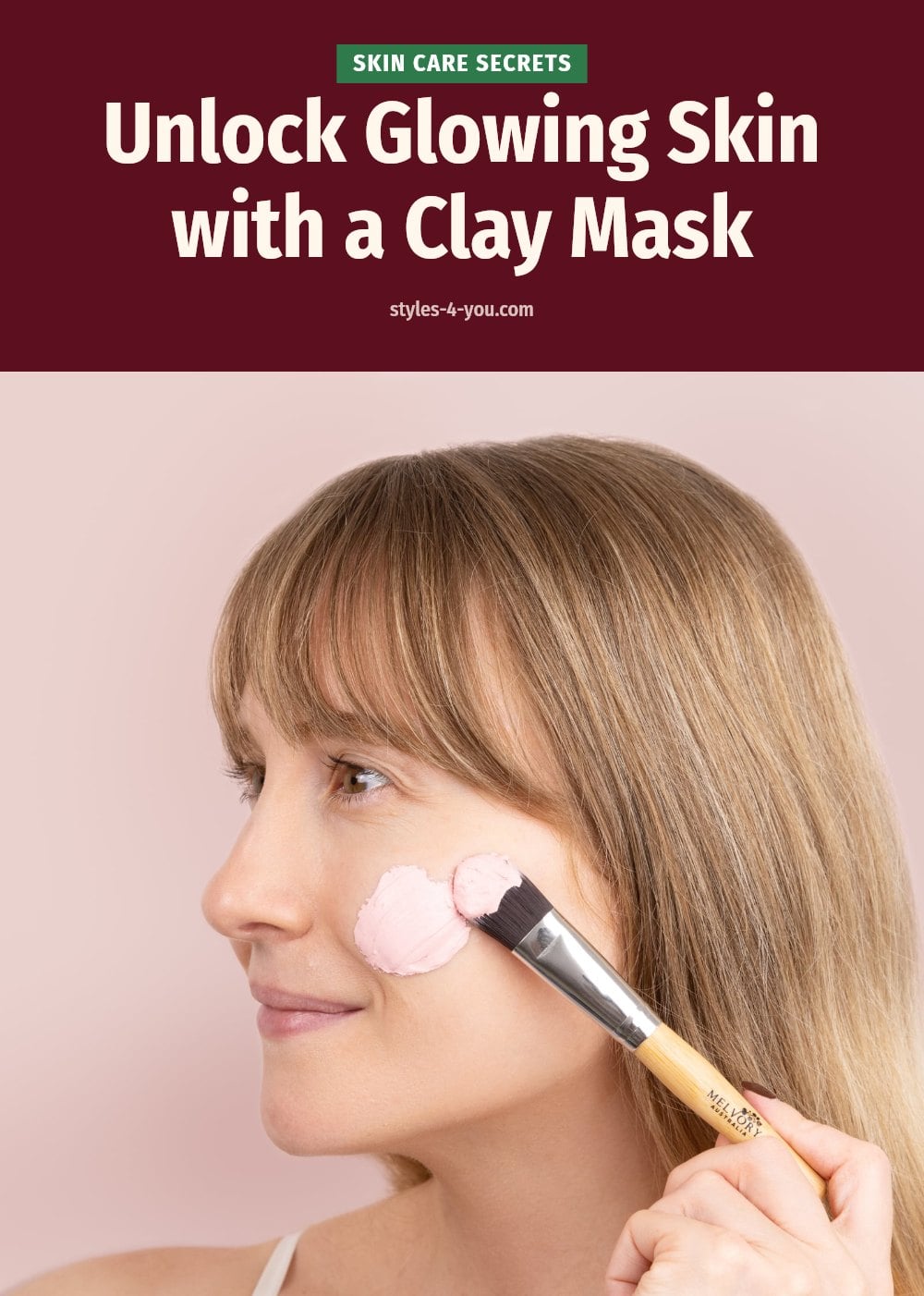
If your skin often feels oily or you’re dealing with breakouts, a clay mask might be the reset it needs. These masks use natural clays to pull out excess oil and impurities from deep within your pores, leaving your complexion clearer and less shiny. In this article, I’ll walk you through the different types of clay masks, how to use them correctly, and the tips I’ve picked up along the way to get the best results without drying out your skin.
Key Takeaways
- Choose bentonite clay for oily or acne-prone skin, kaolin for sensitive or dry skin.
- Apply a thin, even layer to clean, dry skin and remove it before it fully dries.
- Leave the mask on for 10 to 15 minutes max, then rinse with warm water.
- Always follow up with a hydrating serum or moisturizer to restore your skin’s barrier.
- Use clay masks once or twice a week, adjusting based on how your skin feels.
What is a Clay Mask and How Does it Work?
A clay mask is a skincare treatment made from natural clays that work by absorbing excess oil and impurities from your skin. They deep cleanse pores, reduce shine, and help manage acne and oily skin. Different clay types offer varied benefits, from strong absorption for very oily skin to gentle exfoliation for sensitive types. The result is a clearer, brighter complexion with less visible pores.
1. Bentonite Clay for Oily, Acne-Prone Skin

Bentonite clay is your go-to if you have very oily or acne-prone skin. Its high absorbency draws out impurities and excess sebum effectively, helping to clear pores and reduce breakouts.
- My tip: Mix bentonite powder with apple cider vinegar for an extra purifying kick. The vinegar balances pH while the clay pulls out oil.
- Apply a thin layer and leave on for 10-15 minutes, but remove before it fully dries to avoid irritation.
2. Kaolin Clay for Sensitive or Dry Skin
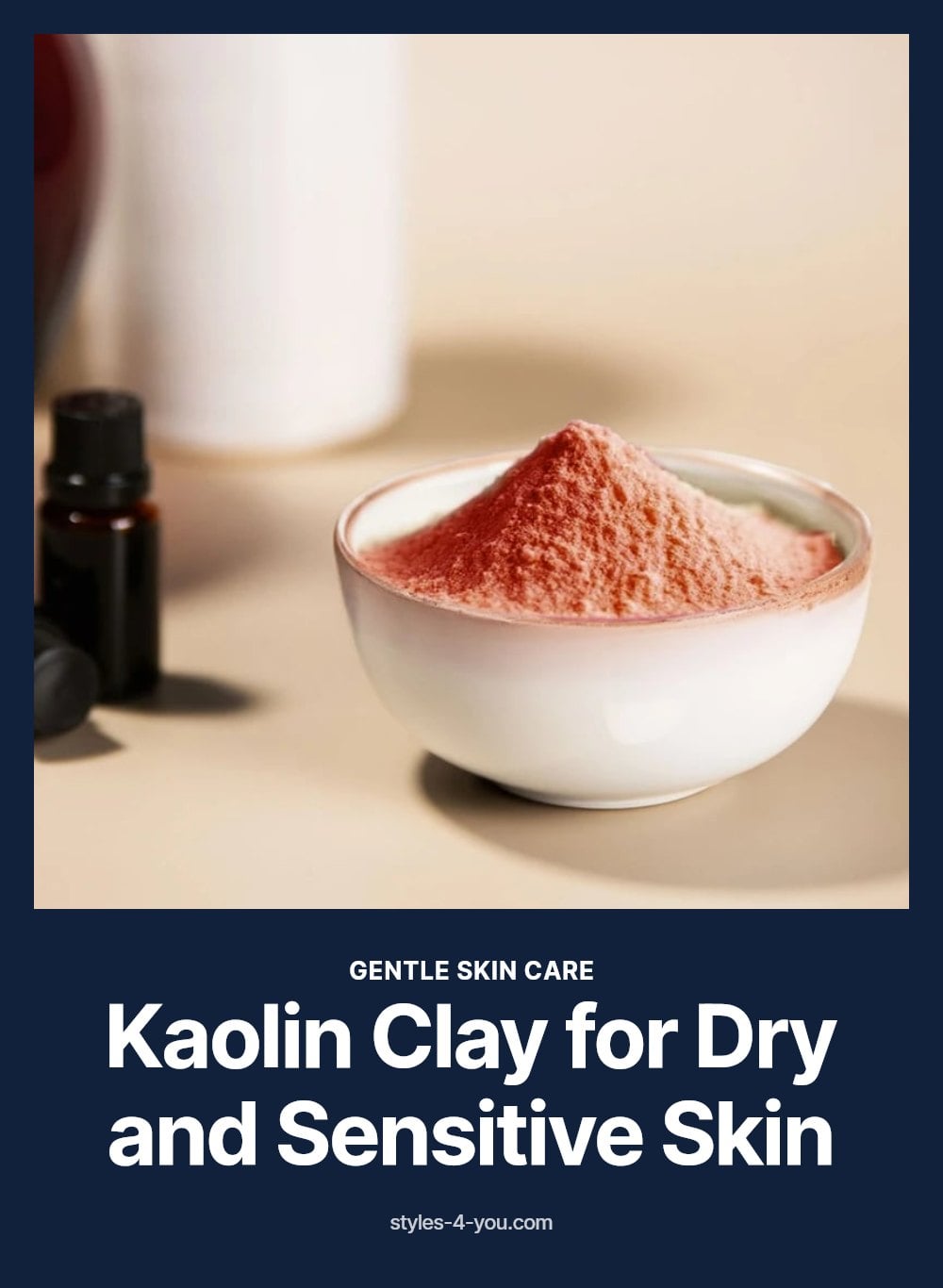
Kaolin clay, often white or pink, is the mildest option among clays. It provides gentle exfoliation and light oil absorption, making it perfect for sensitive or dry skin types that need a lighter touch.
- Use it if you find other masks too harsh or drying.
- It cleanses without stripping, leaving your skin soft and comfortable.
- Mix with water or a gentle toner for a soothing mask.
3. French Green Clay for Combination Skin
French green clay is known for its strong absorbent properties and rich mineral content. It’s a fantastic choice for combination and oily skin, helping to balance oil production without being overly drying.
- It draws out impurities while delivering minerals that support skin health.
- Use it on your T-zone or all over if you’re combination.
- Follow with a hydrating moisturizer to maintain balance.
4. Rhassoul Clay for Detox and Softening
Rhassoul clay comes from Morocco and is packed with minerals that make it a standout for detoxifying. It draws out impurities while leaving your skin feeling incredibly soft, not stripped or tight.
I’ve found it works wonders for improving skin texture, especially if your complexion tends to look dull. Use it once a week as a reset, and follow with your usual moisturizer to lock in that post-mask glow.
5. Prepare Your Skin for Application
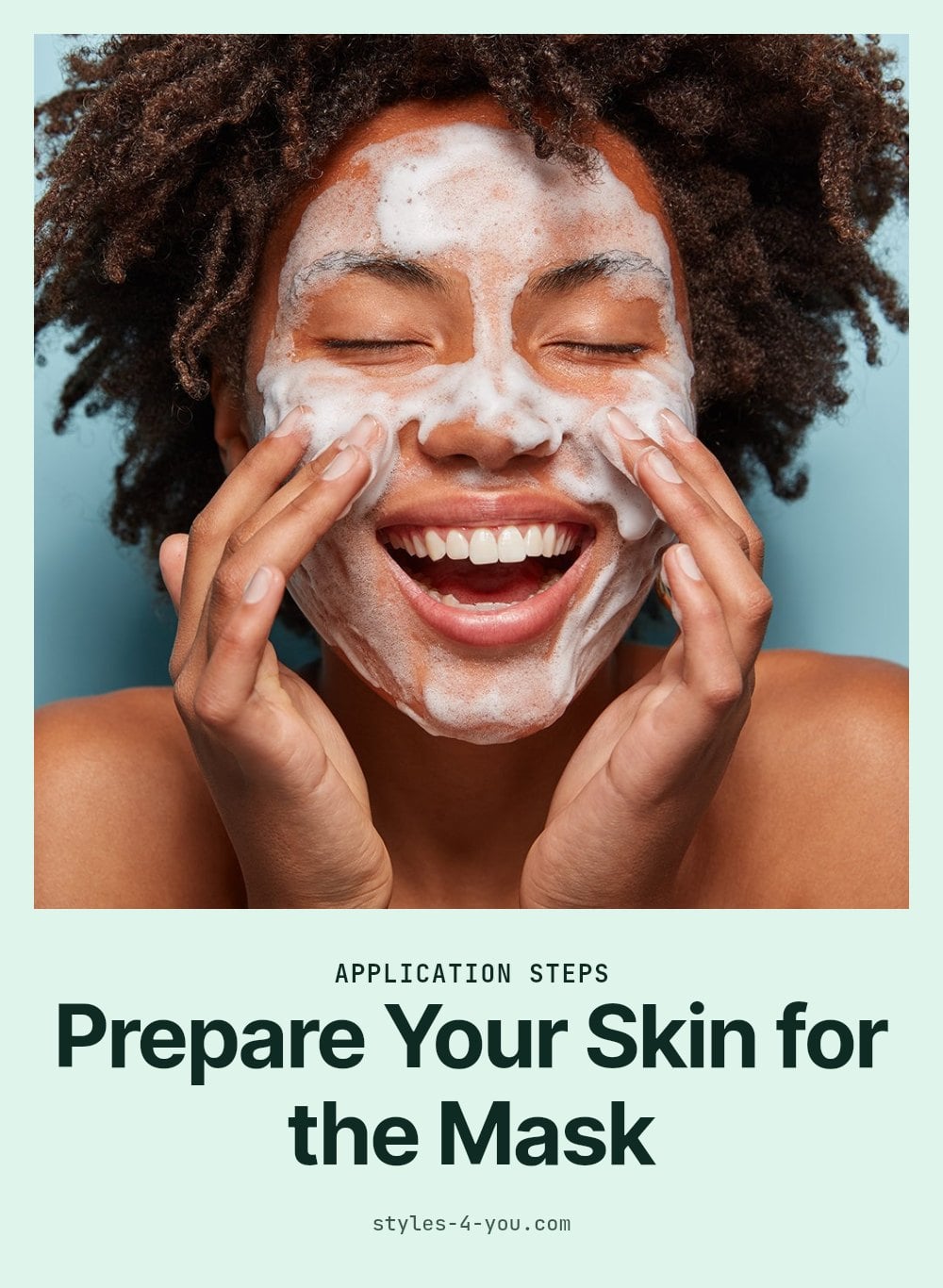
Always start with clean, dry skin before applying any clay mask. Cleansing removes makeup, sweat, and daily grime so the clay can actually reach your pores and pull out impurities instead of sitting on top of surface debris.
My tip: A gentle cleanse right before application ensures nothing blocks the clay from doing its job. Pat your face dry with a clean towel, then apply the mask immediately.
6. Apply a Thin, Even Layer
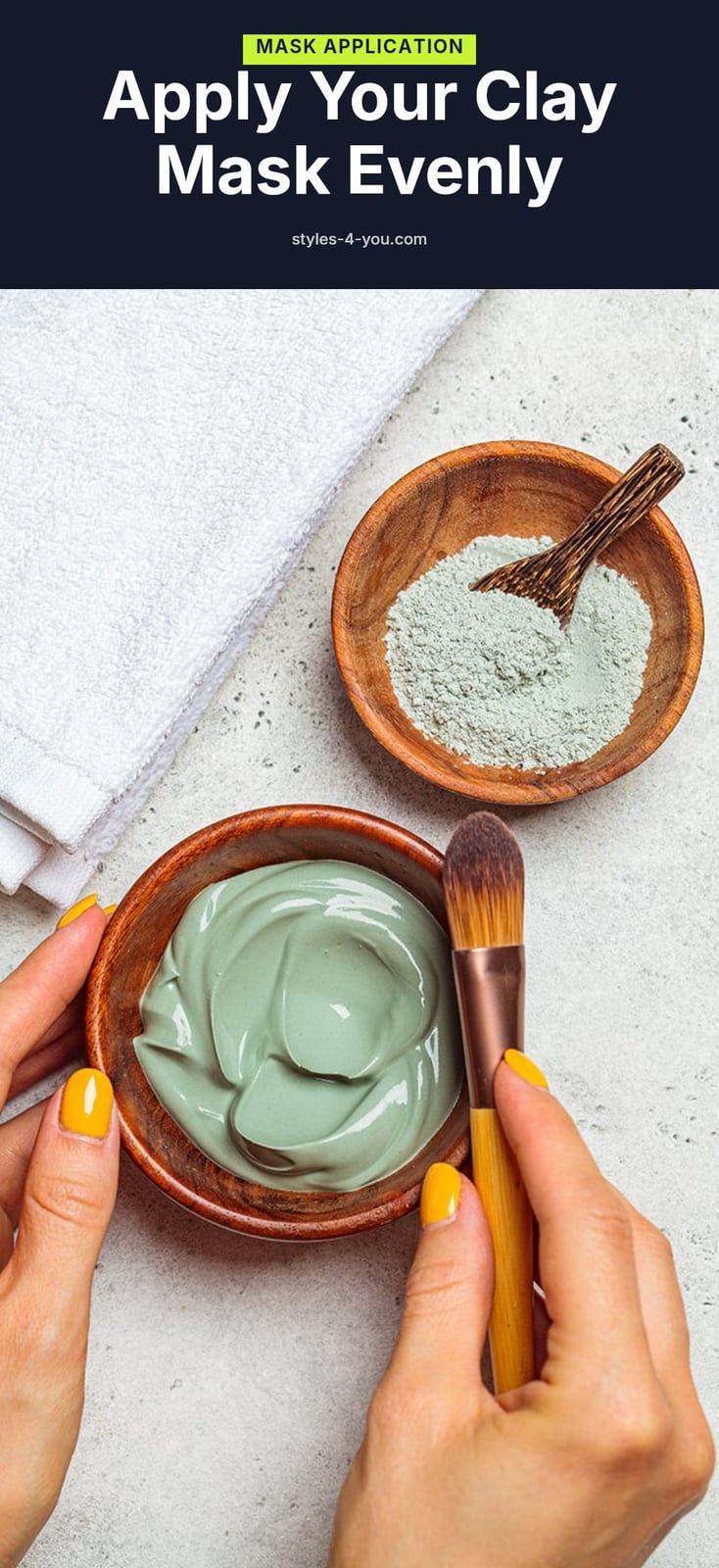
A thin, even layer is all you need for a clay mask to work effectively. Slathering on a thick coat doesn’t boost the benefits, it just makes removal messier and can dry unevenly.
Use an applicator brush to spread the mask smoothly across your face. Start at your forehead and work downward, avoiding the eye area and lips. The mask should be just thick enough to cover your skin without looking cakey.
7. Mind the Drying Time
Leave your clay mask on for the recommended time, typically 10 to 15 minutes. Set a timer so you don’t lose track while scrolling or doing chores.
Crucially, remove the mask before it completely dries and starts feeling tight or cracking. Once it reaches that stiff stage, it’s already pulling moisture from your skin, which can lead to excessive dryness or irritation, especially if you have sensitive skin. When it looks mostly dry but still feels slightly damp to the touch, that’s your cue to rinse.
8. Gentle Removal is Key

Warm water and a soft cloth or sponge are all you need for removal. Hot water can irritate your skin, especially after the clay has been working on your pores.
I always use a soft, damp washcloth to gently wipe the mask away in small, circular motions. Rinse your face with lukewarm water afterward to make sure no residue is left behind.
9. Always Hydrate After

Immediately after rinsing off your mask, apply a hydrating serum or moisturizer. Clay masks are absorbent by nature, so they pull moisture out along with the impurities, and your skin needs that hydration back to keep its barrier healthy.
My tip: keep your moisturizer next to the sink so you don’t walk away and forget. This step is non-negotiable for plump, happy skin.
10. Use Non-Metal Tools for Mixing
If you’re mixing powdered clay masks, always reach for non-metal bowls and spoons. Some clays, like bentonite, can react with metal, which may reduce their effectiveness.
Glass, ceramic, or wooden tools are your best friends here. I keep a small glass bowl and a wooden spatula dedicated just for mask mixing, so I never have to hunt for them.
11. Listen to Your Skin’s Needs
Use clay masks once or twice a week, then pay attention to how your skin responds. If it feels dry, tight, or irritated after use, cut back to once a week or switch to a milder clay like kaolin.
I’ve learned that consistency is key, but so is knowing when to take a break. Your skin’s needs can change with the seasons, hormones, or stress, so adjust your routine accordingly.
Common Clay Mask Mistakes to Avoid
Even seasoned mask users slip up sometimes. Here are the most common clay mask mistakes and how to fix them.
- Leaving the mask on too long: This can lead to excessive dryness and irritation. Remove it while it’s still slightly damp, not fully cracked or tight on your face.
- Using a mask too strong for your skin: If you have dry or sensitive skin, skip highly absorbent clays like bentonite. Opt for milder kaolin instead to avoid stripping your barrier.
- Applying a very thick layer: More isn’t better here. A thin, even layer works just as effectively and is much easier to rinse off without tugging at your skin.
- Not moisturizing afterward: Clay masks draw out oils, so always follow up with a hydrating serum and moisturizer. Skipping this step leaves your skin vulnerable and tight.
- Using clay masks too frequently: Overuse disrupts your skin’s natural balance, leading to dryness or even increased oil production. Stick to 1 to 2 times per week, max.
Fix these common errors and your clay mask routine will actually work with your skin, not against it.
Frequently Asked Questions
How often should I use a clay mask?
Most skin types do well with a clay mask once or twice a week. If you have oily skin, twice a week can help keep shine in check. For dry or sensitive skin, once a week is plenty to avoid over-drying. Always adjust based on how your skin feels after each use.
Can I use a clay mask if I have dry skin?
Yes, but choose a gentler clay like kaolin (white or pink) and limit use to once a week. Apply a thin layer and remove it before it fully dries to prevent stripping your skin. Follow up with a rich moisturizer to keep your skin comfortable and hydrated.
What should I do after removing a clay mask?
After rinsing off the mask with warm water, pat your skin dry and immediately apply a hydrating serum or moisturizer. This replaces the moisture the clay may have pulled out and helps maintain a healthy skin barrier. Skipping this step can leave your skin feeling tight or dry.
Do clay masks help with blackheads?
Yes, clay masks can help reduce the appearance of blackheads by drawing out excess oil and debris from pores. Regular use can keep pores clearer over time, but they won’t eliminate blackheads completely. For stubborn blackheads, consider combining clay masks with a gentle exfoliating routine.
Why is my face red after a clay mask?
Redness can mean the mask was too strong for your skin or left on too long. It may also indicate a reaction to an ingredient. If this happens, rinse off immediately and apply a soothing moisturizer. If redness persists, switch to a milder clay like kaolin and reduce your usage frequency.
Final Thoughts
For glowing, balanced skin, stick with a clay mask that matches your skin type and use it consistently once or twice a week. You’ll likely notice reduced shine and clearer pores after just a few uses, but don’t expect overnight miracles. My tip: keep your moisturizer handy right after rinsing, and your skin will thank you for the extra care.
More Blog ideas
- Your Essential Guide to a Healthy Feminine Hygiene Routine
- Best High Protein Foods to Eat Daily for Health and Energy
- Feeling Stuck: 12 Small Steps to Get Unstuck
- Winter Skin Survival Tips
- How to Get a Flat Stomach
- How to Fix Damaged Hair and Restore Its Health
- Full-Body Kettlebell Workout
- Dry Scalp vs. Dandruff
- Full Body Workout for Beginners
- 21 Easy Beauty Tips Every Woman Should Know
- Feminine Energy: 15 Daily Habits to Feel More Radiant
- Upper Body Workout for Women at Home






