Common Skincare Mistakes that Ruin Your Skin Barrier
Discover common skincare mistakes that weaken your skin barrier and learn how to fix them for healthier, more resilient skin.


You might be following a skincare routine that you think is helping, but your skin feels dry, red, or irritated instead of glowing. The problem could be a damaged skin barrier. This article covers the most common skincare mistakes that harm your skin’s protective layer and how to fix your routine for healthier, more resilient skin.
Key Takeaways
- Over-exfoliating with physical scrubs or strong acids strips the skin barrier; limit chemical exfoliants to 2-3 times per week.
- Use a gentle, pH-balanced cleanser and lukewarm water to avoid stripping natural oils.
- Moisturize immediately after cleansing with ingredients like ceramides and hyaluronic acid to lock in hydration.
- Apply broad-spectrum SPF 30+ sunscreen daily to protect the barrier from UV damage.
- If your skin shows persistent redness or burning, stop all active products and see a dermatologist.
What is the Skin Barrier and Why Does It Matter?
Your skin barrier, also called the stratum corneum, is the outermost layer of your skin. Think of it as a brick wall: the skin cells are the bricks, and a lipid matrix made of ceramides, cholesterol, and fatty acids is the mortar. This structure keeps moisture in and blocks irritants, allergens, and pathogens. When it is healthy, your skin stays hydrated and calm. Damage to this barrier can lead to dryness, redness, sensitivity, and breakouts.
Why Your Skincare Routine Might Be Hurting Your Skin
Over-exfoliation
Using physical scrubs or strong chemical exfoliants too often strips away the lipid matrix, exposing skin to irritation and water loss.
Harsh cleansers
Foaming cleansers with a high pH remove natural oils and disrupt the barrier. Your skin’s natural pH is slightly acidic, between 4.7 and 5.75, so a gentle, pH-balanced cleanser is safer.
Hot water
Washing with very hot water can dissolve essential skin lipids, leaving the barrier vulnerable.
Too many actives
Applying multiple strong ingredients like retinol, AHAs, and vitamin C at once overwhelms the skin and increases transepidermal water loss (TEWL).
Inadequate moisturizing
Skipping moisturizer or using one without occlusive ingredients allows water to escape, worsening dryness and sensitivity.
Common Skincare Mistakes to Avoid
Over-exfoliating: Limit physical scrubs to once a week and use chemical exfoliants like AHAs or BHAs no more than 2-3 times per week. Start with the lowest concentration.
Using harsh cleansers: Avoid foaming cleansers that leave your skin feeling squeaky clean and tight. Choose a gentle, pH-balanced formula instead.
Washing with hot water: Use lukewarm water to wash your face. Hot water strips natural oils and disrupts the barrier.
Layering too many actives: Introduce new active ingredients one at a time, leaving at least two weeks between each addition. This allows your skin to adjust without irritation.
Skipping moisturizer: Always apply moisturizer immediately after cleansing, while your skin is still damp, to lock in hydration.
Essential Products for Skin Barrier Repair
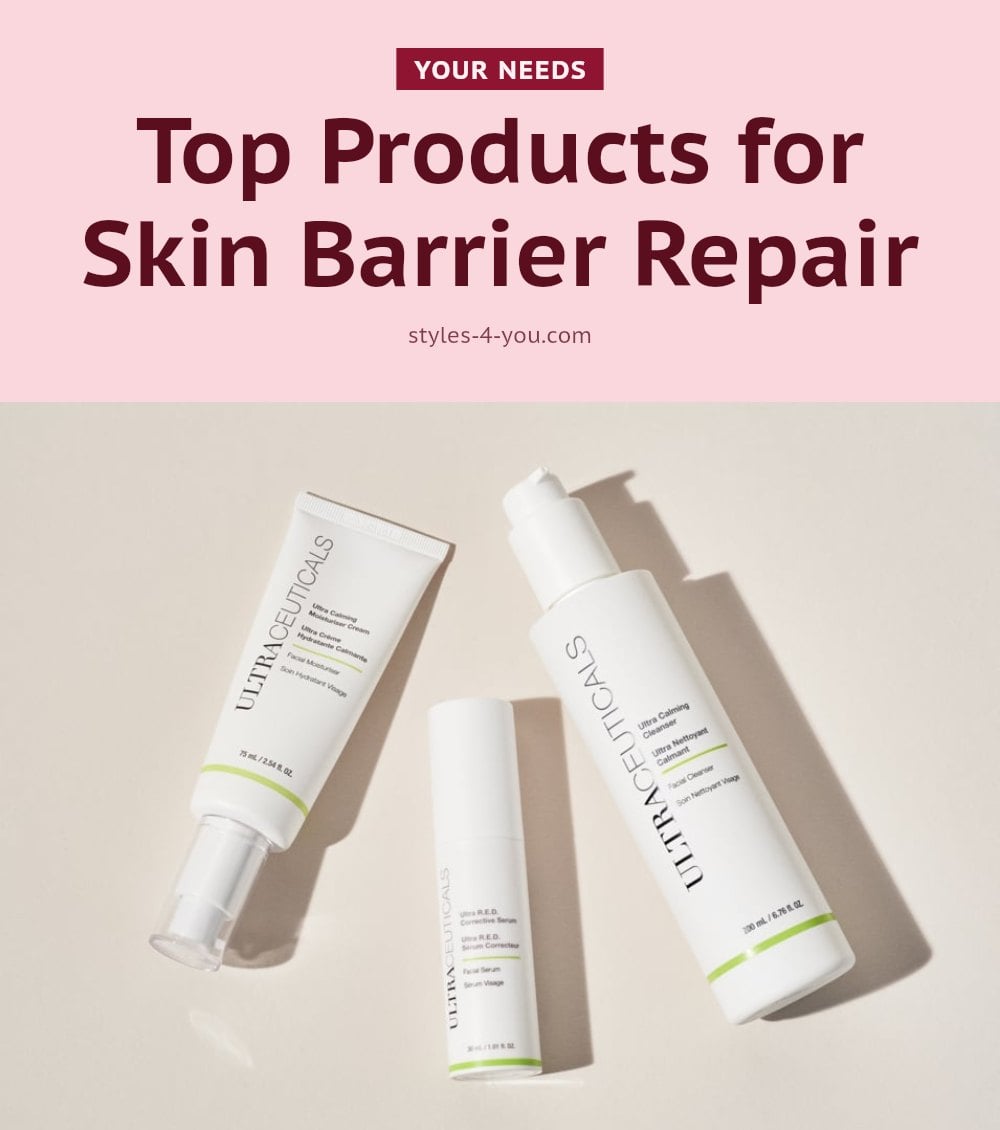
Gentle, pH-balanced cleanser: Look for a non-foaming or low-foaming formula that cleans without stripping your skin.
Moisturizer with barrier-repairing ingredients: Choose one containing ceramides, hyaluronic acid, fatty acids, and cholesterol. These help rebuild the lipid matrix.
Broad-spectrum SPF 30+ sunscreen: Apply every morning to protect against UV damage, which can worsen barrier issues.
How to Restore Your Skin Barrier

How to Restore Your Skin Barrier
Start by stripping your routine down to the basics. Stop all active ingredients, including retinoids, AHAs, BHAs, and vitamin C, for at least two weeks. This gives your barrier a chance to rebuild without constant irritation.
Cleanse with a gentle, pH-balanced formula and lukewarm water. Pat your face dry with a soft towel instead of rubbing. My tip: Apply your moisturizer while skin is still damp to lock in hydration. Look for a cream with ceramides, fatty acids, and cholesterol to support repair.
Apply broad-spectrum SPF 30+ every morning, even if you stay indoors. UV rays can slow healing and worsen sensitivity.
After at least two weeks of barrier-focused care, reintroduce one active at a time. Start with the lowest concentration and use it every third night for the first week. If your skin tolerates that well, you can gradually increase frequency to every other night, then nightly. If you notice stinging or redness, pause and go back to basics for another week. Patience is key.
When to Consult a Dermatologist
If your skin develops persistent redness, itching, burning, or a rash that doesn’t improve with gentle care, see a dermatologist. These signs may indicate a deeper condition like eczema, rosacea, or an allergic reaction.
Also consult a professional if your symptoms worsen despite following a barrier-repair routine for several weeks. A dermatologist can prescribe treatments such as medicated creams or oral medications that target the underlying issue. Don’t try to diagnose or treat severe skin problems on your own.
Timeline for Skin Barrier Recovery
Skin barrier repair typically takes several weeks to months, depending on how much damage was done. With consistent gentle care, you may notice better hydration and less sensitivity within a few weeks. Full restoration of the lipid matrix, the glue that holds skin cells together, can take longer, especially after heavy over-exfoliation.
Stick with your simplified routine, and avoid switching products too often. Gentle, pH-balanced cleansers and moisturizers are often affordable, so you don’t need to spend much to support recovery. Patience and daily adherence matter more than any single product.
Frequently Asked Questions
How long does it take to repair a damaged skin barrier?
Most people notice improvements in hydration and less sensitivity within two to four weeks of consistent gentle care. Full restoration of the lipid matrix can take several months, especially after significant over-exfoliation or harsh product use. Patience and a simple routine are key.
Can diet affect my skin barrier?
Diet may play a role in skin health, but research is ongoing. Eating a balanced diet rich in healthy fats, antioxidants, and vitamins can support overall skin function. If you suspect a food sensitivity, keep a diary and talk to a dermatologist for personalized advice.
Is my skin barrier damaged if my skin feels tight after cleansing?
Yes, a tight feeling after washing is a common sign of a compromised skin barrier. It often means your cleanser is too harsh and has stripped away natural oils. Switch to a gentle, pH-balanced cleanser and use lukewarm water to avoid further irritation.
What are the best ingredients for barrier repair?
Look for moisturizers containing ceramides, hyaluronic acid, fatty acids, and cholesterol. These ingredients help rebuild the lipid matrix and lock in moisture. Avoid products with high alcohol content or harsh detergents while your barrier is healing.
What does a damaged skin barrier look like?
A damaged skin barrier often appears dry, flaky, red, or irritated. You may also experience itching, increased sensitivity, or breakouts. If your skin stings or burns when applying products, it’s a strong sign the barrier is compromised and needs gentle care.
Final Thoughts
To repair your skin barrier, strip your routine down to the basics: a gentle cleanser, a barrier-repairing moisturizer, and sunscreen. Expect to see improvements in hydration and reduced sensitivity within two to four weeks, but full recovery can take several months. Stick with consistent gentle care and your skin will thank you.
This article is for general informational purposes only and does not constitute medical advice. If you have persistent skin issues, redness, or pain, consult a dermatologist or healthcare professional for a proper diagnosis and treatment plan.
More Blog ideas
- Your Essential Guide to a Healthy Feminine Hygiene Routine
- Best High Protein Foods to Eat Daily for Health and Energy
- Feeling Stuck: 12 Small Steps to Get Unstuck
- Winter Skin Survival Tips
- How to Get a Flat Stomach
- How to Fix Damaged Hair and Restore Its Health
- Full-Body Kettlebell Workout
- Dry Scalp vs. Dandruff
- Full Body Workout for Beginners
- 21 Easy Beauty Tips Every Woman Should Know
- Feminine Energy: 15 Daily Habits to Feel More Radiant
- Upper Body Workout for Women at Home






