Coping Skills List for Adults: Healthy Strategies for Stress
Discover a comprehensive list of healthy coping skills for adults to manage stress and difficult emotions effectively. Build your resilience today.

Feeling overwhelmed by stress or tough emotions is something we all face, and having a set of healthy coping skills can make a real difference. This article offers a practical list of strategies to help you manage stress, process difficult feelings, and build resilience. From problem-focused actions to emotion-focused techniques, you’ll find tools you can start using today.
Key Takeaways
- Use problem-focused coping to change the situation, emotion-focused to manage feelings.
- Build a diverse toolkit with multiple coping skills, not just one.
- Practice coping skills regularly, even when calm, to build resilience.
- Test one new skill each week and notice how your body and mood respond.
- Seek professional help if stress feels overwhelming or thoughts of self-harm arise.
What Are Healthy Coping Skills?
Coping skills are the strategies I use to manage stress and tough emotions. They fall into two camps: problem-focused (changing the situation itself) and emotion-focused (managing how I feel about it). Healthy coping promotes long-term well-being without causing harm to myself or others.
Why Developing Coping Skills Is Essential
Why Developing Coping Skills Is Essential
Building a diverse toolkit of coping skills is key to mental well-being and resilience. When I have several strategies to draw from, I can adapt to different stressors rather than relying on one approach that might not fit. Regular practice strengthens their effectiveness over time, making them easier to reach for when I really need them. Choosing constructive skills leads to positive long-term outcomes, while harmful ones only offer temporary relief. My goal is to build habits that support me through life’s ups and downs.
Problem-Focused Coping Skills to Tackle Stressors
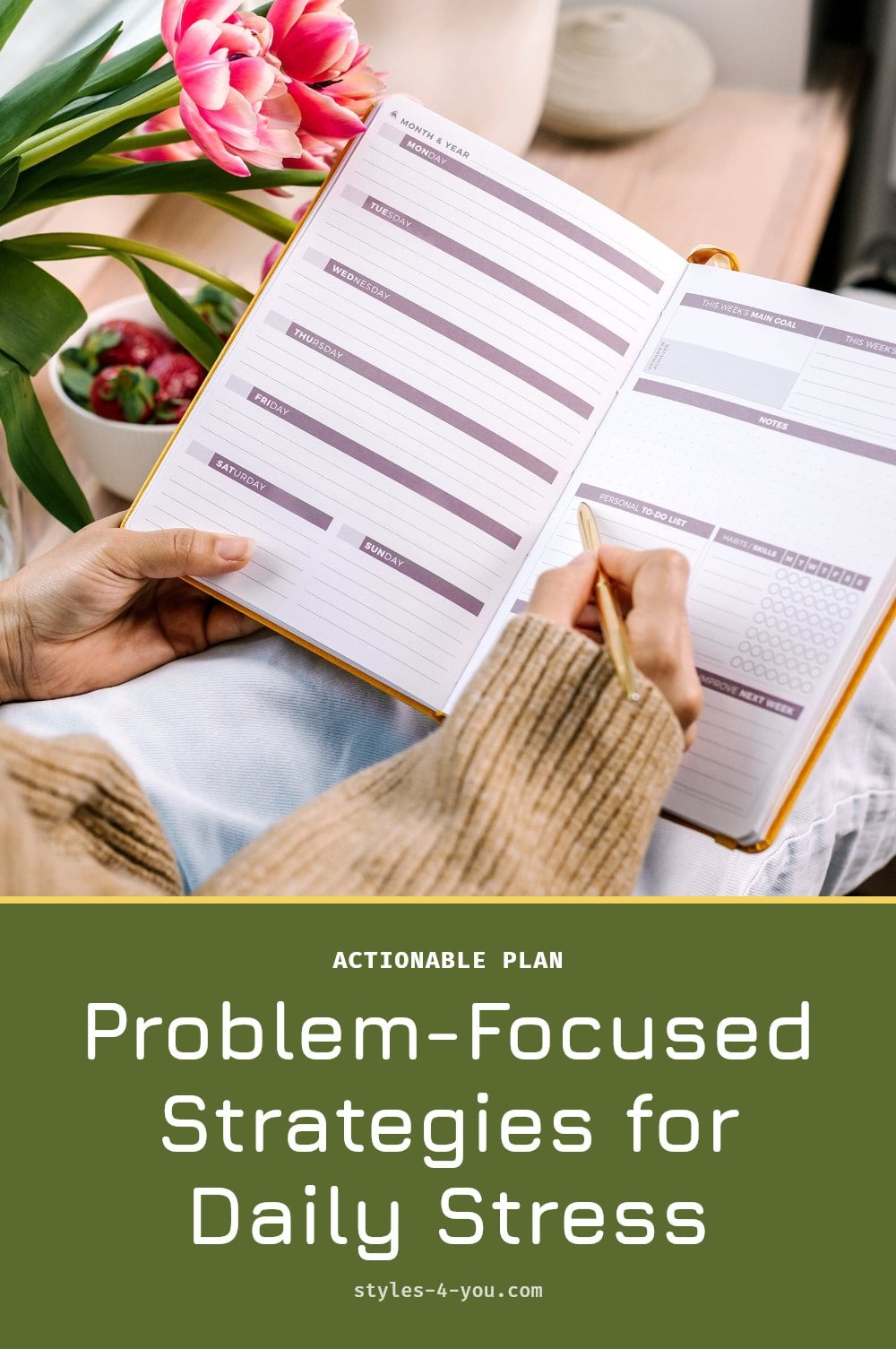
Problem-focused coping targets the source of stress head-on. These skills aim to change or eliminate the stressful situation itself. Here are some I’ve found effective:
- Create an action plan: Break the problem into small, manageable steps and write them down. This turns an overwhelming issue into a clear to-do list.
- Set boundaries: Say no to extra commitments or limit time with people who drain your energy. Protecting your time reduces stress at its source.
- Seek advice: Ask a trusted friend, mentor, or professional for their perspective. A fresh viewpoint can reveal solutions you hadn’t considered.
- Fill a knowledge gap: If missing information is blocking your progress, spend an hour researching or taking a short course on that specific topic. Directly addressing what you don’t know removes a barrier to solving the problem.
Emotion-Focused Coping Skills for Managing Feelings
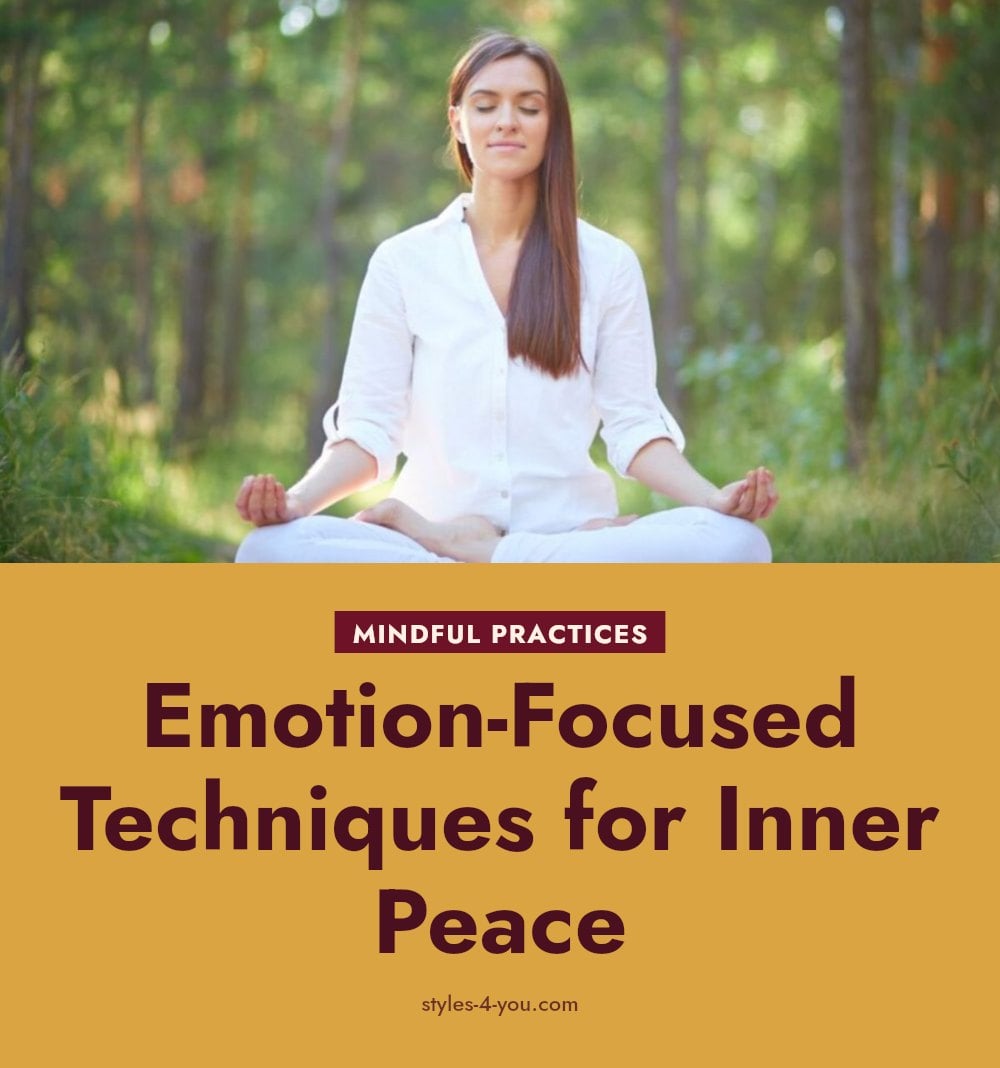
When you can’t change the situation, emotion-focused coping helps you manage your feelings about it. These skills help you process and regulate emotions rather than avoid them. Here are some that work:
- Practice mindfulness: Spend 5 minutes focusing on your breath or the sensations in your body. My tip: Use a simple app or just set a timer, no special equipment needed.
- Try deep breathing: Inhale for four counts, hold for four, exhale for four. This activates your parasympathetic nervous system and calms your body.
- Journal your thoughts: Write freely for 10 minutes as a starting point, without judging what comes out. Getting feelings on paper helps you see them more clearly. For noticeable improvements, practice journaling consistently over weeks to months, not just once.
- Use a creative outlet: Doodle, play music, or knit. Creative activities engage a different part of your brain and can shift your emotional state.
Best Tips for Building Your Coping Toolkit
Building a coping toolkit takes trial and error. My tip: test one new skill each week and notice how your body and mood respond. What calms a friend may do nothing for you, and that’s fine.
Practice matters even on calm days. I do a two-minute breathing reset every morning, not just during stressful moments, so the skill feels automatic when I really need it. Combine approaches too: pair a physical activity like stretching with a cognitive one like writing down your thoughts.
Prioritize self-care: sleep, nutrition, and hydration are the foundation. A well-rested brain handles stress far better than a tired one. Keep your toolkit visible, maybe a list on your fridge, so you remember your options before emotions spike.
Common Mistakes When Trying New Coping Skills
One of the biggest mistakes I see is confusing avoidance with coping. Scrolling social media or binge-watching a show may feel soothing in the moment, but it doesn’t process the emotion or solve the problem. Healthy coping acknowledges the feeling; distraction postpones it.
Another trap is expecting coping to eliminate all stress. That’s not the goal. Stress is part of life, and the aim is to manage your response, not erase the trigger. Also, don’t wait until you’re in crisis mode to try new skills. Practice them when you’re calm so they’re ready when you’re not.
Finally, don’t dismiss a skill as “not for me” without a fair try. I once thought journaling was pointless, but after three honest entries, I understood its value. Give each method a fair try, perhaps for a week as suggested in section 5, before deciding if it’s right for you.
When to Seek Professional Help
Coping skills are supportive tools, not a substitute for professional mental health treatment. If you experience severe distress, persistent hopelessness, or thoughts of self-harm, reach out to a doctor or mental health professional immediately.
Also, pay attention to how a coping skill feels. If a technique makes you feel overwhelmed or worse, stop using it and try a different approach, or consult a professional for guidance. There is no shame in asking for help, and doing so is a strong form of self-care.
Frequently Asked Questions
What are the two main types of coping skills?
The two main types are problem-focused and emotion-focused coping. Problem-focused coping involves taking direct action to change or eliminate the source of stress, like creating a to-do list or setting boundaries. Emotion-focused coping helps you manage your emotional response when you can’t change the situation, such as through mindfulness or journaling.
How can I know if a coping skill is healthy?
A healthy coping skill promotes long-term well-being and doesn’t cause harm to yourself or others. It helps you process emotions or solve problems without leading to negative consequences. If a coping mechanism provides only temporary relief but leads to addiction, avoidance, or worsening mental health, it’s likely unhealthy.
Can coping skills eliminate all stress?
No, coping skills are not about eliminating all stress or negative emotions. They help you manage and respond to stress in healthier ways. Some stress is a normal part of life, and the goal is to build resilience so you can navigate challenges more effectively, not to remove every stressor.
How long does it take for coping skills to work?
Developing effective coping skills is an ongoing process that requires consistent practice. Many people notice improvements in their well-being over weeks to months. Regular practice, even when you’re not stressed, helps strengthen the skills so they’re more available when you need them.
What are some common coping skills for stress?
Common healthy coping skills include mindfulness, deep breathing, journaling, talking to a trusted friend, physical activity, and creative outlets like art or music. Problem-focused strategies include creating an action plan, setting boundaries, and seeking advice. The best approach is to build a diverse toolkit and experiment to find what works for you.
Final Thoughts
Start by picking one coping skill from this list and try it for a week. Notice how it feels and whether it helps you manage stress more effectively. Remember, building a coping toolkit takes time and practice, so be patient with yourself. With regular use, you may notice improvements in your ability to handle stress over the coming weeks and months.
This article is for general informational purposes only and is not a substitute for professional medical or mental health advice. If you are experiencing severe distress, persistent hopelessness, or thoughts of self-harm, please reach out to a doctor or mental health professional immediately. Always consult a qualified professional for personalized guidance.
More Blog ideas
- Your Essential Guide to a Healthy Feminine Hygiene Routine
- Best High Protein Foods to Eat Daily for Health and Energy
- Feeling Stuck: 12 Small Steps to Get Unstuck
- Winter Skin Survival Tips
- How to Get a Flat Stomach
- How to Fix Damaged Hair and Restore Its Health
- Full-Body Kettlebell Workout
- Dry Scalp vs. Dandruff
- Full Body Workout for Beginners
- 21 Easy Beauty Tips Every Woman Should Know
- Feminine Energy: 15 Daily Habits to Feel More Radiant
- Upper Body Workout for Women at Home






