How to Create Your Own Dopamine Menu for a Mood Boost
Learn how to build a dopamine menu with enjoyable activities to boost mood and motivation. Discover simple pleasures to combat stress and procrastination.

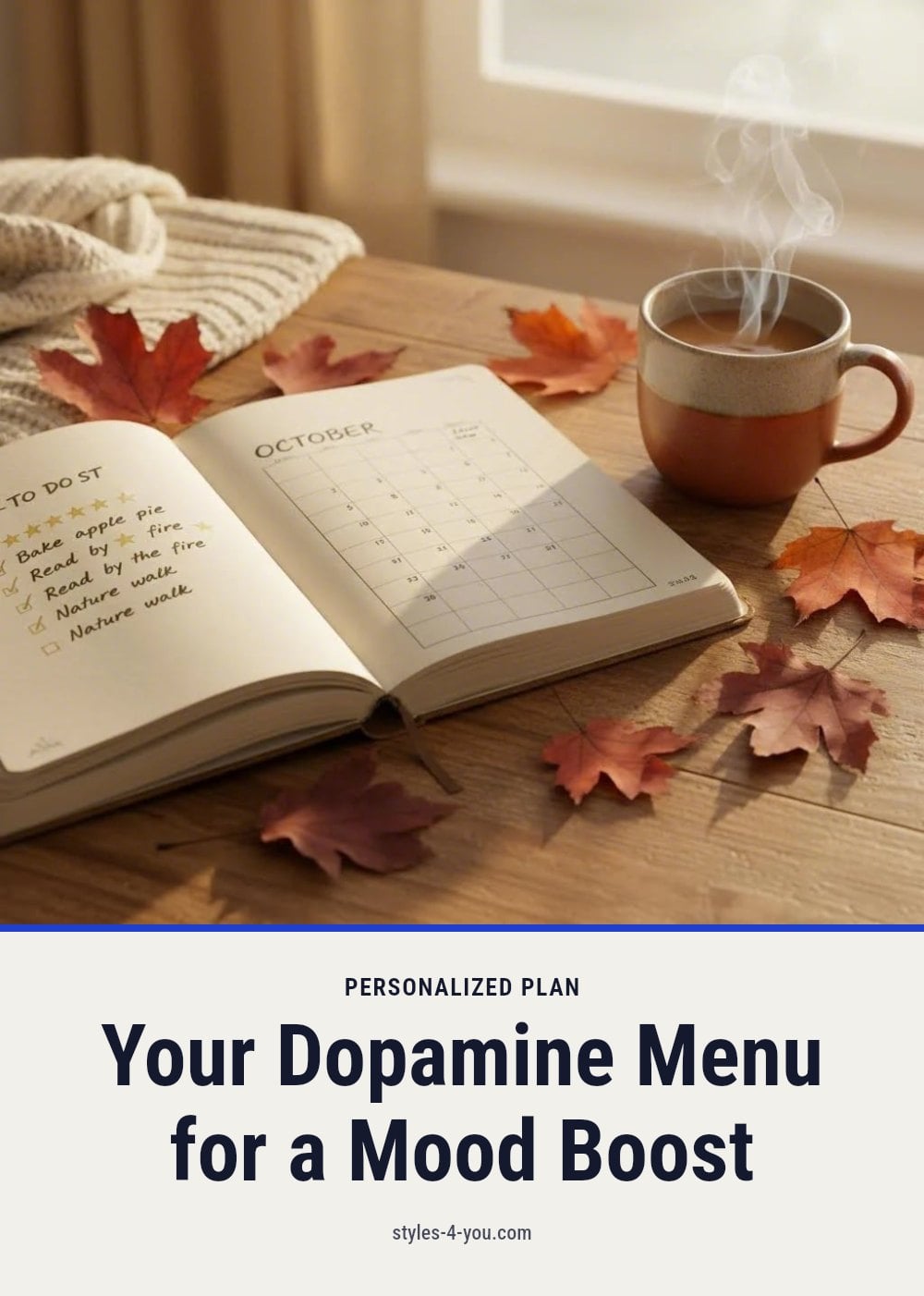
Ever find yourself stuck in a rut, reaching for your phone or a snack when you really just need a quick mood lift? A dopamine menu is a simple, personalized list of small, enjoyable activities designed to give you that gentle boost without the guilt. In this article, I’ll walk you through what a dopamine menu is, how to create your own in about 15 to 30 minutes, and share practical ideas to get you started.
Key Takeaways
- A dopamine menu is a personalized list of low-effort, high-reward activities for quick mood lifts.
- Keep menu items short, around 5 to 15 minutes, so they feel easy to do.
- Include a variety of activities: physical, creative, social, and relaxing.
- Use your menu proactively when you feel a dip in motivation or mood.
- Update your menu as your preferences change to keep it effective.
What is a Dopamine Menu and Why Do You Need One?
A dopamine menu is a personalized list of small, enjoyable activities you can turn to when you need a quick mood lift. It works by stimulating dopamine release, the brain chemical tied to motivation and reward. Instead of defaulting to less fulfilling habits, you intentionally pick a healthy pleasure from your menu to combat low energy or procrastination. The goal is simple: have a go-to set of options that gently boost your mood without the guilt.
How Dopamine Works to Boost Your Mood
Dopamine: Your Brain’s Motivation Chemical
Dopamine is a neurotransmitter that plays a key role in motivation, reward, and pleasure. When you do something that feels good, your brain releases dopamine, which encourages you to repeat that behavior. Activities that give you a sense of accomplishment, novelty, or social connection are especially effective at triggering this response.
Healthy Boosts vs. Constant Highs
Healthy dopamine release isn’t about chasing constant highs. It’s about sustainable well-being. Small, meaningful moments, like finishing a task or laughing with a friend, provide steady, manageable boosts. In contrast, seeking endless instant gratification, like endless scrolling or overeating, can leave you feeling drained and guilty. A dopamine menu helps you choose the former over the latter.
Gather Your Tools: What You’ll Need to Create Your Menu
You don’t need fancy equipment to create your dopamine menu. Grab a pen and paper or open a digital note-taking app. Find a quiet space where you can think without distractions. That’s it. No special tools or materials are required, just your thoughts and a few minutes of reflection.
Step-by-Step: Building Your Personalized Dopamine Menu

Building your dopamine menu is a straightforward process that takes about 15 to 30 minutes. Here’s how to do it.
- Brainstorm your favorites: List activities you genuinely enjoy that are low effort and high reward. Think about what makes you smile or feel a sense of accomplishment. It could be anything from stretching to calling a friend.
- Mix it up: Include a variety of activities across categories: physical (like a quick walk), creative (like doodling), social (like texting a friend), and relaxing (like deep breathing). Variety keeps your menu fresh and effective.
- Keep it short and easy: Each activity should take 5 to 15 minutes and be easily accessible. If it requires too much prep or travel, you’re less likely to use it.
- Write it down: Put your chosen activities in a place you’ll see, like a sticky note on your desk or a note in your phone. The goal is to make it effortless to pick one.
- Review and refine: Your preferences change, so your menu should too. Every few weeks, check if your list still feels right and swap out any items that no longer appeal.
Dopamine Menu Ideas to Get You Started
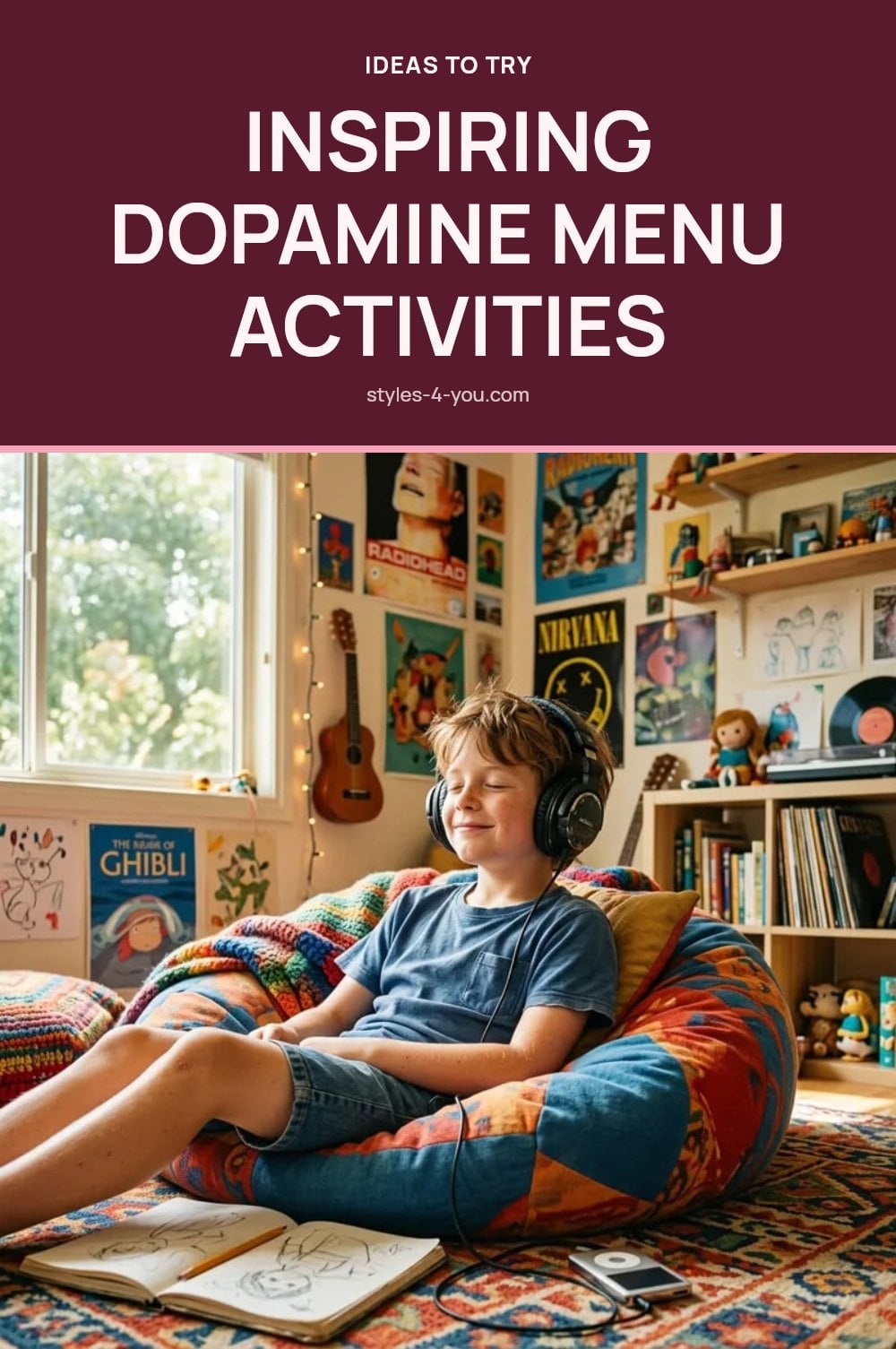
Quick physical bursts: Stand up and stretch for 2 minutes, do 10 jumping jacks, or dance to one song. These get your blood moving and release dopamine fast.
Creative outlets: Doodle on a scrap of paper, listen to a favorite song with your eyes closed, or write three lines of a poem. Novelty and self-expression both stimulate reward pathways.
Social connections: Text a friend a funny meme, call someone for 5 minutes, or wave at a neighbor. Social interaction is a powerful dopamine trigger.
Mindfulness moments: Try 4-7-8 breathing (inhale 4 seconds, hold 7, exhale 8), do a 3-minute body scan, or sip a warm drink slowly. These calm your nervous system while boosting mood.
Small accomplishments: Tidy one drawer, make your bed, or water a plant. Completing a tiny task gives you a sense of achievement and a quick dopamine lift.
Common Dopamine Menu Mistakes to Avoid
Confusing with constant highs: A dopamine menu is not about chasing endless instant gratification. Focus on sustainable boosts, not fleeting rushes.
Including draining activities: Avoid items that lead to guilt, regret, or long-term procrastination. Scrolling social media for 30 minutes may feel good in the moment but often leaves you worse off.
Making it too complex: If your menu has 30 items that each require prep time, you won’t use it. Keep it simple with 5-10 low-effort options.
Not updating: Your preferences change. If an activity no longer sparks joy, swap it out. Review your menu every few weeks.
Expecting a cure-all: A dopamine menu is a wellness tool, not a substitute for professional mental health support. If low mood or lack of motivation persists, consult a healthcare provider.
Pro Tips for Maximizing Your Dopamine Menu’s Effectiveness
Keep it short: Aim for activities that take 5-15 minutes. Longer tasks can feel daunting and defeat the purpose of a quick lift.
Vary your choices: Mix physical, creative, social, and relaxing options. Different types of stimulation engage different dopamine pathways.
Be proactive: Use your menu before you hit a low, not just when you’re already struggling. A quick stretch or a short call can prevent a slump.
Align with values: Activities that resonate with your personal values provide deeper satisfaction. If you value learning, try a 5-minute language app session instead of passive scrolling.
Experiment: Don’t be afraid to try new things. What works today might not work next month, and that’s fine.
Beyond the Menu: Supporting Healthy Dopamine Levels Daily
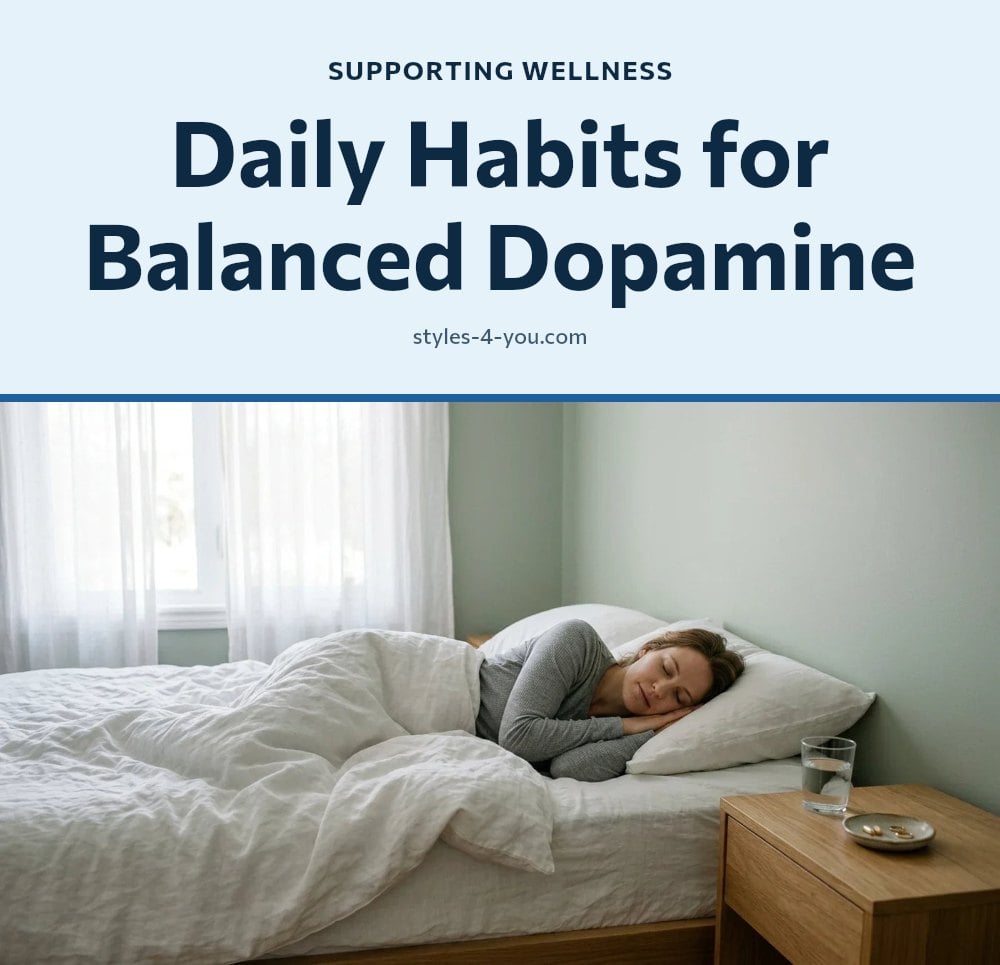
A dopamine menu works best when your brain’s baseline dopamine system is healthy. Here’s how to support it daily.
- Prioritize sleep: Aim for 7-9 hours per night. Sleep deprivation reduces dopamine receptor sensitivity and impairs motivation.
- Eat for dopamine: Include foods rich in tyrosine, like eggs, dairy, lean meats, nuts, and seeds. Tyrosine is a building block for dopamine.
- Move your body: Regular physical activity increases dopamine production and receptor density. Even a 10-minute walk helps.
- Practice mindfulness: Meditation and deep breathing positively influence dopamine pathways, helping you feel more balanced.
- Stay connected: Strong social bonds trigger powerful dopamine release. Schedule regular time with people who lift you up.
When to Seek Professional Help
A dopamine menu is a wellness tool, not a substitute for medical or psychological treatment. Consult a healthcare professional if persistent low mood, lack of motivation, or anhedonia (inability to feel pleasure) significantly impact your daily life. Seek help if you notice any activities becoming compulsive or addictive. Your well-being matters beyond any self-care list.
Frequently Asked Questions
How often should I use my dopamine menu?
Use it whenever you feel a dip in motivation or mood, but avoid relying on it multiple times every hour. A few times a day is fine, as long as you are also addressing the root cause of your low energy or stress. Listen to your body and adjust.
Can a dopamine menu help with chronic stress?
A dopamine menu can provide temporary relief from stress by offering quick, pleasant activities. However, chronic stress often requires deeper strategies like therapy, lifestyle changes, or medical support. Use the menu as a supplement, not a replacement, for professional care.
What’s the difference between a dopamine menu and instant gratification?
A dopamine menu focuses on sustainable, healthy pleasures that align with your values, while instant gratification often involves quick fixes that may lead to guilt or regret. The goal is to choose activities that genuinely boost your mood without negative long-term consequences.
Is it okay to have ‘guilty pleasures’ on my dopamine menu?
It depends on the activity. If it leads to guilt, regret, or procrastination, it’s best to leave it off. Choose pleasures that feel good in the moment and afterward, like a short dance break or calling a friend, rather than ones that drain you.
How do I know if an activity is truly boosting my dopamine?
Pay attention to how you feel during and after the activity. A genuine boost leaves you feeling more energized, motivated, or content, not drained or guilty. Experiment with different activities and notice which ones give you that subtle lift.
Final Thoughts
My tip: start with just three to five activities you genuinely enjoy and can do in under 15 minutes. You’ll likely notice a small shift in your energy and mood right away. Remember, a dopamine menu is a tool for gentle, sustainable boosts, not a cure for deeper issues. Use it as part of a balanced approach to your daily well-being.
This article is for informational purposes only and is not a substitute for professional medical or psychological advice. If you experience persistent low mood, lack of motivation, or an inability to feel pleasure that interferes with daily life, please consult a qualified healthcare provider.
More Blog ideas
- Your Essential Guide to a Healthy Feminine Hygiene Routine
- Best High Protein Foods to Eat Daily for Health and Energy
- Feeling Stuck: 12 Small Steps to Get Unstuck
- Winter Skin Survival Tips
- How to Get a Flat Stomach
- How to Fix Damaged Hair and Restore Its Health
- Full-Body Kettlebell Workout
- Dry Scalp vs. Dandruff
- Full Body Workout for Beginners
- 21 Easy Beauty Tips Every Woman Should Know
- Feminine Energy: 15 Daily Habits to Feel More Radiant
- Upper Body Workout for Women at Home






