Diet Plan for Women: How to Build One that Fits Your Life
Learn how to create a personalized diet plan that supports your health goals and fits your lifestyle, focusing on sustainable habits and balanced nutrition.

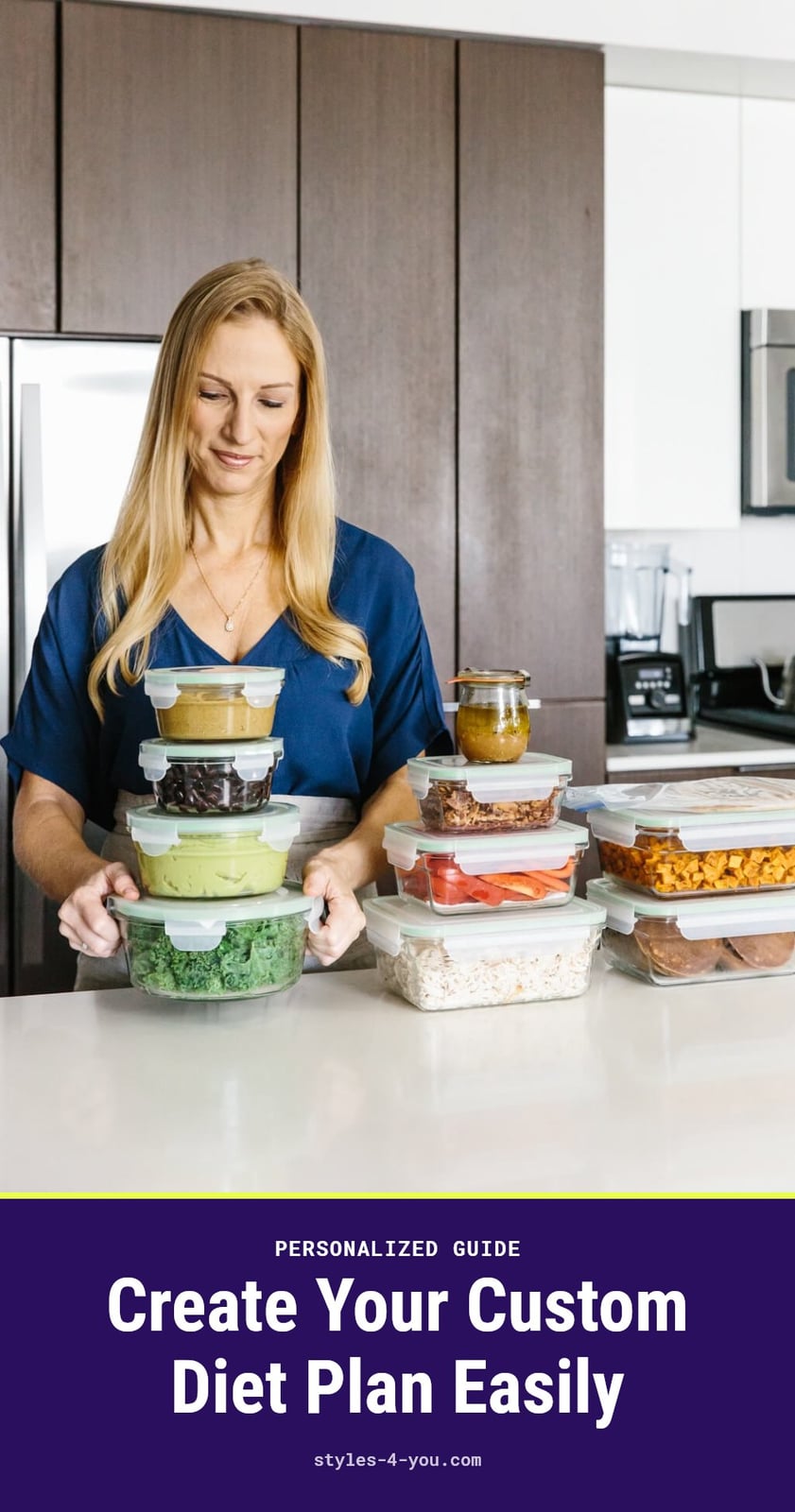
Building a diet plan that actually works for you is about more than just cutting calories. It’s a structured approach to eating that supports your health goals, whether that’s managing your weight, boosting your energy, or addressing a specific health concern. The key is to create something personalized and sustainable, not a rigid set of rules that leaves you feeling deprived.
In this article, I’ll walk you through the essential steps to build a diet plan that fits your life, covering everything from setting realistic goals to choosing the right tools and avoiding common mistakes.
Key Takeaways
- Focus on whole, unprocessed foods like fruits, vegetables, lean proteins, and whole grains.
- Consult a healthcare professional before starting any new diet plan, especially with health conditions.
- Use measuring cups, a food scale, and a water bottle to support portion control and hydration.
- Allow flexibility for occasional treats to keep your plan sustainable long-term.
- Expect initial results in weeks, but lasting changes take months of consistency.
What is a Personalized Diet Plan?
A diet plan is a structured approach to eating that supports specific health goals, such as weight management, improved energy, or managing health conditions. The most effective diet plans are personalized, sustainable, and focus on balanced nutrition rather than extreme deprivation. It’s crucial to consider individual needs, preferences, and consult with healthcare professionals, especially when significant dietary changes are planned.
Essential Tools for Your Diet Plan Journey
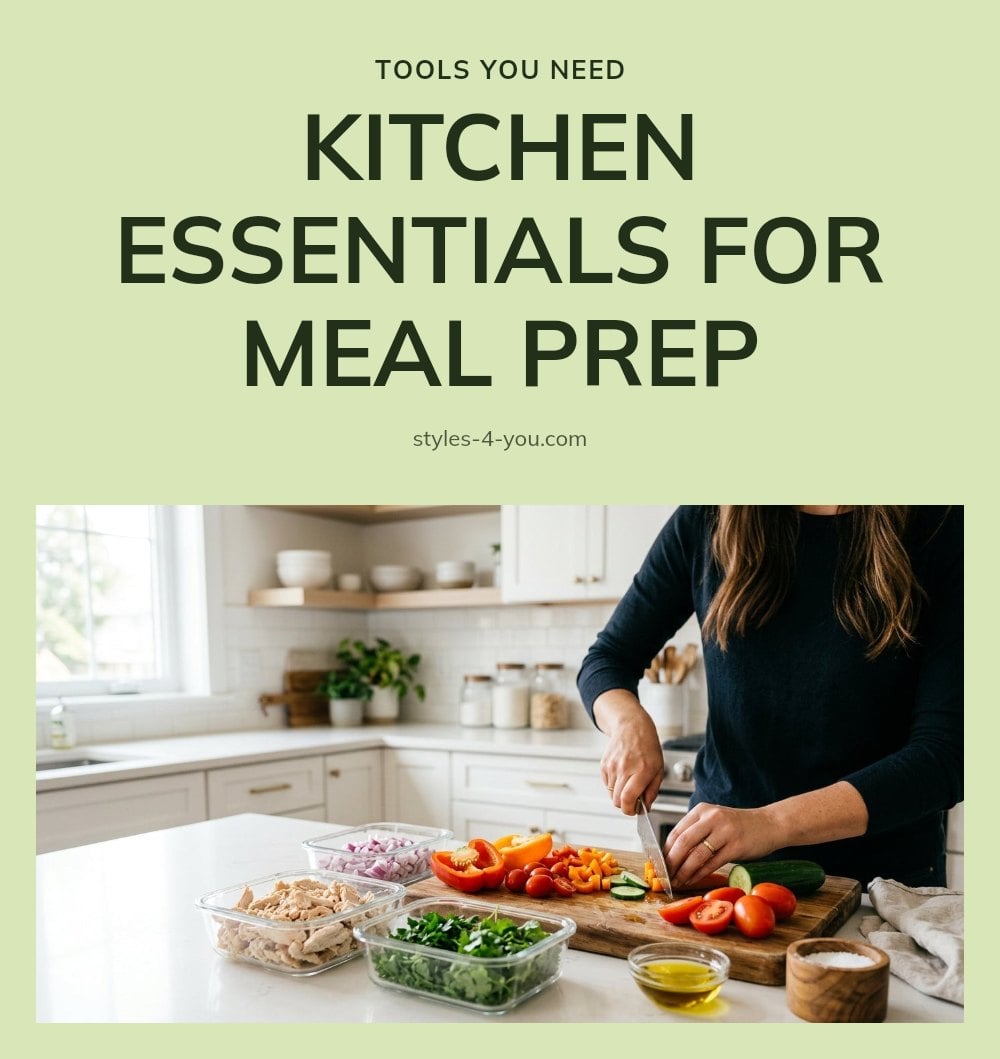
Having the right tools makes sticking to your diet plan much easier. Here are the basics I keep in my kitchen:
- Measuring cups and spoons: For portion control, especially with grains and dressings.
- Food scale: Ensures accurate portioning for weight-related goals.
- Reusable water bottle: Encourages consistent hydration throughout the day.
- Meal prep containers: Simplify healthy eating by allowing you to prepare meals in advance.
- Cookbooks or healthy recipe resources: Provide inspiration and guidance for varied meals.
- Food journal or tracking app: Helps monitor intake and identify eating patterns.
Step-by-Step: Creating Your Personalized Diet Plan

- Define your health goals: Clarify whether you’re aiming for weight management, increased energy, or addressing specific health concerns. This guides every decision.
- Consult a professional: Talk to a healthcare provider or registered dietitian to ensure your plan is safe and appropriate for your individual needs, especially if you have health conditions.
- Assess your current habits: Note what you eat now, including preferences and problem areas. This helps you build a plan that fits your lifestyle.
- Prioritize whole foods: Base your diet on fruits, vegetables, lean proteins, and whole grains. These provide essential nutrients and fiber.
- Determine portion sizes: Use measuring cups or a food scale to match portions to your goals and activity level. This prevents overeating without deprivation.
- Plan meals and snacks: Prepare a weekly menu to reduce impulsive choices. Batch cooking staples like rice or roasted veggies saves time.
- Stay hydrated: Make water your primary beverage. Carry a reusable bottle to sip throughout the day.
- Incorporate flexibility: Allow for occasional treats. This prevents feelings of deprivation and supports long-term adherence.
- Monitor and adjust: Track your progress with a journal or app, and pay attention to how your body feels. Tweak portions or food choices as needed.
Sample Weekly Plan for Balanced Eating
This sample plan focuses on balanced meals and snacks, incorporating whole foods and adequate hydration. Adjust portion sizes and specific food choices based on your individual calorie needs and preferences. The plan includes a variety of macronutrients and micronutrients to support overall health. Remember to listen to your body’s hunger and fullness cues.
| Day | Breakfast | Lunch | Dinner | Snack |
|---|---|---|---|---|
| Monday | Oatmeal with berries | Grilled chicken salad | Salmon with quinoa and broccoli | Apple with almond butter |
| Tuesday | Greek yogurt with granola | Turkey and avocado wrap | Stir-fried tofu with vegetables | Carrot sticks with hummus |
| Wednesday | Scrambled eggs with spinach | Lentil soup with whole-grain bread | Beef stir-fry with brown rice | Orange slices |
| Thursday | Smoothie with protein powder | Quinoa bowl with black beans | Baked chicken with sweet potato | Handful of almonds |
| Friday | Whole-grain toast with avocado | Tuna salad on mixed greens | Shrimp with zucchini noodles | Pear |
| Saturday | Pancakes with fresh fruit | Leftover stir-fry | Grilled fish with roasted vegetables | Cottage cheese with pineapple |
| Sunday | Egg and vegetable frittata | Chickpea and tomato soup | Roasted chicken with asparagus | Dark chocolate square |
Common Diet Plan Mistakes to Avoid
Avoid these common pitfalls to keep your diet plan on track.
- Setting Unrealistic Goals: Don’t aim for drastic weight loss or immediate perfection. Focus on small, sustainable changes you can maintain.
- Eliminating Entire Food Groups: Cutting out major food groups without professional guidance can lead to nutrient deficiencies. Consult a dietitian first.
- Ignoring Personal Preferences: A plan that doesn’t account for your likes and dislikes will be hard to sustain. Include foods you enjoy.
- Cutting Calories Too Drastically: Severely restricting calories can cause fatigue, nutrient deficiencies, and a slower metabolism. Aim for a moderate deficit.
- Over-relying on Processed ‘Diet’ Foods: Choose whole, natural options over highly processed foods marketed as ‘diet-friendly.’ They often lack fiber and nutrients.
- Not Tracking Progress: Without some form of tracking (food journal, weight, measurements), it’s hard to see what’s working and what needs adjustment.
Smart Tips for Long-Term Diet Plan Success
These smart habits help you stick with your plan for the long haul.
- Prioritize Lean Protein: Include lean protein sources like chicken, fish, tofu, or legumes in every meal to support satiety and muscle maintenance.
- Embrace Variety: Eat a wide range of fruits, vegetables, and whole grains to ensure you get all essential vitamins and minerals.
- Practice Mindful Eating: Pay attention to your hunger and fullness cues. This helps regulate food intake naturally.
- Plan for Indulgences: Allow for occasional treats in moderation to prevent feelings of deprivation and promote long-term adherence.
- Stay Active: Complement your diet plan with regular physical activity to boost energy and support your health goals.
- Batch Cook: Prepare larger quantities of healthy staples like grains, roasted vegetables, or cooked proteins at the beginning of the week to save time.
Timeline and Investment for Your Diet Plan
Understand what to expect in terms of time and money.
Timeline for Results: Initial results from a diet plan can appear within a few weeks, but sustainable changes and long-term health benefits typically require consistent adherence over several months or even years.
Consistency is Key: Focus on building habits that you can maintain indefinitely, rather than seeking quick fixes.
Cost Tiers: The cost varies. A budget-friendly approach involves cooking at home with whole, unprocessed foods. Mid-tier options might include occasional healthy meal kits or specific dietary products. High-tier options could involve personalized coaching from a registered dietitian.
Investment in Health: View the cost as an investment in your long-term health and well-being.
When to Consult a Healthcare Professional
Know when to seek professional guidance.
- Before starting any new diet plan, especially if you have underlying health conditions, are pregnant or breastfeeding.
- If you experience dizziness, extreme fatigue, persistent digestive upset, or other unusual symptoms after changing your diet.
- If you have chronic illnesses such as diabetes, heart conditions, or kidney disease, which require specific dietary considerations.
- If you are considering eliminating entire food groups or making drastic changes to your eating habits.
- If you struggle with disordered eating patterns or have a history of eating disorders.
Frequently Asked Questions
What is the best diet plan for weight loss?
The best diet plan for weight loss is one you can stick with long-term. It should focus on whole, unprocessed foods, include lean proteins, and allow for flexibility. A healthcare professional can help you determine a calorie target and macronutrient balance that fits your needs and activity level.
How do I know if a diet plan is healthy for me?
A healthy diet plan is personalized to your goals, preferences, and health status. It includes a variety of nutrient-dense foods, doesn’t eliminate entire food groups without professional guidance, and avoids extreme restriction. If you have chronic conditions or are pregnant, consult your doctor before starting.
Can I eat out while following a diet plan?
Yes, you can eat out. Many restaurants offer grilled, steamed, or baked options, and you can ask for dressings on the side. Planning ahead, like checking the menu online, helps you make balanced choices. Just remember portion sizes may be larger, so consider sharing or taking leftovers home.
How long does it take to see results from a diet plan?
Initial changes, like improved energy or slight weight shifts, can appear within a few weeks. However, sustainable results and long-term health benefits typically require consistent adherence over several months or even years. Focus on progress, not perfection, and give your body time to adapt.
What if I don’t like certain healthy foods?
That’s completely normal. The key is to find alternatives you enjoy within the same food group. For example, if you dislike spinach, try kale or broccoli. There are countless fruits, vegetables, whole grains, and proteins to choose from, so you can build a plan that works for your taste buds.
Final Thoughts
My tip for building a diet plan that sticks: start small and prioritize consistency over perfection. Choose one or two changes you can maintain, like adding a serving of vegetables to lunch or swapping sugary drinks for water, and build from there. Remember that results take time, so be patient with yourself and focus on how you feel, not just the scale.
If you have underlying health conditions or are pregnant or breastfeeding, talk to your doctor or a registered dietitian before making significant changes. With a balanced approach and a little planning, you can create a way of eating that supports your health for years to come.
This article provides general information and is not a substitute for professional medical advice. Before starting any new diet plan, especially if you have underlying health conditions, are pregnant, or are breastfeeding, consult with a qualified healthcare provider or registered dietitian. If you experience unusual symptoms, seek medical attention promptly.
More Blog ideas
- Your Essential Guide to a Healthy Feminine Hygiene Routine
- Best High Protein Foods to Eat Daily for Health and Energy
- Feeling Stuck: 12 Small Steps to Get Unstuck
- Winter Skin Survival Tips
- How to Get a Flat Stomach
- How to Fix Damaged Hair and Restore Its Health
- Full-Body Kettlebell Workout
- Dry Scalp vs. Dandruff
- Full Body Workout for Beginners
- 21 Easy Beauty Tips Every Woman Should Know
- Feminine Energy: 15 Daily Habits to Feel More Radiant
- Upper Body Workout for Women at Home