Dry Brushing: How to Dry Brush Your Body for Smoother, Softer Skin
Dry brushing: Learn exactly how to dry brush your body with our step-by-step guide. Discover the benefits, what you need, and common mistakes to avoid.


If you are looking for a simple way to make your skin feel smoother and look more radiant, dry brushing might be the missing step in your routine. This technique uses a natural bristle brush on dry skin before you shower to exfoliate dead cells and give your circulation a quick boost. In this article, I will walk you through the right tools, the proper steps, common mistakes to avoid, and what you can realistically expect from the practice.
Key Takeaways
- Use a natural bristle brush and always brush toward your heart for best results.
- Apply firm but gentle pressure; the sensation should be invigorating, not painful.
- Shower immediately after dry brushing to rinse away loosened dead skin cells.
- Moisturize after showering to rehydrate your skin and lock in softness.
- Do not expect dry brushing to reduce cellulite or detoxify your body; those claims are not scientifically proven.
What is Dry Brushing and How Does It Work?
Dry brushing is a technique where you use a natural bristle brush on dry skin before showering. It primarily exfoliates dead skin cells, leaving your skin smoother, and can temporarily boost circulation for a rosy glow. The key is to brush in long strokes directed toward your heart, which may help enhance lymphatic flow.
Essential Tools for Effective Dry Brushing
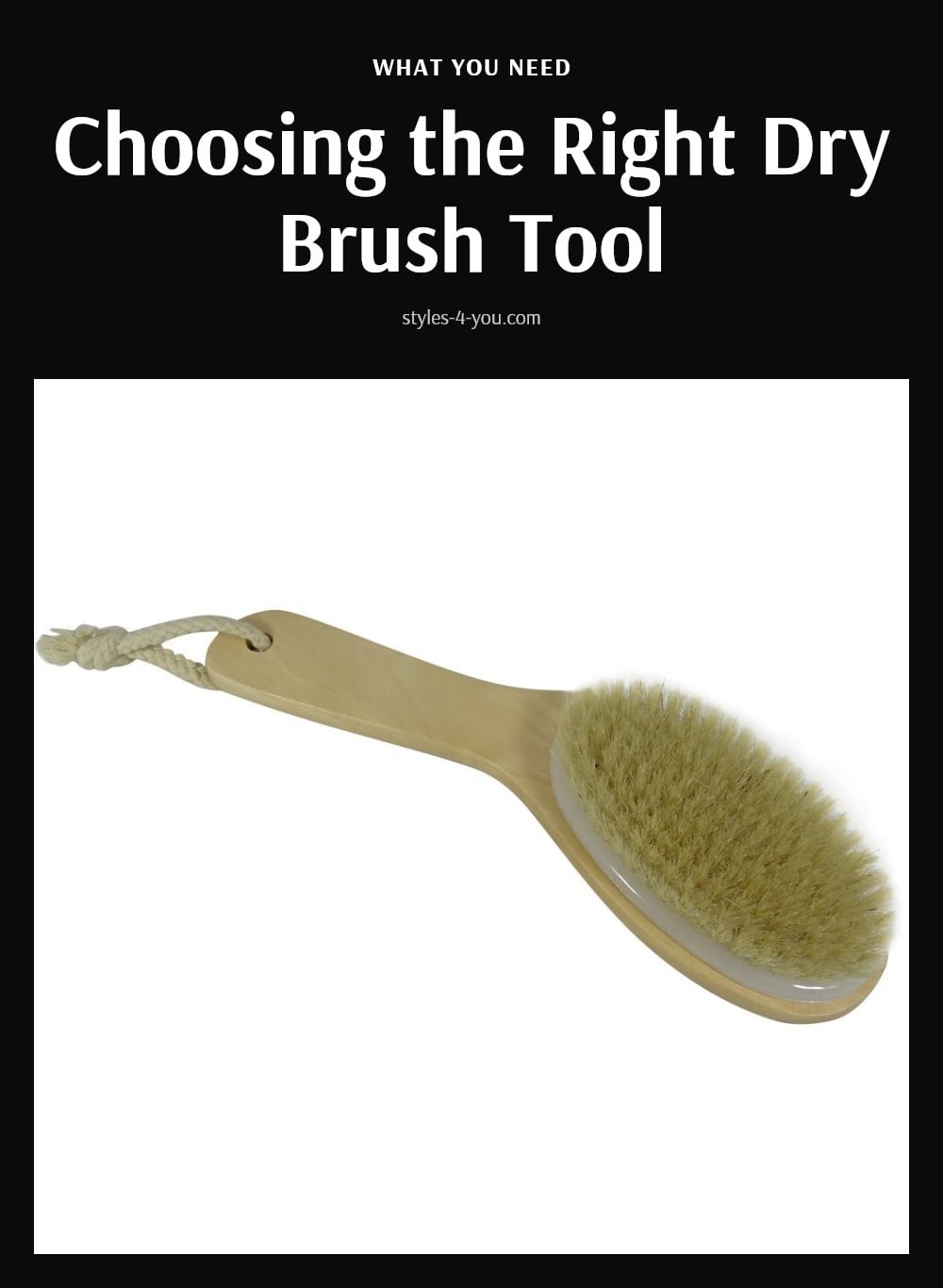
For effective dry brushing, you need the right tools. Here is what to have on hand:
- Natural bristle body brush: Firm but not scratchy bristles provide the best exfoliation without irritation.
- Long-handled brush: Helps you reach your back and other hard-to-access areas.
- Mild soap and water: For cleaning your brush regularly to prevent bacterial buildup.
- Body lotion or oil: To rehydrate your skin after showering.
Step-by-Step Guide to Dry Brushing Your Body
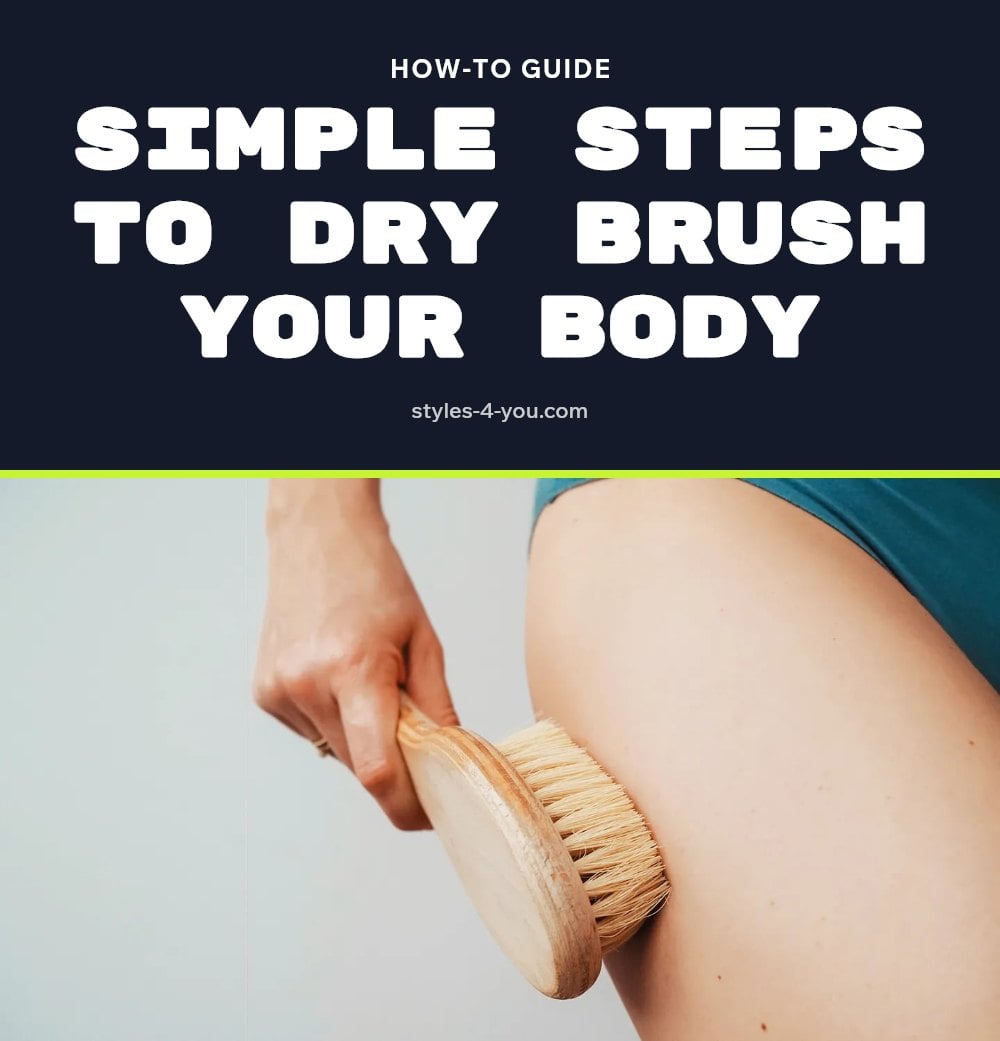
- Start at your feet: Begin dry brushing on the soles of your feet, then move up your legs, always brushing toward your heart. Use long, sweeping strokes.
- Brush your arms and torso: Work from your hands upward toward your heart, then brush your stomach and back in motions toward your heart. Keep strokes smooth and consistent.
- Apply firm but gentle pressure: The sensation should feel invigorating, not painful. If your skin turns bright red or feels sore, ease up.
- Shower immediately: Wash off the loosened dead skin cells with warm water and your regular body wash.
- Moisturize thoroughly: While your skin is still damp, apply a rich body lotion or body oil to lock in hydration and keep your skin soft.
Dry brushing can be done daily or a few times a week for 5-10 minutes. Many people notice smoother skin after just a few sessions.
Common Dry Brushing Mistakes and How to Avoid Them
Avoid these common dry brushing mistakes to get the best results without harming your skin:
- Brushing too hard: This can cause irritation, redness, or even micro-tears. Use firm but gentle pressure.
- Brushing over broken or sensitive skin: Never dry brush over cuts, rashes, sunburn, varicose veins, or active breakouts. It can worsen inflammation.
- Skipping the shower or moisturizer: Not showering after leaves dead skin on your body, and skipping moisturizer can lead to dryness. Always do both.
- Using the wrong brush: A synthetic brush may be too harsh or not exfoliate effectively. Stick with natural bristles.
Dry Brushing Myths vs. Real Benefits
Dry Brushing Myths vs. Real Benefits
One of the biggest misconceptions is that dry brushing detoxifies your body. While it may stimulate lymphatic flow, scientific proof of detoxification is limited. Your liver and kidneys handle detoxing, and brushing your skin won’t change that.
Another common myth is that dry brushing eliminates cellulite. The reality is that cellulite reduction claims are not scientifically supported. Brushing can temporarily plump the skin and improve its texture, but it won’t change the underlying fat structure.
Some people think dry brushing can replace showering. It can’t. It’s a pre-shower ritual for exfoliation, not a cleaning method. You still need soap and water to wash away sweat, oil, and dirt.
My tip: Focus on what dry brushing actually does well: smoother skin, better circulation, and a nice morning ritual. Skip the miracle expectations.
Aftercare: What to Do After Dry Brushing
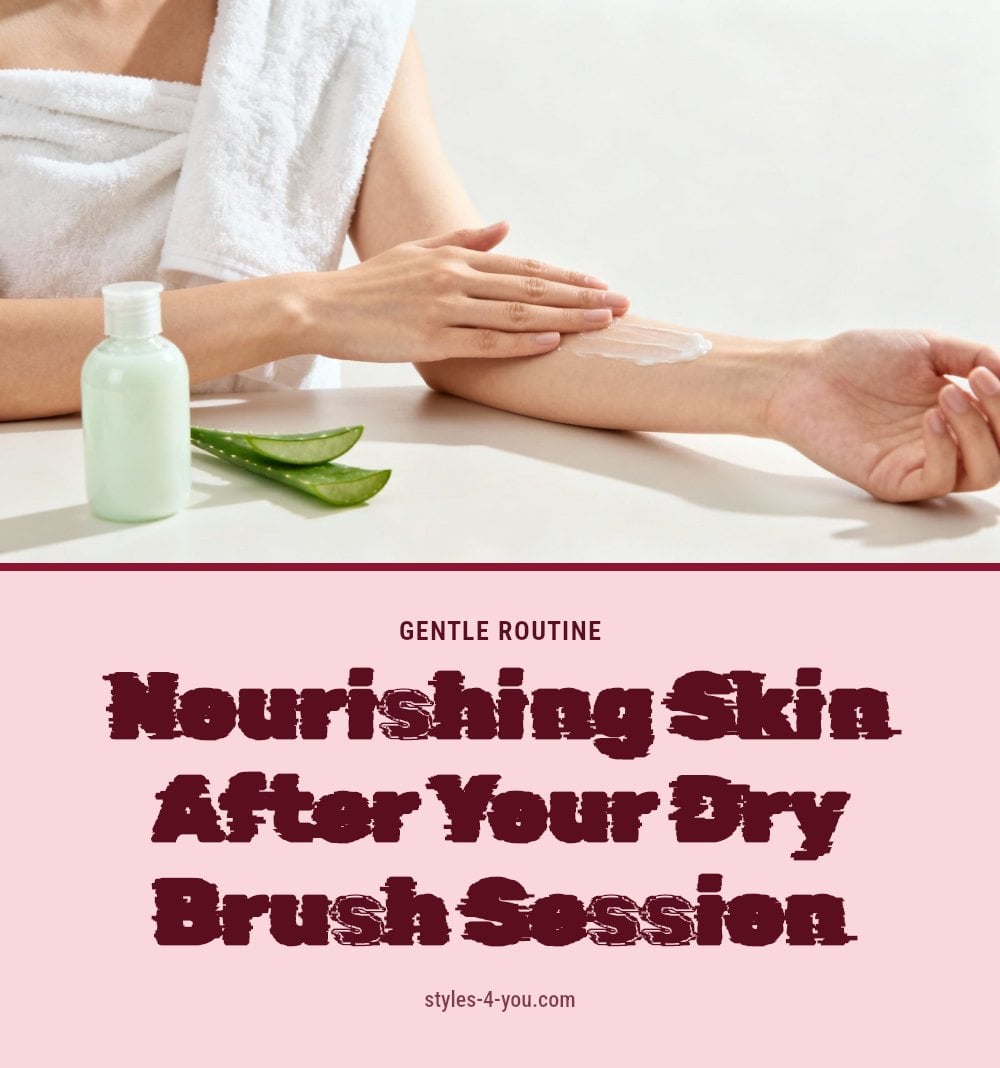
Shower right after your last stroke. Warm water and a gentle body wash rinse away the dead skin cells you loosened, so they don’t settle back onto your body. Skip the hot water, it can strip the natural oils your skin just revealed.
Pat your skin dry, then apply a rich moisturizer or body oil while you’re still slightly damp. This locks in hydration and soothes the freshly exfoliated surface. My tip: use a fragrance-free lotion if you have sensitive skin.
Clean your brush once a week with mild soap and warm water, then let it air dry. Regular cleaning prevents bacterial buildup that could transfer back to your skin next time.
When to Consult a Professional About Dry Brushing
Stop dry brushing and see a doctor if you feel pain, notice excessive redness, or develop skin irritation that doesn’t fade quickly. These signs mean your skin is reacting badly, and continuing can make it worse.
Avoid dry brushing over any open wounds, cuts, infections, rashes, or sunburned skin. The bristles can aggravate these areas and delay healing.
Talk to your doctor before dry brushing if you have a serious skin condition, circulatory issues, or are pregnant. Your healthcare provider can tell you whether this practice is safe for your situation.
Frequently Asked Questions
How often should I dry brush?
You can dry brush daily or a few times a week, depending on your skin’s tolerance. Most people do it for 5 to 10 minutes before showering. If your skin feels irritated, scale back to every other day or twice a week.
Can dry brushing help with ingrown hairs?
Dry brushing may help prevent ingrown hairs by exfoliating dead skin cells that can trap hairs beneath the surface. Use gentle, circular motions over areas prone to ingrown hairs, but avoid brushing over any already inflamed or infected bumps.
Is dry brushing good for sensitive skin?
Dry brushing can be too harsh for sensitive skin, especially if you use too much pressure or brush over areas with conditions like eczema or rosacea. If you have sensitive skin, test a small area first and use a brush with softer bristles. Stop if you notice redness or irritation.
What kind of brush should I use for dry brushing?
Look for a brush with natural, firm bristles that are not scratchy. A long-handled brush helps you reach your back and other hard-to-access areas. Avoid synthetic brushes, as they can be too harsh and less effective for exfoliation.
Can I dry brush my face?
No, you should not dry brush your face. Facial skin is more delicate and prone to irritation and micro-tears. Stick to dry brushing your body from the neck down, and use a separate gentle exfoliant designed for the face if needed.
Final Thoughts
My tip: start with two or three sessions per week rather than every day to see how your skin responds. You can expect smoother, softer skin after a few sessions, but the rosy glow from increased circulation is temporary. Stick with the technique and pair it with a good moisturizer for the best long-term results.
This article is for general informational purposes only and does not constitute medical or dermatological advice. Dry brushing may not be suitable for everyone, especially those with skin conditions, circulatory issues, or who are pregnant. If you have a persistent or serious skin problem, consult a doctor or dermatologist before starting.
More Blog ideas
- Your Essential Guide to a Healthy Feminine Hygiene Routine
- Best High Protein Foods to Eat Daily for Health and Energy
- Feeling Stuck: 12 Small Steps to Get Unstuck
- Winter Skin Survival Tips
- How to Get a Flat Stomach
- How to Fix Damaged Hair and Restore Its Health
- Full-Body Kettlebell Workout
- Dry Scalp vs. Dandruff
- Full Body Workout for Beginners
- 21 Easy Beauty Tips Every Woman Should Know
- Feminine Energy: 15 Daily Habits to Feel More Radiant
- Upper Body Workout for Women at Home






