Dry Hair Remedies at Home: Restore Shine and Softness
Tired of dull, brittle hair? Discover effective dry hair remedies you can do at home to bring back moisture, shine, and softness, naturally.

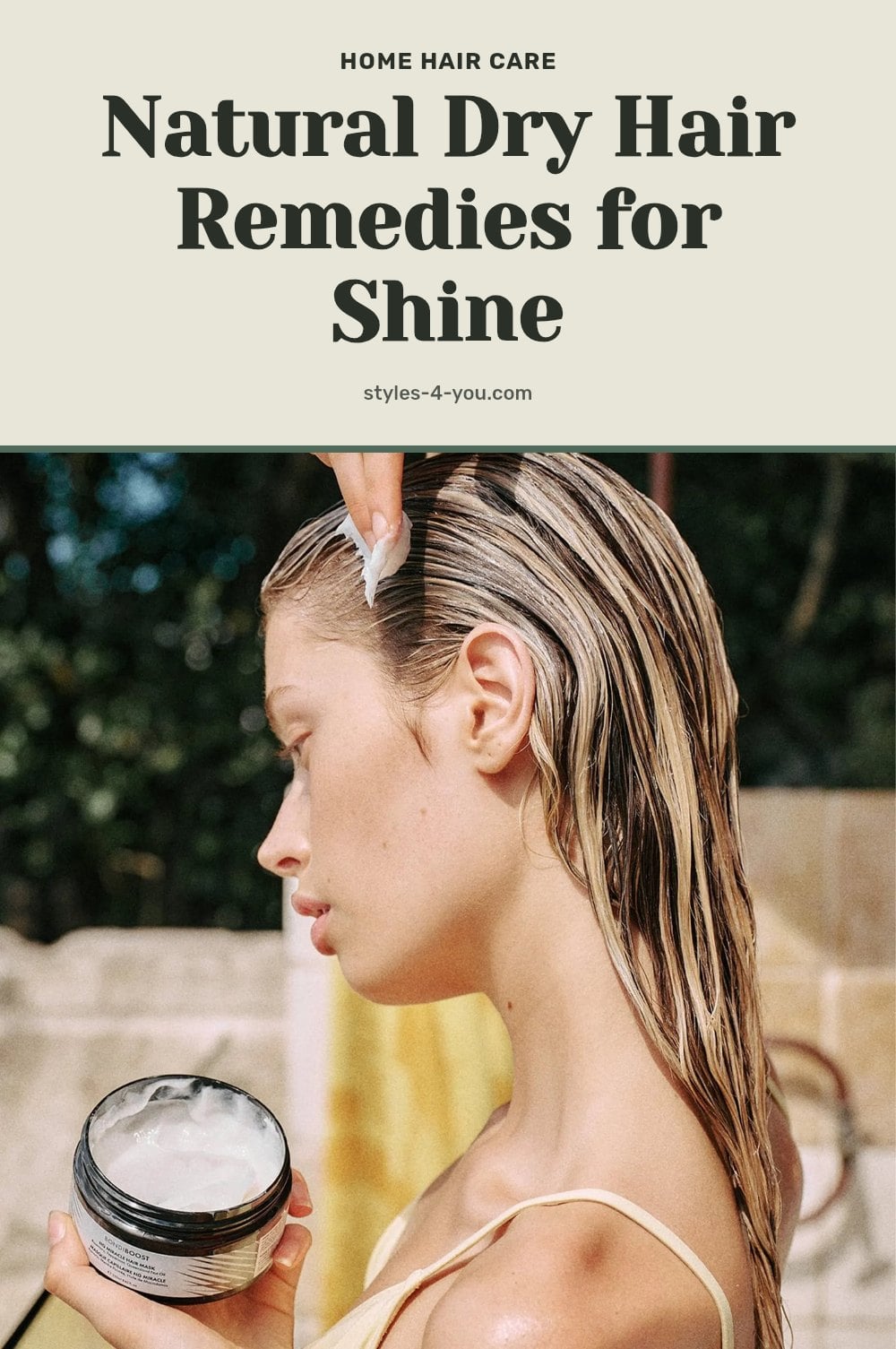
If your hair feels rough, looks dull, or snaps easily, it’s likely not holding enough moisture. Dry hair happens when the outer cuticle layer lifts, letting hydration escape. The good news is that simple changes to your wash routine, styling habits, and diet can make a real difference. This article covers the most effective home remedies and daily habits to restore softness and shine.
Key Takeaways
- Deep condition with a hair mask once or twice a week to restore lost moisture.
- Wash hair 2-3 times a week with a sulfate-free, moisturizing shampoo and conditioner.
- Apply natural oils like coconut or argan oil to seal moisture in the hair shaft.
- Always use a heat protectant spray before blow-drying or using hot styling tools.
- Sleep on a silk or satin pillowcase to reduce friction and prevent overnight moisture loss.
What Causes Dry Hair and How Can I Fix It?
Dry hair happens when the outer cuticle layer lifts, letting moisture escape. Common triggers include heat styling, chemical treatments, harsh shampoos, and dry climates. To fix it, focus on locking moisture back in with weekly masks and natural oils, always use a heat protectant, and switch to a gentle, sulfate-free routine.
1. Deep Condition Weekly with a Hair Mask
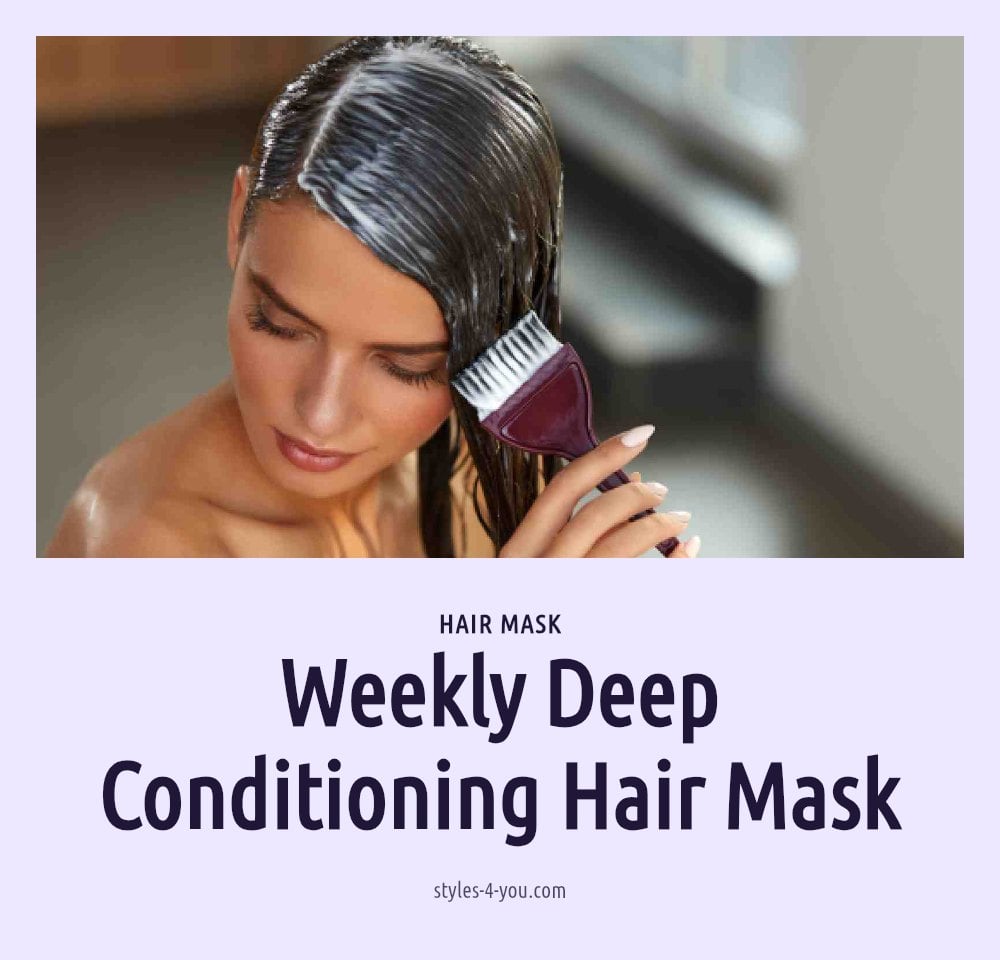
A deep conditioning mask once or twice a week can restore lost hydration and smooth the cuticle. Look for ingredients like shea butter, argan oil, or hyaluronic acid. These actively draw moisture in and help seal the hair shaft.
- Apply to clean, damp hair: Work the mask from mid-lengths to ends, avoiding the roots if your scalp tends to get oily.
- Leave on for 5-20 minutes: Follow the product instructions; longer isn’t always better. Rinse thoroughly with cool water.
- Consistency matters: Results build over several weeks, so stick with it for at least a month.
2. Use Moisturizing Shampoo and Conditioner
Switch to a sulfate-free, moisturizing shampoo and conditioner. Sulfates are strong detergents that strip your hair’s natural oils (sebum), making dryness worse. Over-washing, even with a gentle formula, can also remove protective oils.
- Wash 2-3 times a week: Adjust based on your hair type and how oily your scalp gets.
- Focus conditioner on the ends: The mid-lengths and ends are the oldest, driest parts and need the most moisture.
- Rinse with cool water: Helps close the cuticle and lock in hydration.
3. Incorporate Natural Hair Oils
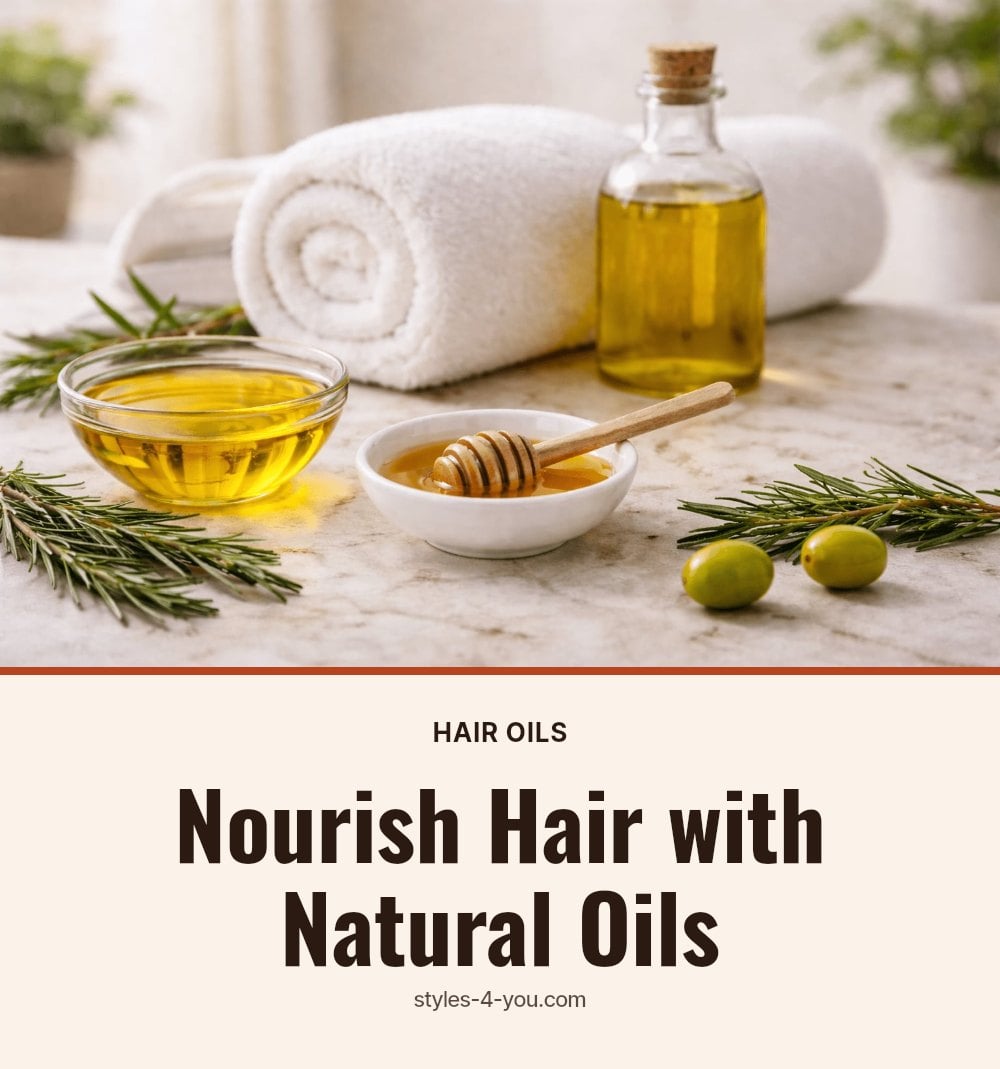
Natural oils are a direct way to add moisture back. Coconut oil can penetrate the hair shaft, making it a great pre-shampoo treatment. Argan and olive oils are better for sealing the cuticle after washing, locking moisture in.
- Pre-shampoo treatment: Apply coconut oil to dry hair 30 minutes before washing. Shampoo twice if needed to remove residue.
- Leave-in: Rub a few drops of argan or olive oil between your palms and smooth over damp ends. Start with a small amount to avoid greasiness.
- My tip: Warm the oil slightly before applying. It spreads more evenly and absorbs faster.
4. Limit Heat Styling Tools

Heat styling tools like blow dryers, flat irons, and curling irons evaporate moisture from the hair shaft, leaving it dry and brittle. The high temperature lifts the cuticle, so water escapes faster.
- Use a heat protectant: Spray it on damp hair before any heat styling. It forms a barrier that reduces moisture loss.
- Air-dry when possible: Let your hair dry naturally most days. Reserve heat tools for occasions when you really need them.
5. Protect Hair from Environmental Damage
Dry climates, sun, wind, and chlorinated or saltwater all pull moisture out of your hair. The sun’s UV rays can also damage the cuticle, making it rougher and more porous.
- Wear a hat or use a UV-protective spray: This shields your hair when you’re outdoors for long periods.
- Rinse before and after swimming: Fresh water saturates the hair so it absorbs less chlorinated or saltwater. Rinse again after to wash away residues.
6. Rinse with Cool Water
After conditioning, rinse your hair with cool water. The cold temperature helps the cuticle lie flat, which locks in moisture and boosts shine.
Hot water does the opposite: it opens the cuticle, making it easier for moisture to escape. You don’t need an ice-cold rinse, just a few seconds of lukewarm-to-cool water at the end of your shower.
7. Detangle Gently with a Wide-Tooth Comb
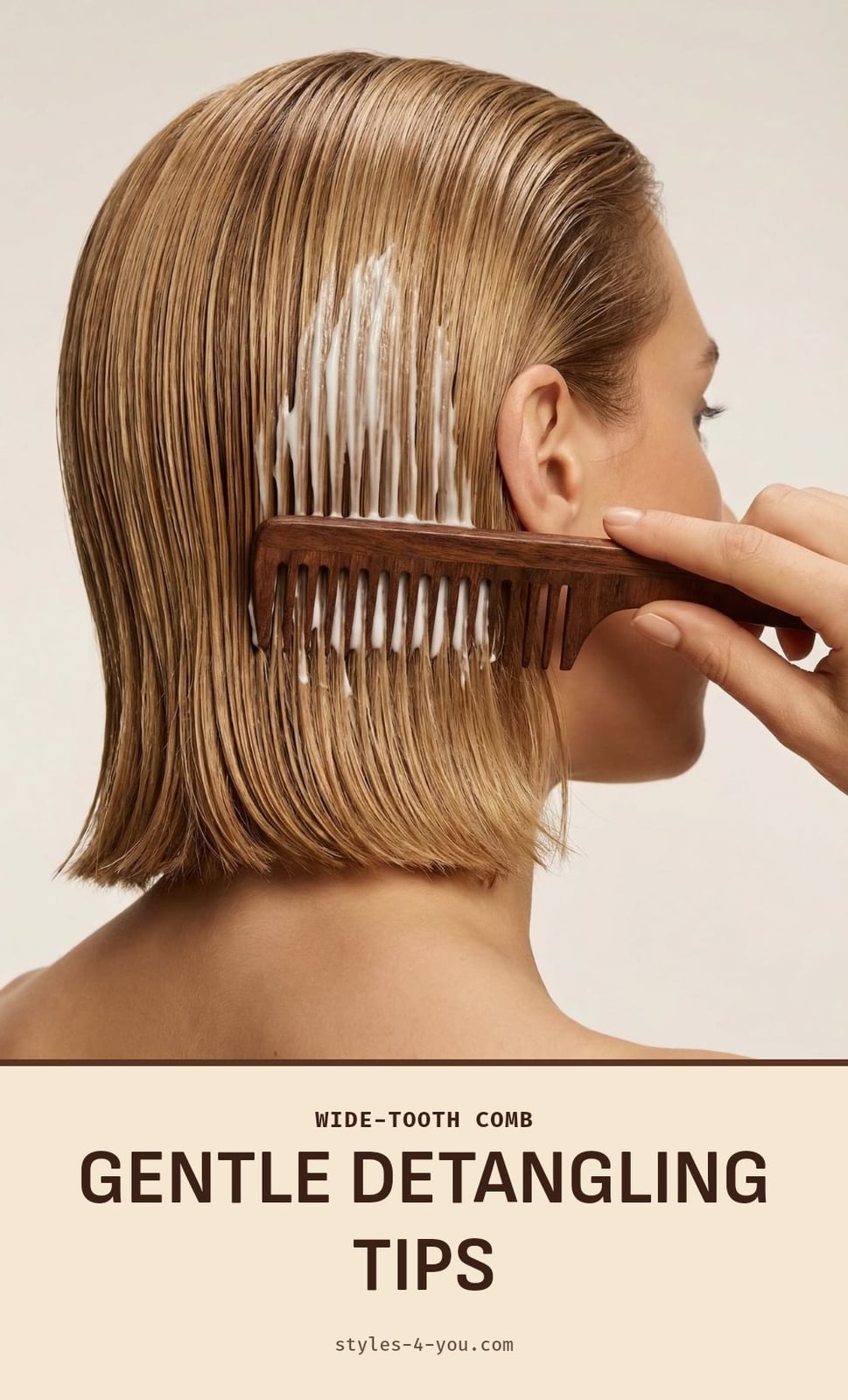
Wet hair is at its most fragile, and vigorous brushing can snap strands and damage the cuticle. A wide-tooth comb is gentler and reduces breakage.
- Start at the ends: Work out tangles from the bottom upward. This prevents pulling on the roots and causing stress.
- Be patient: If you hit a knot, hold the hair above it with one hand and gently work the comb through. Never yank.
8. Sleep on a Silk or Satin Pillowcase

Swap your cotton pillowcase for a silk or satin one. Cotton fibers absorb moisture from your hair overnight and create friction that tugs at strands, which can lead to dryness and breakage. Silk and satin are smoother, so your hair glides over the surface instead of catching.
This simple switch also helps your style last longer and reduces morning tangles. Look for a silk or satin pillowcase, or wrap your hair in a silk scarf before bed if you prefer. It is one of the easiest changes you can make with immediate results.
9. Stay Hydrated and Eat Well
Drinking enough water keeps your whole body hydrated, and your hair benefits from that internal moisture supply. Aim for the general recommendation of about 8 cups a day, adjusting for your activity level and climate. Dehydration can show up as dull, brittle strands.
Pair that with a balanced diet. Omega-3 fatty acids from fish or flaxseeds, vitamins A, C, and E from fruits and vegetables, and iron from leafy greens or beans all support healthy hair growth and moisture retention. My tip: think of your hair as a reflection of what you eat, so prioritize whole foods over supplements unless a doctor recommends them.
10. Avoid Harsh Chemical Treatments
Chemical treatments like coloring, perms, and relaxers change the structure of your hair, making it more porous. That means moisture escapes more easily, leaving strands dry and prone to breakage. If you color your hair regularly, you may notice it feels rougher over time.
If you do opt for these treatments, space them out to give your hair time to recover. Follow up with intensive moisturizing routines, like weekly masks and leave-in conditioners, to compensate for the added porosity. Also, consider semi-permanent color or gentler alternatives when possible. Caution: if your scalp feels irritated after any chemical service, consult a professional.
11. Use a Leave-In Conditioner

A leave-in conditioner gives your hair a continuous layer of moisture and protection that lasts through the day, without the weight of a rinse-out product. Apply it to damp hair right after washing, when the cuticle is still open and ready to absorb hydration.
Work it through the mid-lengths and ends, where dryness shows first, then comb gently to distribute. This also makes detangling easier and reduces frizz as your hair dries. Pro move: keep a small bottle in your bag for a midday refresh on dry ends.
When to Consult a Professional
If your dry hair comes with significant hair loss, scalp irritation, flaking, or redness that doesn’t improve with moisturizing products, see a doctor. Extremely dry and brittle hair can sometimes point to an underlying health issue, such as hypothyroidism or anorexia nervosa, so it’s worth ruling out.
A dermatologist can check your scalp and hair health, while a professional stylist can offer targeted treatments and product recommendations matched to your hair type. My tip: bring your current hair care routine to the appointment so they can spot what might be contributing to the dryness.
Frequently Asked Questions
How often should I deep condition dry hair?
For dry hair, deep condition once or twice a week. If your hair is very damaged or porous, you can do it up to twice a week, but more than that may lead to buildup. Adjust based on how your hair feels after each treatment.
Can diet really affect hair dryness?
Yes. A balanced diet with omega-3 fatty acids, vitamins A, C, and E, and iron supports healthy hair growth and moisture retention. Drinking enough water also helps keep your strands hydrated from the inside out.
Is it bad to wash dry hair every day?
For most people, yes. Daily washing strips natural oils (sebum) that protect and moisturize your hair and scalp. Washing 2-3 times a week is usually enough for dry hair, but adjust based on your hair type and activity level.
What’s the best natural oil for very dry hair?
Coconut oil is excellent because it can penetrate the hair shaft, making it a good pre-shampoo treatment. For sealing moisture after washing, argan oil or olive oil work well to lock hydration in and smooth the cuticle.
How long does it take to fix dry hair?
You can often see improvements within a few weeks of consistent care, with more noticeable results over one to three months. Patience is key, as damaged cuticles take time to smooth and rehydrate.
Final Thoughts
Start with one or two changes, like switching to a sulfate-free shampoo and adding a weekly deep conditioning mask. You may notice softer, shinier hair within a few weeks, with more significant results over one to three months. If your hair stays extremely dry despite these efforts, or if you notice scalp irritation or hair loss, it’s worth checking with a doctor to rule out an underlying health issue.
This article is for general informational purposes only and does not constitute medical or professional advice. If you have persistent dry hair accompanied by hair loss, scalp irritation, or other concerning symptoms, please consult a doctor or dermatologist for a proper evaluation.
More Blog ideas
- Your Essential Guide to a Healthy Feminine Hygiene Routine
- Best High Protein Foods to Eat Daily for Health and Energy
- Feeling Stuck: 12 Small Steps to Get Unstuck
- Winter Skin Survival Tips
- How to Get a Flat Stomach
- How to Fix Damaged Hair and Restore Its Health
- Full-Body Kettlebell Workout
- Dry Scalp vs. Dandruff
- Full Body Workout for Beginners
- 21 Easy Beauty Tips Every Woman Should Know
- Feminine Energy: 15 Daily Habits to Feel More Radiant
- Upper Body Workout for Women at Home