Dry Skin Remedies that Work: My Top Tips for Hydrated Skin
Discover effective dry skin remedies that work! Learn my top tips for restoring moisture, soothing irritation, and achieving healthy, comfortable skin.

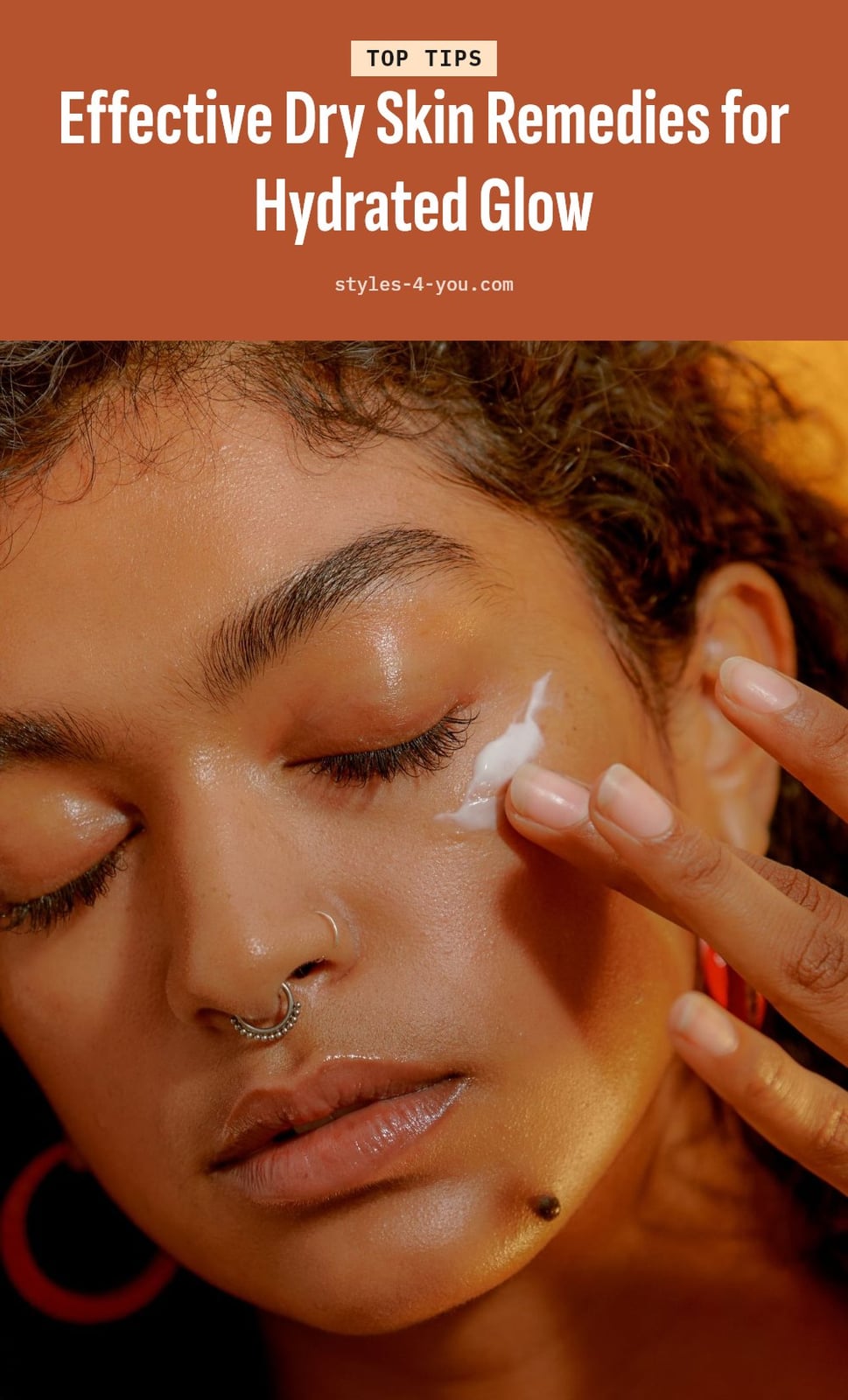
If you’re dealing with tight, flaky, or uncomfortable skin, you know how frustrating it can be. The good news is that with the right approach, you can significantly improve your skin’s hydration and comfort. This article covers the most effective remedies for dry skin, from choosing the right cleanser and moisturizer to making simple lifestyle changes that make a big difference.
Key Takeaways
- Apply a rich moisturizer to damp skin within minutes of bathing or washing your hands.
- Take short, lukewarm showers of 5 to 10 minutes instead of hot ones.
- Use a gentle, fragrance-free cleanser without sulfates or strong fragrances.
- Use a humidifier indoors during dry seasons to add moisture to the air.
- See a doctor if dry skin is severe, cracks, bleeds, or shows signs of infection.
The Best Way to Tackle Dry Skin
The most effective approach to dry skin combines gentle cleansing with consistent, targeted moisturizing to restore the skin’s natural barrier. Focus on products containing ceramides, hyaluronic acid, and shea butter. Integrate lifestyle changes like taking lukewarm showers and using a humidifier for lasting relief.
1. Use a Gentle, Hydrating Cleanser
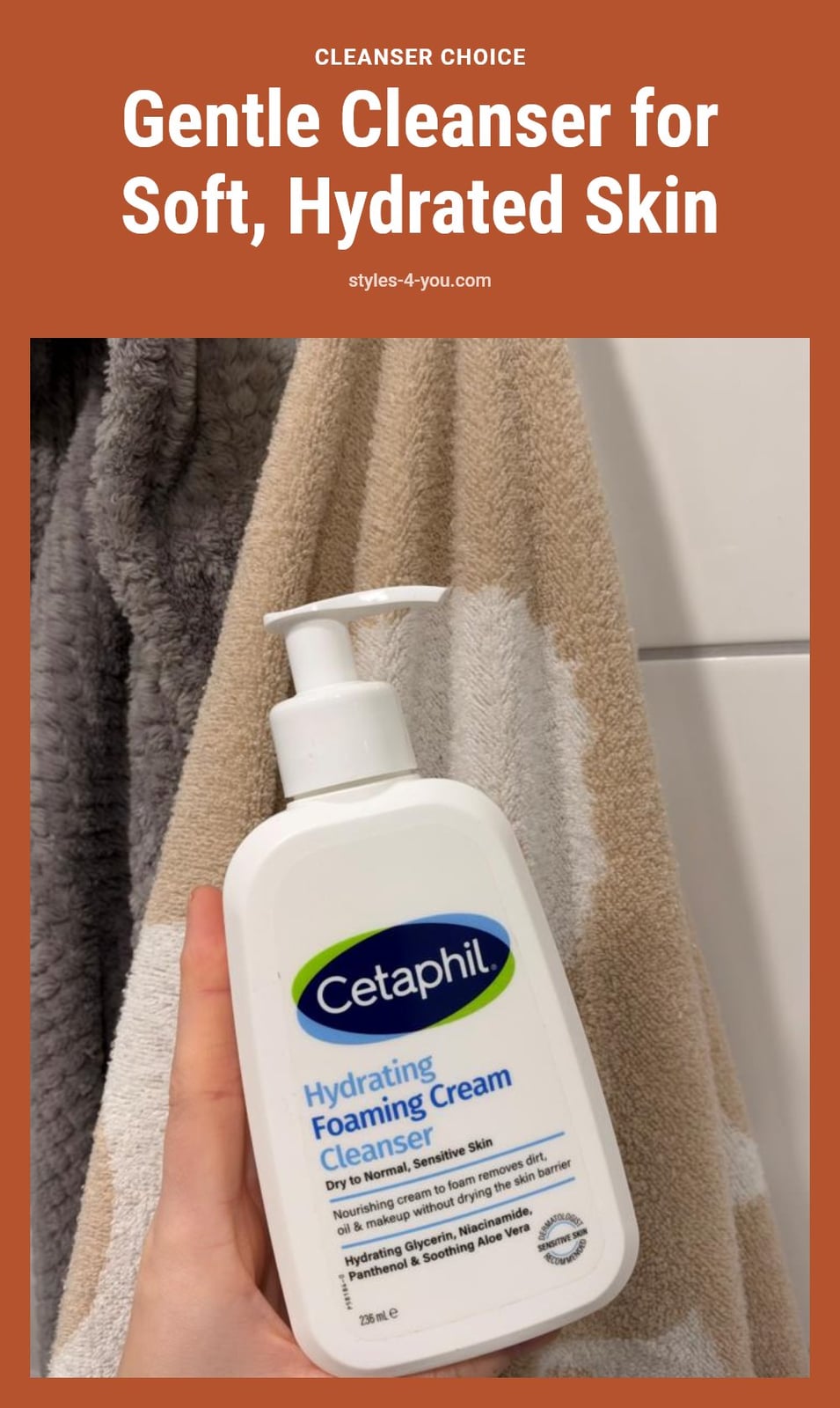
My tip: Ditch harsh soaps and cleansers that contain sulfates or strong fragrances. These strip your skin of its natural oils, which are essential for maintaining the skin barrier and preventing moisture loss. Instead, opt for a creamy, fragrance-free cleanser designed for dry or sensitive skin. It should clean without leaving your skin feeling tight or squeaky clean.
2. Moisturize Immediately After Washing
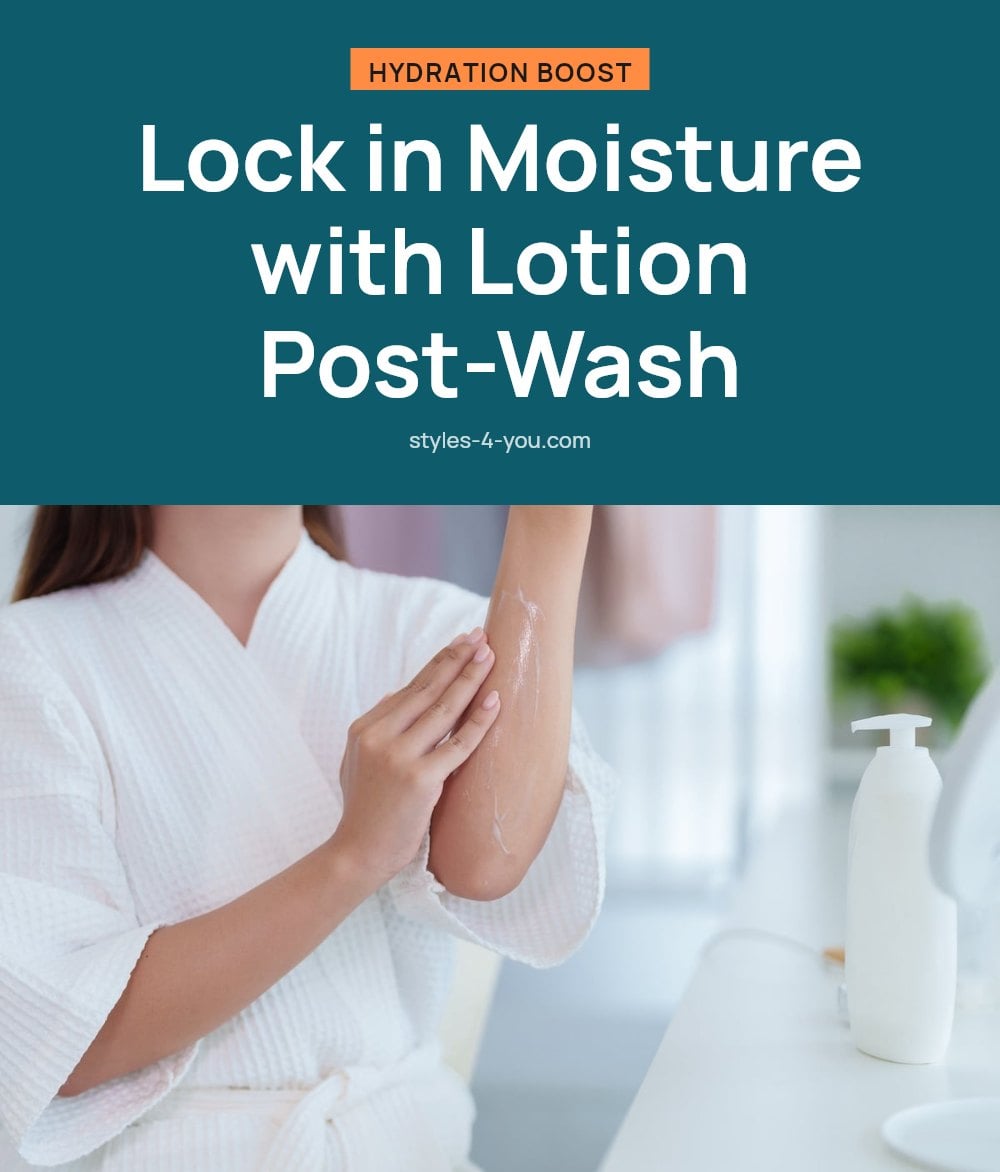
Apply your moisturizer within minutes of stepping out of the shower or washing your hands, while your skin is still damp. This helps to trap existing moisture in your skin, creating a seal to prevent water evaporation.
My tip: keep your moisturizer near the shower or sink so you can reach it before your skin fully dries. Pat yourself dry gently with a towel first, then apply a generous layer while your skin still feels slightly tacky.
Many people find that switching from applying to dry skin to damp skin changes how well their moisturizer performs. The dampness gives the product something to lock in, so your skin may stay softer longer between applications.
3. Choose the Right Moisturizer
Not all moisturizers are created equal for dry skin. Look for rich creams or ointments rather than lightweight lotions. Ingredients like hyaluronic acid and glycerin are humectants that attract water to your skin, while ceramides and shea butter are emollients and occlusives that replace lost lipids and create a seal. A good moisturizer works by creating a seal on the skin’s surface to prevent water evaporation, attracting water to the skin, and replacing lost lipids.
4. Take Lukewarm, Short Showers

I know, I love a hot shower too, but frequent or prolonged hot showers and baths can strip your skin of its natural oils, leading to dryness. The heat breaks down the lipid barrier that keeps moisture locked in.
My tip: Use lukewarm water instead of hot and keep showers short, 5 to 10 minutes. Afterward, gently pat your skin dry with a soft towel rather than rubbing vigorously. Rubbing can irritate already dry skin and remove the moisture you just sealed in.
5. Use a Humidifier Indoors

Low humidity, cold weather, and dry indoor air from heating or air conditioning can really worsen dry skin. These conditions pull moisture away from the outermost layer of your skin.
Using a humidifier in your home adds moisture back into the air, especially during dry seasons or in cold climates. Run it overnight in your bedroom, since that is when you are exposed to dry air for hours at a time. This can help prevent your skin from feeling tight and flaky in the morning.
6. Protect Your Skin from Harsh Elements

Cold wind and harsh weather can strip your skin’s protective layer, so cover up when you head outside. Scarves, hats, and gloves create a physical barrier that shields your face, ears, and hands from drying elements.
For household chores, wear gloves when using cleaning products or doing dishes. Detergents and hot water can remove natural oils quickly. This simple step prevents irritants from touching your skin and keeps your barrier intact.
7. Avoid Excessive Exfoliation
Exfoliation can help remove dead skin cells, but overdoing it, especially with harsh physical scrubs, can further damage your skin’s barrier. Dry skin already lacks the natural oils needed to protect itself.
If you do exfoliate, choose a very gentle chemical exfoliant, like a low-concentration AHA, and use it only once a week. Or skip it entirely until your skin feels healthier. Your barrier needs time to repair, and too much exfoliation slows that process down.
8. Consider Petroleum Jelly for Very Dry Areas
For extremely dry, cracked, or chapped areas like heels, elbows, or lips, petroleum jelly can be a lifesaver. It’s an excellent occlusive, meaning it creates a strong barrier on the skin’s surface to prevent water loss. This barrier is especially useful on spots where regular moisturizers aren’t enough.
My tip: Apply a thick layer to these stubborn spots, especially before bed, to lock in moisture and aid in healing while you sleep. Wear cotton socks over your heels if the jelly feels too sticky.
9. Stay Hydrated Internally
Drinking plenty of water supports overall skin hydration, but it won’t completely solve external dry skin issues on its own. Your skin’s outer layer relies heavily on topical moisture and environmental conditions, not just what you drink. Think of internal hydration as supporting your skin from the inside out, complementing your external skincare routine.
Keep a water bottle nearby and sip throughout the day. It helps your body function optimally, which indirectly benefits your skin’s health.
10. Address Underlying Medical Conditions
Persistent dry skin can sometimes be a symptom of an underlying medical condition, such as eczema, psoriasis, diabetes, or thyroid disorders. Aging skin also tends to be drier due to a decrease in natural oil production and a thinning of the skin barrier. If your dry skin doesn’t improve with consistent home care, it’s wise to consider if something more is going on.
Pay attention to other symptoms like severe itching or redness. A doctor or dermatologist can help identify the cause and recommend appropriate treatment.
11. Be Patient and Consistent
Improving dry skin isn’t an overnight fix. It requires consistent application of moisturizers and adherence to a gentle skincare routine. You should typically see improvement within a few days to a week, but ongoing maintenance is necessary to keep your skin comfortable and healthy.
Tip: Stick with it. Your skin will thank you. Even when you notice progress, don’t skip your routine, especially during dry seasons or after showers.
When to See a Doctor or Dermatologist
Many cases of dry skin are manageable at home, but some situations call for a professional opinion. If your dry skin is severe, cracks, bleeds, shows signs of infection like pus or swelling, or comes with intense itching or redness, see a doctor or dermatologist.
Persistent dryness that doesn’t improve after a few weeks of consistent moisturizing and gentle care could point to an underlying condition such as eczema, psoriasis, or a thyroid issue. A professional evaluation can rule out other causes and help you find a treatment plan that actually works.
Frequently Asked Questions
How often should I moisturize if I have dry skin?
For dry skin, it’s best to moisturize at least twice a day, and always after washing your hands or showering. Applying a rich cream or ointment to damp skin helps lock in moisture. If your skin feels tight or dry between applications, you can add another layer as needed.
Can diet affect dry skin?
Drinking plenty of water supports overall skin hydration, but it won’t completely solve external dry skin issues on its own. A balanced diet with healthy fats may help support your skin’s natural barrier, but topical moisturizers and environmental factors play a larger role in managing dry skin.
Is it normal for dry skin to itch?
Yes, itching is a common symptom of dry skin. When the skin lacks moisture, it can become irritated and itchy. However, scratching can worsen irritation and potentially lead to infection. If itching is severe or accompanied by redness, cracking, or bleeding, it’s best to see a doctor or dermatologist.
What’s the difference between dry skin and dehydrated skin?
Dry skin is a skin type characterized by a lack of natural oils (lipids), which are essential for maintaining the skin barrier. Dehydrated skin, on the other hand, is a condition where the skin lacks water, and it can affect any skin type. Dry skin often feels rough and flaky, while dehydrated skin may feel tight and show fine lines. Both can benefit from moisturizing, but the approach may differ.
Can certain medications cause dry skin?
Yes, some medications can list dry skin as a side effect, including certain diuretics, antihistamines, and acne treatments. If you suspect a medication is contributing to your dry skin, talk to your doctor. Do not stop taking any prescribed medication without professional guidance.
Final Thoughts
My top recommendation is to build a consistent routine that combines a gentle cleanser with a rich moisturizer applied to damp skin, and to keep your showers short and lukewarm. Expect to see noticeable improvement within a few days to a week, but remember that ongoing maintenance is key to keeping your skin comfortable. If your dry skin persists or becomes severe, don’t hesitate to consult a dermatologist for personalized advice.
This article provides general information and is not a substitute for professional medical advice. If you have persistent, severe, or worsening dry skin, or if you notice signs of infection, please consult a doctor or dermatologist. Always patch test new products and follow product instructions.
More Blog ideas
- Your Essential Guide to a Healthy Feminine Hygiene Routine
- Best High Protein Foods to Eat Daily for Health and Energy
- Feeling Stuck: 12 Small Steps to Get Unstuck
- Winter Skin Survival Tips
- How to Get a Flat Stomach
- How to Fix Damaged Hair and Restore Its Health
- Full-Body Kettlebell Workout
- Dry Scalp vs. Dandruff
- Full Body Workout for Beginners
- 21 Easy Beauty Tips Every Woman Should Know
- Feminine Energy: 15 Daily Habits to Feel More Radiant
- Upper Body Workout for Women at Home