How to Start Eating Clean: Your Guide to a Healthier Lifestyle
Learn how to start clean eating with this comprehensive guide. Discover what to eat, what to avoid, and common mistakes to help you nourish your body.


You’ve probably heard the term “clean eating” and wondered what it actually means for your daily life. It’s not about strict rules or cutting out everything you love, but rather focusing on whole, unprocessed foods that nourish your body. This guide breaks down exactly how to start, what to keep in your kitchen, and how to make it a sustainable part of your routine.
Key Takeaways
- Prioritize whole foods like fresh fruits, vegetables, lean proteins, and whole grains.
- Avoid artificial ingredients, refined sugars, and unhealthy fats by reading labels.
- Replace processed items gradually, swapping one or two each week.
- Stay hydrated with water and cook at home to control what goes into your meals.
- Be patient with your body; positive changes in energy and digestion often appear within two to four weeks.
What Exactly Is Clean Eating?
Clean eating is a lifestyle approach that prioritizes whole, unprocessed foods. It centers on fresh fruits, vegetables, lean proteins like chicken and fish, and whole grains such as oats and quinoa. At the same time, it avoids artificial ingredients, refined sugars, and unhealthy fats. This isn’t a strict diet but a sustainable way of eating that supports overall health and well-being.
Your Clean Eating Shopping List Essentials
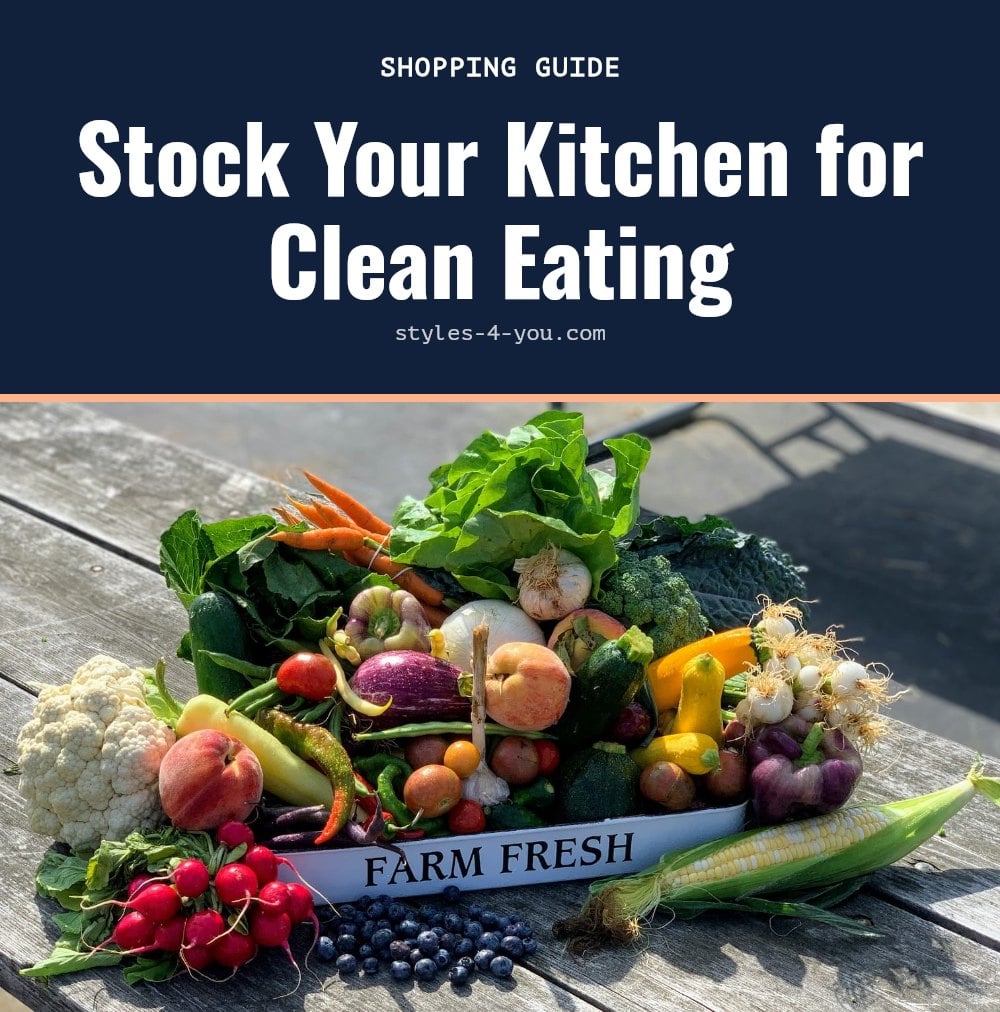
Stock your kitchen with these clean eating staples:
- Fresh fruits and vegetables: Aim for a colorful variety to get a range of nutrients.
- Lean proteins: Chicken, fish, eggs, and legumes like beans and lentils.
- Whole grains: Oats, quinoa, brown rice, and whole-wheat bread.
- Healthy fats: Avocados, nuts, and olive oil.
- Water: Keep plenty on hand for hydration throughout the day.
Step-by-Step: Transitioning to a Clean Eating Lifestyle
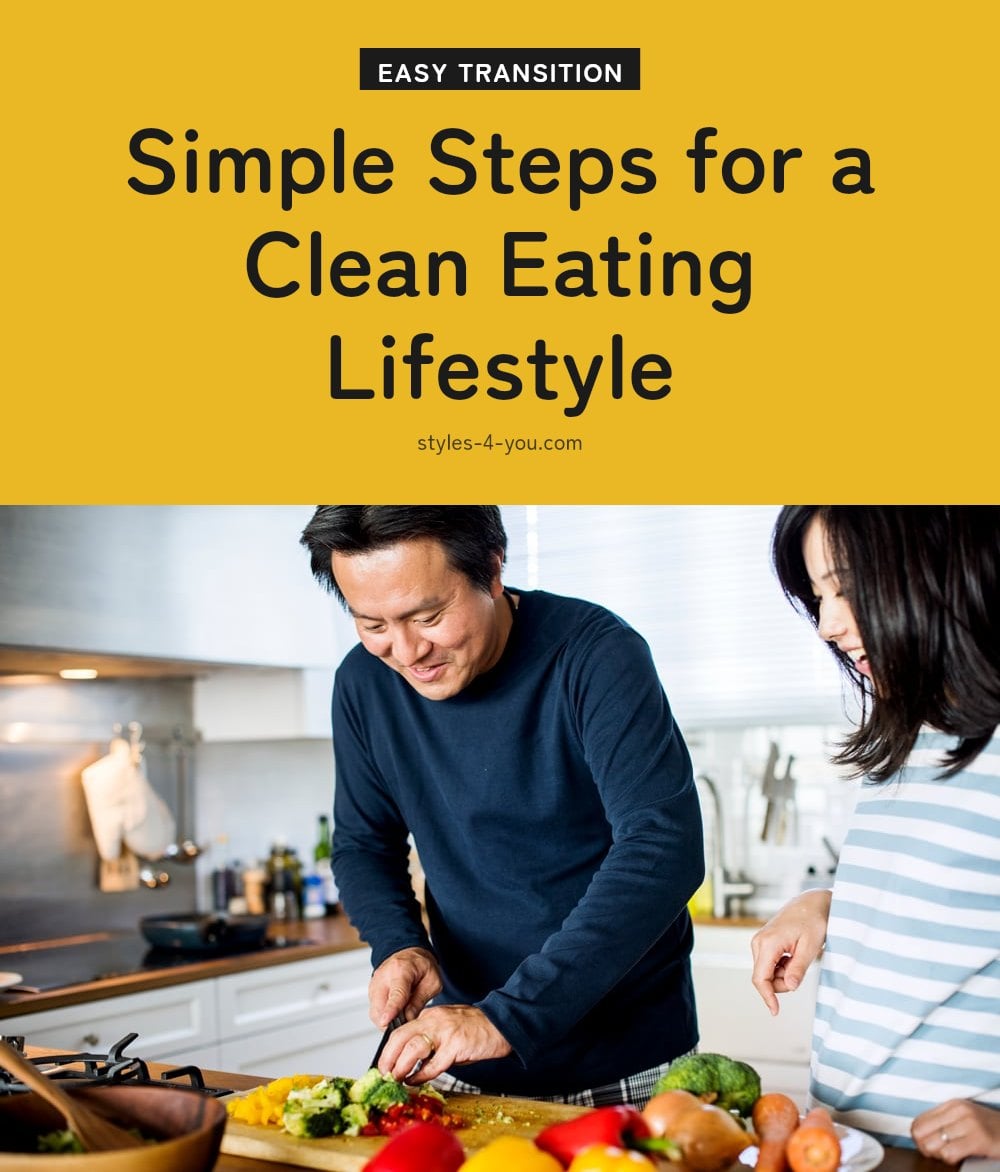
Shifting to clean eating doesn’t mean emptying your pantry overnight. The goal is steady progress, not perfection. Here is the step-by-step approach that I recommend.
- Replace gradually: Start by swapping one or two processed items each week. Trade white rice for quinoa, or a sugary cereal for plain oatmeal. This makes the transition manageable.
- Read every label: Scan ingredient lists for hidden sugars (like high-fructose corn syrup, agave, or cane sugar), artificial colors, and preservatives. If the list is long or full of words you don’t recognize, put it back.
- Plan your meals: Spend 20 minutes each Sunday mapping out breakfast, lunch, and dinner for the week. A plan keeps you from grabbing a packaged snack when hunger hits.
- Cook at home more: Preparing your own meals gives you full control over what goes in the pot. Start with three home-cooked dinners a week and build from there.
- Drink water first: Increase your water intake by starting each meal with a glass of water. Carry a reusable bottle so hydration becomes automatic.
- Build a colorful plate: At every meal, include at least one serving of vegetables, a lean protein, and a whole grain. The variety ensures you get a broad range of nutrients.
Understanding What to Avoid for Cleaner Eating
What to Cut Out
To eat cleaner, you’ll want to limit or avoid certain foods and ingredients.
- Highly processed foods: Most packaged snacks and fast food fall into this category.
- Refined sugars: Found in sodas, candies, pastries, and many processed foods.
- Artificial additives: Steer clear of artificial sweeteners, colors, and preservatives.
- Unhealthy fats: Reduce trans fats and excessive saturated fats, often in fried foods and processed baked goods.
My tip: Always check the ingredient list. If you can’t pronounce it, it’s probably best to avoid it.
Common Clean Eating Mistakes and How to Fix Them
Even with the best intentions, it’s easy to slip into habits that can slow your progress. Here are the most common clean eating mistakes and how to fix them.
- Over-restriction: Cutting out entire food groups like grains or dairy without a proper substitute can lead to nutrient gaps. Aim for balance, not elimination.
- Ignoring portion sizes: Nuts, avocado, and whole grains are healthy but calorie-dense. Use your hand as a guide, a palm-sized portion of protein, a fist of veggies, and a cupped hand of grains.
- Assuming ‘natural’ equals ‘clean’: Labels like “natural” or “organic” don’t guarantee the absence of added sugars or processed ingredients. Always read the ingredient list.
- Focusing only on raw foods: Cooking vegetables like spinach, carrots, and tomatoes can make some nutrients more available to your body. Don’t skip the stove.
- Not planning ahead: When you’re hungry and short on time, you’re more likely to grab whatever is fastest. A Sunday meal prep session of washed greens, cooked grains, and pre-portioned proteins can save you all week.
Practical Tips for Sustainable Clean Eating

Making clean eating stick comes down to small, repeatable habits. These are the ones I rely on most.
- Hydration is Key: Drink plenty of water throughout the day. My tip: Keep a water bottle on your desk or in your bag so you sip without thinking.
- Mindful Eating: Put your fork down between bites. Notice when you feel satisfied, not stuffed. Eating slowly gives your brain time to register fullness.
- Cook at Home: You control the oil, salt, and sugar when you make it yourself. Even five home-cooked dinners a week makes a difference.
- Prioritize Sleep: A tired body craves quick energy, often from sugar or refined carbs. Aim for 7-9 hours to keep your food choices on track.
- Shop the Perimeter: The outer aisles of most grocery stores hold produce, meat, dairy, and eggs. The middle aisles tend to house packaged, processed foods.
What to Expect: Timeline and Cost Considerations
Clean eating isn’t a quick fix, but the benefits build over time.
- Timeline for Results: Many people notice improved energy and digestion within two to four weeks of consistent clean eating. Blood sugar stability often follows.
- Long-Term Benefits: Sustained clean eating supports overall health, stable blood sugar, and better digestion due to higher fiber intake.
- Cost: It can be budget-friendly. Buy seasonal produce, cook at home, and purchase staples like oats, brown rice, and lentils in bulk.
- Investment: Think of it as an investment in your health. Reducing processed foods now may lower future healthcare costs related to diet-related conditions.
When to Consult a Professional About Your Diet
Clean eating is safe for most people, but certain situations call for professional guidance.
- Chronic Conditions: If you have diabetes, kidney disease, or take prescription medications, talk to your doctor or a registered dietitian before making major dietary changes.
- Pregnancy or Breastfeeding: Your nutrient needs are higher. A professional can help you ensure you and your baby get enough iron, calcium, and folate.
- Adverse Symptoms: If you experience fatigue, hair loss, or digestive issues after changing your diet, consult a healthcare professional to rule out deficiencies.
- Personalized Plan: A registered dietitian can tailor a clean eating approach to your specific health goals, food preferences, and lifestyle.
Frequently Asked Questions
Is clean eating suitable for weight loss?
Yes, clean eating can support weight loss because it naturally cuts out many high-calorie, low-nutrient processed foods and emphasizes nutrient-dense options. By focusing on whole foods, you may feel fuller on fewer calories, but it’s not a guaranteed weight loss plan. Pairing it with portion awareness and regular physical activity gives the best results.
Can I still eat out while clean eating?
Absolutely, you just need to be a bit more intentional. Look for grilled or baked proteins, steamed vegetables, and salads with dressing on the side. Ask about ingredients and request swaps like a side of fruit instead of fries. Many restaurants now offer whole-grain options and are happy to accommodate simple requests.
How long does it take to see results from clean eating?
Many people notice improved energy and digestion within two to four weeks of consistent clean eating. Blood sugar stability often follows after that. Long-term benefits like better overall health and sustained energy build over months, so patience and consistency are key.
What if I have dietary restrictions or allergies?
Clean eating is flexible enough to adapt to most dietary needs. If you avoid gluten, choose quinoa, brown rice, or certified gluten-free oats. For dairy-free diets, use unsweetened almond or oat milk and get calcium from leafy greens. Always read labels carefully, and if you have a medical condition like celiac disease or a serious allergy, consult a dietitian to ensure you’re meeting your nutrient needs.
Final Thoughts
My best piece of advice is to start small. Pick one meal a day to make from whole ingredients, or swap out one processed snack for a piece of fruit. Clean eating is a gradual shift, not an overnight overhaul. Most people notice better energy and digestion within a few weeks, but the real payoff comes from consistency over months. Keep it simple, listen to your body, and let the progress build on itself.
This article is for informational purposes only and is not a substitute for professional medical advice. Clean eating may not be appropriate for everyone, especially those with chronic health conditions or specific dietary needs. Always consult a doctor or registered dietitian before making significant changes to your diet, particularly if you are pregnant, breastfeeding, or managing a medical condition.
More Blog ideas
- Your Essential Guide to a Healthy Feminine Hygiene Routine
- Best High Protein Foods to Eat Daily for Health and Energy
- Feeling Stuck: 12 Small Steps to Get Unstuck
- Winter Skin Survival Tips
- How to Get a Flat Stomach
- How to Fix Damaged Hair and Restore Its Health
- Full-Body Kettlebell Workout
- Dry Scalp vs. Dandruff
- Full Body Workout for Beginners
- 21 Easy Beauty Tips Every Woman Should Know
- Feminine Energy: 15 Daily Habits to Feel More Radiant
- Upper Body Workout for Women at Home