How to Effectively Remove Dark Spots on Your Face
Learn how to effectively remove dark spots on your face with proven methods and expert tips. Get a clearer, more even skin tone.

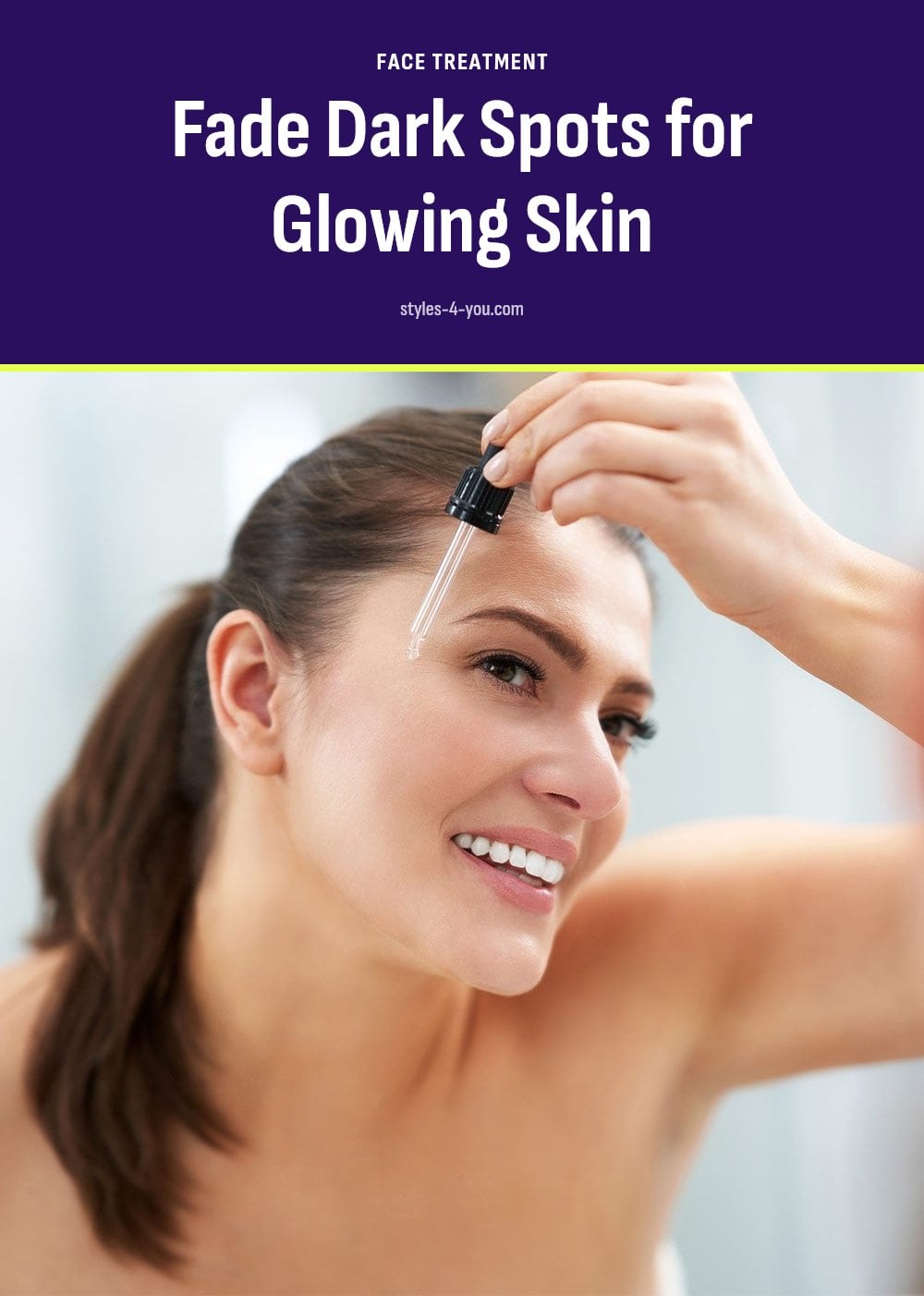
Dark spots on your face can feel stubborn, but understanding what causes them is the first step to fading them. Whether you are dealing with sunspots, post-acne marks, or melasma, the right combination of sunscreen, targeted ingredients, and patience can make a real difference. This article breaks down the main types of dark spots, the most effective topical and professional treatments, and the common mistakes to avoid so you can see clearer, more even skin over time.
Key Takeaways
- Use broad-spectrum sunscreen with SPF 30 or higher every single day to prevent new spots.
- Topical ingredients like vitamin C, retinoids, and niacinamide can lighten spots over 4 to 12 weeks.
- Professional treatments such as chemical peels or laser therapy may work faster but require a qualified provider.
- Avoid picking at blemishes and over-exfoliating, as both can worsen hyperpigmentation.
- Consult a dermatologist if spots persist for months or change in appearance.
Understanding Dark Spots and Why They Appear
Dark spots, also called hyperpigmentation, are patches where your skin produces extra melanin. They can appear as sunspots from UV exposure, post-inflammatory hyperpigmentation (PIH) after acne or injury, or melasma triggered by hormones. Fading them requires a combination of targeted ingredients like vitamin C or retinoids and, most importantly, daily sun protection. Without sunscreen, spots tend to darken and spread.
The Main Reasons Dark Spots Form on Your Skin
Three main types of dark spots have distinct triggers, and knowing which one you have helps you choose the right approach.
Sunspots
Years of sun exposure cause these flat brown patches, often on the face, hands, and chest. UV rays stimulate melanin production, and sunspots can worsen with continued exposure.
Post-inflammatory hyperpigmentation (PIH)
After acne, a cut, or a rash, the skin produces excess melanin in the healing area. This is why picking at blemishes often leaves dark marks that linger for months.
Melasma
Hormonal changes from pregnancy, birth control, or hormone therapy can trigger melasma, especially when combined with sun exposure. It appears as larger, symmetrical patches on the cheeks, forehead, or upper lip.
Effective Topical Treatments for Fading Dark Spots
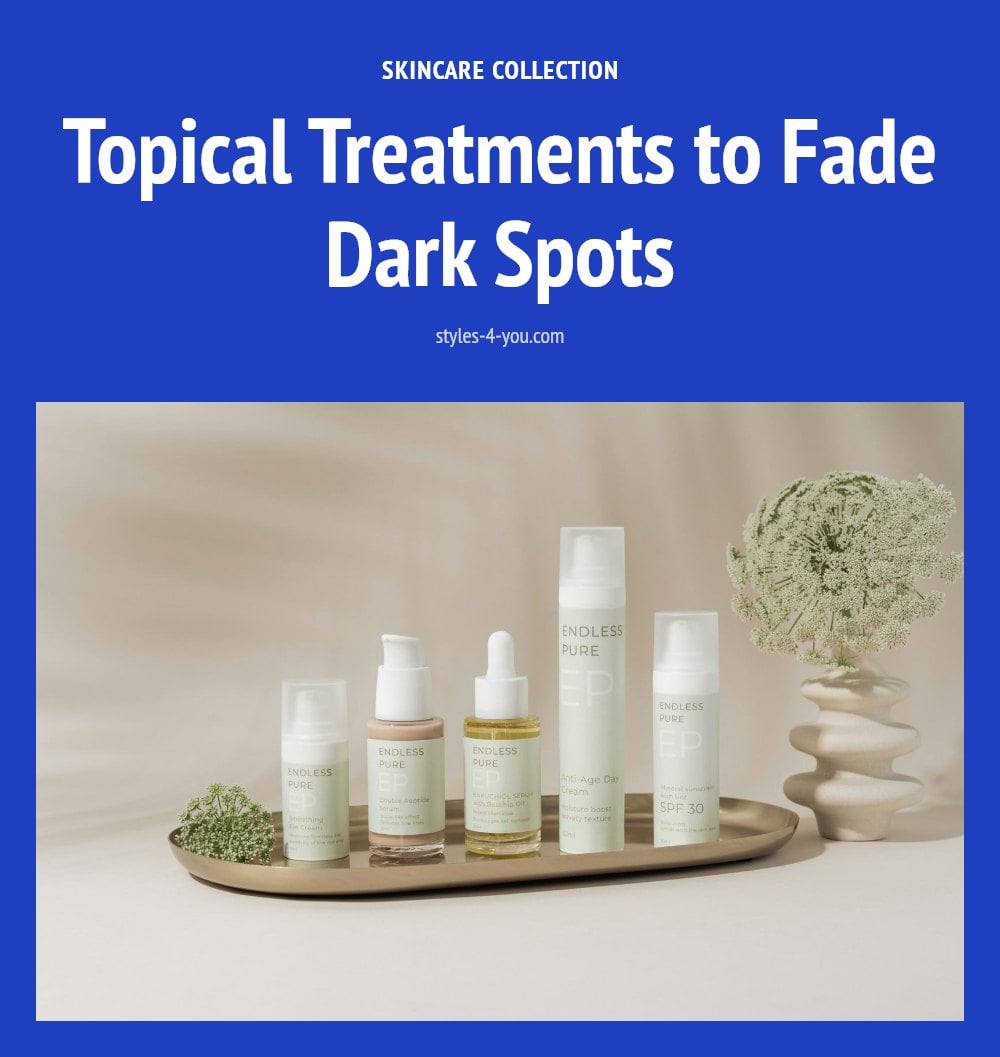
Several topical ingredients are proven to lighten dark spots, but they work in different ways and at different speeds.
Hydroquinone
Considered the gold standard for hyperpigmentation, hydroquinone blocks the enzyme that produces melanin. It is available over-the-counter in low strengths (2%) and by prescription in higher ones. Use it only under medical supervision, as long-term or improper use can cause side effects. Caution: It can irritate sensitive skin, so start with a patch test.
Retinoids
Retinol (OTC) and tretinoin (prescription) speed up cell turnover, pushing pigmented cells to the surface faster. They also improve skin texture. Expect some dryness and peeling in the first weeks, so apply a pea-sized amount at night and moisturize.
Vitamin C and Niacinamide
Both are antioxidants that brighten and even out skin tone. Vitamin C (in the form of L-ascorbic acid) inhibits melanin production, while niacinamide blocks pigment transfer to skin cells. They are gentle enough for daily use, but vitamin C can be unstable, so choose a dark bottle and use it in the morning.
AHAs and Azelaic Acid
Alpha hydroxy acids (like glycolic and lactic acid) exfoliate the top layer, shedding pigmented cells. Azelaic acid reduces melanin production and also calms inflammation, making it a good option for PIH. Both can cause mild stinging, so start with lower concentrations.
Kojic Acid and Licorice Root Extract
Derived from fungi and licorice root, these natural ingredients inhibit melanin synthesis. They are gentler than hydroquinone, though results may be slower. They work well in combination with other actives.
My tip: Introduce one new active at a time and use it for at least 8 weeks before judging results. Vitamin C is an exception: you can start it daily from day one, as it is generally well-tolerated and works best with consistent morning use. Always patch test on your jawline and wait 24 hours to check for reactions.
Comparing Professional Treatments for Dark Spots
If topical products aren’t enough, a dermatologist can offer stronger in-office procedures. These deliver faster results but come with higher risks if performed by someone unqualified.
| Treatment | What It Does | Best For | Downsides |
|---|---|---|---|
| Chemical peels | Exfoliate top skin layers with acids | Sunspots, PIH | Redness, peeling, risk of burns |
| Laser therapy | Targets pigment with light energy | Stubborn spots, melasma | Higher cost, possible darkening |
| Microdermabrasion | Gently removes surface cells | Mild spots, texture | Minimal downtime, but lighter effect |
Always choose a board-certified dermatologist or licensed professional. Improper technique can cause burns, scarring, or worsened pigmentation.
Common Mistakes to Avoid When Treating Dark Spots
Skipping sunscreen: No treatment will work if you skip daily broad-spectrum SPF 30+. Sun exposure triggers new melanin and darkens existing spots, undoing all your effort. Apply it every morning, even on cloudy days or when you’re indoors near windows.
Expecting quick fixes: Dark spots fade slowly. Give it at least three months of consistent use before judging results, and full fading can take 6 months or longer. Stopping too soon because you don’t see instant results is the most common reason treatments fail.
Over-exfoliating: Using too many strong actives like AHAs, retinoids, and vitamin C at once can irritate your skin, which actually worsens hyperpigmentation. Stick to one or two actives at a time and always follow with moisturizer.
Picking at blemishes: Touching or squeezing acne creates inflammation, which leads to new post-inflammatory hyperpigmentation. Let spots heal naturally or use a spot treatment.
Self-diagnosing: Sunspots, PIH, and melasma respond to different treatments. If you’re not sure what type you have, a dermatologist can identify it and recommend the right approach.
Preventing New Dark Spots and Maintaining Clear Skin
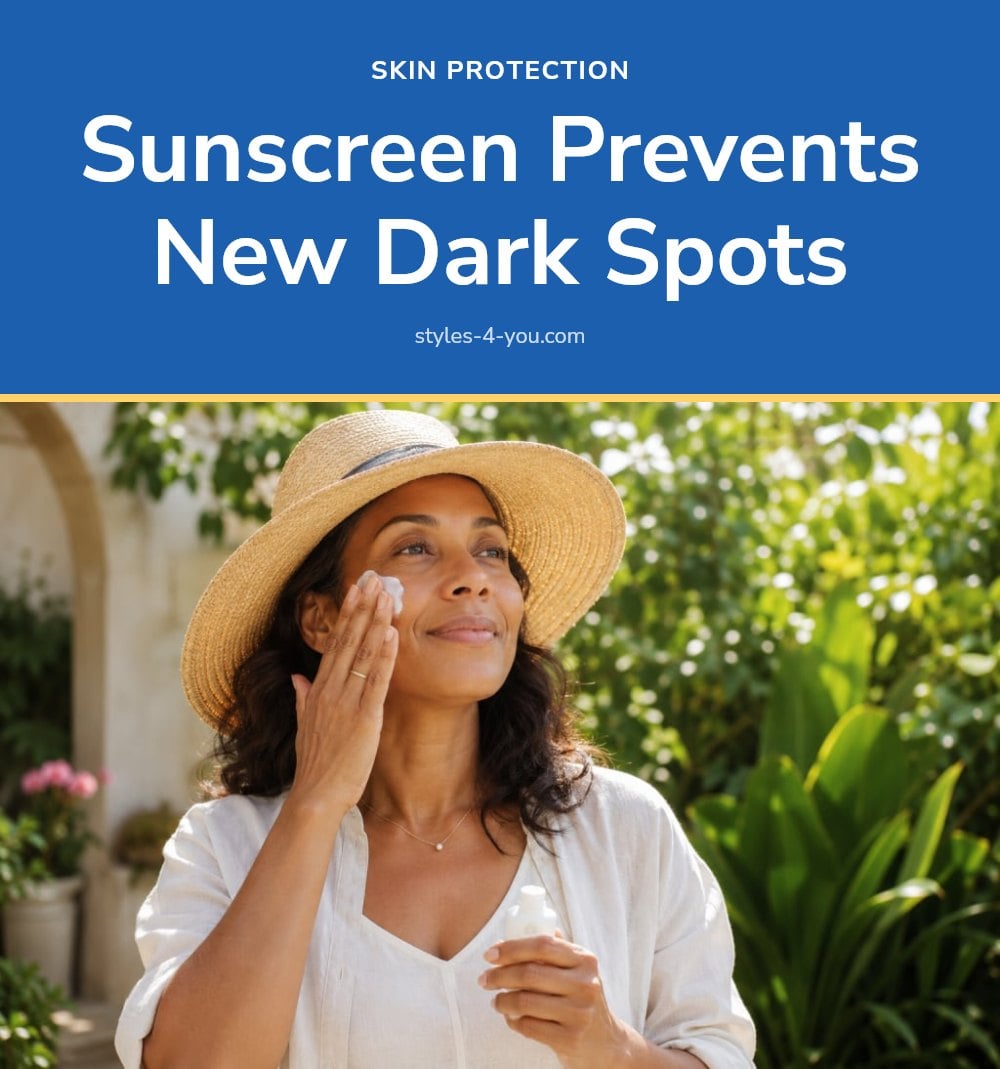
Prevention starts with daily broad-spectrum sunscreen at SPF 30 or higher, even on cloudy days and when you are indoors near windows. UV rays pass through glass and trigger new melanin production, so make it the last step of your morning routine.
When you head outside, add a wide-brimmed hat and sunglasses for extra coverage on your face, neck, and ears. These areas get the most sun and are the most prone to new spots.
Do not pick at acne, scabs, or any blemish. Every squeeze creates inflammation, and that inflammation often turns into a fresh dark mark that takes months to fade.
Tip: Use a vitamin C serum every morning under your sunscreen. It neutralizes free radicals from UV exposure and helps prevent pigment from forming in the first place.
What to Expect: Treatment Timelines and Costs
Consistency matters more than intensity. Most topical treatments show the first visible lightening within 4 to 12 weeks, so give your routine at least three months before judging results. Full fading often takes 6 months to a year or longer. Deeper spots, like old sunspots or stubborn melasma, sit lower in the skin, so they respond slower than fresh PIH.
Professional procedures, such as chemical peels or laser sessions, can speed things up, sometimes showing noticeable change after just a few visits. You will still need maintenance and sun protection to keep results.
Costs vary widely. Drugstore serums and creams sit at the low end, while prescription-strength formulas and in-office procedures fall into higher tiers. Budget for multiple product refills or a series of sessions, since one round rarely finishes the job.
When to Consult a Dermatologist for Dark Spots
If your dark spots have stayed the same for months despite consistent use of over-the-counter products, it is time to see a dermatologist. They can identify whether you are dealing with sunspots, melasma, or something else, since each type responds to different treatments.
You should also book an appointment if you are considering professional procedures like chemical peels or laser therapy. These require trained hands to avoid burns or scarring.
Caution: See a doctor right away if any spot changes in size, shape, color, or texture, or if it becomes itchy or bleeds. These changes can signal a serious condition that needs evaluation.
Frequently Asked Questions
Can dark spots come back after treatment?
Yes, dark spots can return if your skin is exposed to UV rays without protection or if the underlying trigger, such as hormonal changes, is still present. Consistent daily sunscreen use and ongoing maintenance with gentle brightening ingredients help keep them from reappearing.
Are natural remedies effective for dark spots?
Some natural ingredients like licorice root extract and kojic acid are believed to have mild skin-lightening effects, but their results vary and are generally less predictable than clinical treatments. If you prefer a natural option, look for these in a serum or cream and pair it with sunscreen for the best chance of improvement.
What is the most common cause of dark spots?
Sun exposure is the most common cause of dark spots, especially sunspots. UV rays trigger an overproduction of melanin, and over time, repeated exposure leads to flat brown patches on the face, hands, and chest. Sun exposure can also worsen other types of hyperpigmentation, including melasma and post-inflammatory dark marks.
Can I prevent dark spots from forming?
Yes, prevention is possible with daily broad-spectrum sunscreen of SPF 30 or higher, even on cloudy days and when you are indoors near windows. Wearing protective clothing and a wide-brimmed hat outdoors also helps. Additionally, avoid picking at acne or scabs, as this can lead to post-inflammatory hyperpigmentation.
What causes dark spots on the face?
Dark spots are caused by an overproduction of melanin in specific areas of the skin. Common triggers include sun exposure (sunspots), inflammation from acne or injury (post-inflammatory hyperpigmentation), and hormonal changes like pregnancy or birth control pills (melasma). Genetics and skin tone can also influence how easily dark spots develop.
Final Thoughts
Consistency is your strongest ally when treating dark spots. Stick with a daily routine that includes broad-spectrum sunscreen and one or two well-chosen active ingredients, and give it at least three months before judging results. Full fading can take six months to a year, especially for deeper spots. Keep your expectations realistic, protect your skin every day, and you will see progress over time.
This article is for informational purposes only and does not constitute medical or dermatological advice. Dark spots can have various causes, and some may require professional evaluation. If you have persistent, changing, or concerning spots on your skin, please consult a board-certified dermatologist or healthcare provider.
More Blog ideas
- Your Essential Guide to a Healthy Feminine Hygiene Routine
- Best High Protein Foods to Eat Daily for Health and Energy
- Feeling Stuck: 12 Small Steps to Get Unstuck
- Winter Skin Survival Tips
- How to Get a Flat Stomach
- How to Fix Damaged Hair and Restore Its Health
- Full-Body Kettlebell Workout
- Dry Scalp vs. Dandruff
- Full Body Workout for Beginners
- 21 Easy Beauty Tips Every Woman Should Know
- Feminine Energy: 15 Daily Habits to Feel More Radiant
- Upper Body Workout for Women at Home






