Essential Yoga Poses for Beginners to Start Your Practice
Discover simple yoga poses for beginners to practice at home. Learn foundational movements to build flexibility, strength, and balance safely and effectively.

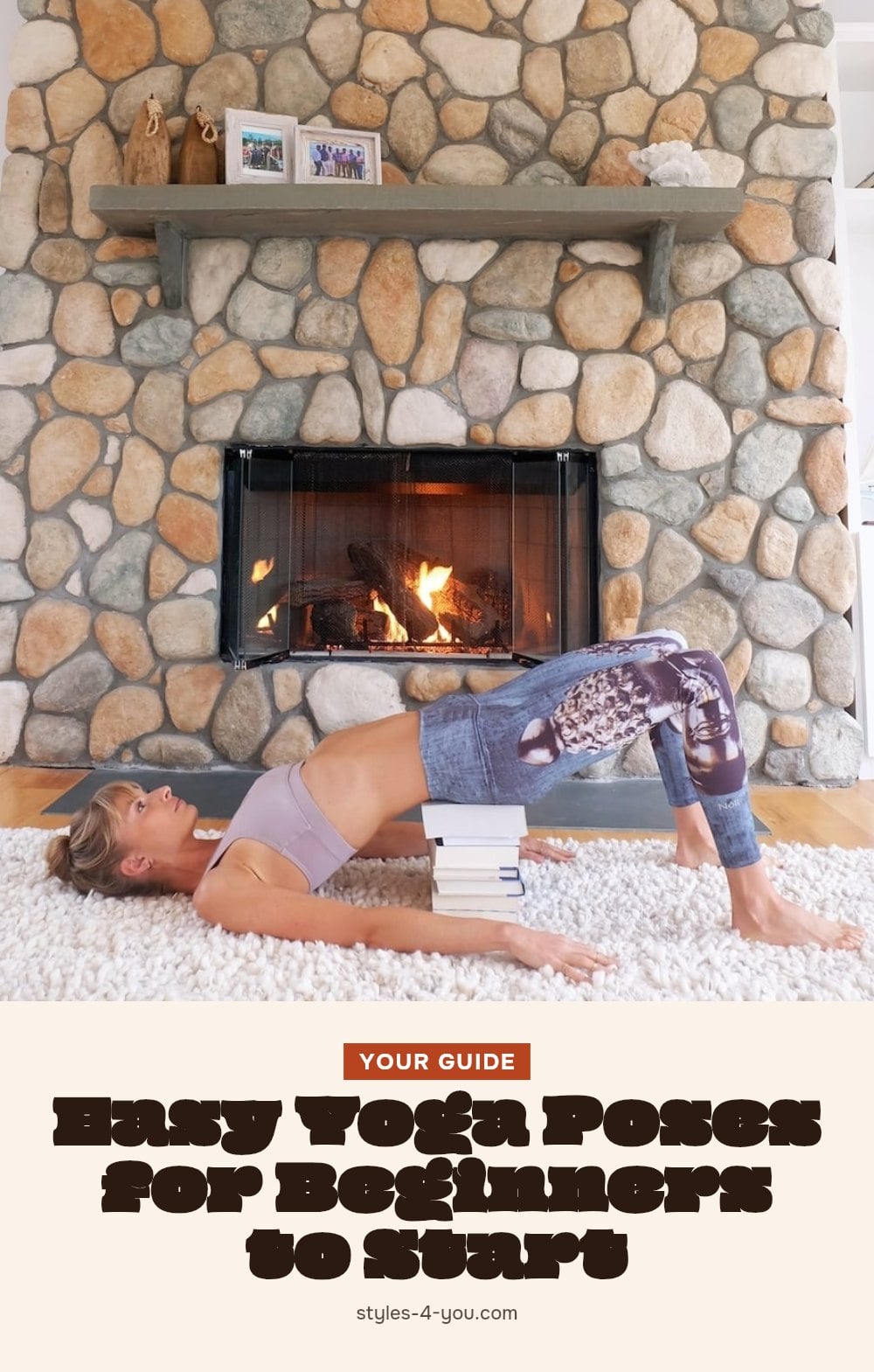
Starting yoga at home can feel overwhelming, but it doesn’t have to be. With a few simple poses and a bit of patience, you can build a practice that improves flexibility, strength, and balance. This article covers the essential beginner poses, gear you might need, and a simple weekly schedule to get you going.
Key Takeaways
- Start with 20-30 minute sessions, three times a week.
- Use props like blocks or straps to support your poses.
- Listen to your body and avoid sharp pain.
- Focus on your breath throughout each pose.
- Always end with Corpse Pose for relaxation.
Start Your Yoga Journey with These Beginner Poses
Starting yoga doesn’t require flexibility or experience. These foundational poses build strength, flexibility, and balance, and they’re accessible for all fitness levels. You can safely practice them at home with just a mat and comfortable clothes. Prioritize proper alignment and listening to your body over deep stretches. Consistent practice, even 20-30 minutes a few times a week, can bring significant physical and mental benefits. Focus on your breath and move slowly.
1. Mountain Pose (Tadasana)
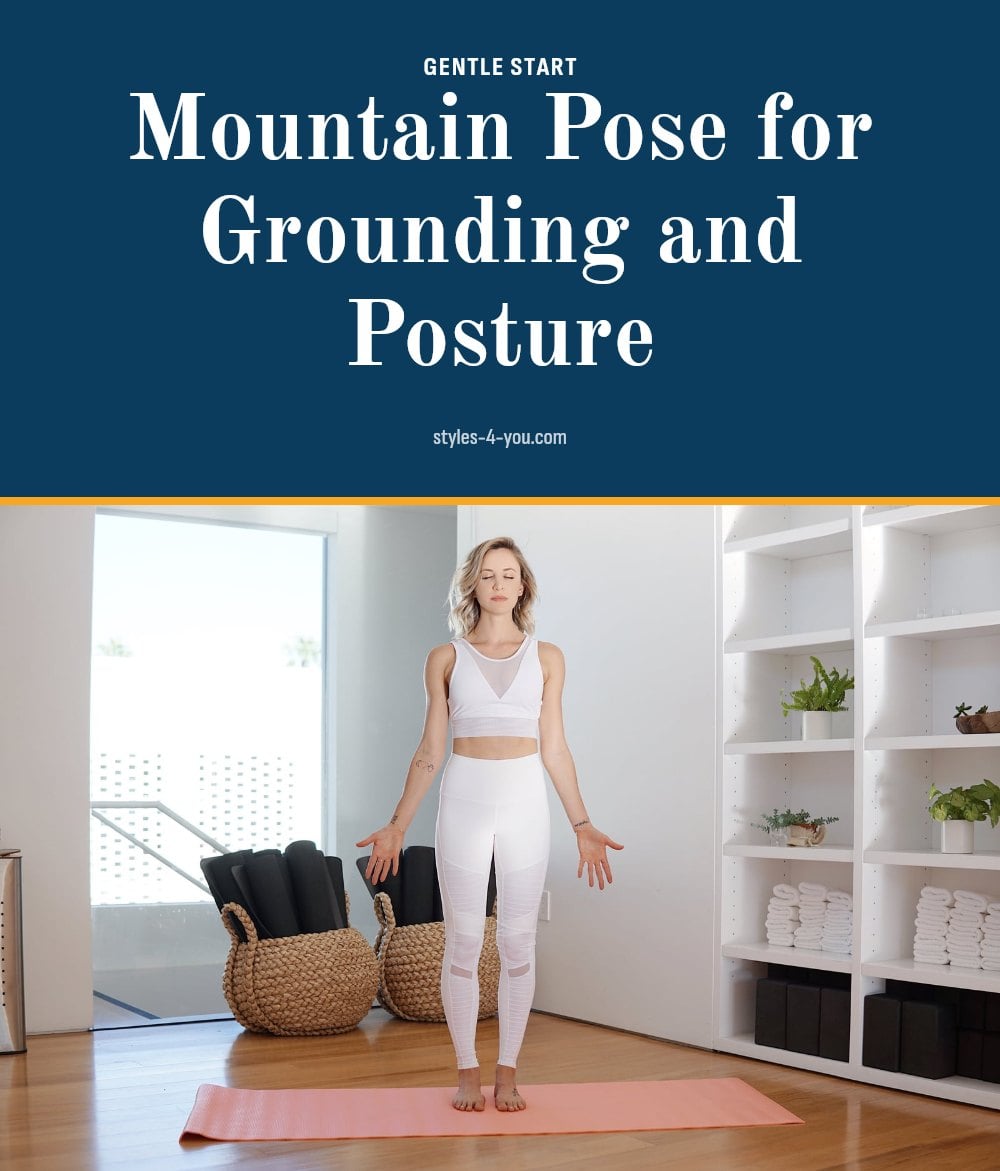
Mountain Pose is the foundational standing pose in yoga, teaching proper alignment. Stand tall with feet together or hip-width apart, grounding through all four corners of your feet. Engage your thighs, lift your kneecaps, and gently tuck your tailbone. Draw your shoulders back and down, lengthening through the crown of your head.
- Time: Hold for 30 seconds to 1 minute, breathing steadily.
- Form cue: Imagine a string pulling you up from the top of your head.
- Make it easier or harder: Place feet hip-width apart for more stability, or close your eyes to challenge balance.
2. Cat-Cow Pose (Marjaryasana-Bitilasana)
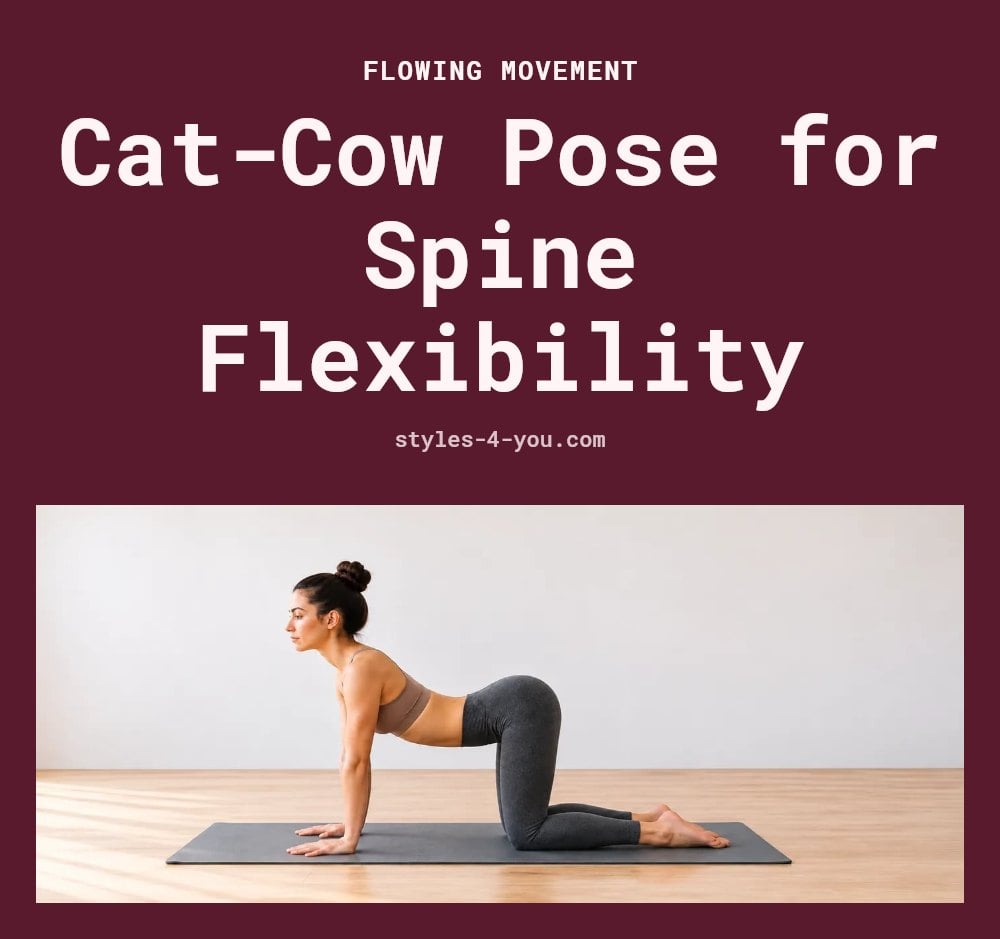
Cat-Cow warms up your back and improves spinal flexibility. Start on all fours with your wrists under your shoulders and knees under your hips. Inhale as you drop your belly, lift your chest and tailbone for Cow Pose. Exhale as you round your spine, tucking your chin to your chest for Cat Pose.
- Time: Flow between Cat and Cow for 5-10 breaths, syncing movement with breath.
- Form cue: Move slowly, letting each vertebra articulate.
- Make it easier or harder: Keep your neck neutral if it feels strained, or add a slight pelvic tilt for more mobility.
3. Downward-Facing Dog (Adho Mukha Svanasana)
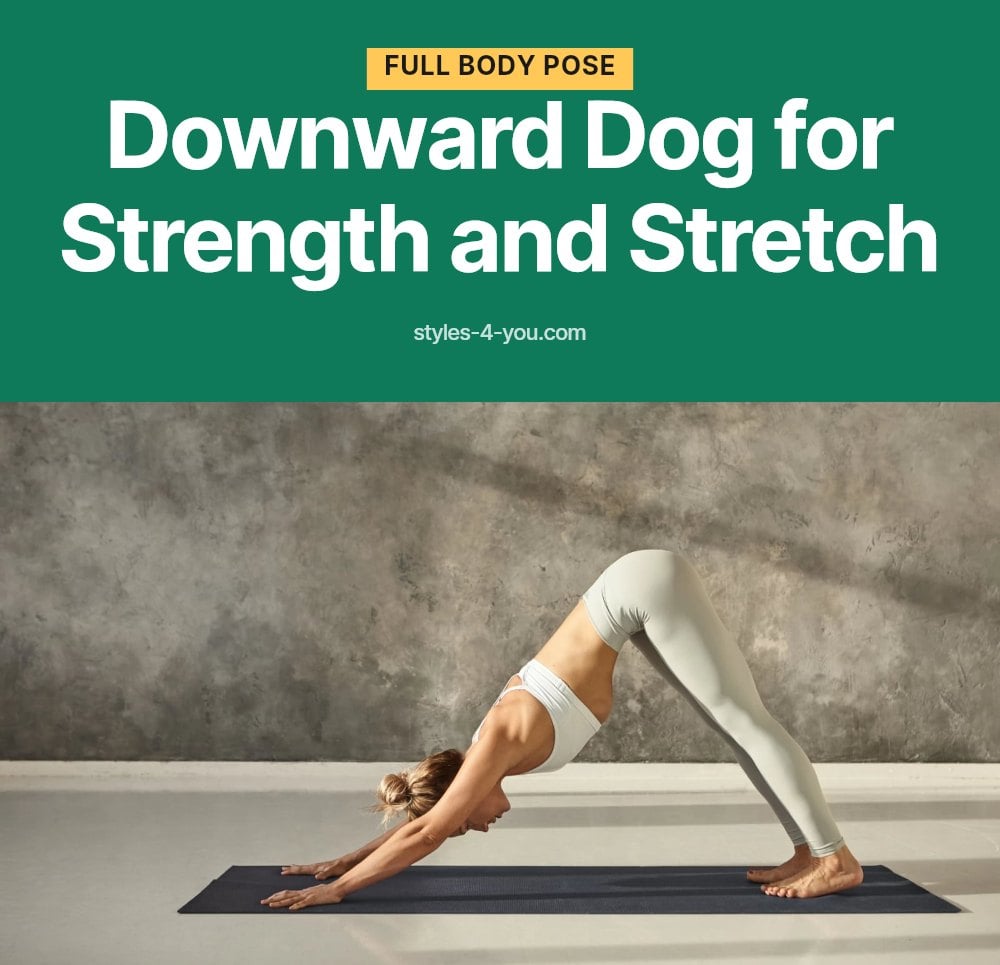
Downward-Facing Dog is a full-body stretch that strengthens and lengthens. From all fours, tuck your toes and lift your hips up and back, forming an inverted ‘V’ shape. Press through your hands, keep your arms straight, and lengthen your spine. Bend your knees as much as needed to keep your spine long; your heels don’t need to touch the floor.
- Time: Hold for 5-10 breaths, feeling the stretch through your back, shoulders, and hamstrings.
- Form cue: Push the floor away with your hands to avoid collapsing into your shoulders.
- Make it easier or harder: Walk your feet out wider for stability, or pedal your heels gently to deepen the calf stretch.
4. Warrior II (Virabhadrasana II)
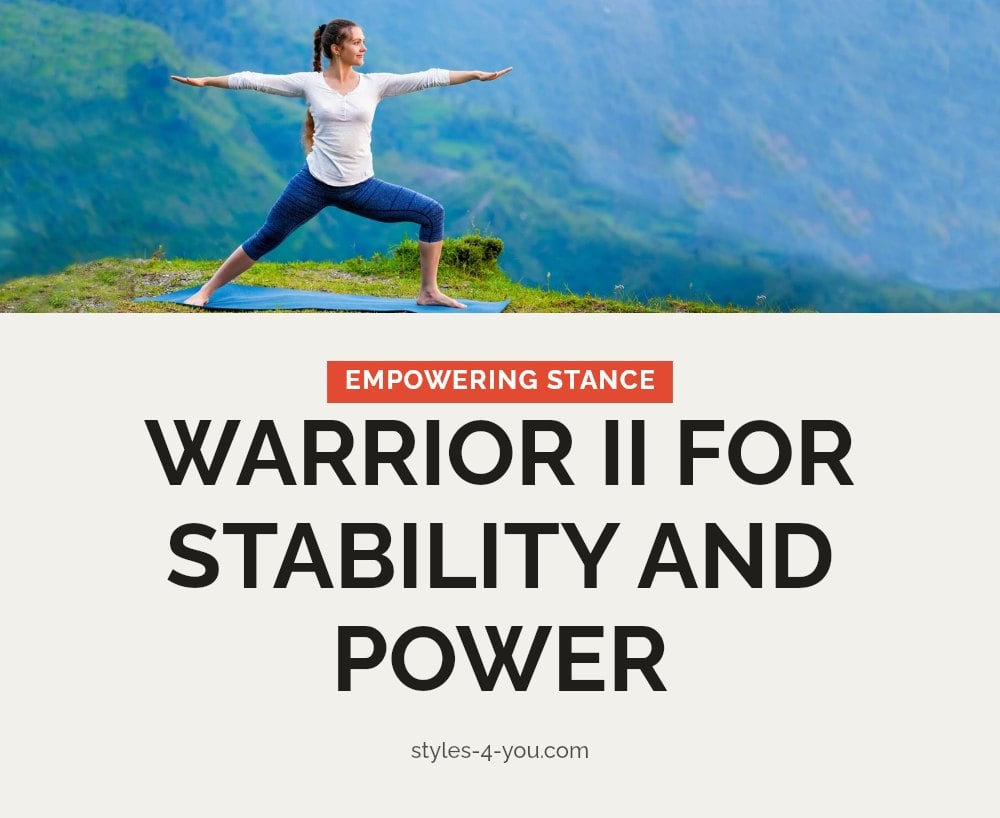
Warrior II builds strength in your legs and core while opening your hips. Step your feet wide apart, turn your right foot out 90 degrees and your left foot slightly in. Bend your right knee directly over your ankle, keeping your left leg straight and strong. Extend your arms parallel to the floor, gazing over your right fingertips.
- Time: Hold for 30 seconds to 1 minute on each side.
- Form cue: Keep your front knee stacked over your ankle, not beyond it.
- Make it easier or harder: Widen your stance for more stability or lower your hips to deepen the bend.
5. Tree Pose (Vrksasana)
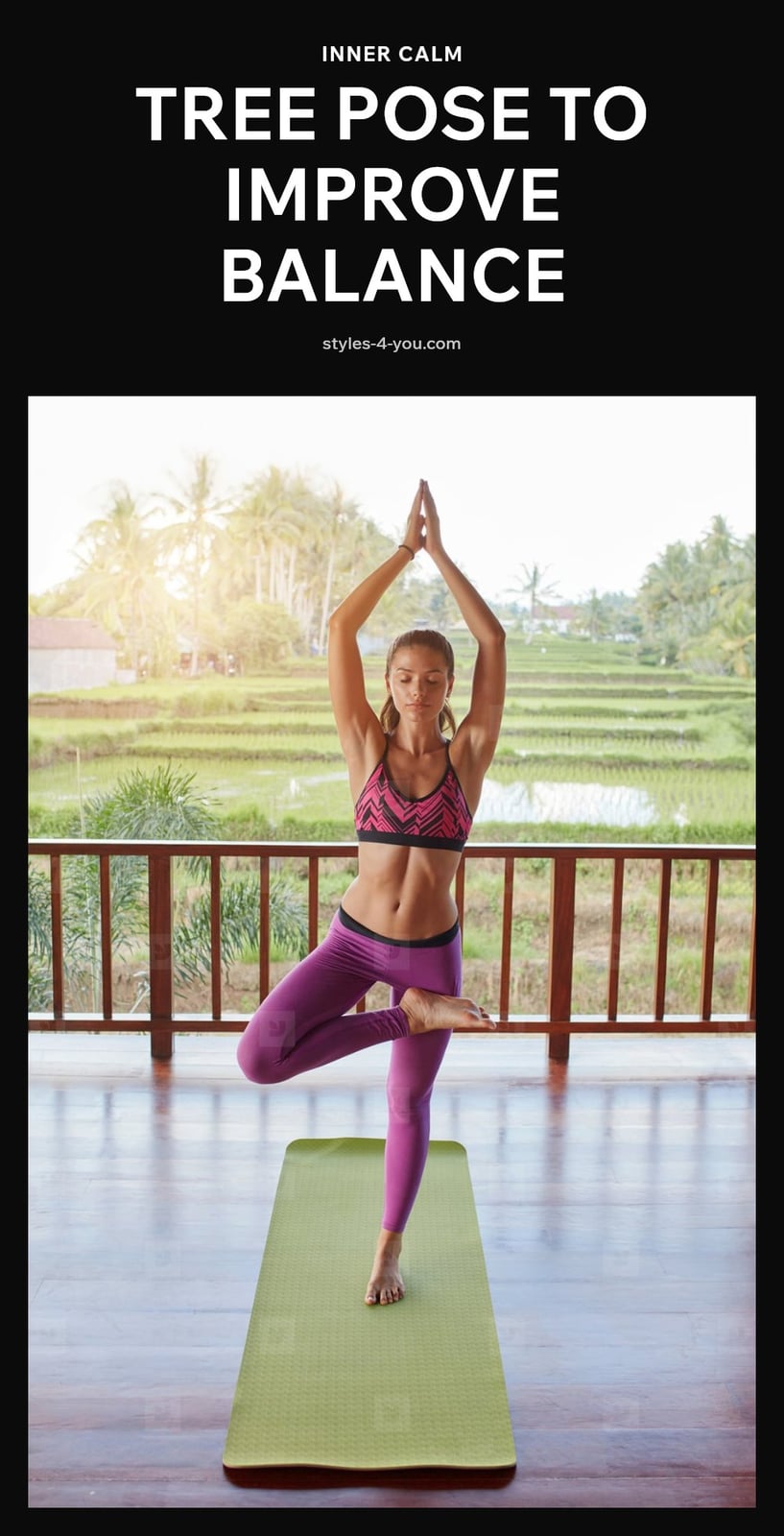
Tree Pose improves balance and focus by challenging your stability. Start in Mountain Pose, shift weight to your left foot. Place the sole of your right foot on your inner left ankle, calf, or inner thigh, avoiding the knee. Bring your hands to prayer at your heart or extend them overhead.
- Time: Hold for 30 seconds to 1 minute on each side.
- Form cue: Fix your gaze on a still point in front of you to steady your balance.
- Make it easier or harder: Keep your foot on your ankle for more support, or raise your arms overhead for a greater challenge.
6. Child’s Pose (Balasana)
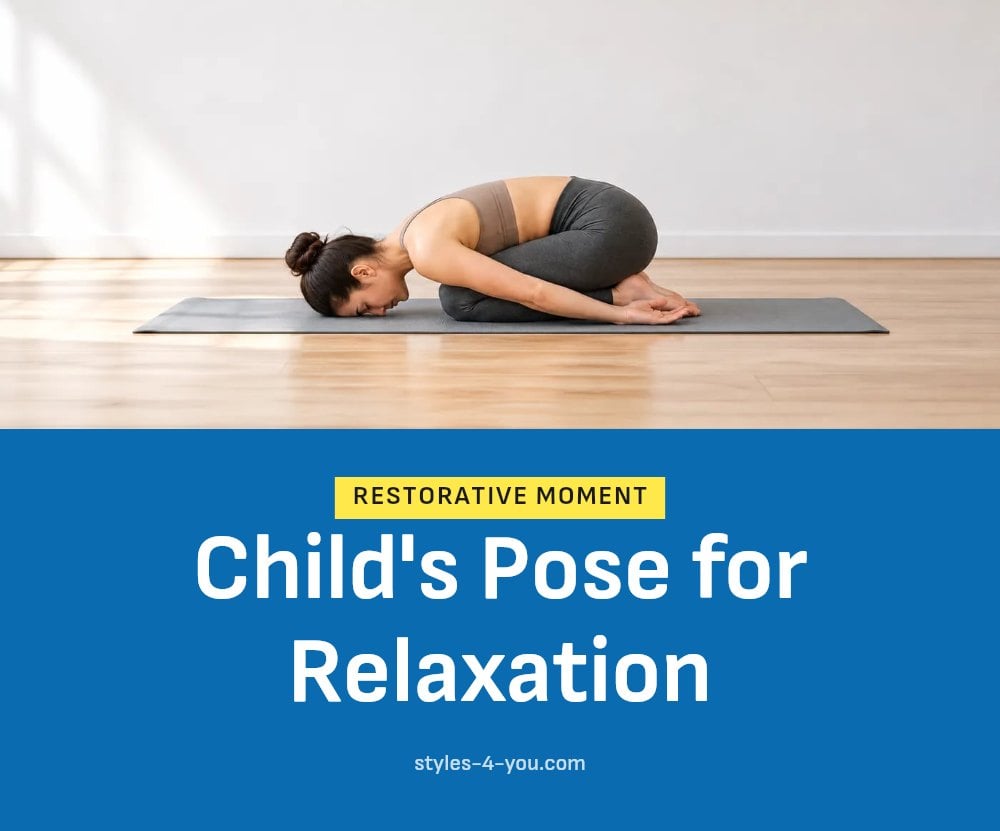
Child’s Pose is a resting pose you can use to reset or relax at any point during your practice. Kneel on your mat with your big toes touching and knees wide or together. Fold forward, resting your torso between or on your thighs and your forehead on the mat. Extend your arms forward or rest them alongside your body.
- Time: Hold for several minutes, breathing deeply.
- Form cue: Keep your hips heavy and allow your spine to lengthen with each exhale.
- Make it easier or harder: Place a folded blanket under your knees for cushioning, or bring your knees closer together for a deeper stretch.
7. Corpse Pose (Savasana)
Corpse Pose is the final resting pose for relaxation and integration of your practice. Lie flat on your back with your legs extended and arms alongside your body, palms facing up. Allow your feet to fall open naturally and your body to relax completely. Close your eyes and focus on your breath, letting go of any tension.
- Time: Stay in Savasana for 5-10 minutes.
- Form cue: Let your shoulders soften and your jaw unclench.
- Make it easier or harder: Place a rolled blanket under your knees for extra comfort, or add a gentle neck stretch by turning your head side to side.
Essential Gear for Your Home Yoga Practice
A non-slip yoga mat is your most important piece of gear. It prevents your hands and feet from sliding and provides cushion for your joints. Look for one that stays put on your floor.
Tip: Yoga blocks are optional but helpful. Place one under your hand in poses like Downward-Facing Dog if you can’t reach the floor comfortably. A yoga strap extends your reach in seated stretches. You can also use a belt or towel as a substitute.
Comfortable clothing matters. Wear stretchy pants and a fitted top that stays in place when you bend or invert. Avoid anything too loose that could bunch up or block your view of your feet.
Your Weekly Beginner Yoga Schedule
Consistency matters more than session length. Aim for two to three sessions per week, each lasting 20-30 minutes. This schedule gives you a balanced start without overwhelming your body.
| Day | Focus | Poses to Include |
|---|---|---|
| Day 1 | Foundation and breath | Mountain, Cat-Cow, Child’s Pose |
| Day 2 | Strength and balance | Warrior II, Tree Pose, Downward-Facing Dog |
| Day 3 | Full flow and relaxation | All poses above, Corpse Pose for 5 minutes |
Good to know: Repeat this weekly cycle for at least three weeks. Listen to your body and skip or modify any pose that feels sharp or painful. Short sessions are fine if you are tired or sore. The goal is to build a habit, not to perfect every pose.
Frequently Asked Questions
How often should a beginner practice yoga?
For beginners, practicing two to three times a week is a great starting point. This frequency allows your body to adapt and recover while building a consistent habit. Each session can be 20 to 30 minutes long. As you become more comfortable, you can increase the frequency if you wish.
Do I need special equipment to start yoga?
You don’t need much to begin. A non-slip yoga mat is helpful for comfort and safety, but you can use a towel or carpeted floor. Optional props like blocks, straps, or a blanket can support your practice, but they are not necessary. Wear comfortable clothing that allows movement.
What is the best time of day to practice yoga?
The best time is whenever you can be consistent. Many people find morning practice helps energize the day, while others prefer evening to unwind. Avoid practicing on a full stomach. The key is to choose a time you can stick with regularly.
Can yoga help with weight loss?
Yoga can support weight loss by building strength and improving mindfulness, which may encourage healthier choices. However, it is not a high-calorie burner compared to cardio. For weight loss, combine yoga with a balanced diet and other physical activities.
Is yoga safe for everyone?
Yoga is generally safe, but it is important to consult a doctor before starting, especially if you have health conditions or injuries. Avoid poses that cause sharp pain. Pregnant individuals or those with conditions like high blood pressure should avoid certain poses. Always listen to your body.
Final Thoughts
My tip: pick just three poses from this list and practice them for a week. You will feel more confident and ready to add more. With consistent practice, you can expect noticeable improvements in flexibility and strength within a few weeks. Remember, the goal is not perfection but showing up for yourself.
This article is for general information only and is not a substitute for professional medical advice. Always consult a doctor or qualified instructor before beginning any new exercise program, especially if you have health concerns. Stop if you feel pain or discomfort and seek guidance for persistent issues.
More Blog ideas
- Your Essential Guide to a Healthy Feminine Hygiene Routine
- Best High Protein Foods to Eat Daily for Health and Energy
- Feeling Stuck: 12 Small Steps to Get Unstuck
- Winter Skin Survival Tips
- How to Get a Flat Stomach
- How to Fix Damaged Hair and Restore Its Health
- Full-Body Kettlebell Workout
- Dry Scalp vs. Dandruff
- Full Body Workout for Beginners
- 21 Easy Beauty Tips Every Woman Should Know
- Feminine Energy: 15 Daily Habits to Feel More Radiant
- Upper Body Workout for Women at Home






