11 Expert Tips for Managing Oily Skin Effectively
Struggling with oily skin? Discover 12 expert tips to control shine, minimize pores, and prevent breakouts for a healthier, balanced complexion.

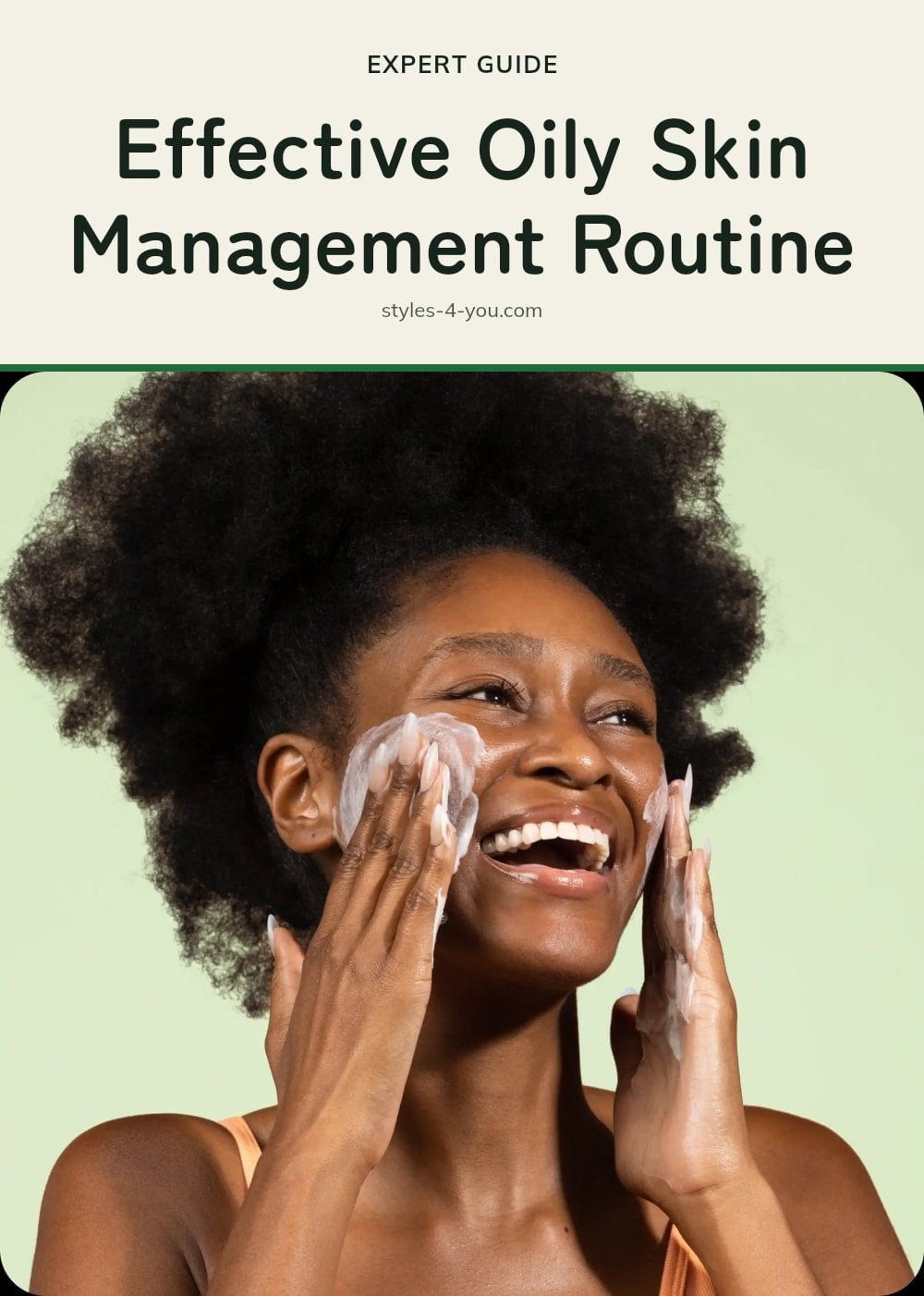
You know the feeling: you wash your face, and a few hours later it looks shiny again. Your makeup slides off by lunchtime, and your pores seem to get bigger every week. I have been there, and I know how frustrating it can be. The good news is that a few simple changes to your routine can help you manage excess oil without stripping your skin or making things worse. This article covers the causes of oily skin and 11 practical, expert-backed tips to keep shine in check and your skin balanced.
Key Takeaways
- Cleanse gently twice daily with a sulfate-free foaming or gel cleanser.
- Never skip moisturizer; a lightweight, oil-free, non-comedogenic formula helps regulate oil.
- Use salicylic acid (BHA) to exfoliate inside pores and niacinamide to control sebum production.
- Blot midday shine with papers instead of rubbing or adding powder.
- Wear broad-spectrum SPF 30+ every day; sun exposure can trigger more oil later.
What Causes Oily Skin and How to Manage It
Oily skin happens when your sebaceous glands produce too much sebum, the natural oil that protects your skin. That excess leads to shine, enlarged pores, and a higher chance of breakouts. The key is not to fight your skin but to balance it. A consistent routine with gentle cleansing, lightweight hydration, and non-comedogenic products helps regulate oil without stripping your skin and triggering even more production.
1. Cleanse Gently, Twice Daily

Washing your face morning and night is non-negotiable, but how you do it matters. Use a gentle foaming or gel cleanser that removes excess oil, dirt, and makeup without leaving your skin tight or dry.
- Choose wisely: Look for a sulfate-free formula that cleans without stripping.
- Don’t overdo it: Washing more than twice a day or using harsh cleansers can backfire. Your skin may sense it’s dry and pump out even more oil to compensate.
2. Don’t Skip Moisturizer
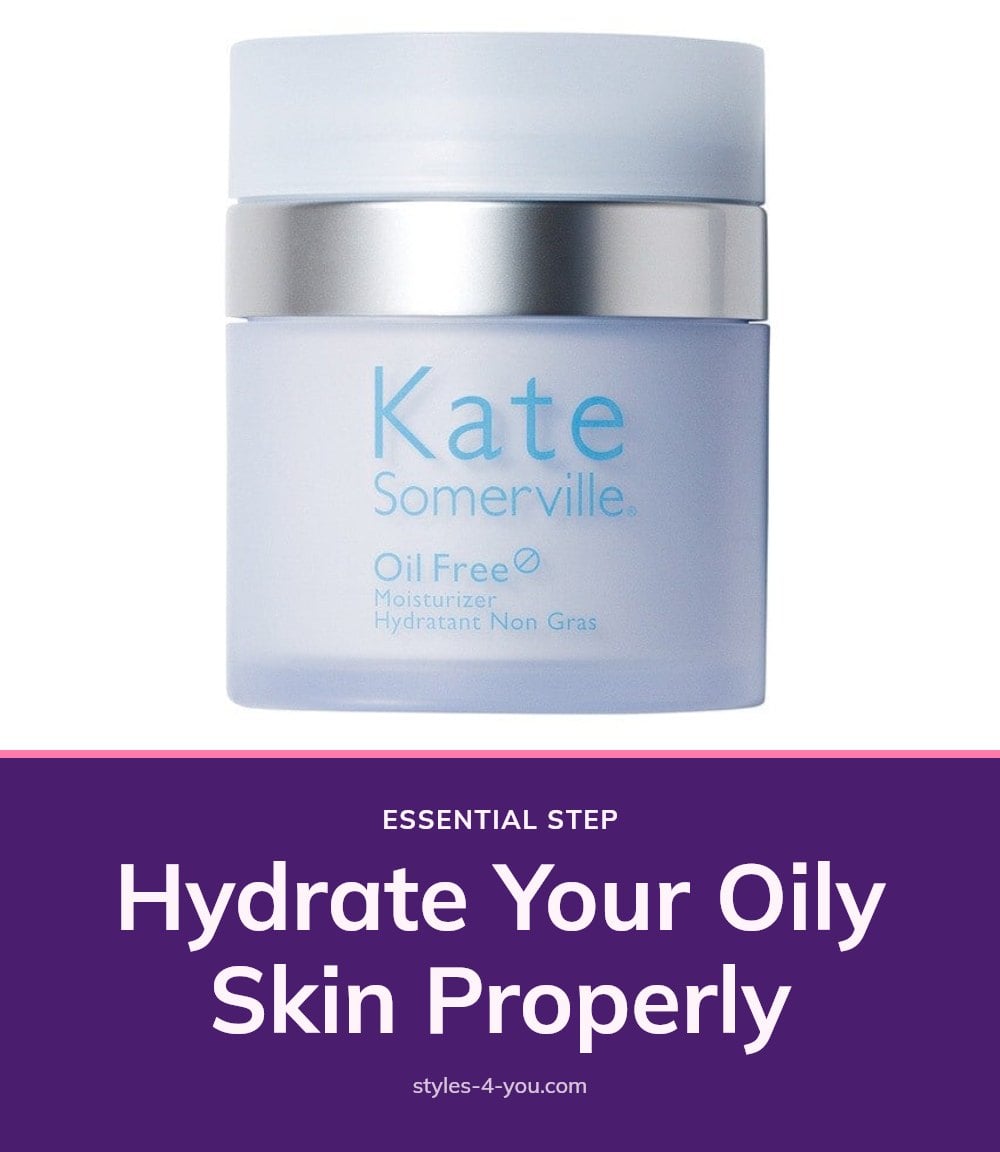
Many people with oily skin skip moisturizer, thinking it will make things worse. That is a mistake. Without hydration, your skin can become dehydrated and respond by producing more oil to protect itself.
- Pick the right formula: A lightweight, oil-free, non-comedogenic moisturizer hydrates without clogging pores.
- Apply on damp skin: This helps lock in moisture and keeps your skin barrier balanced.
3. Incorporate Salicylic Acid
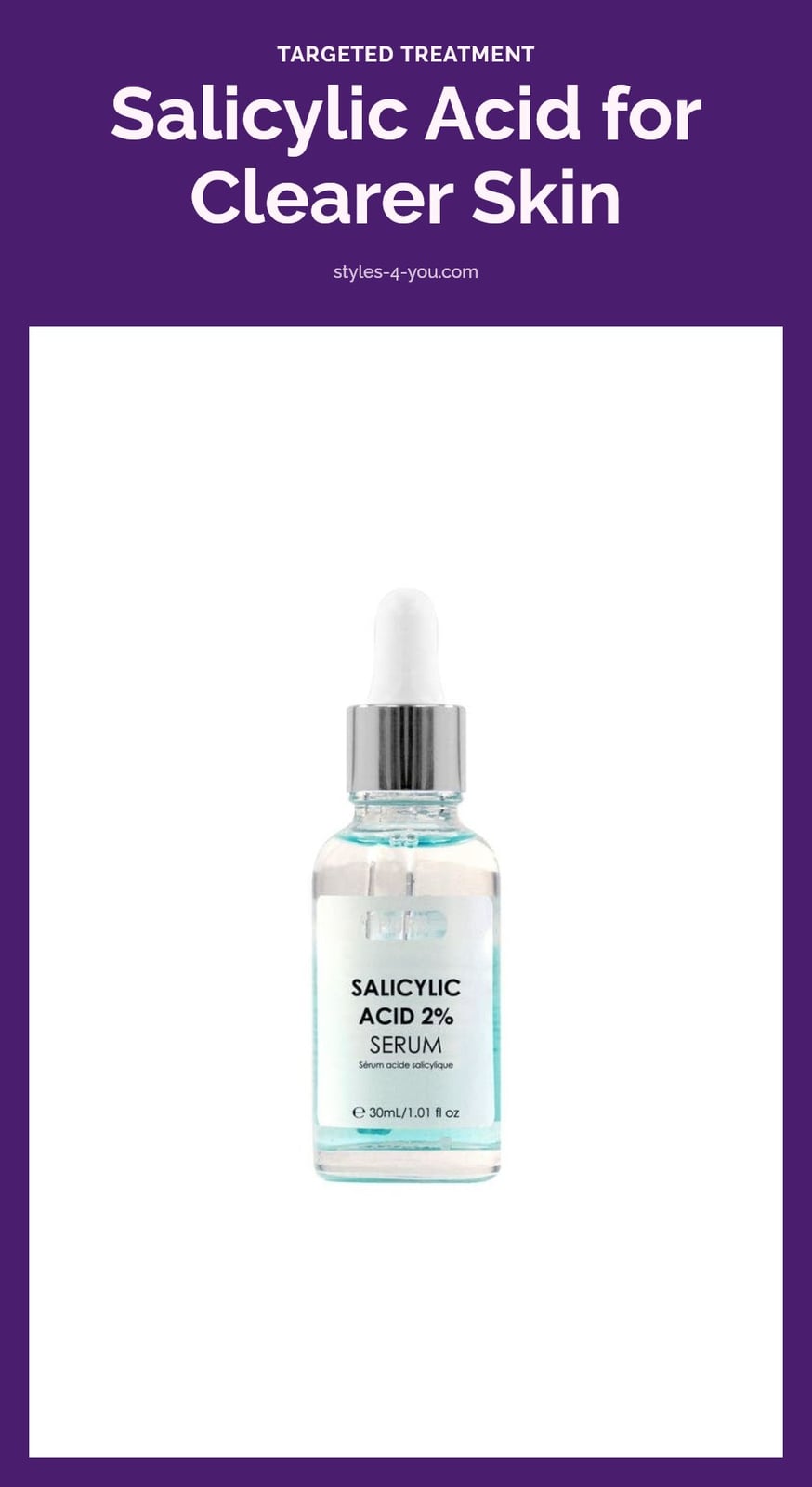
Salicylic acid (a type of beta hydroxy acid, or BHA) is especially effective for oily skin because it is oil-soluble. That means it can penetrate deep into your pores and exfoliate from the inside out, clearing out the debris that leads to blackheads and breakouts.
- Where to find it: Look for salicylic acid in cleansers, toners, or serums.
- How to use it: Start with a low concentration (around 0.5% to 1%) a few times a week, then increase as your skin tolerates it.
4. Add Niacinamide to Your Routine
Niacinamide, also known as Vitamin B3, is a multitasker that directly helps regulate oil production. It works by improving your skin barrier function, which can lead to less shine and fewer breakouts over time. This ingredient is also known for reducing the appearance of enlarged pores, making it a solid addition to your routine.
My tip: Look for a niacinamide serum (typically 2-5% concentration) and apply a few drops after cleansing and before moisturizer. It layers well under other products and is gentle enough for daily use.
5. Use Blotting Papers
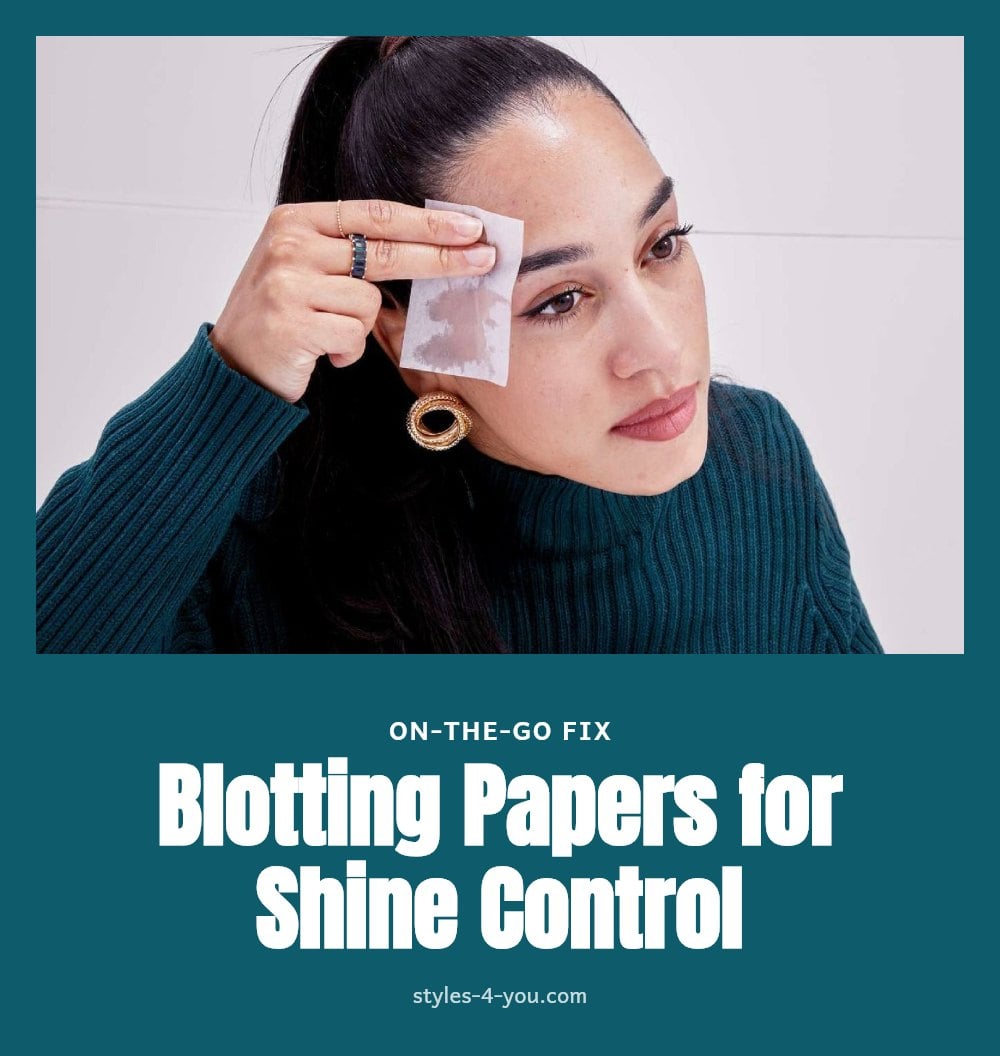
Blotting papers are your best friend for midday shine control. Gently press a sheet onto your T-zone or any oily area to absorb excess sebum without disturbing your makeup. The key is to blot, not rub. Rubbing can smear your foundation and may irritate the skin.
Tip: Keep a pack in your bag for quick touch-ups. They are also a great alternative to piling on more powder, which can look cakey.
6. Wear Daily Sunscreen
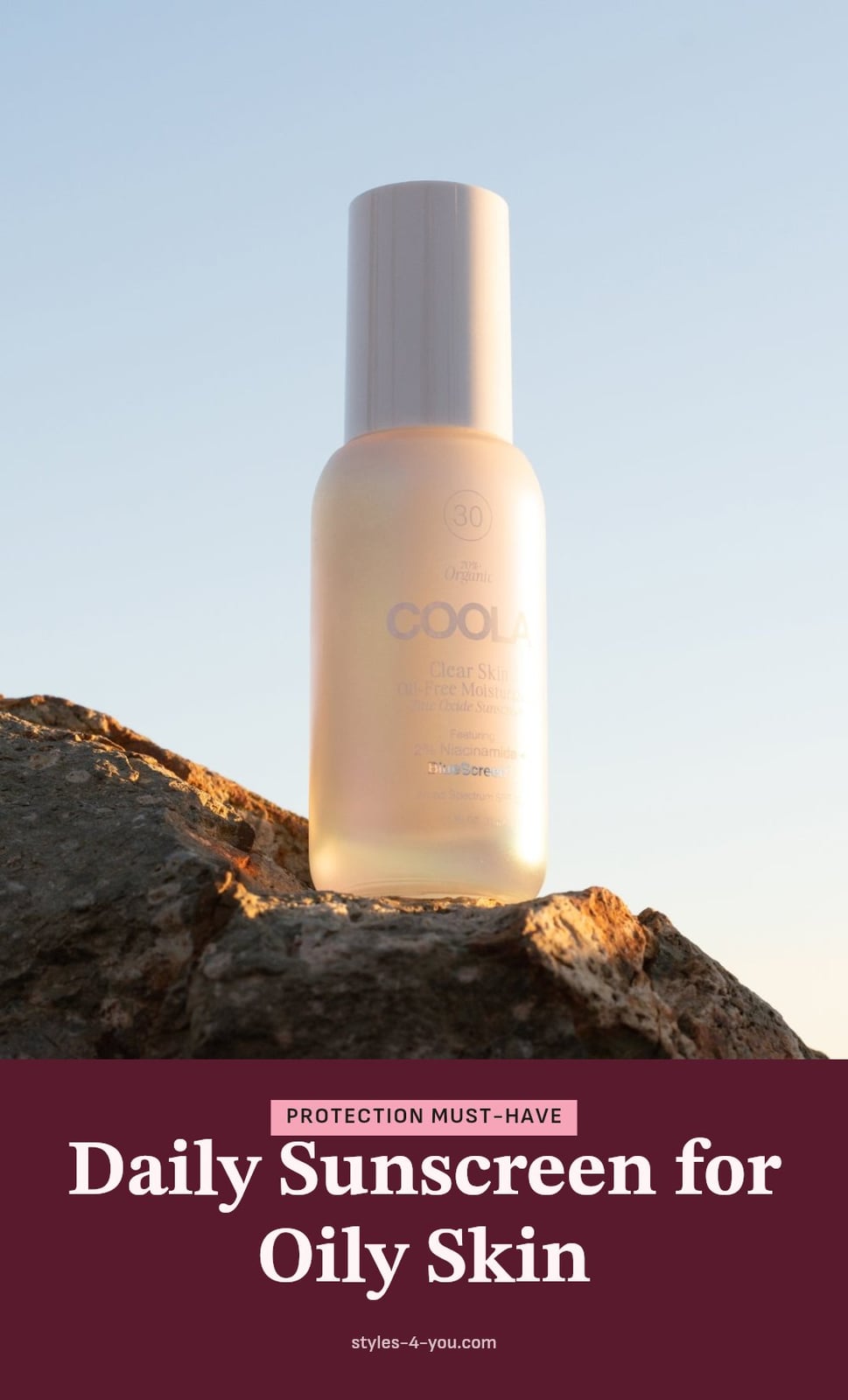
Daily sunscreen is non-negotiable, even for oily skin. A common misconception is that sun exposure will dry out your skin and help with oiliness. In reality, the sun can initially dry your skin, but your skin may overcompensate later by producing even more oil.
Always choose a broad-spectrum, oil-free, non-comedogenic sunscreen with at least SPF 30. Apply it every morning as the last step of your skincare routine, even on cloudy days.
7. Choose Non-Comedogenic Products
This is a must-do for oily skin: always choose products labeled ‘non-comedogenic.’ This means they are formulated specifically not to clog your pores, which helps prevent breakouts and keeps your skin balanced.
Apply this rule to everything: your cleanser, moisturizer, sunscreen, foundation, and even your concealer. Sticking to non-comedogenic options across the board can make a noticeable difference in how your skin behaves.
8. Consider Clay Masks

Clay masks are a quick fix when your skin feels slick by midday. They work by temporarily absorbing excess oil from the surface, which leaves your face looking less shiny and feeling refreshed.
Use one once or twice a week, depending on how oily your skin gets. Keep an eye on the mask as it dries: remove it while it is still slightly damp. Letting it harden completely can pull moisture out of your skin and trigger more oil production later.
Tip: Apply a thin, even layer and set a timer for 10 minutes so you do not forget about it.
9. Avoid Harsh Scrubs and Alcohol
Harsh physical scrubs and alcohol-based toners may feel like they are doing the job, but they actually strip your skin of its natural oils. That triggers irritation and can push your sebaceous glands to produce even more oil to compensate. The result is a cycle of dryness followed by extra shine.
Instead of abrasive scrubs, switch to a gentle chemical exfoliant like salicylic acid. It dissolves the oil and dead skin inside your pores without the friction that damages your barrier.
- Skip: scrubs with rough particles or beads
- Skip: toners with high alcohol content
- Choose: a 2% salicylic acid serum or toner a few times per week
10. Be Mindful of Makeup Choices
Your makeup can work against you if you reach for heavy, pore-clogging foundations and creams. These products sit on top of your skin, trap oil and debris, and can make shine and breakouts worse by the end of the day.
Instead, look for lightweight formulas that let your skin breathe. Good options include:
- Oil-free foundations: labeled as such on the packaging, they won’t add extra sebum to your face.
- Tinted moisturizers: give light coverage while hydrating without heaviness.
- Mineral powders: absorb oil throughout the day and are less likely to clog pores.
Check the label for “non-comedogenic” before you buy, and apply in thin layers so your skin can still function normally underneath.
11. Don’t Pick or Squeeze Pimples
Picking or squeezing a pimple is one of the hardest habits to break, but it is also one of the most damaging for oily, acne-prone skin. When you press on a breakout, you can push bacteria deeper into the pore, which worsens inflammation and increases the risk of scarring. The visible red mark or dark spot left behind often lasts far longer than the pimple itself would have.
Instead of touching your face, let your salicylic acid or niacinamide treatments do their job over the next few days. If a pimple is painful, swollen, or just will not go away, apply a warm compress for a few minutes to help it come to a head naturally.
Caution: If you have stubborn, severe, or cystic acne that does not respond to over-the-counter products, see a dermatologist. They can offer prescription options that work better than anything you can do with your fingers.
When to Consult a Dermatologist
Most oily skin can be managed at home, but some situations call for a dermatologist. If you have severe or persistent acne that does not improve with over-the-counter products, professional treatment can help. The same goes for painful cysts, significant redness, or irritation that does not settle down.
You should also see a doctor if you suspect hormones are behind your oiliness, especially if you notice sudden changes along with other symptoms like irregular periods or hair changes. A dermatologist or healthcare provider can assess your skin, identify triggers, and recommend prescription options or tests if needed.
Frequently Asked Questions
Why does my skin get oilier throughout the day?
Your sebaceous glands naturally produce sebum continuously, and that production can ramp up in response to heat, humidity, or stress. By midday, oil has had time to rise to the surface, especially if you have not blotted or touched up. Using blotting papers can help manage that midday shine without disrupting your skin’s balance.
Can diet affect oily skin?
Some research suggests that high-glycemic foods (like sugary snacks and refined carbs) and dairy may influence sebum production in some people, but the effect varies widely. If you notice your skin looks oilier after certain meals, try keeping a food diary for a week. If the link seems clear, consider adjusting your diet and see if it helps.
Is it okay to use a toner if I have oily skin?
Yes, but choose wisely. Avoid alcohol-based toners, which can strip your skin and trigger more oil. Instead, look for a toner with ingredients like salicylic acid, niacinamide, or witch hazel (used sparingly). Apply it after cleansing and before moisturizer to help refine pores and control shine without irritation.
How often should I exfoliate oily skin?
For most people, exfoliating two to three times per week with a chemical exfoliant like salicylic acid works well. If you are new to chemical exfoliation, start with once a week and gradually increase as your skin tolerates it. Over-exfoliating can irritate the skin and actually increase oil production, so listen to your skin.
Can stress make oily skin worse?
Yes, stress can trigger the release of hormones like cortisol and androgens, which may stimulate your sebaceous glands to produce more oil. While you cannot eliminate stress entirely, managing it through techniques like deep breathing, regular exercise, or adequate sleep can help keep your skin more balanced alongside your skincare routine.
Final Thoughts
Managing oily skin is about balance, not elimination. Stick with a consistent routine that includes gentle cleansing, hydration, a few targeted ingredients like salicylic acid and niacinamide, and daily sunscreen. You can expect to see visible improvements in shine and skin clarity within a few weeks to a couple of months. My tip: start with one or two changes and build from there. Your skin will thank you.
This article provides general information about managing oily skin and is not a substitute for professional medical or dermatological advice. Individual skin types and conditions vary, and what works for one person may not work for another. If you have persistent or severe acne, irritation, or other skin concerns, please consult a dermatologist.
More Blog ideas
- Your Essential Guide to a Healthy Feminine Hygiene Routine
- Best High Protein Foods to Eat Daily for Health and Energy
- Feeling Stuck: 12 Small Steps to Get Unstuck
- Winter Skin Survival Tips
- How to Get a Flat Stomach
- How to Fix Damaged Hair and Restore Its Health
- Full-Body Kettlebell Workout
- Dry Scalp vs. Dandruff
- Full Body Workout for Beginners
- 21 Easy Beauty Tips Every Woman Should Know
- Feminine Energy: 15 Daily Habits to Feel More Radiant
- Upper Body Workout for Women at Home






