Flat Stomach Workout at Home: Your Core-Strengthening Guide
Discover an effective flat stomach workout you can do at home. Learn exercises targeting all core muscles for a flatter appearance.

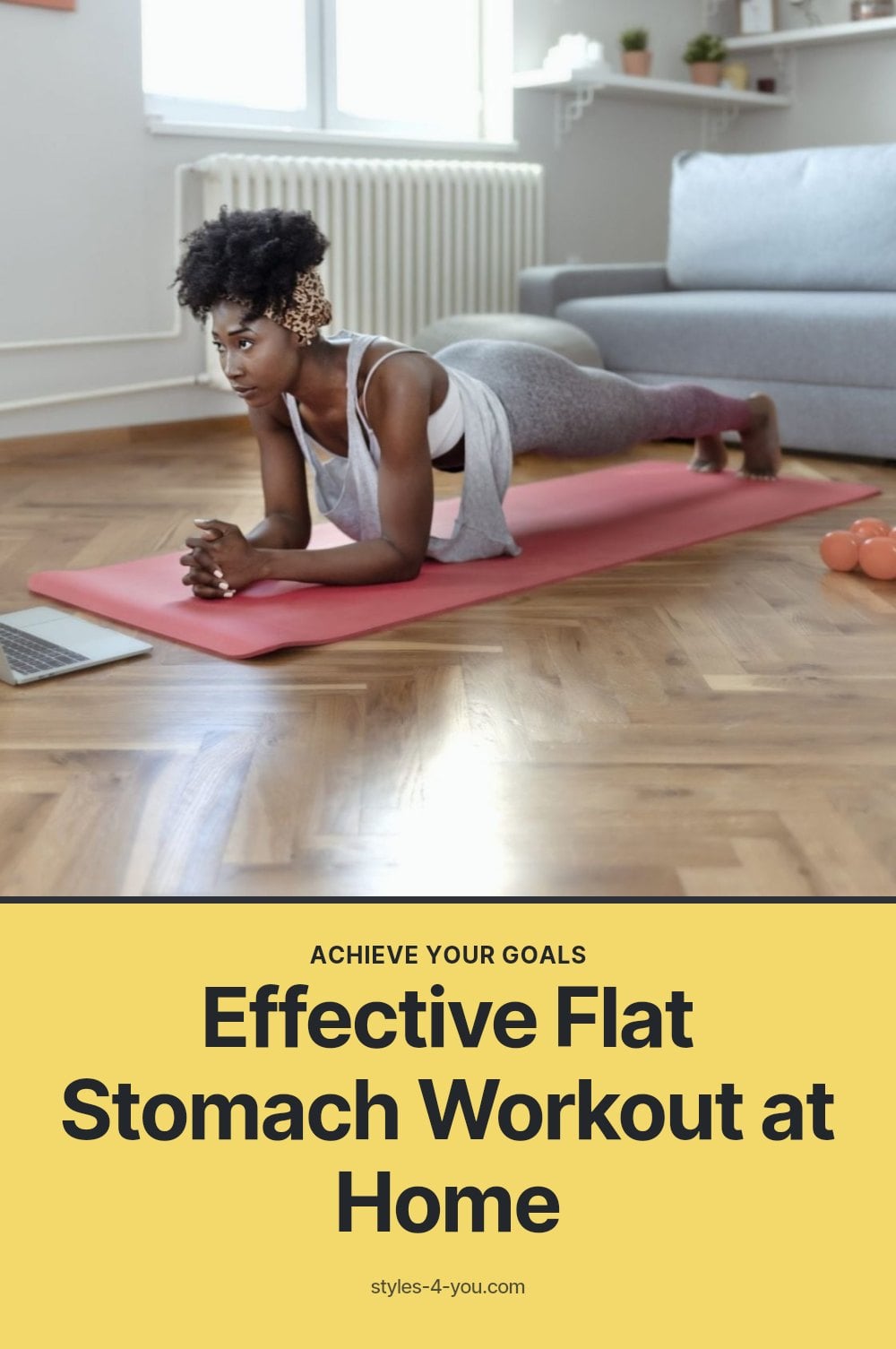
If you’ve been doing endless crunches and wondering why your stomach isn’t flattening, you’re not alone. A flat stomach isn’t just about working your abs; it’s a combination of overall fat loss, muscle tone, and posture. This article covers a complete at-home core workout, a weekly plan, and the lifestyle habits that truly make a difference.
You’ll learn which exercises target all your core muscles, how to avoid common mistakes, and what to expect in terms of results. Let’s get started.
Key Takeaways
- Spot reduction isn’t possible; overall fat loss is key.
- Incorporate 3-4 core days and 2-3 cardio days weekly.
- Strengthen your transverse abdominis for a flatter look.
- Maintain good posture to make your stomach appear flatter.
- Expect noticeable changes in 4-12 weeks with consistency.
Beyond Crunches: What a ‘Flat Stomach’ Really Means
A flat stomach isn’t just about crunches. It’s the result of overall fat loss, muscle tone, and posture working together. Spot reduction, losing fat from one specific area by exercising it, isn’t scientifically possible. To reduce abdominal fat, you need to lower your total body fat through a balanced diet and regular cardio.
Your belly contains two types of fat: subcutaneous fat just under the skin and visceral fat deeper around your organs. Both contribute to its appearance. Strengthening your core muscles, including the rectus abdominis, obliques, transverse abdominis, and lower back, improves muscle tone and posture, which can make your stomach look flatter. This workout is one piece of that larger picture.
1. Warm-Up: Cat-Cow Stretch
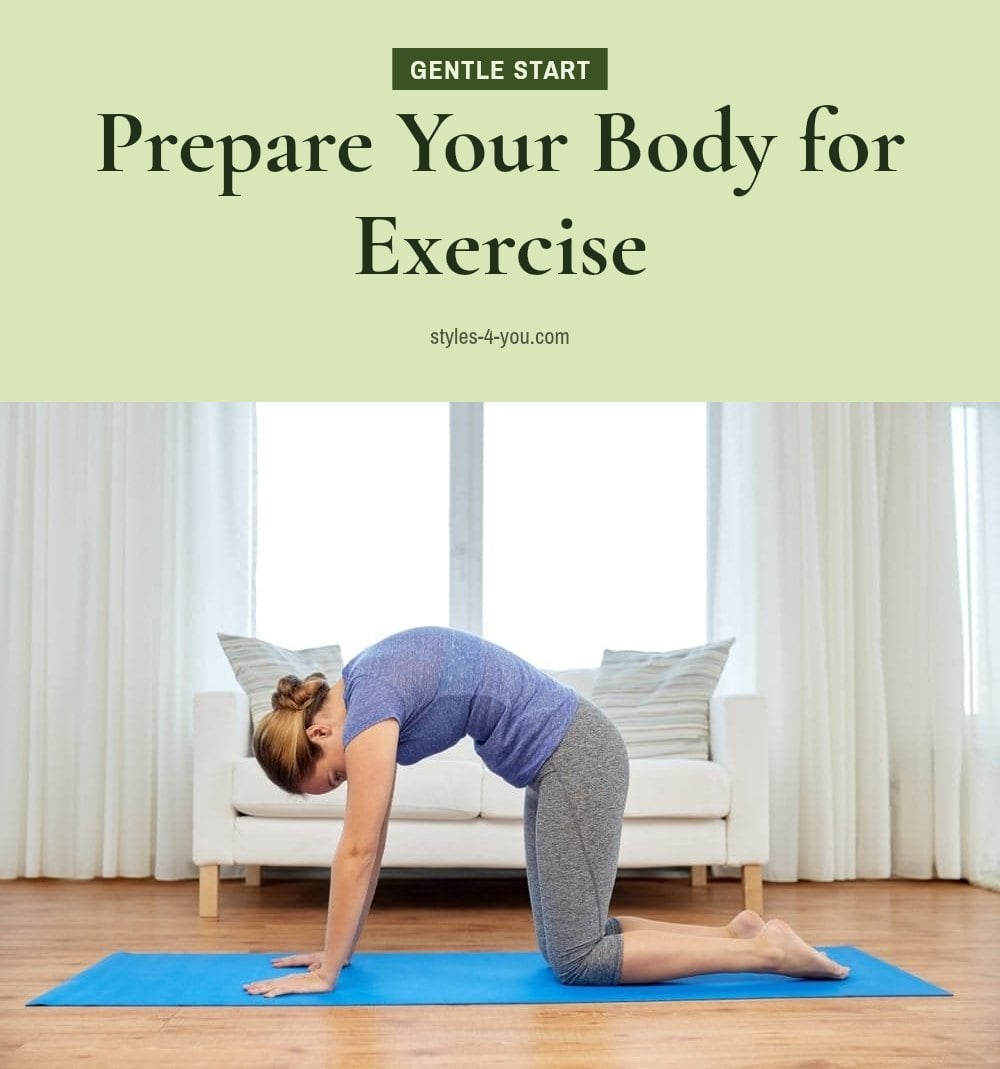
Start on all fours with your hands under your shoulders and knees under your hips. Inhale as you drop your belly toward the floor, lift your tailbone and head (Cow pose). Exhale as you round your spine, tuck your tailbone, and drop your head (Cat pose). Flow smoothly between the two for a gentle spinal warm-up.
- Sets and reps: 10-12 slow repetitions
- Form cue: Move from your spine, not your neck
- Make it easier or harder: Keep it gentle; no added difficulty needed
2. Plank
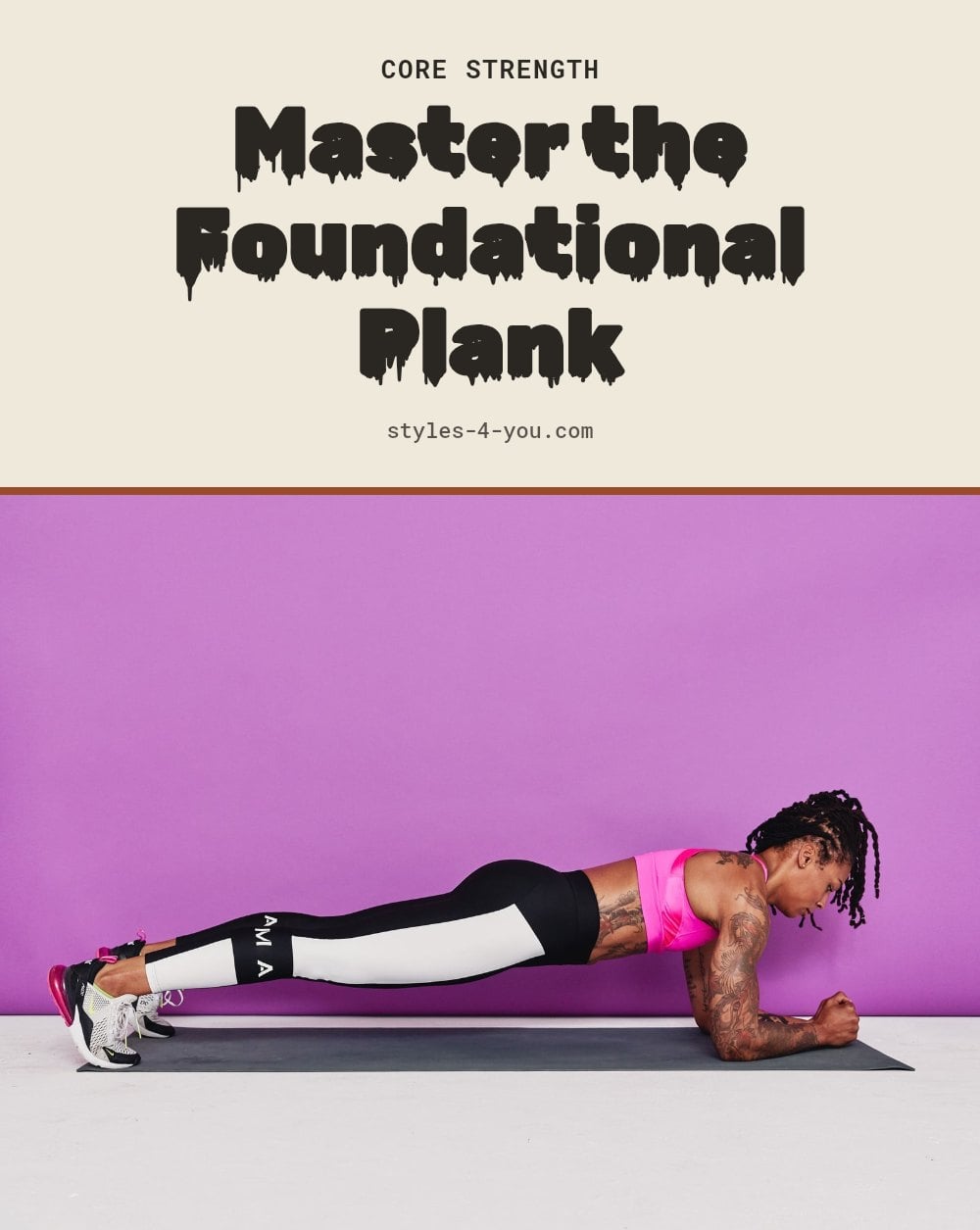
Begin in a push-up position, then lower onto your forearms. Keep your body in a straight line from head to heels, engaging your core. Hold for 30-60 seconds, making sure your hips don’t sag or rise too high.
- Time: 30-60 seconds
- Form cue: Imagine pulling your belly button toward your spine to engage the transverse abdominis
- Make it easier or harder: Drop to your knees for easier; lift one leg for harder
3. Bicycle Crunches
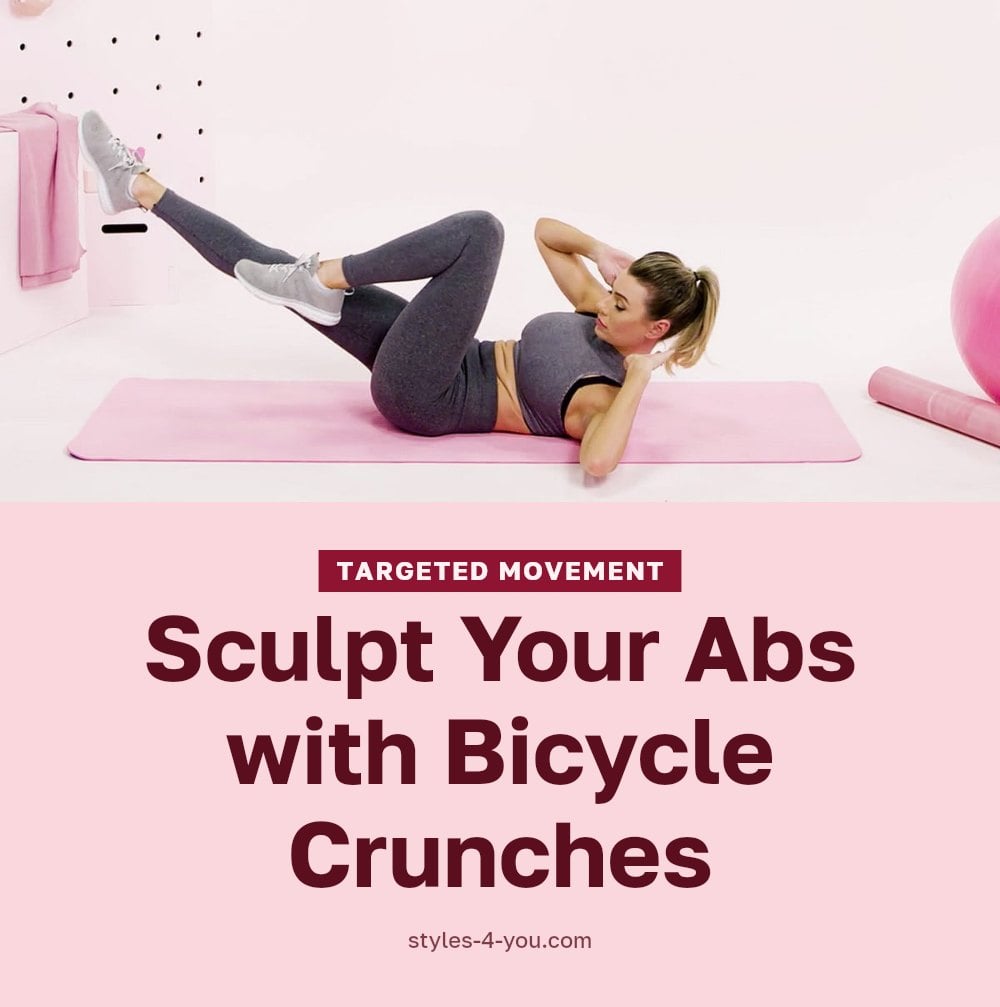
Lie on your back with your hands behind your head, knees bent, and feet flat. Lift your head and shoulders off the mat, then bring your right elbow toward your left knee while extending your right leg. Alternate sides in a cycling motion, keeping your lower back pressed into the mat.
- Sets and reps: 15-20 per side
- Form cue: Move slowly and control the twist from your obliques
- Make it easier or harder: Keep knees bent more for easier; straighten legs slightly for harder, but only if you can maintain lower back contact
4. Leg Raises
Lie on your back with your legs straight and your hands under your lower back for support if needed. Keeping your legs straight, slowly lower them toward the floor without letting them touch, then lift them back up to a 90-degree angle, engaging your lower abs.
- Sets and reps: 12-15 slow, controlled reps.
- Form cue: Keep your lower back pressed into the mat throughout.
- Make it easier or harder: Hold your ankles for less strain, or hold a light dumbbell between your feet for more challenge, ensuring your lower back remains on the mat.
5. Russian Twists
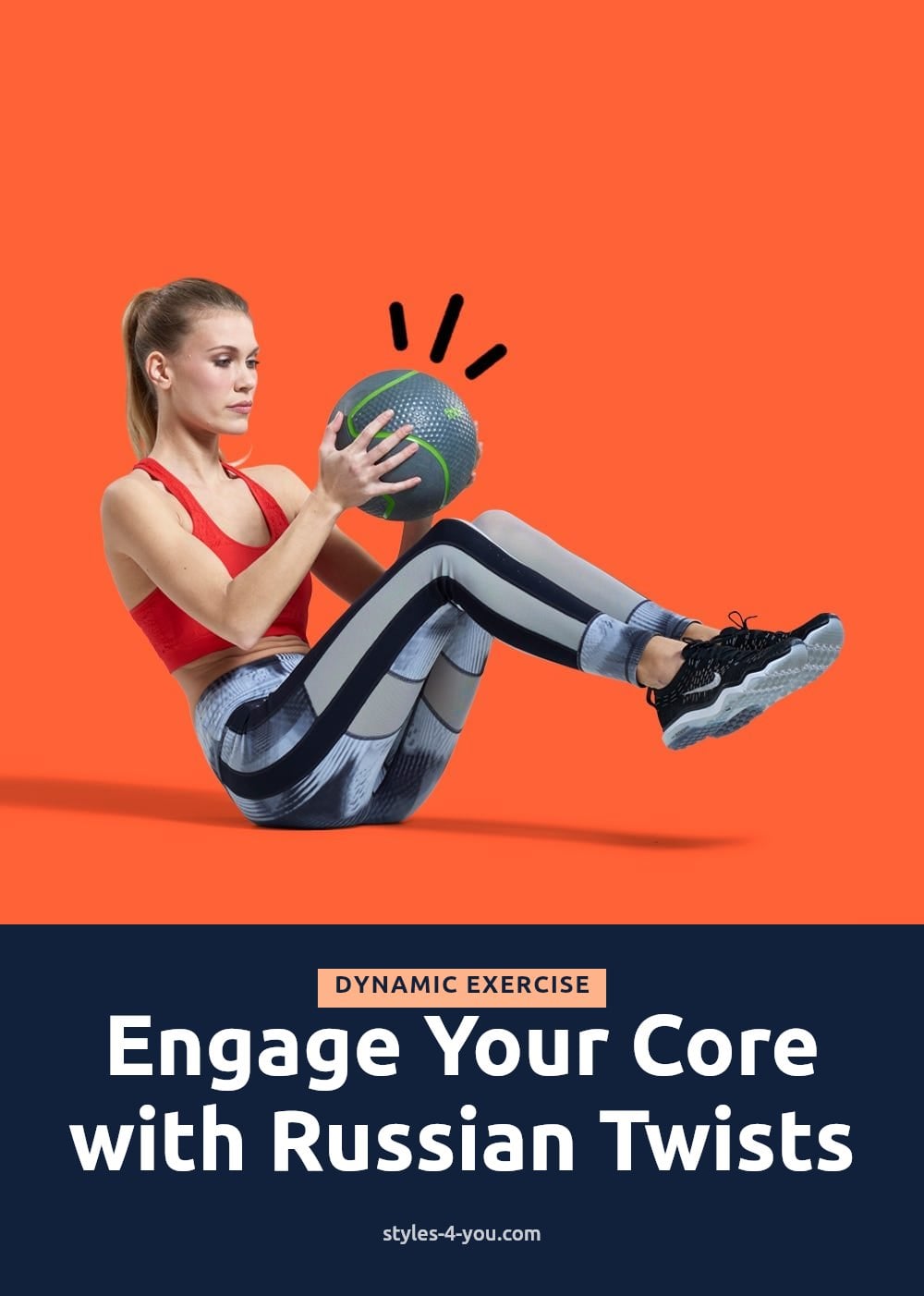
Sit on the floor with your knees bent and feet flat, then lean back slightly to engage your core. Clasp your hands together and twist your torso from side to side, tapping your hands to the floor. For more challenge, lift your feet off the floor.
- Sets and reps: 15-20 twists per side, 2-3 sets
- Form cue: Keep your core tight and twist from your torso, not your arms
- Make it easier or harder: Keep feet on the floor for stability or hold a light weight for added resistance
6. Bird-Dog
Start on all fours with your hands under your shoulders and knees under your hips. Extend your right arm forward and your left leg straight back at the same time, keeping your core stable and your hips level. Hold briefly, then return to the starting position and switch sides.
- Sets and reps: 10-12 repetitions per side, focusing on balance and control.
- Form cue: Keep your lower back neutral, not arched or rounded.
- Make it easier or harder: Skip the leg lift for balance, or add a slow pulse at full extension for a challenge.
7. Side Plank
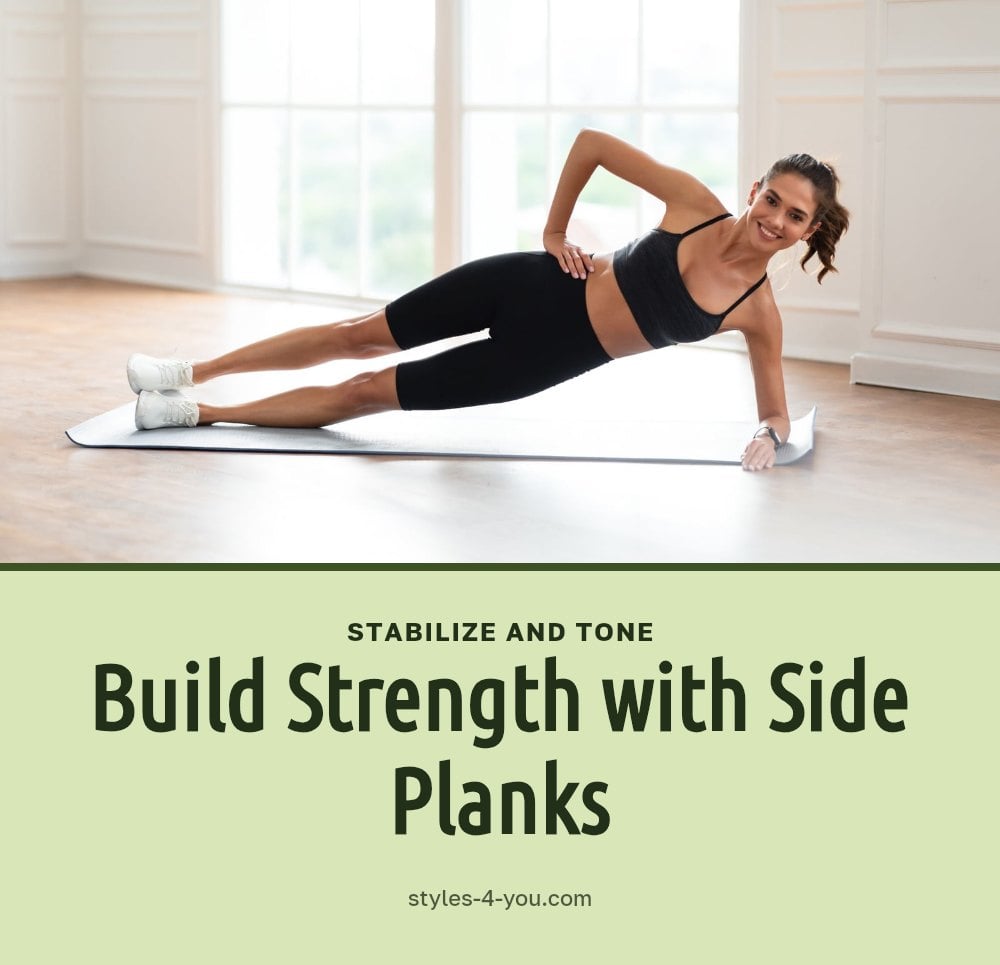
Lie on your side with your forearm on the mat, elbow directly under your shoulder. Stack your feet or place one foot in front of the other for more stability. Lift your hips so your body forms a straight line from head to heels, engaging your obliques.
- Time: Hold for 30-60 seconds per side.
- Form cue: Keep your hips lifted and avoid letting them drop or rotate forward.
- Make it easier or harder: Bend your knees for support, or lift your top leg for an extra challenge.
8. Cool-Down: Cobra Stretch
Lie on your stomach with your hands under your shoulders. Gently press up, lifting your chest off the floor while keeping your hips down. Hold for 20-30 seconds to feel a gentle stretch in your abs.
- Time: 20-30 seconds
- Form cue: Keep hips pressed into the mat
- Make it easier or harder: Lower chest for less stretch; press up more for deeper
My tip: Don’t push into pain; this is a gentle stretch for your core.
Your Weekly Flat Stomach Workout Plan
Here is a sample week that combines core work with cardio and rest. Aim for 3-4 core days, 2-3 cardio days, and 1-2 rest days. Consistency matters more than intensity, and always listen to your body.
| Day | Workout | Focus |
|---|---|---|
| Monday | Core routine (all 8 exercises) | Full core engagement |
| Tuesday | Cardio: brisk walk or jog | Overall fat loss |
| Wednesday | Core routine (planks, leg raises) | Deep core and lower abs |
| Thursday | Cardio: dance or cycling | Heart rate up |
| Friday | Core routine (Russian twists, side planks) | Obliques and stability |
| Saturday | Rest or light stretching | Recovery |
| Sunday | Rest or gentle yoga | Relaxation |
Pair this plan with a balanced diet and plenty of water. A calorie deficit and reduced bloating can help your stomach appear flatter over time.
Common Mistakes to Avoid for a Flatter Stomach
If you’re doing crunches every day and wondering why your stomach isn’t flattening, you’re not alone. Crunches only work the rectus abdominis, the outermost layer of your core. A flatter stomach needs full core engagement, including your obliques, lower back, and deep muscles, plus overall fat loss from cardio and diet. You can include crunches in moderation, but be sure to add planks, leg raises, and bird-dogs to hit every angle.
Neglecting diet is another common trap. You can’t outwork a poor diet, since reducing body fat requires a calorie deficit. Focus on whole foods, lean protein, and fiber, and stay hydrated to reduce bloating. Many people find that small, consistent changes in eating habits make a bigger difference than adding more exercises.
Poor posture can also make your stomach appear less flat, even if your core is strong. When you slouch, your abdomen compresses and protrudes. Strengthening your back and core muscles helps you stand taller, which naturally pulls your stomach in. Practice standing with your shoulders back and your pelvis neutral.
Holding your breath during exercises is a reflex many people have, but it reduces oxygen flow and can make movements less effective. Exhale on the effort, like when you lift your legs or twist, and inhale on the release. This keeps your core engaged and your movements smooth.
Finally, don’t ignore the transverse abdominis, the corset muscle that wraps around your waist. It’s key for core stability and a flatter appearance. Exercises like planks and bird-dog specifically target it, so include them in your routine. Tip: Before each rep, imagine pulling your belly button toward your spine to activate this muscle.
Frequently Asked Questions
How long does it take to see results from a flat stomach workout?
With consistent effort, you may notice improvements in core strength and appearance within 4 to 12 weeks. However, results depend on your starting point, diet, and overall activity level. Patience and consistency are more important than intensity.
Can diet alone give me a flat stomach?
Diet is a major factor in reducing body fat, but it works best alongside exercise. A calorie deficit helps lower overall fat, while core strengthening improves muscle tone. Combine both for the most effective approach.
Do I need special equipment for these exercises?
No, all exercises in this routine use your body weight. A mat is recommended for floor comfort, and a water bottle is handy. No other special equipment is needed.
How often should I do a flat stomach workout?
Aim for 3 to 4 core-focused days per week, with rest days in between. Overtraining your core can hinder recovery, so listen to your body and take a rest day when needed.
What is the best exercise for lower belly fat?
No single exercise targets lower belly fat specifically. Spot reduction isn’t possible. Instead, focus on overall fat loss through cardio and a healthy diet, while strengthening your entire core with moves like leg raises and planks.
Final Thoughts
For a flatter stomach, pair this core routine with regular cardio and a balanced diet. Aim for consistency over intensity, and give your muscles time to recover. Most people see noticeable improvements in core strength and appearance within 4 to 12 weeks, though results vary.
Remember, a healthy lifestyle is a marathon, not a sprint. Stick with it, listen to your body, and you’ll be on your way.
This article is for general informational purposes only and is not a substitute for professional medical or fitness advice. Always consult your doctor before starting a new exercise program, especially if you have health conditions or are pregnant. Stop exercising if you feel pain and seek professional guidance for persistent issues.
More Blog ideas
- Your Essential Guide to a Healthy Feminine Hygiene Routine
- Best High Protein Foods to Eat Daily for Health and Energy
- Feeling Stuck: 12 Small Steps to Get Unstuck
- Winter Skin Survival Tips
- How to Get a Flat Stomach
- How to Fix Damaged Hair and Restore Its Health
- Full-Body Kettlebell Workout
- Dry Scalp vs. Dandruff
- Full Body Workout for Beginners
- 21 Easy Beauty Tips Every Woman Should Know
- Feminine Energy: 15 Daily Habits to Feel More Radiant
- Upper Body Workout for Women at Home