Gaining Weight: How to Gain Weight Healthily: A Comprehensive Guide
Discover effective strategies for gaining weight healthily, focusing on nutrient-rich foods and building muscle for sustainable results.


If you have a fast metabolism, gaining weight can feel like an uphill battle, but it’s absolutely possible with the right approach. The key is to eat more calories than you burn, but those calories need to come from nutrient-dense foods, not just junk. This article covers smart ways to increase your intake, build muscle, and see steady results.
Key Takeaways
- Aim for a caloric surplus of 300-500 calories daily to gain about 1 pound per week.
- Include protein in every meal and snack to support muscle growth.
- Add healthy fats like avocados, nuts, and olive oil to boost calories.
- Eat 5-6 smaller meals and snacks throughout the day.
- Incorporate strength training 2-3 times per week to build muscle.
How to Gain Weight Healthily
To gain weight healthily, consistently consume 300-500 more calories than you burn each day, focusing on nutrient-dense foods like whole grains, lean proteins, and healthy fats. Combine this caloric surplus with strength training to build muscle mass, ensuring the weight gained is beneficial for your body. This approach helps you add weight gradually while improving your overall health and body composition.
1. Increase Your Caloric Intake Smartly
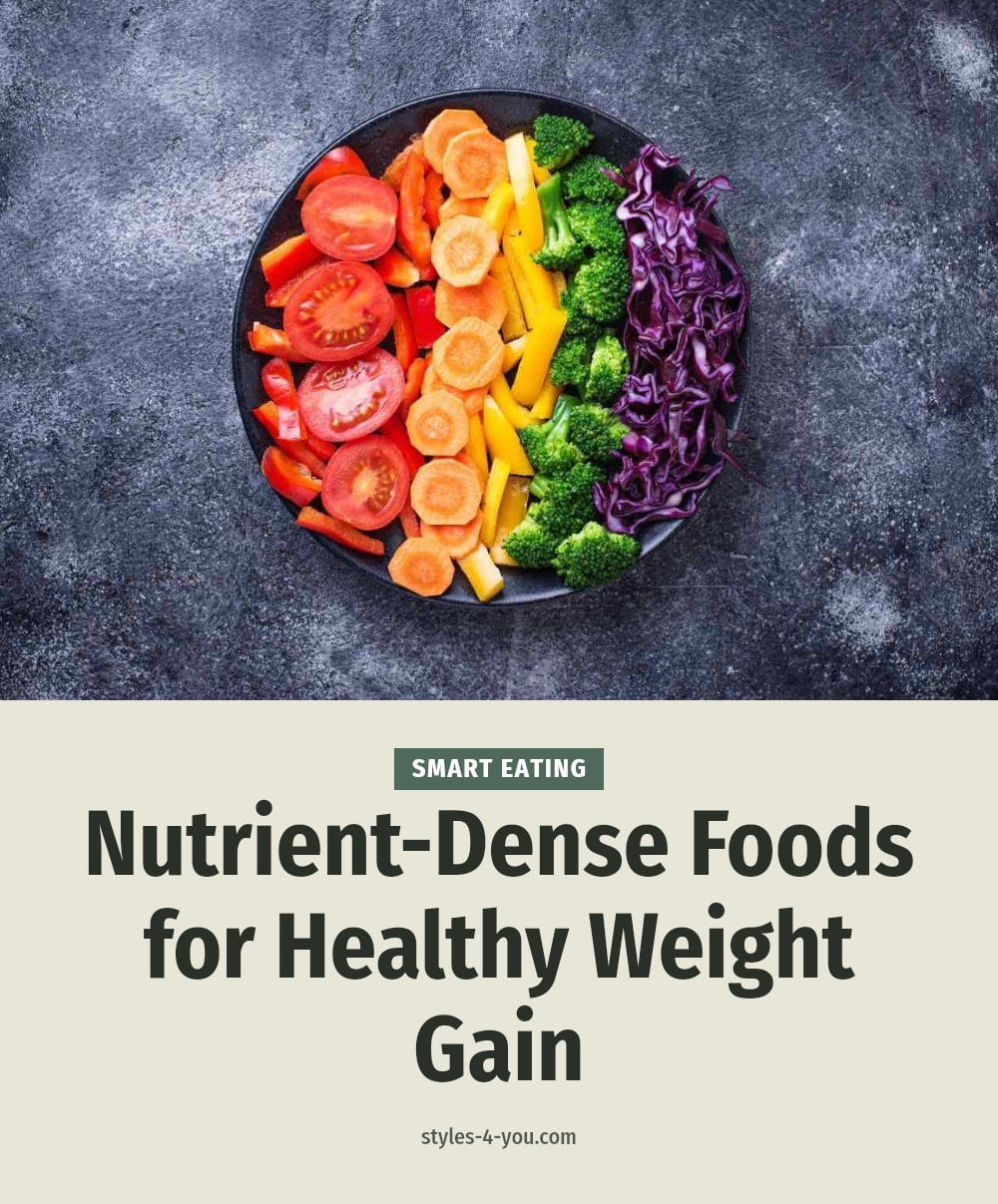
Aim for a consistent caloric surplus of 300-500 extra calories per day to gain about 1 pound per week, or 700-1000 for 1.5-2 pounds. This surplus gives your body the energy it needs to build new tissue, but where those calories come from matters.
My tip: Focus on adding these calories from nutrient-dense sources rather than empty calories from processed foods. Choose whole foods like oats, eggs, avocados, and nuts over sugary snacks or fast food. This way, you gain weight while also supporting your energy levels, digestion, and overall health.
2. Prioritize Protein for Muscle Growth
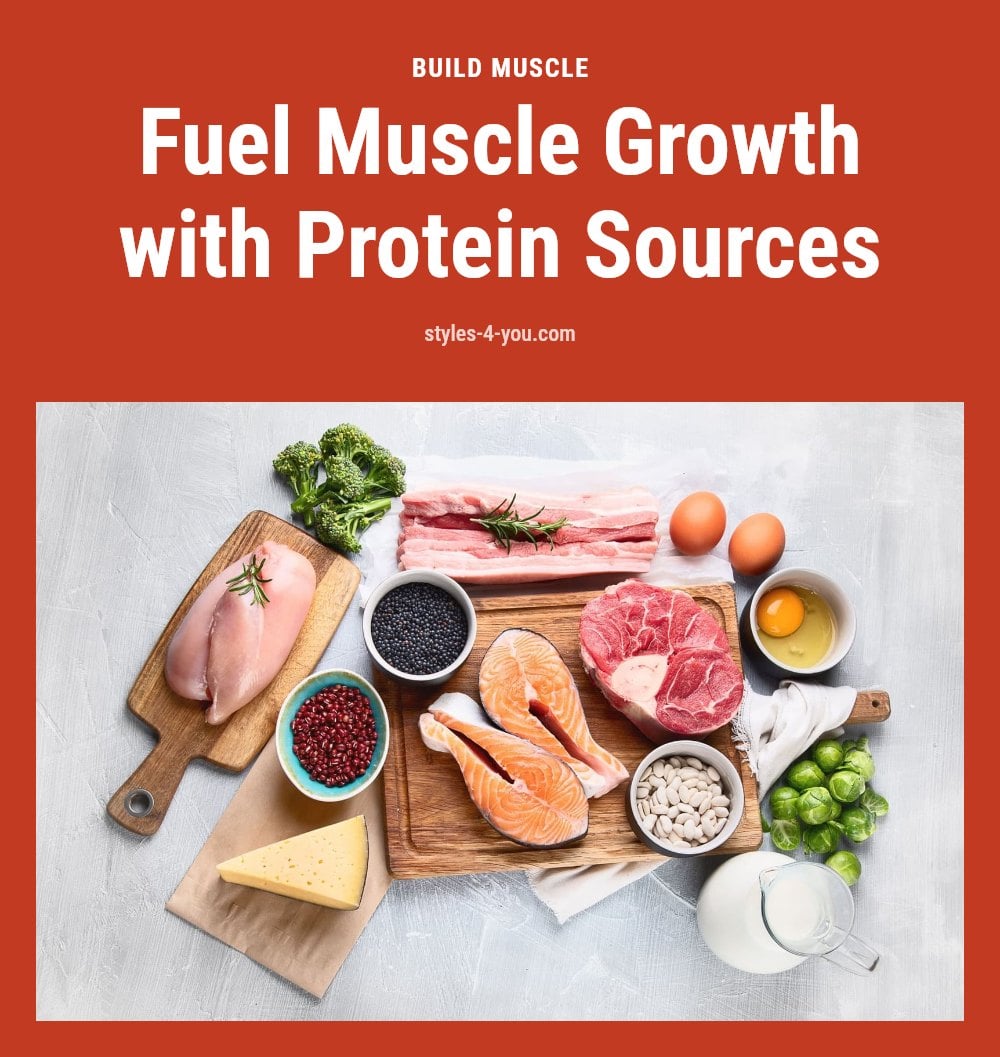
Protein is crucial for building and repairing muscle tissue, which is key for healthy weight gain. Without enough protein, much of the weight you gain may be fat instead of muscle.
Include a good source of protein in every meal and snack. Think lean meats, eggs, dairy, or plant-based options like lentils and tofu. My tip: Protein powder can be a convenient way to boost your intake, especially in smoothies. Add a scoop to your morning shake or mix it into oatmeal for an easy extra 20-30 grams.
3. Incorporate Healthy Fats

Healthy fats are calorie-dense, meaning they pack a lot of energy into a smaller volume of food. This makes it easier to increase your caloric intake without feeling overly stuffed.
Think avocados, nuts, seeds, olive oil, and nut butters. Tip: Add a tablespoon of olive oil to your pasta, or a handful of almonds to your yogurt. These small additions can add 100-200 calories to a meal without making you feel uncomfortably full. Just stick with unsaturated fats for the best health benefits.
4. Eat More Frequent Meals and Snacks
Instead of three large meals, try eating 5-6 smaller, nutrient-dense meals and snacks throughout the day. This approach makes it easier to consume more calories without feeling overwhelmed or overly full at any one time. Good to know: Prep your snacks in advance so they’re ready when hunger strikes. Portion out nuts, cheese cubes, or hard-boiled eggs at the start of the week for grab-and-go options.
5. Boost Calories with Liquid Foods

Liquid calories, like smoothies and milk, can be a game-changer because they don’t fill you up as much as solid foods. Blend whole milk or fortified plant milk with protein powder, fruits, nut butters, and oats for a calorie-packed drink. Pro move: Make your smoothies thick and creamy for extra satisfaction. Add a handful of spinach or a tablespoon of flaxseed for nutrients without altering the taste much.
6. Don’t Skip Breakfast
Breakfast is a crucial meal, especially when you’re trying to gain weight. Starting your day with a substantial, calorie-rich meal sets the tone for consistent caloric intake throughout the day. Quick tip: Oatmeal with nuts, seeds, and dried fruit, or eggs with avocado, are great options that pack both protein and healthy fats.
7. Incorporate Strength Training
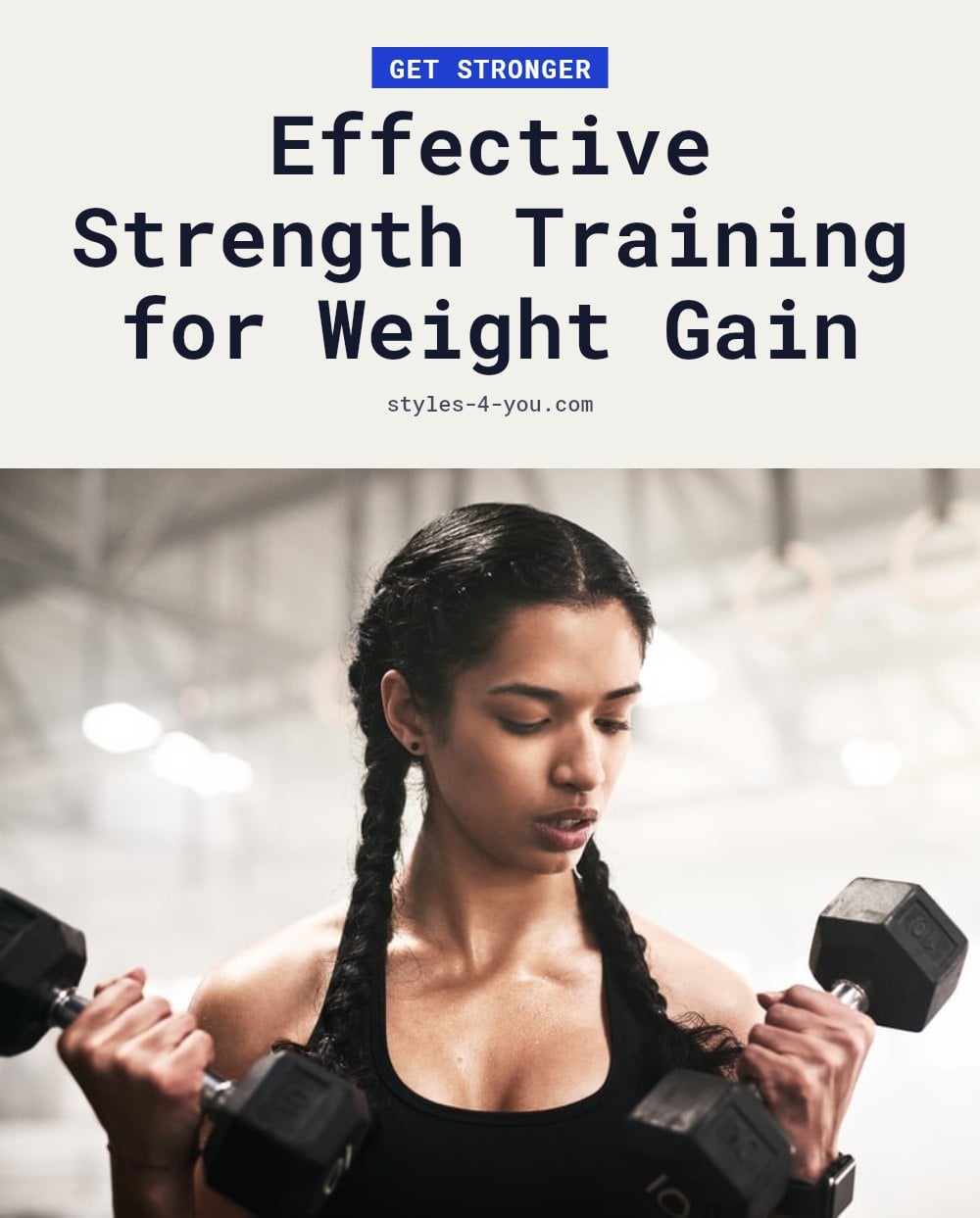
Strength training is essential for ensuring that the weight you gain is primarily muscle mass, not just fat. Aim for 2-3 strength training sessions per week, focusing on compound exercises that work multiple muscle groups, like squats, push-ups, and rows. Tip: You don’t need a gym; bodyweight exercises or resistance bands at home can be very effective for building muscle.
8. Prioritize Adequate Sleep
Sleep plays a vital role in muscle recovery and overall hormonal balance, both of which support healthy weight gain. Aim for 7-9 hours of quality sleep per night.
Good to know: A consistent sleep schedule can make a big difference. Going to bed and waking up at the same time each day helps regulate your body’s internal clock.
9. Track Your Progress
Keeping a food diary and regularly weighing yourself can help you understand your caloric needs and monitor your progress. This allows you to adjust your intake or workout routine as needed.
Pro move: Don’t obsess over daily fluctuations; look for weekly or monthly trends. Seeing the bigger picture gives you a more accurate sense of your progress.
10. Stay Hydrated, But Wisely
While staying hydrated is always important, try to drink most of your water between meals rather than with them. Drinking too much water during meals can fill you up, making it harder to consume enough calories.
Quick tip: Save calorie-dense beverages like milk or smoothies for your meals. This way you get the hydration and the extra calories without sacrificing appetite.
11. Manage Stress Effectively
Chronic stress can impact your metabolism and digestion, potentially hindering weight gain efforts. Incorporate stress-reducing activities like yoga, meditation, or spending time in nature.
Tip: Find what works for you to relax and make it a regular part of your routine. Even a few minutes a day can make a difference.
When to Consult a Professional
If you are significantly underweight or have been trying to gain weight for a while with little success, it’s a good idea to talk to a healthcare professional. They can check for underlying medical conditions that might be affecting your weight and offer personalized advice. A registered dietitian can also help you create a tailored eating plan that meets your specific needs and goals.
Frequently Asked Questions
How long does it take to gain weight healthily?
Healthy weight gain is gradual, and you may start to see noticeable changes after several weeks to months of consistent effort. The timeline varies based on your body and how strictly you follow your calorie surplus and strength training plan. Aim for a steady gain of about 1 pound per week, which is a realistic and sustainable pace.
Can I gain weight just by eating more junk food?
While eating junk food may increase your calorie intake, it’s not recommended for healthy weight gain. Junk food often lacks essential nutrients, and relying on it can lead to poor nutrition and health issues. Prioritize nutrient-dense foods like whole grains, lean proteins, and healthy fats to support muscle growth and overall well-being.
What if I’m always full and can’t eat more?
If you feel full easily, try eating smaller, more frequent meals and snacks throughout the day. Liquid calories like smoothies made with whole milk, protein powder, and nut butters can be easier to consume without feeling overly full. Also, avoid drinking large amounts of water with meals, as that can fill you up.
Is it possible to gain muscle without gaining fat?
Gaining muscle without any fat is unlikely, but you can minimize fat gain by focusing on a moderate caloric surplus and incorporating strength training. Aim for 300-500 extra calories per day and do 2-3 strength training sessions weekly. This approach helps ensure the weight you gain is primarily muscle rather than fat.
How much protein do I need to gain weight?
Protein needs vary by individual, but a common guideline is to include a good source of protein in every meal and snack. This might mean about 20-30 grams per meal, depending on your total calorie goal. Lean meats, eggs, dairy, and plant-based options like beans and tofu are excellent choices to support muscle growth.
Final Thoughts
Healthy weight gain is a gradual process, so be patient with yourself. Expect to see noticeable changes over several weeks to months with consistent effort. My tip: focus on adding nutrient-dense calories and strength training, and track your progress weekly to stay on course. If you’ve been struggling for a while, consider consulting a healthcare professional to rule out any underlying issues.
This article provides general information and is not a substitute for professional medical advice. If you are underweight, have a medical condition, or are struggling to gain weight, consult a healthcare professional or registered dietitian for personalized guidance. They can help you address any underlying issues and create a safe plan for you.
More Blog ideas
- Your Essential Guide to a Healthy Feminine Hygiene Routine
- Best High Protein Foods to Eat Daily for Health and Energy
- Feeling Stuck: 12 Small Steps to Get Unstuck
- Winter Skin Survival Tips
- How to Get a Flat Stomach
- How to Fix Damaged Hair and Restore Its Health
- Full-Body Kettlebell Workout
- Dry Scalp vs. Dandruff
- Full Body Workout for Beginners
- 21 Easy Beauty Tips Every Woman Should Know
- Feminine Energy: 15 Daily Habits to Feel More Radiant
- Upper Body Workout for Women at Home