8 Gentle Ways to Address Redness Face and Calm Your Skin
Learn 8 effective ways to reduce redness face. Discover soothing ingredients, lifestyle tips, and understand when to seek professional dermatological help.

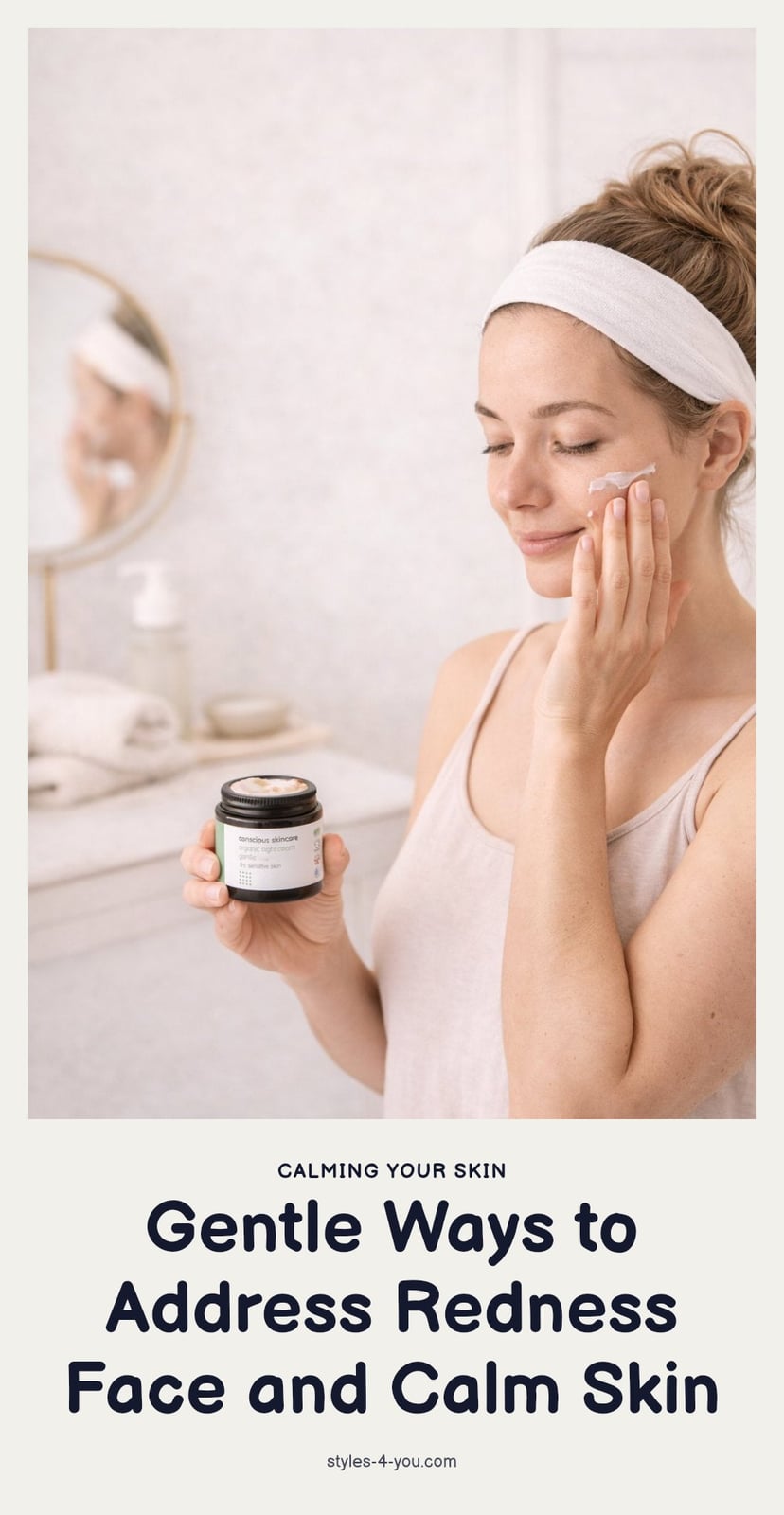
Facial redness can feel like a constant battle, but the right approach can make a real difference. Whether it’s a temporary flush or a more persistent sensitivity, this article covers eight gentle, effective ways to calm your skin without harsh treatments. From soothing ingredients to smart daily habits, you’ll find practical steps to reduce redness and support your skin’s natural balance.
Key Takeaways
- Use a gentle, pH-balanced cleanser with lukewarm water to avoid stripping your skin barrier.
- Strengthen your barrier with ceramides, hyaluronic acid, or glycerin to reduce sensitivity.
- Apply a broad-spectrum sunscreen of SPF 30 or higher daily to prevent UV-triggered redness.
- Identify personal triggers like spicy foods, stress, or strong fragrances by keeping a journal.
- Consult a dermatologist if redness persists or worsens, especially with pain or swelling.
Quick Answer: How to Calm Facial Redness
Facial redness can be soothed by identifying and avoiding triggers, using gentle skincare products, and protecting your skin from the sun. Ingredients like ceramides, hyaluronic acid, and colloidal oatmeal help strengthen the skin barrier and reduce inflammation. For persistent or severe redness, a dermatologist can help diagnose underlying conditions and recommend appropriate treatments.
1. Prioritize Gentle Cleansing
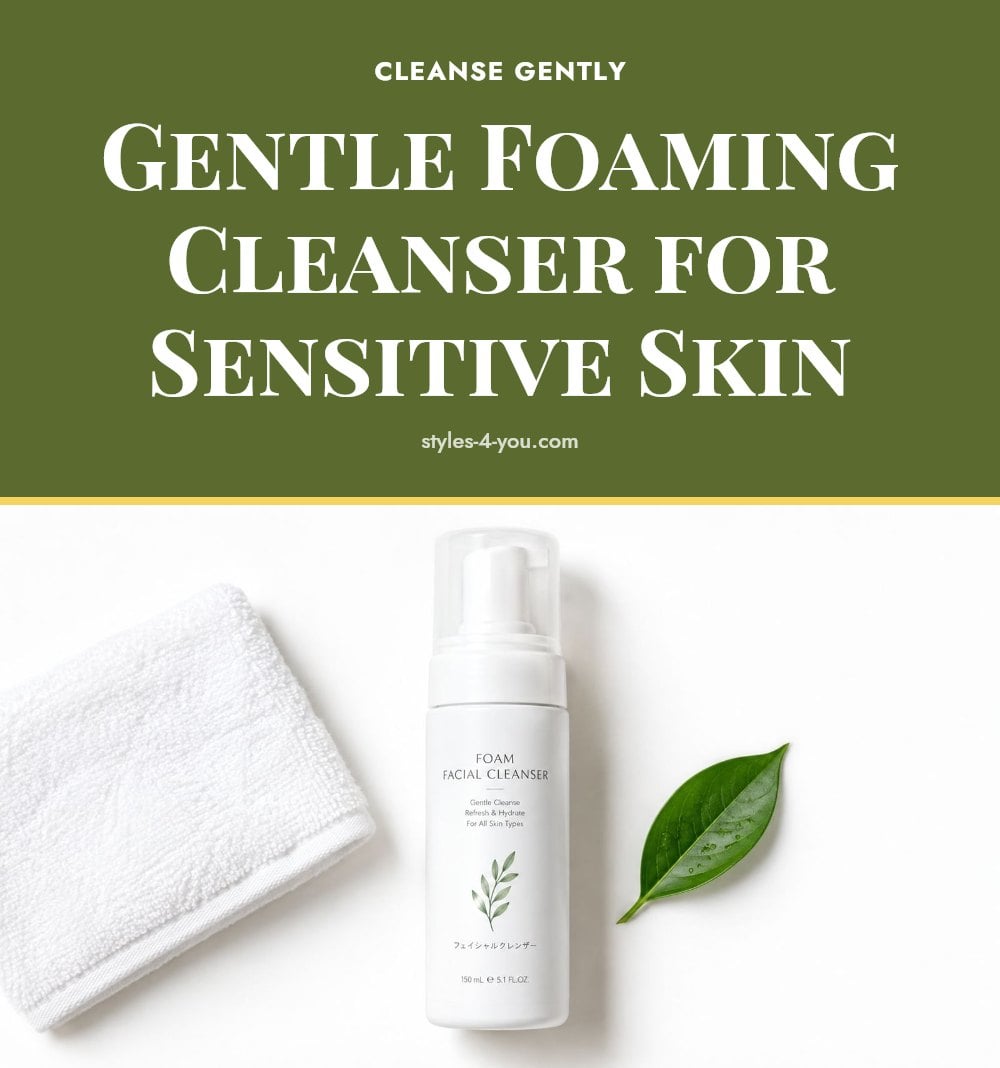
Start with a mild, pH-balanced cleanser to avoid stripping your skin’s natural oils. Stripping those oils can compromise your skin barrier and worsen redness. Wash with lukewarm water, since hot water can increase sensitivity and redness.
My tip: Gently pat your skin dry with a soft towel instead of rubbing. Rubbing can further irritate already sensitive skin.
2. Strengthen Your Skin Barrier
A compromised skin barrier is a common culprit behind redness and sensitivity. When it’s weak, it struggles to protect against irritants and moisture loss. Incorporate ingredients like ceramides, hyaluronic acid, and glycerin into your routine.
These ingredients help reinforce your skin’s natural protective layer, locking in moisture and reducing irritation. My tip: Look for moisturizers specifically formulated with these barrier-supporting components.
3. Soothe with Anti-Inflammatory Ingredients
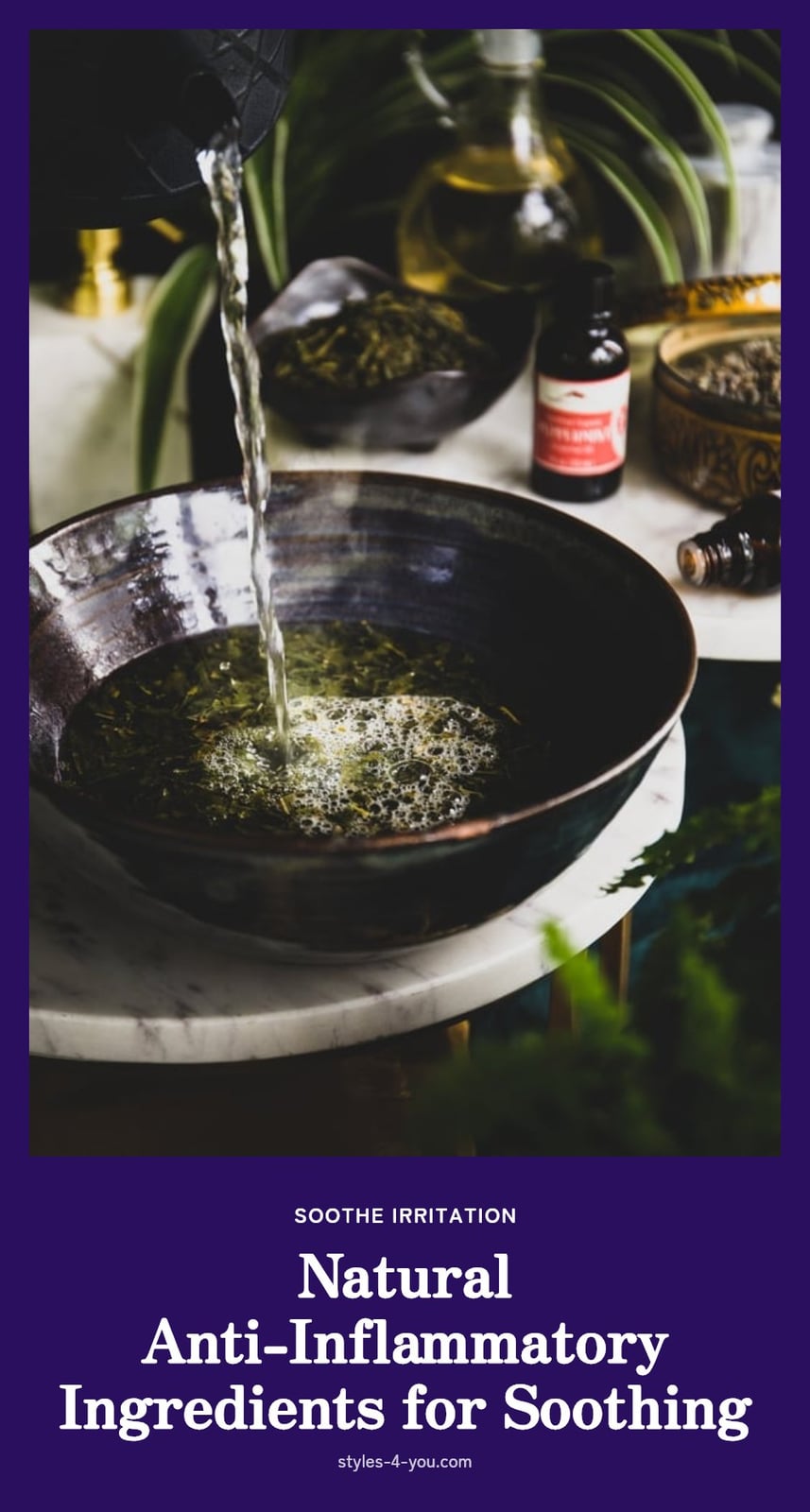
Aloe vera is a fantastic natural remedy known for its anti-inflammatory and soothing properties, which can calm irritated skin. Colloidal oatmeal offers powerful anti-inflammatory effects, relieving itching and redness, especially for sensitive skin. Green tea contains polyphenols that act as antioxidants and anti-inflammatories, helping to reduce redness when applied topically.
4. Protect Your Skin from the Sun
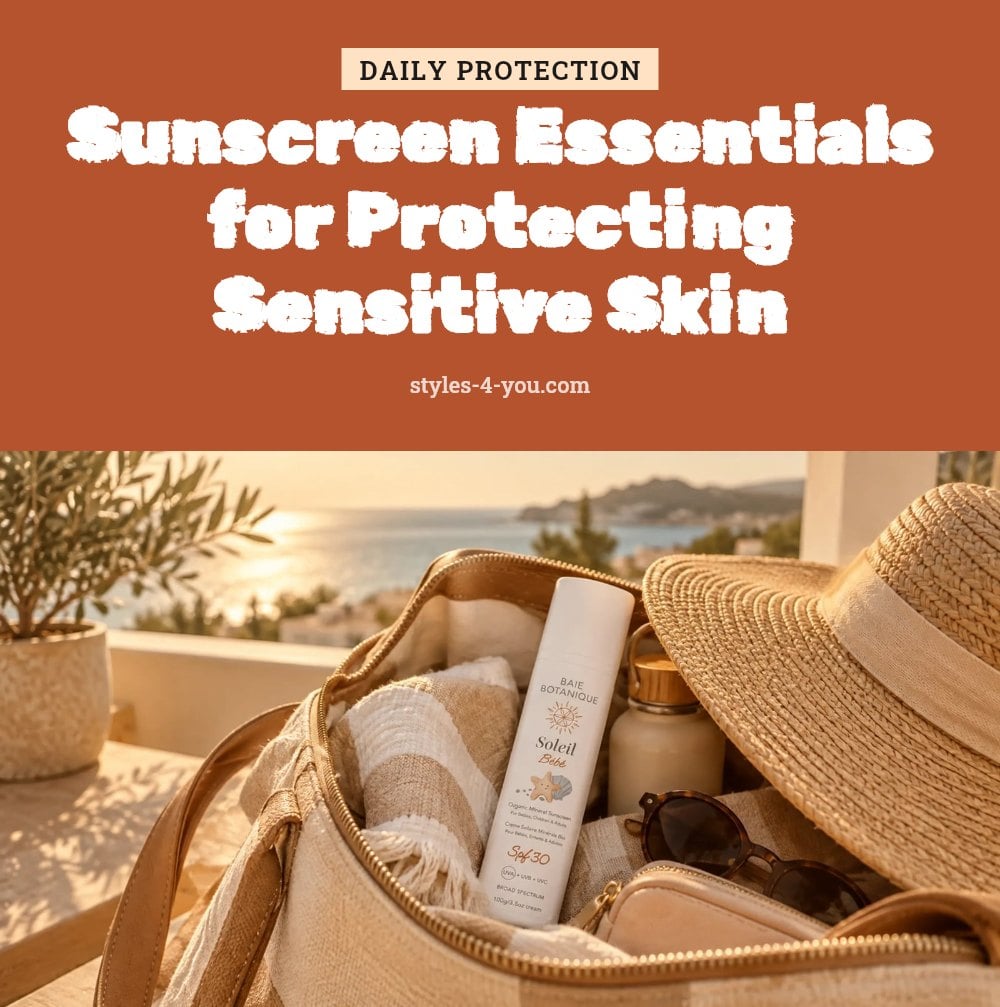
Sun protection is non-negotiable for managing facial redness. UV exposure can significantly worsen many conditions that cause it, from rosacea to general sensitivity. Apply a broad-spectrum sunscreen with an SPF of 30 or higher every single day, even on cloudy days.
Tip: Look for mineral sunscreens with zinc oxide or titanium dioxide. They are often gentler on sensitive, red skin than chemical filters.
5. Identify and Avoid Triggers
Many factors can trigger or worsen facial redness, including certain skincare products, environmental elements, and even specific foods. Keep a journal to track potential triggers such as spicy foods, alcohol, hot drinks, stress, or strong fragrances in products.
Good to know: Patch test new skincare products on a small area of your skin before applying them to your entire face. This helps you check for reactions without risking a full-face flare-up.
6. Use Cool Compresses for Relief
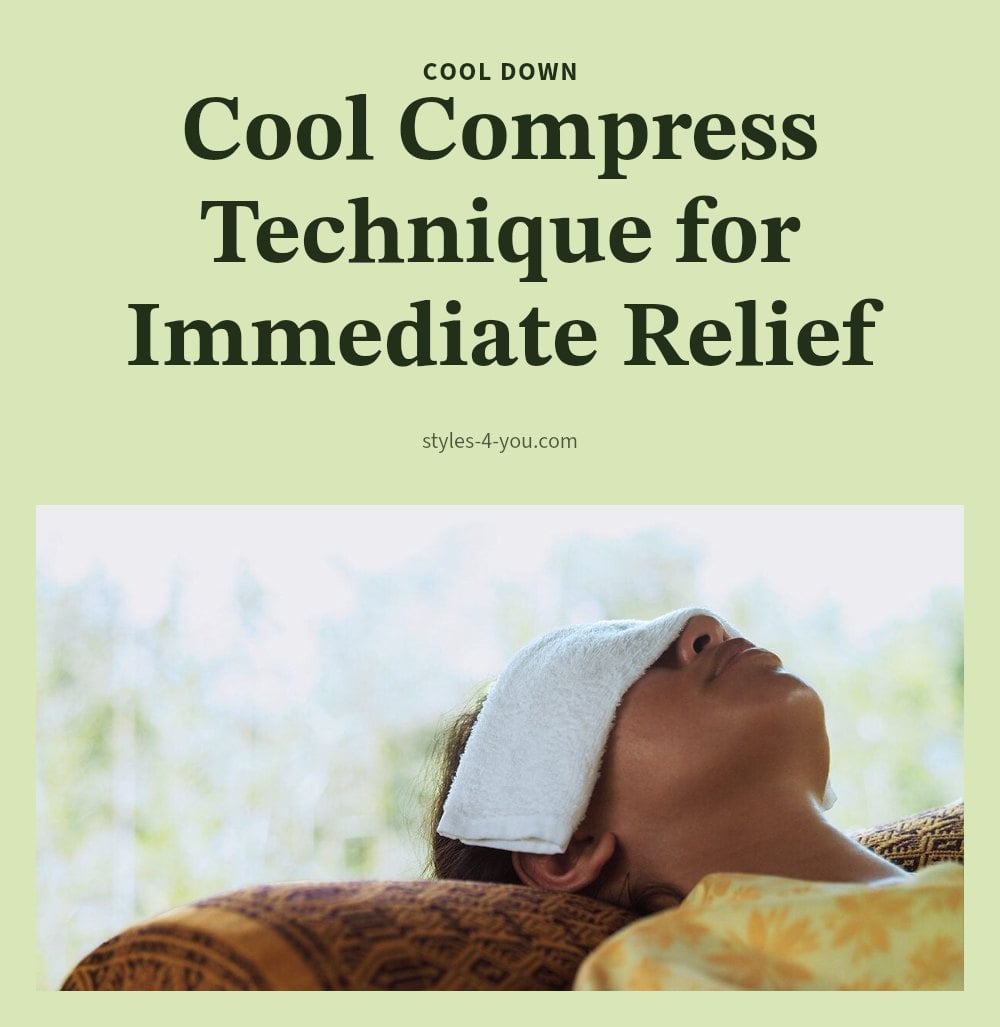
For immediate relief from flushing or sudden redness, a cool compress can be incredibly soothing. The cool temperature helps to constrict blood vessels and reduce inflammation temporarily.
Pro move: Soak a soft washcloth in cool water, wring it out, and gently place it on the affected areas for 5-10 minutes. Never apply ice directly to your skin, as it can cause frostbite.
7. Manage Stress Levels
Stress can be a significant trigger for various skin conditions, including those that cause facial redness like rosacea. Incorporating stress-reducing activities into your daily routine can help manage flare-ups.
Quick tip: Try practices like yoga, meditation, deep breathing exercises, or simply taking time for hobbies you enjoy. Consistency matters more than intensity.
8. Be Patient with Your Skin
Reducing facial redness takes time and consistency. Don’t expect overnight results, especially if you’re dealing with a chronic condition like rosacea or eczema. Consistent use of a gentle skincare routine may show improvement over several weeks to months.
Tip: Stick with a routine for at least 4-6 weeks before deciding if it’s working. Introducing too many new products at once can make it harder to identify what’s helping or hurting.
When to Consult a Dermatologist
If your facial redness is persistent, worsening, or accompanied by severe itching, pain, swelling, or pus, it’s time to see a professional. A dermatologist can accurately diagnose underlying medical conditions such as rosacea, eczema, or allergic contact dermatitis. They can also recommend prescription treatments or in-office procedures that may be more effective for severe cases.
Frequently Asked Questions
What causes sudden facial redness?
Sudden facial redness can be triggered by a variety of factors, including exposure to hot or cold weather, spicy foods, alcohol, stress, or a reaction to a new skincare product. It may also be a temporary flush from exercise or embarrassment. If it happens frequently or is accompanied by pain, check with a dermatologist.
Can diet affect facial redness?
Yes, certain foods and drinks can trigger flushing or redness, especially in people with rosacea. Common culprits include spicy foods, alcohol, and hot beverages. Keeping a food diary can help you identify your personal triggers. If you suspect a specific food is causing a reaction, try eliminating it for a few weeks to see if your skin improves.
How long does it take for redness to go away?
It depends on the cause. A temporary flush from heat or stress may fade within minutes to hours. For redness caused by irritation or a compromised skin barrier, improvement can take several weeks to months of consistent gentle care. Chronic conditions like rosacea or eczema require ongoing management and may not fully disappear.
Is it okay to wear makeup over red skin?
Yes, but choose products labeled non-comedogenic, fragrance-free, and formulated for sensitive skin. Mineral makeup with ingredients like zinc oxide can also provide a soothing effect and sun protection. Avoid heavy, full-coverage foundations that may irritate red skin further. Always remove makeup gently at the end of the day.
What is the best type of cleanser for red skin?
A mild, pH-balanced cleanser that is fragrance-free and non-foaming is best for red, sensitive skin. Look for formulas with soothing ingredients like colloidal oatmeal or aloe vera. Avoid cleansers with alcohol, strong detergents, or exfoliating beads. My tip: Use lukewarm water and pat your face dry with a soft towel.
Final Thoughts
For lasting relief, focus on building a consistent, gentle routine that protects your skin barrier and avoids known triggers. It can take several weeks to months of steady care before you see significant improvement, especially with chronic conditions like rosacea. Stick with what works for your skin, and don’t hesitate to see a dermatologist if the redness doesn’t settle.
This article provides general information for educational purposes and is not a substitute for professional medical advice. If you have persistent, worsening, or severe facial redness, or if it is accompanied by pain, swelling, or discharge, please consult a dermatologist or healthcare provider for a proper diagnosis and treatment plan.
More Blog ideas
- Your Essential Guide to a Healthy Feminine Hygiene Routine
- Best High Protein Foods to Eat Daily for Health and Energy
- Feeling Stuck: 12 Small Steps to Get Unstuck
- Winter Skin Survival Tips
- How to Get a Flat Stomach
- How to Fix Damaged Hair and Restore Its Health
- Full-Body Kettlebell Workout
- Dry Scalp vs. Dandruff
- Full Body Workout for Beginners
- 21 Easy Beauty Tips Every Woman Should Know
- Feminine Energy: 15 Daily Habits to Feel More Radiant
- Upper Body Workout for Women at Home






