How to Keep a Gratitude Journal for a Happier Life
Learn how to keep a gratitude journal with easy steps and practical tips. Cultivate a more positive outlook and reduce stress in your daily life.


If you’ve ever felt stuck in a loop of negative thoughts, a gratitude journal might be the gentle reset you need. It’s a simple practice where you regularly jot down things you’re thankful for, helping you notice the good that’s already around you. This article walks you through what you need, how to start, and how to keep it going, so you can build a habit that supports a more positive outlook.
Key Takeaways
- Write 3 to 5 specific things you’re grateful for, a few times a week.
- Choose a consistent time, like morning or evening, that fits your routine.
- Get specific: describe why you’re grateful, not just the item.
- Re-read past entries to boost positive feelings.
- Take a break when needed; consistency matters more than perfection.
What is a Gratitude Journal and Why Start One?
A gratitude journal is a personal record where you consistently note things you’re thankful for. It helps shift your focus from negative to positive aspects of life, potentially boosting overall well-being and reducing stress. The practice is about acknowledging good alongside challenges, not ignoring difficulties.
Gather Your Gratitude Journaling Essentials

You don’t need much to get started, but having the right tools can make the practice feel more intentional.
- Notebook or journal: A physical book gives you a tangible space for reflection. Choose one you enjoy holding and writing in.
- Pen or pencil: Writing by hand slows you down and makes the process feel deliberate. Any pen works, but a smooth one helps.
- Digital app: Apps offer convenience and privacy for on-the-go journaling. They work well if you prefer typing or want to jot down a thought quickly.
Simple Steps to Start Your Gratitude Journal
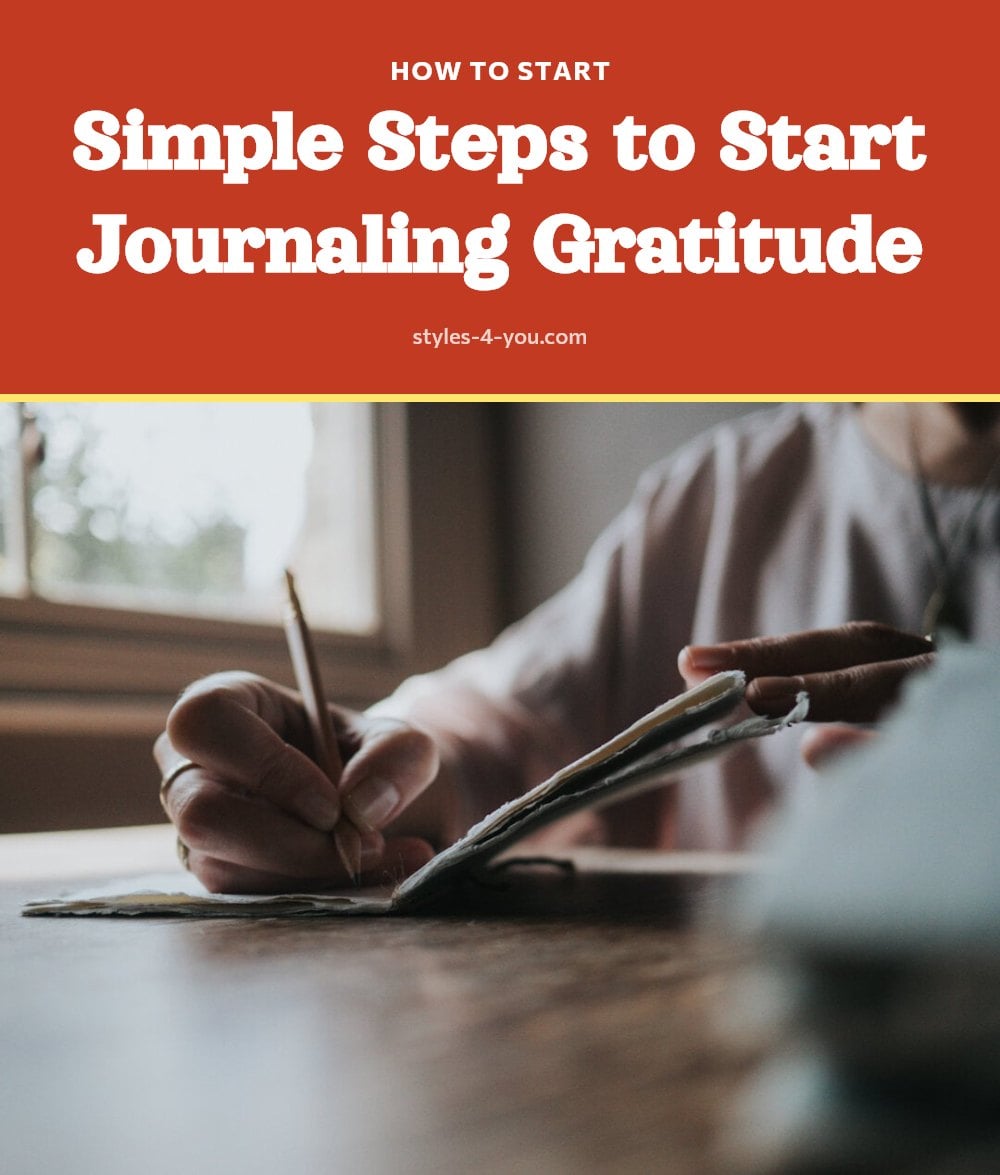
Starting a gratitude journal doesn’t have to feel complicated. These steps help you build a simple, sustainable habit.
- Pick a consistent time: Choose a time of day that fits your routine. Many people prefer morning to set a positive tone or evening to reflect on the day. The key is consistency, not perfection.
- List 3-5 specific things: Start small. Instead of writing “my family,” try “the way my partner made coffee for me this morning.” Specifics make the gratitude feel real.
- Reflect on the why: After each item, spend a moment thinking about why it matters to you. This deepens your appreciation and makes the entry more meaningful.
- Aim for consistency over quantity: Even two minutes a day is enough if you do it regularly. A short, genuine entry beats a long list you forced yourself to write.
My tip: If you miss a day, don’t stress. Just pick up where you left off. The goal is to build a habit, not to be perfect.
Prompts and Ideas for Your Daily Gratitude
Stuck on what to write? These prompts help you find gratitude in everyday life.
- A small moment of joy: What made you smile today? A funny video, a good song, or a warm cup of coffee.
- Someone who supported you: Think of a friend, family member, or coworker who helped you recently. Be specific about what they did.
- A skill you used: Did you solve a problem at work, cook a new recipe, or fix something around the house? Recognize your own ability.
- A challenge you overcame: Even small obstacles count. What did you handle well today?
- A simple pleasure: The feel of sunshine, the taste of a ripe apple, the quiet of early morning. These count.
Expert Tips for a Meaningful Gratitude Practice

To get more out of your gratitude journal, focus on the details. Instead of writing ‘my family,’ try ‘my sister’s funny text that made me laugh this morning.’ Specific entries help you relive the moment and make the feeling stronger.
Periodically re-read old entries. It’s a simple way to remind yourself of the positives that have already happened, which can be especially helpful on tougher days.
Don’t feel pressured to only write about profound events. Small joys, like a warm drink or a sunny afternoon, count just as much. They help you notice the everyday goodness around you.
And remember, it’s okay to skip a day. Consistency is key, but perfection isn’t the goal. The practice should feel like a support, not a chore.
Common Gratitude Journaling Mistakes to Avoid
One of the biggest pitfalls is writing generic entries like ‘my health’ or ‘my job’ without explaining why. Instead, get specific: ‘I’m grateful for my health because I had energy to take a walk after work.’ That detail makes the gratitude feel real and personal.
Another common mistake is expecting instant results. You won’t feel dramatically different overnight, and that’s normal. Benefits tend to build over several weeks or months of consistent practice, so give it time.
Be careful not to use your journal as toxic positivity. The goal isn’t to suppress negative emotions or pretend everything is perfect. It’s about acknowledging the good alongside the challenges. If you’re having a rough day, it’s okay to write about that too, or simply skip an entry.
Finally, don’t compare your entries or progress to anyone else’s. Your gratitude journey is unique. What matters is that it’s meaningful to you, not that it looks like someone else’s.
When to Seek Professional Support
A gratitude journal works best as one tool in your wellness routine, not a replacement for professional care. If you’re dealing with severe or persistent sadness, anxiety, or hopelessness, talk to a doctor or mental health professional. They can offer guidance and treatment options that journaling alone can’t provide.
Also, pay attention to how the practice feels. If writing in your journal feels overwhelming or seems to make negative feelings worse, that’s a sign to check in with a professional. Journaling should support your mental health, not add to your burden.
Frequently Asked Questions
How often should I write in my gratitude journal?
Many people aim for daily entries, but a few times a week is also effective. The key is consistency over quantity. Pick a rhythm that feels sustainable for you, whether that’s every morning or every other evening, and stick with it.
What if I can’t think of anything to be grateful for?
It happens to everyone. Start with the basics: a roof over your head, a warm meal, or a kind word from a stranger. Look for small moments, like a good song on the radio. If you’re truly stuck, take a break and come back later; forcing it can make the practice feel like a chore.
Can I use a digital app instead of a physical journal?
Absolutely. A digital app or a simple notes document works just as well as a paper notebook. The best tool is the one you’ll actually use. Choose what feels most comfortable and convenient for you.
Will a gratitude journal cure my anxiety or depression?
A gratitude journal is a complementary practice, not a cure. It can help shift your focus and improve your mood, but it should not replace professional treatment. If you’re experiencing severe or persistent sadness, anxiety, or hopelessness, talk to a doctor or mental health professional.
Final Thoughts
My tip: keep your journal somewhere you’ll see it, like on your nightstand, and pair it with an existing habit, such as your morning coffee. Realistic expectation: you might not feel a shift overnight, but many people notice a brighter perspective after several weeks of consistent practice. Start small, be honest, and let gratitude become a gentle companion, not another chore.
This article is for general information only and is not a substitute for professional medical or psychological advice. If you have concerns about your mental health or are experiencing persistent symptoms, please consult a qualified healthcare provider.
More Blog ideas
- Your Essential Guide to a Healthy Feminine Hygiene Routine
- Best High Protein Foods to Eat Daily for Health and Energy
- Feeling Stuck: 12 Small Steps to Get Unstuck
- Winter Skin Survival Tips
- How to Get a Flat Stomach
- How to Fix Damaged Hair and Restore Its Health
- Full-Body Kettlebell Workout
- Dry Scalp vs. Dandruff
- Full Body Workout for Beginners
- 21 Easy Beauty Tips Every Woman Should Know
- Feminine Energy: 15 Daily Habits to Feel More Radiant
- Upper Body Workout for Women at Home






