How to Grow Hair Faster: A Complete Guide to Growing Hair
Growing hair: Learn how to grow hair faster by focusing on scalp health, nutrition, and gentle care to minimize breakage and achieve longer, stronger locks.

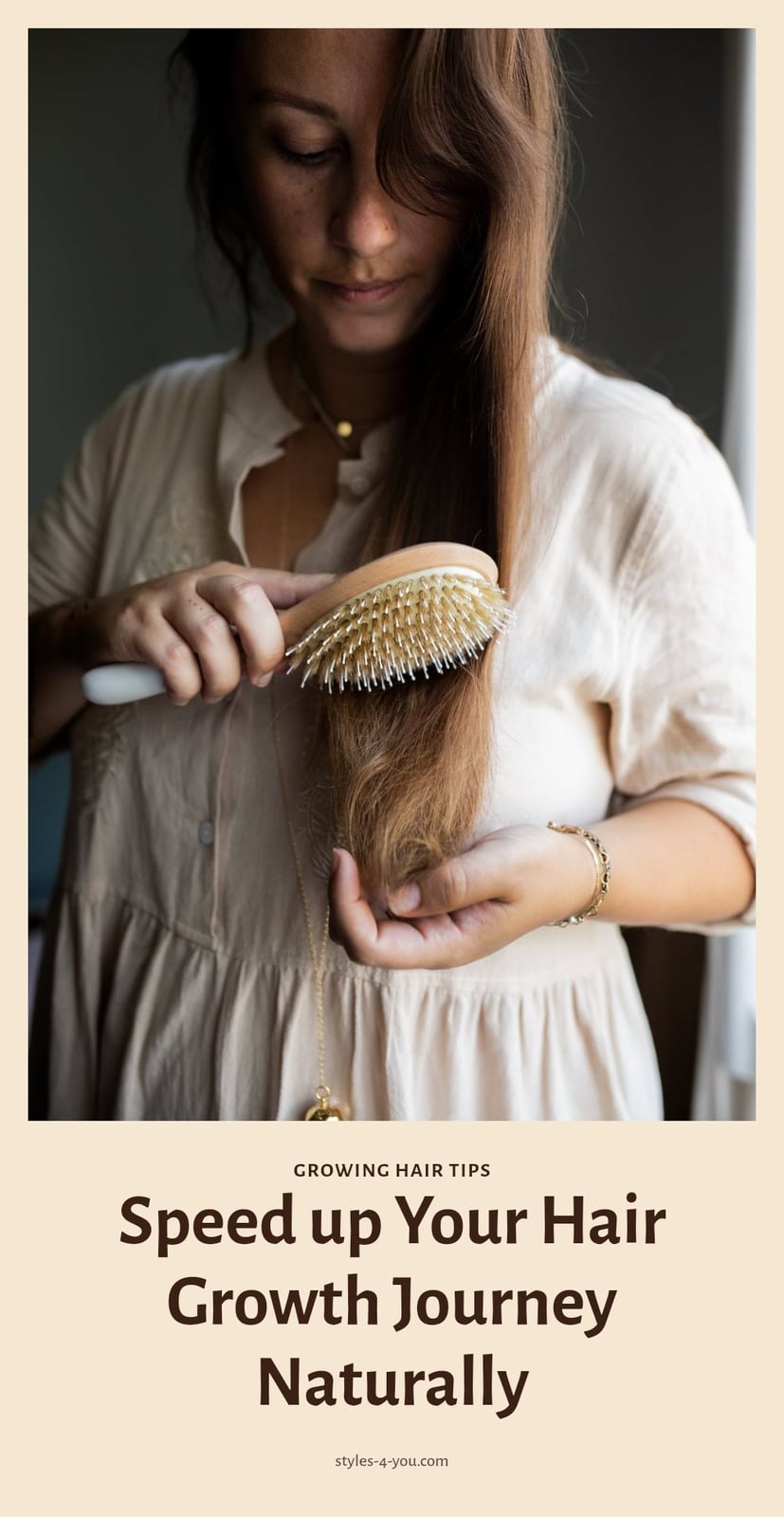
If you’ve been waiting what feels like forever for your hair to get longer, you’re not alone. The truth is, hair naturally grows about half an inch each month, and that speed is mostly set by your genetics. This article breaks down a realistic routine that focuses on reducing breakage and keeping your scalp healthy, so you can actually keep the length you grow.
By shifting your focus from quick fixes to consistent care, you’ll give your hair the best chance to reach its full potential. Let’s walk through the essentials, the science, and the common pitfalls so you can stop losing progress and start seeing real results.
Key Takeaways
- Hair grows about half an inch per month, and genetics determine that rate.
- Focus on reducing breakage to keep the length you grow.
- Use a gentle, sulfate-free shampoo and condition only the mid-lengths and ends.
- Get a trim every 8 to 12 weeks to prevent split ends from traveling up.
- Eat a balanced diet rich in protein, B vitamins, iron, and zinc for healthy growth.
The Truth About Growing Hair Faster
Hair grows about half an inch per month, and that rate is mostly determined by your genetics. You can’t drastically speed up natural growth no matter what product claims. My tip: shift your focus to reducing breakage and improving scalp health. When you stop losing length to damage, your hair will appear to grow faster and actually get longer.
Your Hair Growth Essentials Kit
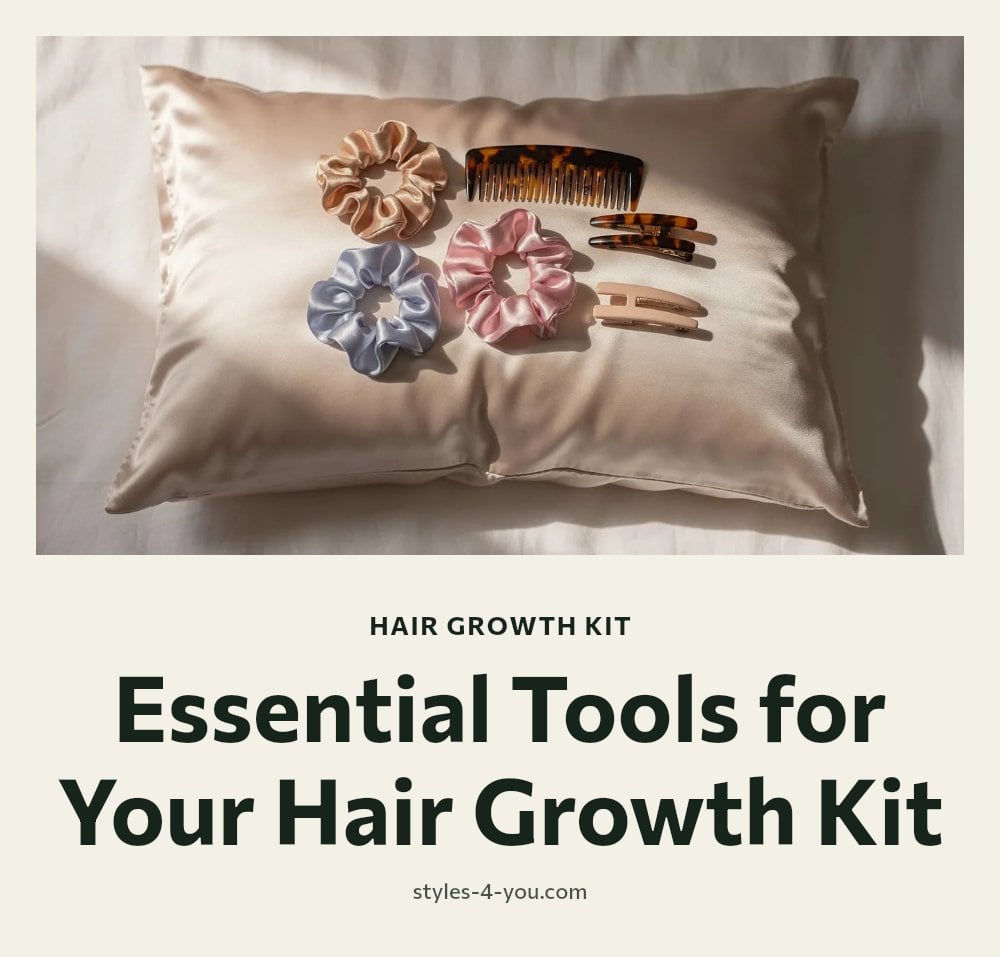
Building a hair growth routine starts with the right tools. Here is what you need in your kit:
- Gentle, sulfate-free shampoo and conditioner. They clean without stripping natural oils.
- Leave-in conditioner or hair oil. Protects ends from daily wear and dryness.
- Wide-tooth comb. Detangles wet hair without snapping strands.
- Heat protectant spray. Shields hair from styling tool damage.
- Silk or satin pillowcase. Reduces friction so you wake up with less breakage.
Your Daily and Weekly Hair Growth Routine
- Cleanse and condition gently. Focus the shampoo on your scalp to remove buildup, then apply conditioner only to the mid-lengths and ends. Rinse with cool water to seal the cuticle.
- Detangle wet hair. Use a wide-tooth comb starting at the ends and working upward. Wet hair is fragile, so go slowly to avoid snapping strands.
- Apply leave-in products. Smooth a leave-in conditioner or a few drops of hair oil onto the ends while hair is still damp. This seals in moisture and prevents split ends.
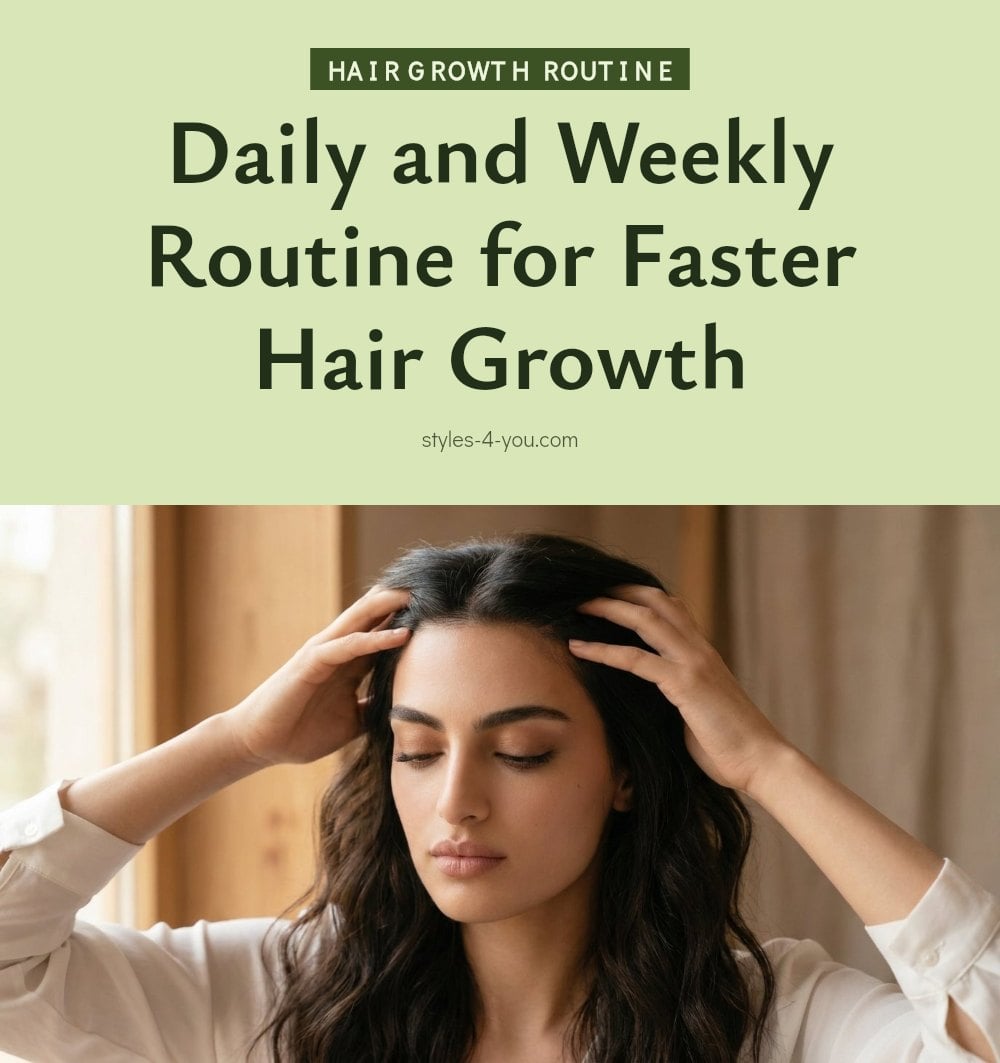
- Massage your scalp. Use your fingertips to make small circular motions for 2-3 minutes once a week. This stimulates blood flow to the follicles, which may support growth.
- Protect before heat styling. Mist a heat protectant evenly over damp hair before using a blow dryer, flat iron, or curling wand. Never skip this step.
- Deep condition weekly. Swap your regular conditioner for a deep conditioning mask once a week. Leave it on for the time specified on the label to restore strength and elasticity.
The Science Behind Hair Growth
How Hair Grows
Hair grows from follicles in your scalp, and each strand goes through three phases: anagen (the active growth phase), catagen (a short transition), and telogen (a resting period before shedding). Your genetics set the length of the anagen phase, which determines how long your hair can grow and how fast it grows.
What Affects Growth
Nutrition and overall health play a major role. A balanced diet with enough protein, B vitamins, vitamin C, D, E, iron, and zinc gives your follicles the building blocks they need. Stress and poor health can push more hairs into the shedding phase, so managing your general wellness supports consistent growth.
Common Mistakes That Hinder Hair Growth
One of the biggest myths is that frequent trims make hair grow faster. Trims only remove split ends, which prevents them from traveling up the shaft and causing more breakage. You don’t need a trim every month; every 8 to 12 weeks is enough to keep ends healthy.
Over-brushing, especially on wet hair, is another habit that works against you. Wet hair is more elastic and prone to snapping. Use a wide-tooth comb instead, and start from the ends, working your way up.
Ignoring your scalp is a common mistake. Your follicles need a clean, healthy environment to function. Gently exfoliate your scalp once a week and massage it to boost circulation.
Harsh shampoos with sulfates strip natural oils, leaving hair dry and brittle. Switch to a gentle, sulfate-free formula.
Finally, tight hairstyles like ponytails or buns can cause traction alopecia, a type of hair loss from constant pulling. Opt for loose styles and vary your part to reduce tension.
Smart Tips for Stronger, Longer Hair
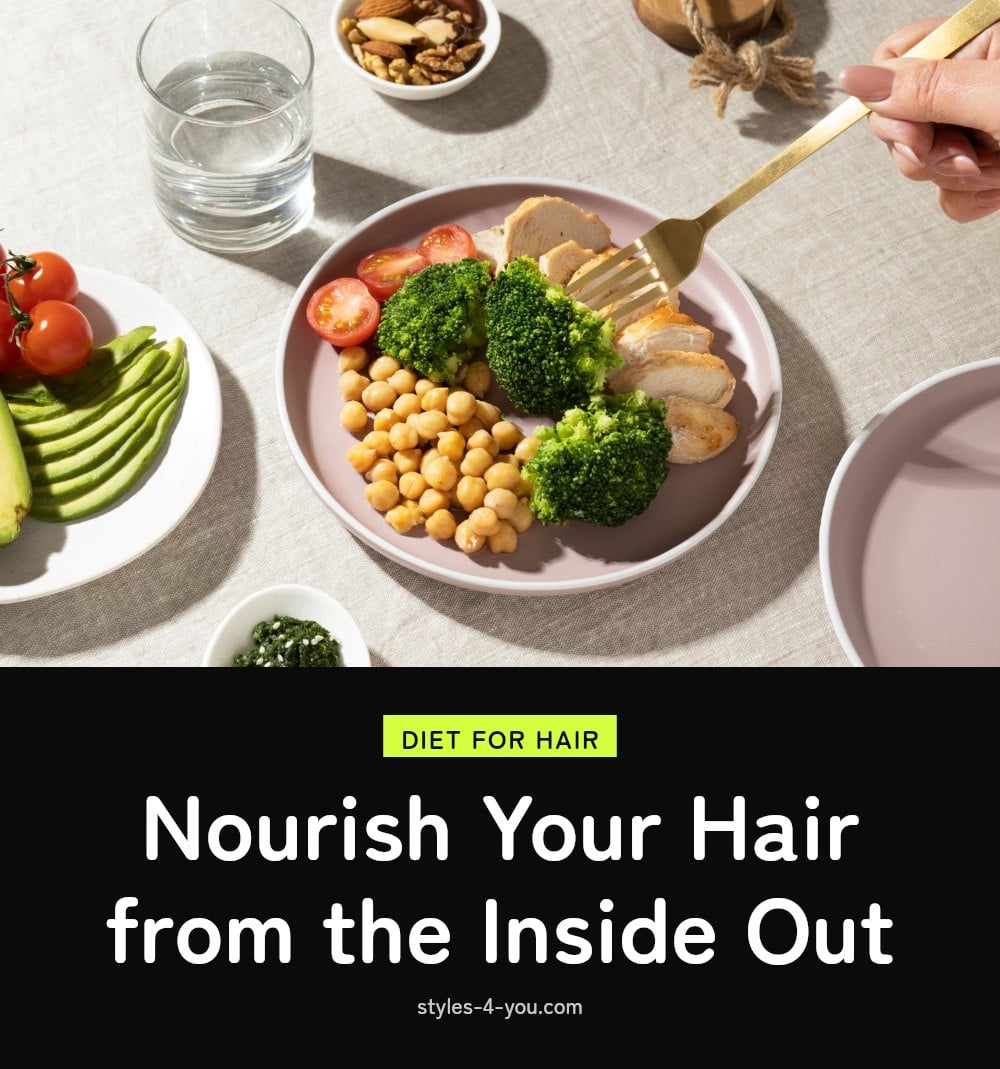
Your hair’s health starts from within. Eat a balanced diet rich in protein, vitamins (especially B, C, D, E), and minerals like iron and zinc. These nutrients support the follicles’ growth cycle and help prevent shedding.
Protect your hair from sun and environmental damage, just like you protect your skin. Wear a hat on sunny days, and rinse hair after swimming in chlorinated or salt water.
Switch to a silk or satin pillowcase to reduce friction while you sleep, which minimizes breakage and frizz. My tip: get regular trims every 8-12 weeks to remove split ends before they travel up the shaft and cause more damage.
Manage stress through exercise, meditation, or hobbies. Chronic stress can push follicles into the resting phase, leading to increased shedding. Consistency in these habits will help you see the length you’re working toward.
What to Expect: Timeline for Noticeable Growth
Hair grows about half an inch per month, so noticeable length changes take several months to a year. Consistency in your care routine matters more than any single product. Costs vary widely, from drugstore basics to high-end treatments, but you can achieve healthy growth at any budget. Focus on gentle handling, regular trims, and scalp care, and you will see progress over time.
When to Consult a Professional
See a doctor or dermatologist if you notice sudden or significant hair loss, as it could signal an underlying health issue. Persistent scalp irritation, redness, or itching also warrants professional attention, especially if it doesn’t improve with gentler products.
If you suspect a medical condition is affecting your hair growth, such as a thyroid problem or nutritional deficiency, get it checked. A professional can also offer personalized advice on hair loss or specific scalp concerns, helping you rule out serious causes and find a targeted plan.
Frequently Asked Questions
How long does it really take to grow hair faster?
Since hair grows about half an inch per month, noticeable length changes take several months to a year. You can’t speed up the natural rate, but by reducing breakage and improving scalp health, you’ll retain more of the growth you do get, which makes it look like it’s growing faster.
Can stress actually stop hair from growing?
Yes, stress can impact the hair growth cycle and potentially lead to increased shedding. High stress levels can push more follicles into the resting (telogen) phase, causing noticeable thinning. Managing stress through rest, exercise, or relaxation techniques can help keep your growth cycle on track.
Are hair supplements worth it for faster growth?
Supplements can help if you have a deficiency in key nutrients like iron, zinc, or B vitamins, but they won’t override your genetics. It’s best to consult a doctor before starting any supplement, especially biotin or vitamin D, to see if you actually need them. A balanced diet is usually enough for most people.
Does washing hair less often help it grow?
Washing less often can help if you use a harsh shampoo that strips natural oils, which leads to dryness and breakage. However, not washing enough can allow buildup on the scalp that may clog follicles. The key is to wash as often as needed for your hair type with a gentle, sulfate-free shampoo.
What are the best foods for hair growth?
A diet rich in protein (eggs, fish, beans), vitamins B, C, D, and E, and minerals like iron and zinc supports healthy hair growth. Leafy greens, nuts, seeds, and citrus fruits are great choices. These nutrients help fuel the follicles and keep the growth cycle running smoothly.
Final Thoughts
Your best bet for longer hair is to stop fighting your genetics and start protecting what you have. Stick with a gentle routine: wash less often with a mild shampoo, always condition the ends, and use a wide-tooth comb on wet hair. Expect to see a real difference in length and health after about six months of consistent care, not overnight. Remember, healthy hair that stays on your head is already winning the growth game.
This article provides general information about hair care and growth. It is not a substitute for professional medical advice. If you experience sudden or significant hair loss, persistent scalp irritation, or any other concerning symptoms, please consult a doctor or dermatologist.
More Blog ideas
- Your Essential Guide to a Healthy Feminine Hygiene Routine
- Best High Protein Foods to Eat Daily for Health and Energy
- Feeling Stuck: 12 Small Steps to Get Unstuck
- Winter Skin Survival Tips
- How to Get a Flat Stomach
- How to Fix Damaged Hair and Restore Its Health
- Full-Body Kettlebell Workout
- Dry Scalp vs. Dandruff
- Full Body Workout for Beginners
- 21 Easy Beauty Tips Every Woman Should Know
- Feminine Energy: 15 Daily Habits to Feel More Radiant
- Upper Body Workout for Women at Home