Homemade Hair Masks for Hair Growth and Shine
Transform dull, dry hair with homemade hair masks! Learn how to mix natural ingredients for growth and shine, with easy recipes and application tips.

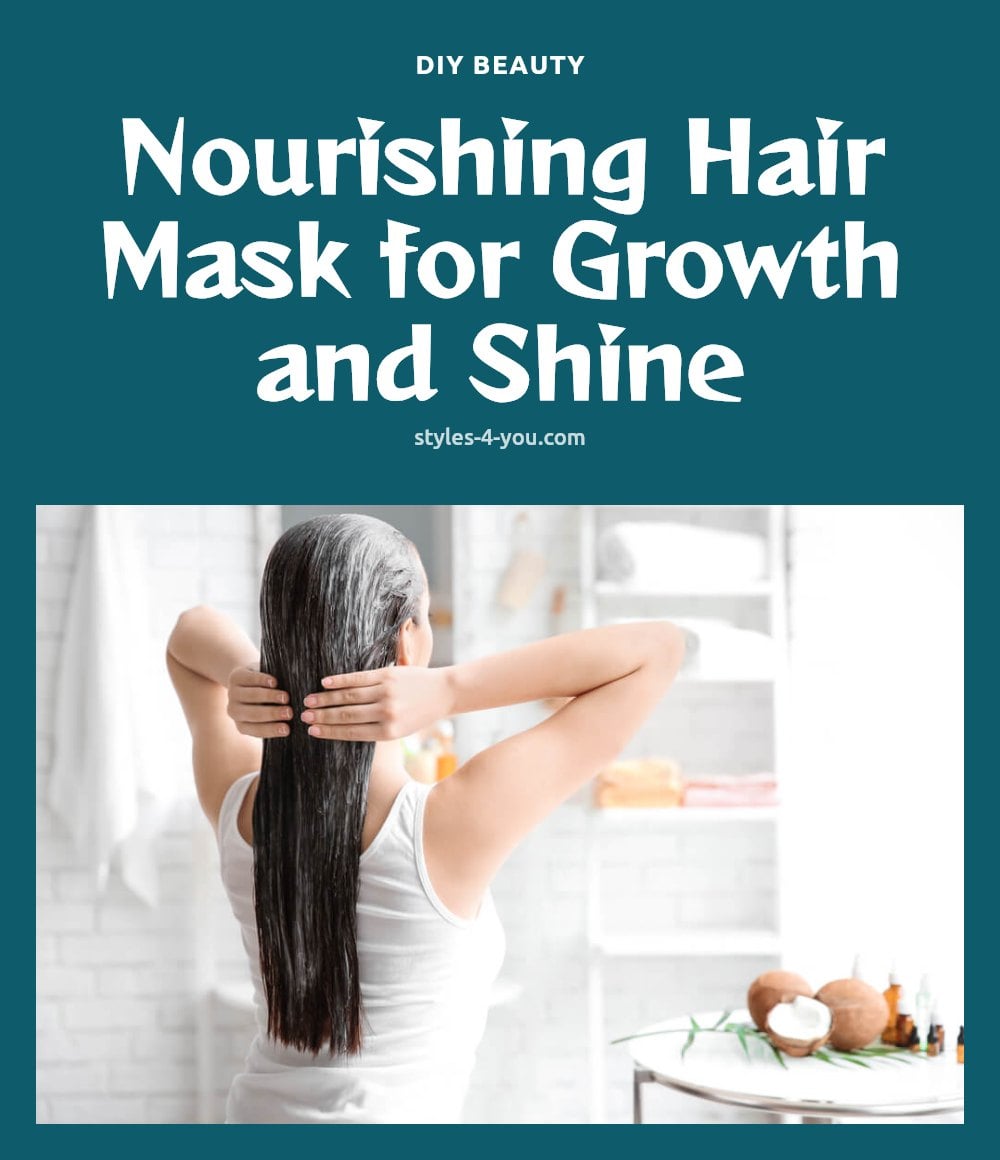
You want shinier, healthier hair that grows faster, but store-bought treatments can be pricey and full of ingredients you can’t pronounce. That’s where homemade hair masks come in. This article covers the best natural ingredients for growth and shine, simple recipes you can whip up in your kitchen, and how to use them correctly for real results.
Key Takeaways
- Use homemade masks once or twice a week for 20-30 minutes for best absorption.
- Eggs provide protein to strengthen strands, while honey draws in moisture for shine.
- Always apply masks to clean, damp hair so ingredients penetrate effectively.
- Rinse thoroughly with lukewarm water to avoid greasy residue.
- Consistency over weeks is key; growth takes time, but shine may improve sooner.
Why Homemade Hair Masks Are Great for Growth and Shine
Homemade hair masks pack concentrated natural ingredients that penetrate deeper than your daily conditioner. They target specific concerns like slow growth and dullness by delivering protein, moisture, and nutrients directly to the hair shaft and scalp. Regular conditioners mostly coat the surface, but a well-made mask can strengthen strands, improve elasticity, and boost shine from the inside out. Consistency matters most, especially for growth. Applying a mask once or twice a week for several weeks gives ingredients time to work, though visible length increase takes months of steady use.
Essential Ingredients for DIY Hair Masks
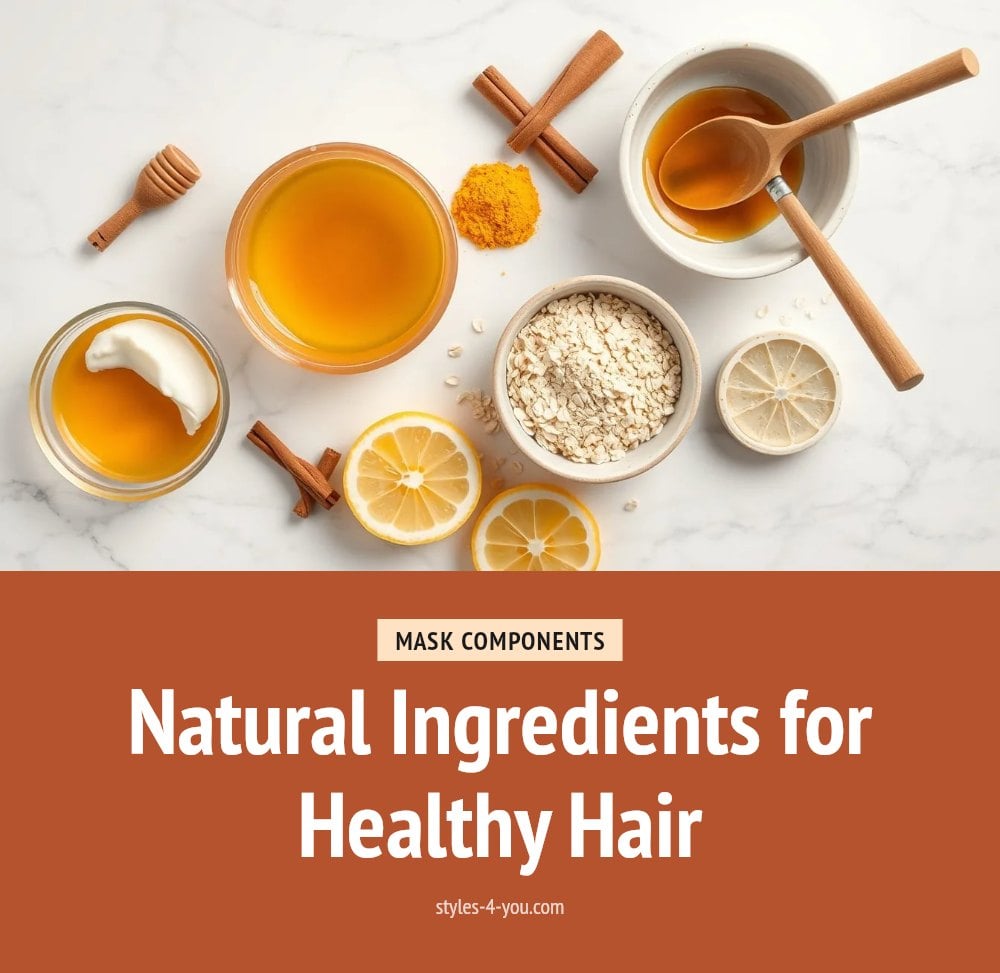
Each ingredient in a DIY hair mask serves a specific purpose. Here are the most effective ones for growth and shine.
- Eggs: Packed with protein to strengthen hair strands and reduce breakage, supporting longer hair.
- Honey: A natural humectant that draws moisture into the hair, boosting hydration and shine.
- Coconut oil or olive oil: Deeply condition by penetrating the hair shaft, adding softness and luster.
- Aloe vera: Soothes the scalp while conditioning hair, creating a healthy environment for growth.
- Apple cider vinegar: Balances scalp pH and smooths the cuticle for extra shine.
Favorite Recipes for Hair Growth and Shine
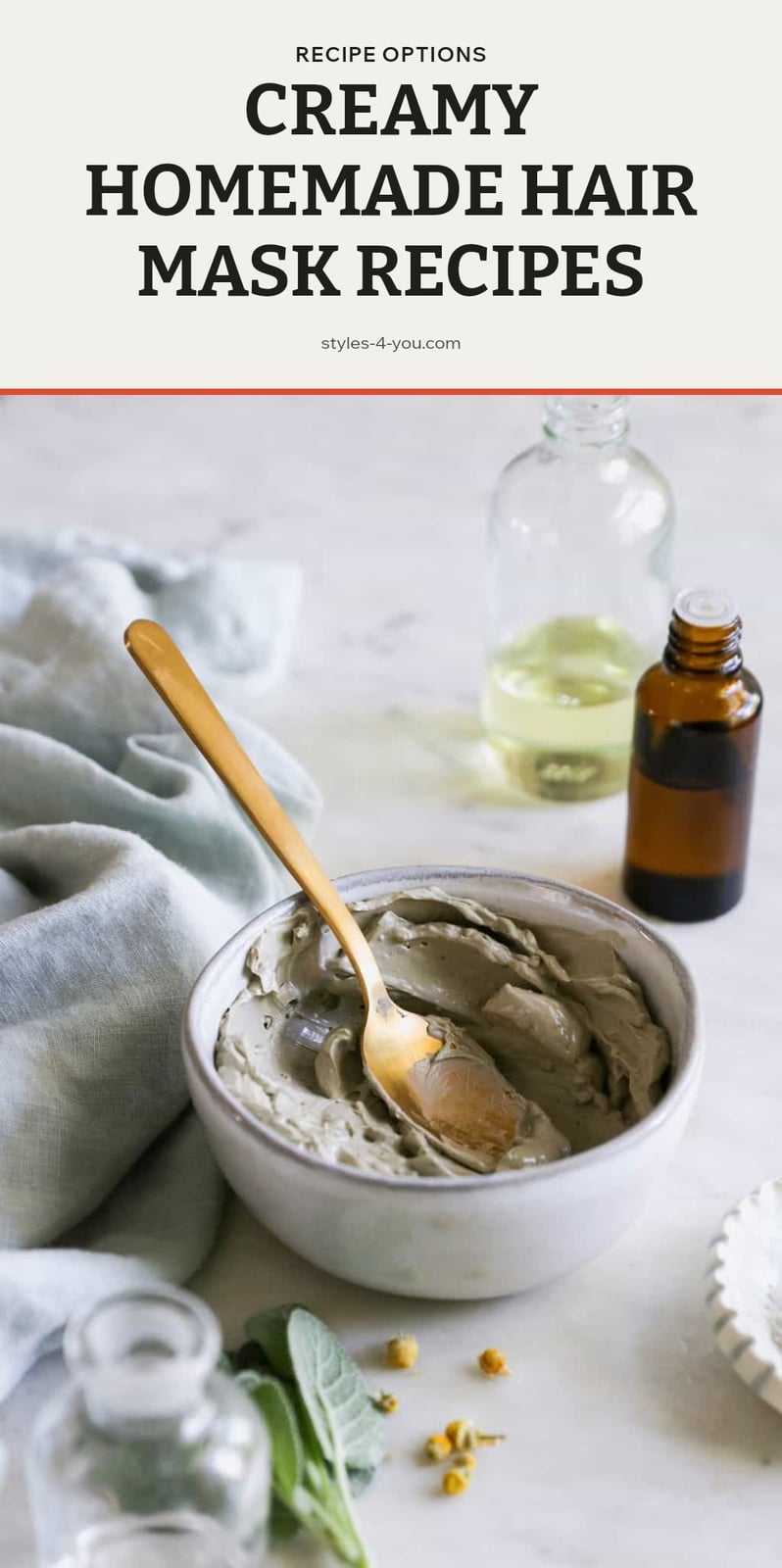
Protein Powerhouse Mask
Combine 1 egg with 2 tablespoons of plain yogurt. The egg provides strengthening protein, while yogurt adds lactic acid to gently cleanse and soften. Apply to damp hair from roots to ends. My tip: Rinse with cool water to prevent the egg from cooking in hot water.
Shine Booster Mask
Mix 2 tablespoons of honey with 2 tablespoons of olive oil. Honey locks in moisture, and olive oil seals the cuticle for a glossy finish. Warm the mixture slightly before applying for better penetration. My tip: Focus this mask on your mid-lengths and ends, where dryness dulls shine the most.
Scalp Stimulator Mask
Blend 3 tablespoons of aloe vera gel with 1 tablespoon of diluted apple cider vinegar (1 part vinegar to 3 parts water). Aloe soothes the scalp, while the vinegar balances pH and encourages a healthy environment for growth. Massage into the scalp and let sit for 20 minutes. Caution: Always dilute apple cider vinegar to avoid irritation.
How to Apply Your Homemade Hair Mask Correctly
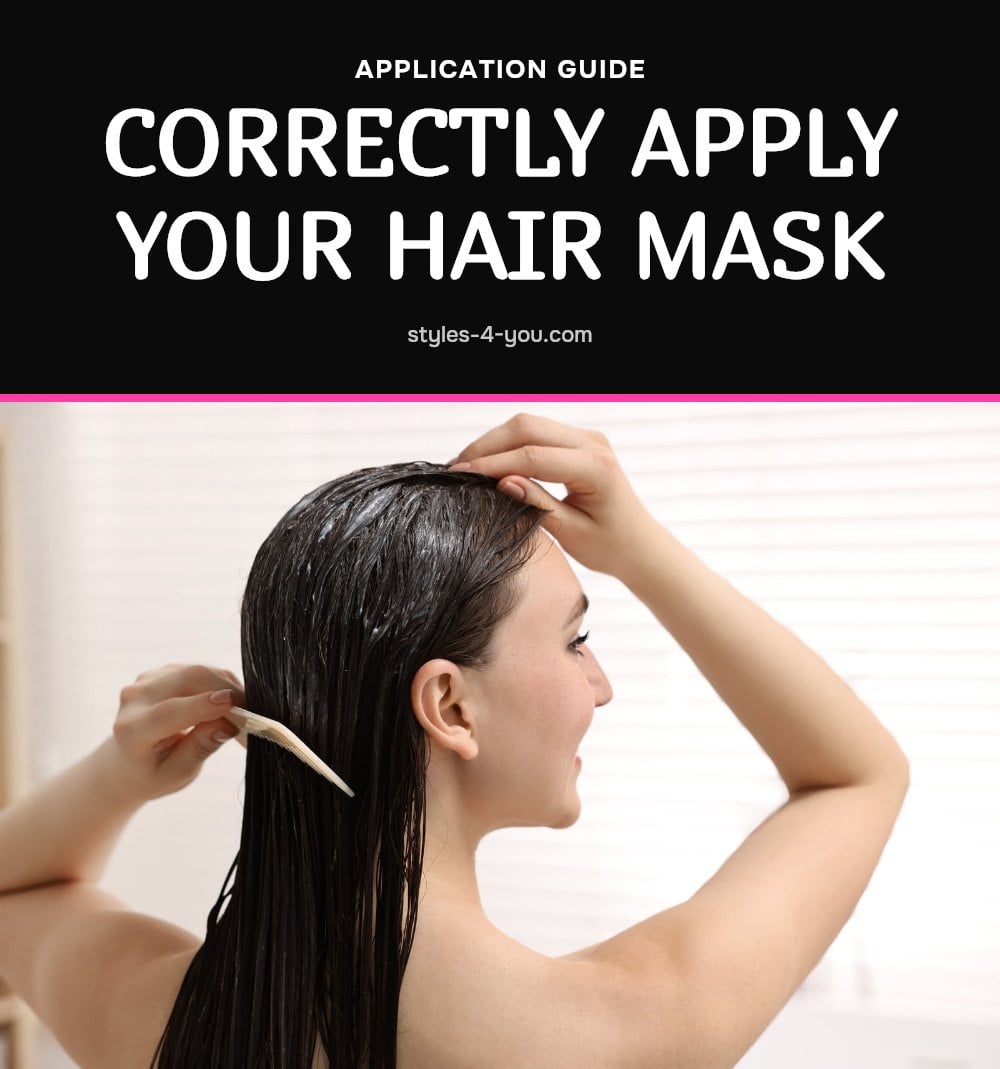
- Start with clean, damp hair: Wash your hair first so ingredients can absorb without dirt or product buildup blocking them.
- Apply evenly, targeting roots and ends: Work the mask into your scalp to support growth, then spread it through the ends for shine and moisture.
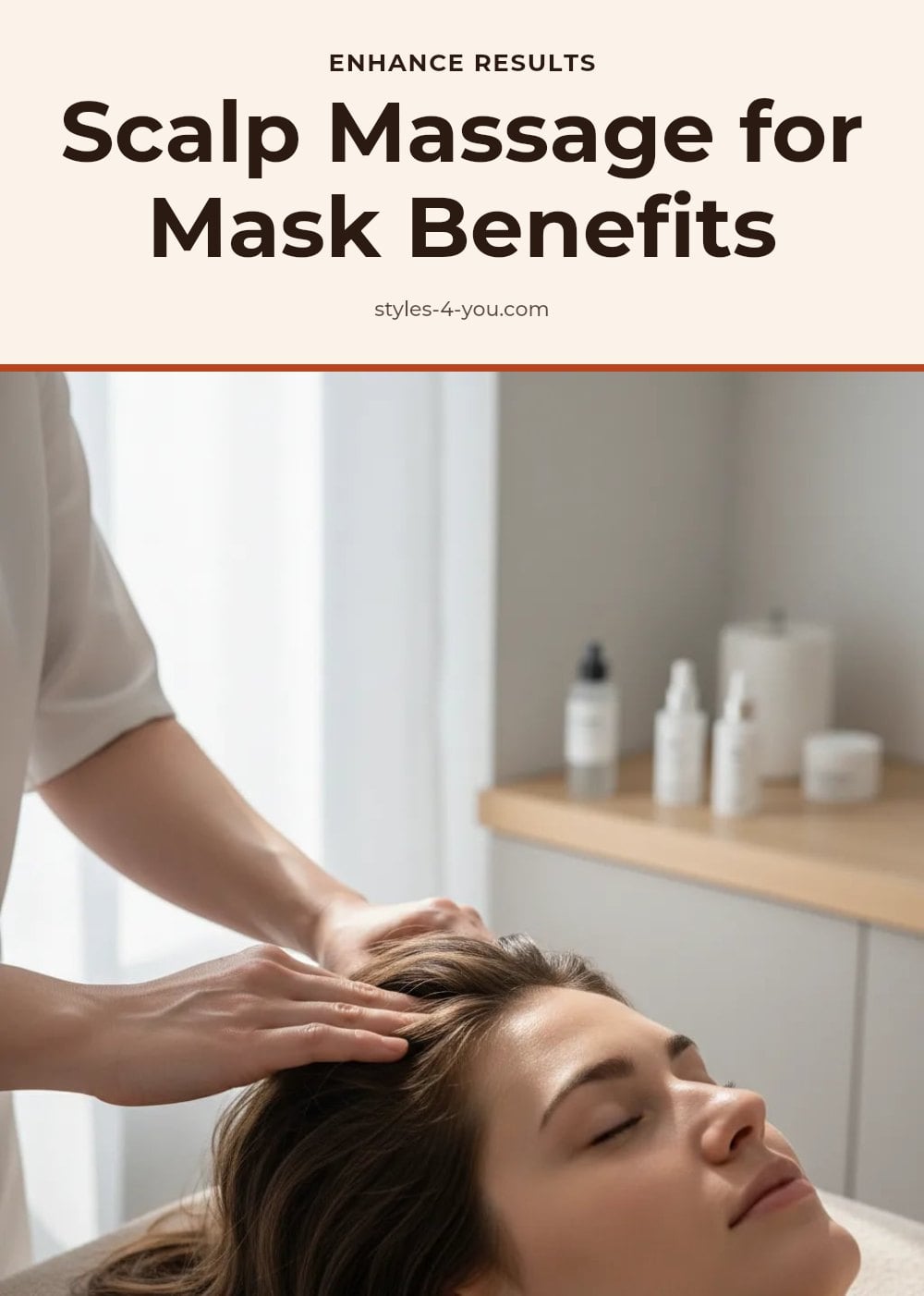
- Massage your scalp gently: Use your fingertips in small circles to stimulate blood flow, which may support hair growth over time.
- Cover with a shower cap or warm towel: Heat helps ingredients penetrate deeper. Leave the mask on for 20-30 minutes.
- Rinse thoroughly with lukewarm water: Keep rinsing until the water runs clear and no residue remains. Residue can leave hair greasy or heavy.
How Often to Use and When to Expect Results
Apply homemade hair masks once or twice a week for best results. Leave the mask on for 20-30 minutes so the ingredients have time to absorb into your hair shaft.
You may notice improved shine and texture after a few weeks of consistent use. Hair growth takes longer, visible changes typically require months of regular treatments. The good news is that these masks use common pantry items, making them very cost-effective.
Common Hair Mask Mistakes to Avoid
Not rinsing thoroughly: Leftover residue makes hair greasy and heavy. Rinse with lukewarm water until it runs completely clear.
Using heavy ingredients on fine hair: Thick oils or too much product can weigh fine hair down. Opt for lighter oils like argan or use less product overall.
Applying to dirty hair: Buildup blocks ingredients from penetrating. Always start with clean, damp hair.
Expecting instant results: Natural remedies need consistency and patience. Don’t expect dramatic changes after one use.
Skipping a patch test: Test a small amount of each new ingredient on your inner arm before applying to your scalp. This helps avoid irritation or allergic reactions.
Best Tips for Maximizing Your Mask’s Benefits
Warm your oils slightly: Heat a small amount of oil in your hands or a bowl of warm water. A slightly warm oil penetrates the hair shaft more effectively than cold oil.
Adjust for hair type: Dry hair benefits from more oil, while fine hair needs less or lighter ingredients like aloe vera. Match your mask to your hair’s needs.
Focus on your scalp for growth: Gently massage the mask into your scalp using your fingertips. This stimulates circulation, which may support hair growth.
Protect your clothes: Food-based masks can stain fabrics. Wear an old t-shirt or drape a towel over your shoulders.
Use fresh ingredients: Prepare your mask right before applying and discard any leftovers. Fresh ingredients work best and prevent spoilage.
When to Consult a Professional for Hair Concerns
Homemade masks are not a substitute for medical care. Consult a professional if you experience severe or sudden hair loss, or if a mask causes persistent scalp irritation, redness, or allergic reactions.
Seek advice if you have an underlying medical condition affecting your hair, suspect a fungal or bacterial scalp infection, or need guidance on specific hair damage or chronic issues.
Frequently Asked Questions
Can I leave a DIY hair mask on overnight?
Leaving a homemade mask on overnight is not recommended unless a specific recipe says it’s safe. Some ingredients, like protein-rich eggs or acidic ones, can become too potent and cause irritation or breakage. Stick to the 20-30 minute window for best results without risk.
What ingredients are best for oily hair?
For oily hair, focus on ingredients that balance without adding extra grease. Light options like aloe vera, yogurt, or a small amount of apple cider vinegar (diluted) can help. Avoid heavy oils like coconut or olive oil, which can weigh hair down.
Will homemade masks help with severe hair loss?
Homemade masks can support overall hair health, but they are not a treatment for severe or medical hair loss. If you’re experiencing sudden or significant shedding, consult a doctor or dermatologist to rule out underlying conditions.
How do I store leftover homemade hair mask?
Homemade masks use fresh ingredients that can spoil quickly, so it’s best to prepare only what you need for one use. If you have leftovers, store them in an airtight container in the refrigerator for up to 24 hours, but discard if there’s any change in smell or texture.
How often should I use a homemade hair mask?
For most hair types, using a homemade mask once or twice a week is ideal. This frequency gives your hair concentrated nutrients without overloading it. Adjust based on your hair’s response, dry hair may benefit from twice a week, while fine hair might do well with once.
Final Thoughts
For a simple starting point, try the protein-powerhouse mask with egg and yogurt once a week. You may notice smoother, shinier hair after a few weeks, but don’t expect dramatic growth overnight. Stick with it, adjust ingredients to your hair type, and you’ll see the difference.

More Blog ideas
- Your Essential Guide to a Healthy Feminine Hygiene Routine
- Best High Protein Foods to Eat Daily for Health and Energy
- Feeling Stuck: 12 Small Steps to Get Unstuck
- Winter Skin Survival Tips
- How to Get a Flat Stomach
- How to Fix Damaged Hair and Restore Its Health
- Full-Body Kettlebell Workout
- Dry Scalp vs. Dandruff
- Full Body Workout for Beginners
- 21 Easy Beauty Tips Every Woman Should Know
- Feminine Energy: 15 Daily Habits to Feel More Radiant
- Upper Body Workout for Women at Home






