Hair Oiling for Hair Growth: Your Complete Step-by-Step Guide
Learn exactly how to do hair oiling for hair growth and healthier strands, from choosing the right oil to washing it out, with our easy guide.

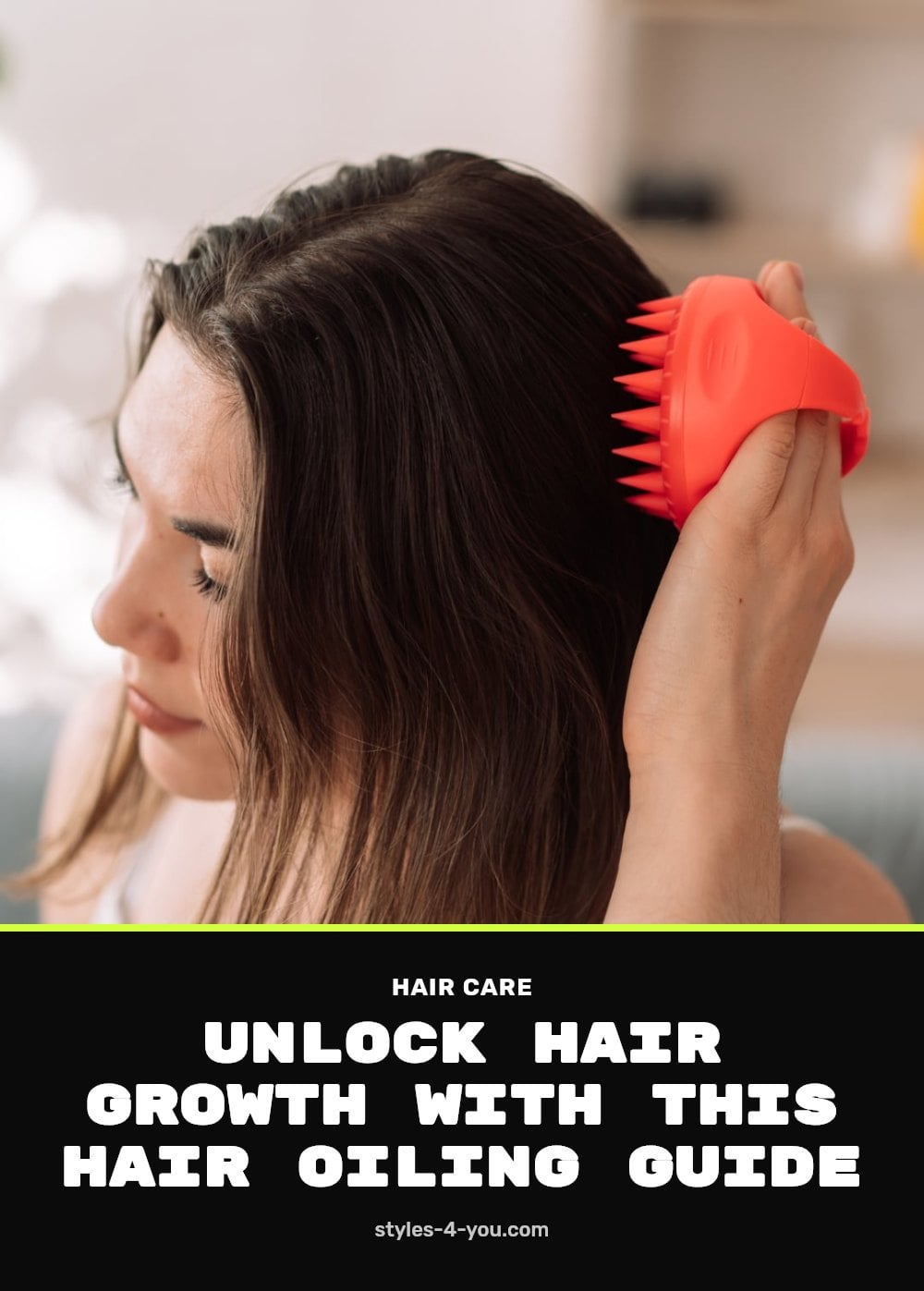
If you’ve ever wondered whether slathering your hair in oil actually does anything for growth, you’re not alone. The truth is, hair oiling is less about a magic potion and more about scalp health and protection. This guide walks you through a simple, step-by-step method to oil your hair effectively, what to avoid, and how to pick the right oil for your hair type.
Key Takeaways
- Detangle hair with a wide-tooth comb before applying any oil.
- Use one cold-pressed, organic oil, warmed for better penetration.
- Massage scalp for at least five minutes to boost circulation.
- Leave oil on for 1 to 8 hours, then rinse with mild shampoo.
- Oil your hair 1-2 times weekly for best results.
Does Hair Oiling Really Help with Hair Growth?
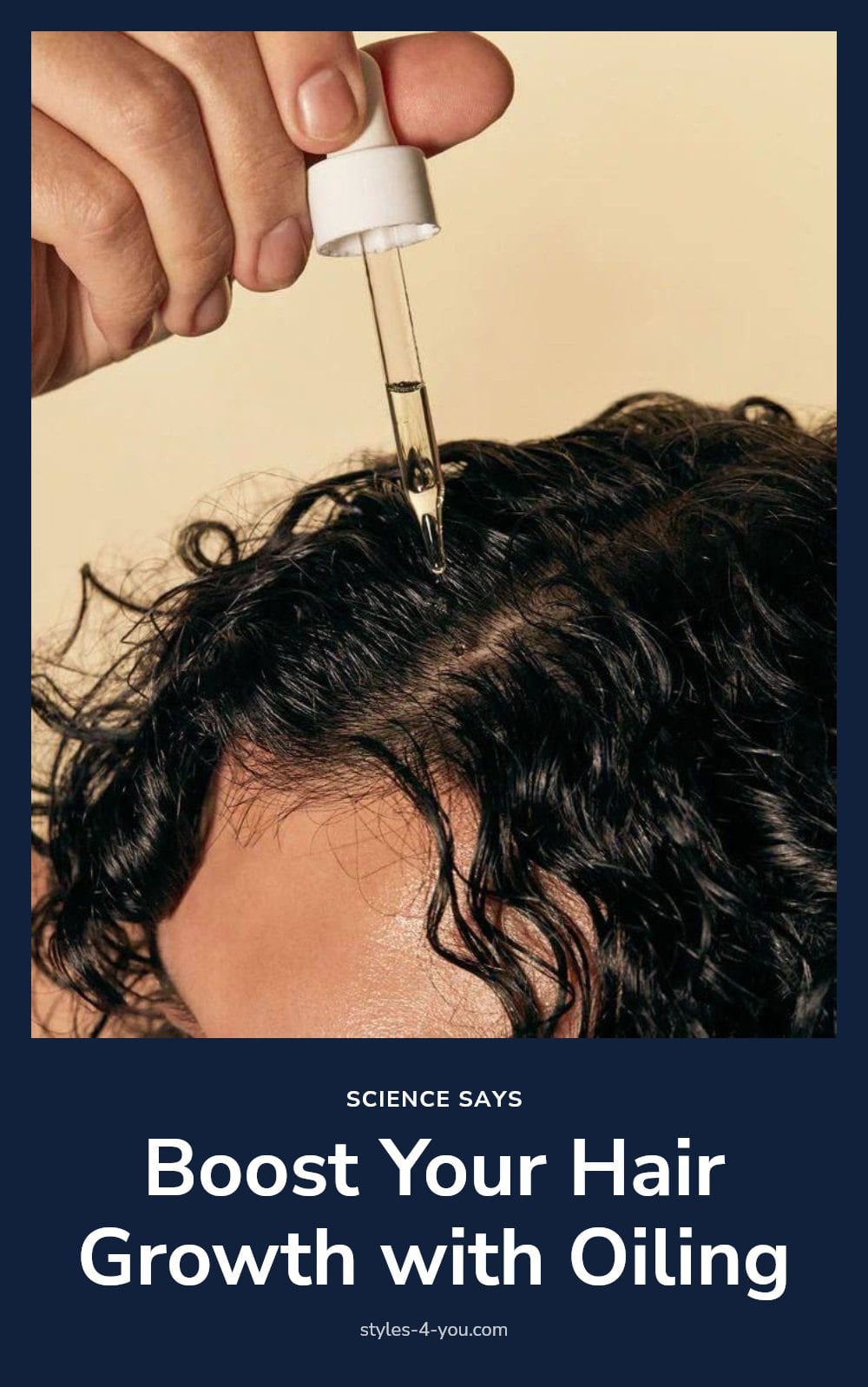
Yes, hair oiling can support hair growth, but not in the direct way many people assume. The key lies in the massage: when you gently work oil into your scalp for at least five minutes, you increase blood circulation to the follicles, which brings oxygen and nutrients that can encourage healthier growth. The oil itself conditions the hair shaft, reducing protein loss and protecting against breakage. That means your hair can grow longer without snapping off. Scientific evidence directly proving that oil accelerates the growth rate is limited, so don’t expect a quick fix for baldness. The real wins are reduced dryness, increased shine, and less breakage through the combination of conditioning and regular scalp massage.
Your Hair Oiling Essentials
Before you start, gather a few simple tools. You will need:
- Cold-pressed, organic oil with one ingredient this ensures you get pure benefits without additives that can clog pores.
- A wide-tooth comb detangling before oiling prevents breakage and helps the oil spread evenly.
- A Q-tip for precise application of warmed oil directly to your scalp, avoiding messy drips.
- A scalp massager (optional but helpful) it boosts circulation more effectively than fingertips alone.
- A shower cap or heat cap essential for locking in warmth and protecting your hair while the oil works.
Step-by-Step: How to Oil Your Hair for Growth and Shine
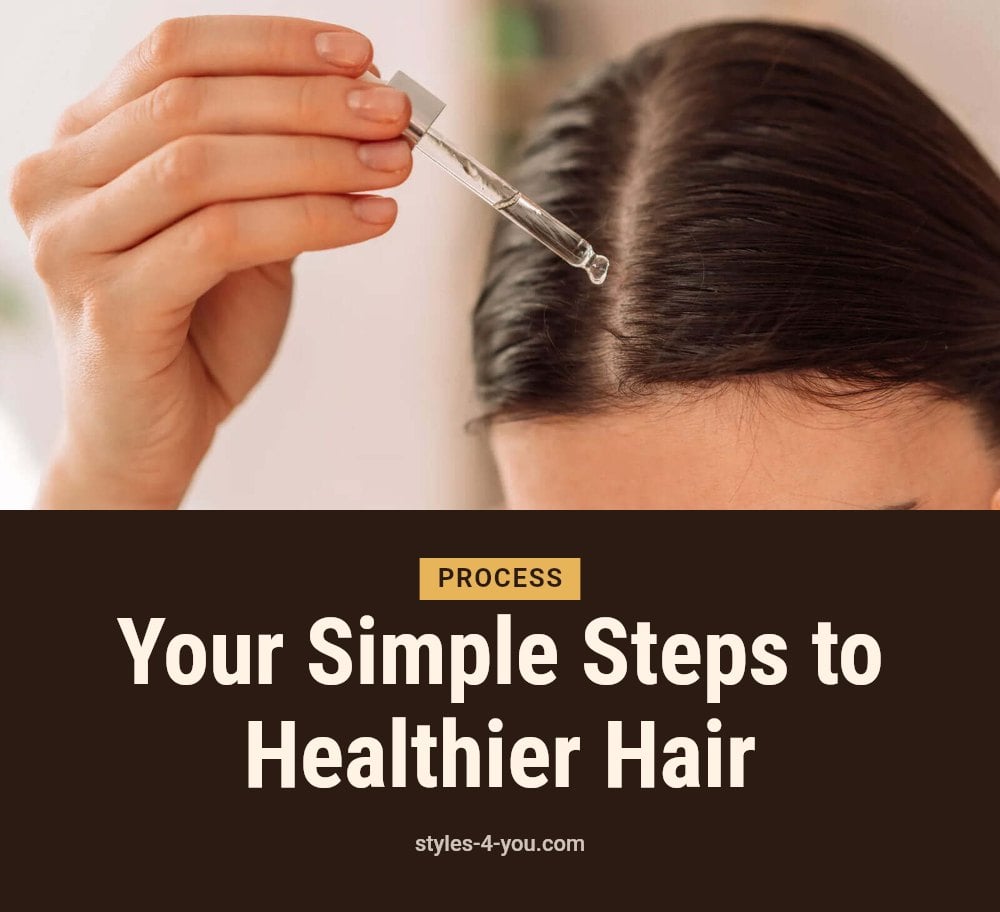
Follow this method for the best results. The steps come from a detailed tutorial that prioritizes scalp health and shine.
- Detangle your hair: Use a wide-tooth comb from ends to roots before any oil touches your hair. This prevents breakage and ensures the oil distributes evenly.
- Select your oil: Pick a cold-pressed, organic oil with a single ingredient. Avocado oil works well for moisture and reducing hydro fatigue. For growth, dilute rosemary oil with a carrier oil. Avoid mineral oil, baby oil, lemon oil, and coconut oil if you have low porosity hair.
- Warm the oil: Place the bottle in hot water for one minute. Warm oil penetrates deeper and seals cuticles, plus it feels soothing on the scalp.
- Apply to scalp with a Q-tip: Dip the Q-tip into the warmed oil and dab it directly onto your scalp. This targets the roots without over-saturating.
- Apply to lengths: Section your hair and use your hands to spread a light layer of oil from roots to ends. Use about one tablespoon total, adjusting for density. Your hair should feel slightly covered, not drenched.
- Massage gently for five minutes: Use a scalp massager or your fingertips in circular motions. This stimulates blood flow, which supports follicle health. Be gentle, rough rubbing damages follicles.
- Cover with a shower cap: This protects your hair and prevents tight hairstyles that cause breakage. For low porosity hair, use a heat cap or wrap a warm (not hot) microfiber towel around your head.
- Let it sit for 1 to 8 hours: The minimum is one hour; the maximum is eight. Overnight treatments are fine occasionally but not daily. Leaving it longer than a day causes buildup and clogged pores.
- Rinse thoroughly: Soak your hair in warm water for one minute. Apply a quarter-sized amount of mild shampoo, emulsify, and gently clean for three minutes to break down excess oil. Rinse completely.
- Apply your usual products: After rinsing, use your favorite conditioner and styling products as normal.
Prefer to watch? Doro Cubillo walks through the whole method in this 10-minute video. The how-to part starts at 0:21.
Top Tips for Effective Hair Oiling
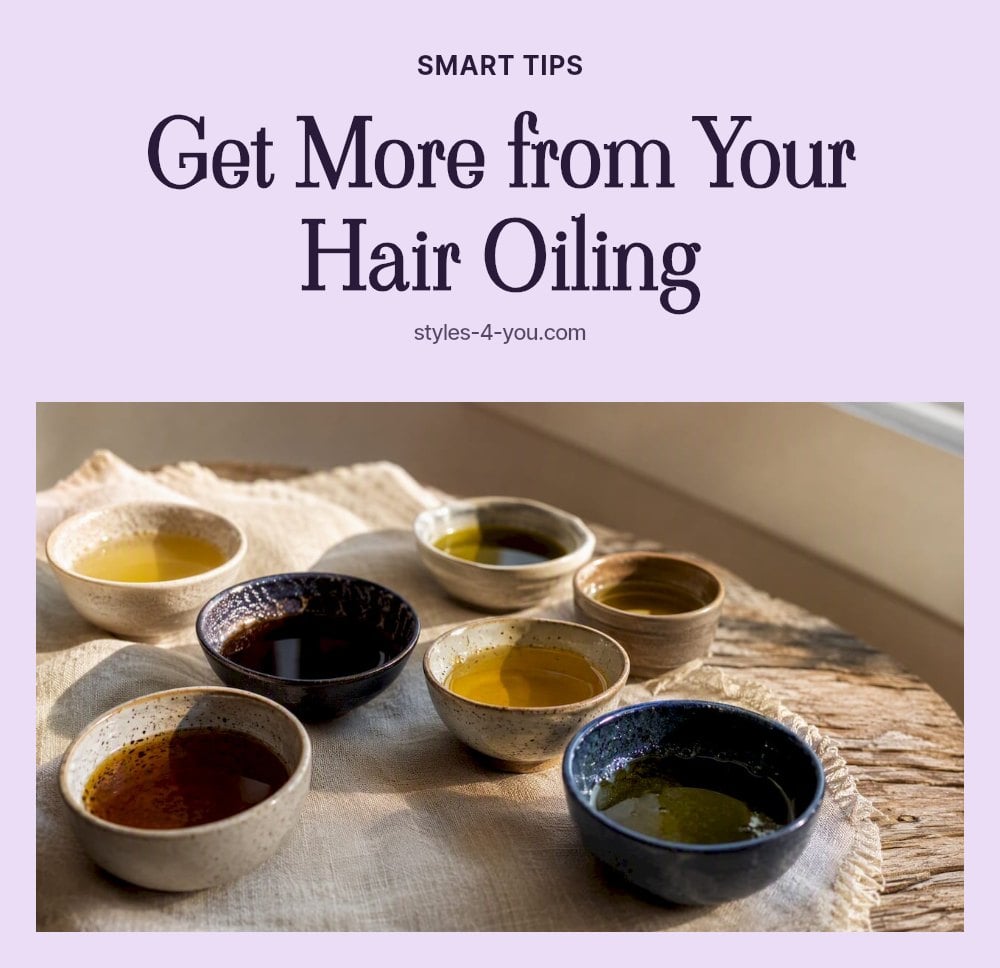
These tips come from experience and the video method. They make the process smoother and more effective.
- Choose Wisely: Stick with cold-pressed, organic oils that have one ingredient. Blends with additives can irritate the scalp or leave residue.
- Warm It Up: Always warm your oil gently, cold oil doesn’t penetrate deeply. Heating it for one minute in hot water seals cuticles and improves absorption.
- Less Is More: Your hair should feel slightly covered, not soaked. Too much oil is hard to wash out and requires extra shampooing, which strips natural oils.
- Gentle Massage: Massage your scalp for at least five minutes using your fingertips or a scalp massager. Use circular motions and light pressure, aggressive rubbing can damage follicles.
- Protect Your Hair: After applying oil, cover your hair with a shower cap or loose wrap. This prevents breakage from tight hairstyles and keeps the warmth in, which helps the oil work.
Choosing the Best Oil for Your Hair Type
Different oils offer unique benefits, so matching one to your hair type makes a real difference. Here is a quick guide to the most effective options.
| Oil | Key Benefit | Best For |
|---|---|---|
| Coconut oil | Deep conditioning, reduces protein loss | Dry, damaged, or high-porosity hair |
| Argan oil | Antioxidants, adds shine | Frizzy, dull, or color-treated hair |
| Jojoba oil | Balances scalp oil production | Oily scalp or fine hair |
| Avocado oil | Moisturizes, reduces hydro fatigue | Thick, coarse, or low-porosity hair |
Tip: If you have low-porosity hair, skip coconut oil (it can cause dryness) and try avocado or jojoba instead. Always choose cold-pressed, organic oils with one ingredient for the purest results.
Common Hair Oiling Mistakes to Avoid
Even with the best intentions, a few missteps can undo your results. Here are the most common mistakes and how to avoid them.
- Combing Oiled Hair: Oil makes hair more vulnerable to breakage. Always detangle before applying oil, not after.
- Using the Wrong Oils: Skip mineral oil, baby oil, and lemon oil. Coconut oil can cause dryness on low-porosity hair.
- Not Warming the Oil: Cold oil sits on the surface. Warm it gently in hot water for one minute so it penetrates deeper.
- Applying Too Much Oil: More is not better. Use about one tablespoon; your hair should be slightly covered, not soaked. Excess oil forces harsh shampooing that strips natural oils.
- Rough Massaging: Aggressive rubbing can damage follicles. Use gentle circular motions for at least five minutes.
- Tying Hair Too Tightly: Tight styles after oiling cause breakage and split ends. Leave hair loose or under a shower cap.
- Leaving Oil On Too Long: More than 24 hours leads to buildup, dandruff, and clogged follicles. Stick to 1-8 hours.
After Your Hair Oiling Treatment
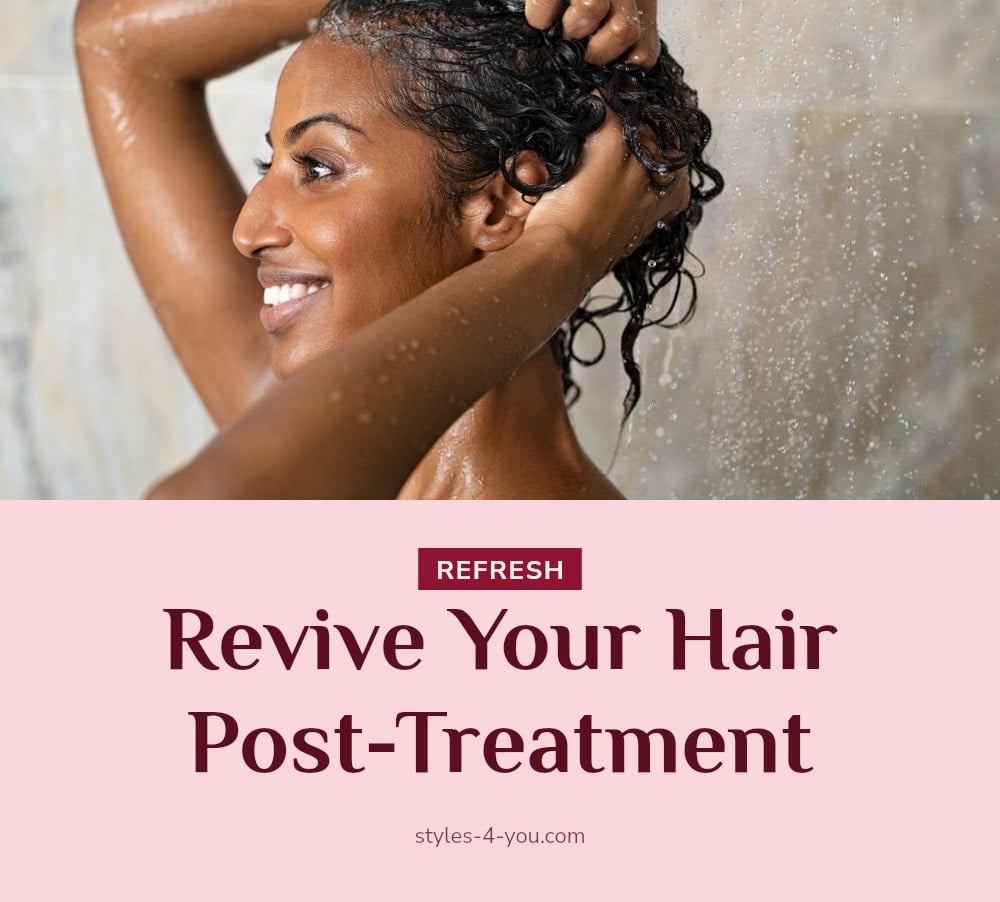
Once the oil has done its work, rinse it out properly. Start by soaking your hair in warm water for one minute. Apply a quarter-sized amount of mild shampoo, emulsify it, and gently clean for three minutes to break down excess oil. If your hair still feels greasy, do a second cleanse. After rinsing, apply your usual conditioner or leave-in products. For best results, oil your hair 1-2 times per week. Consistency matters more than quantity.
When to Consult a Professional
Hair oiling is safe for most people, but some situations call for a doctor. See a dermatologist if you have:
- Persistent scalp irritation, redness, or itching after oiling.
- Severe dandruff or seborrheic dermatitis (consult before starting).
- Significant hair loss or balding that doesn’t improve with routine care.
- A suspected allergic reaction to an oil: stop use and seek medical advice.
A patch test on a small area of skin before full application can help prevent reactions.
Frequently Asked Questions
How often should I oil my hair for the best results?
Most people do well with oiling 1-2 times a week. This frequency keeps your hair conditioned without overloading your scalp. If you have fine hair, start with once a week and see how it responds. Adjust based on how your scalp feels, and always wash the oil out thoroughly.
Can hair oiling help with dandruff or a dry scalp?
Yes, regular oiling can reduce dryness and flakiness by moisturizing the scalp. Some oils have antimicrobial or anti-inflammatory properties that may help. However, if you have severe dandruff or seborrheic dermatitis, check with a dermatologist before oiling, as some oils can worsen these conditions.
What’s the best way to remove hair oil without stripping my hair?
Soak your hair in warm water for one minute first. Then apply a quarter-sized amount of mild shampoo, emulsify it, and gently clean for three minutes. This breaks down the oil without over-stripping. If needed, a second light shampoo can help remove any residue.
Can I use essential oils directly on my scalp?
No, essential oils like rosemary should always be diluted with a carrier oil before applying to your scalp. Using them undiluted can cause irritation or allergic reactions. A safe dilution is a few drops of essential oil per tablespoon of carrier oil, but always patch test first.
Is hair oiling suitable for all hair types?
Yes, but the oil choice and method matter. Fine hair benefits from lighter oils like jojoba, while dry or damaged hair may prefer coconut or avocado. Low porosity hair needs heat to help the oil penetrate. Always adjust the amount of oil so your hair is slightly covered, not drenched.
Final Thoughts
For most people, the real win is healthier, softer, shinier hair with less breakage. Stick with a single-ingredient oil, warm it slightly, and massage your scalp for at least five minutes each time. Expect to see texture and shine improvements within a few weeks, while any growth effect would take months to notice. So start small, be consistent, and let the process work for you.
This article is for general information only and is not a substitute for professional medical or hair care advice. If you have a persistent scalp condition, significant hair loss, or an allergic reaction, consult a dermatologist or qualified professional before continuing any oiling routine.
More Blog ideas
- Your Essential Guide to a Healthy Feminine Hygiene Routine
- Best High Protein Foods to Eat Daily for Health and Energy
- Feeling Stuck: 12 Small Steps to Get Unstuck
- Winter Skin Survival Tips
- How to Get a Flat Stomach
- How to Fix Damaged Hair and Restore Its Health
- Full-Body Kettlebell Workout
- Dry Scalp vs. Dandruff
- Full Body Workout for Beginners
- 21 Easy Beauty Tips Every Woman Should Know
- Feminine Energy: 15 Daily Habits to Feel More Radiant
- Upper Body Workout for Women at Home






