Your Step-by-Step Guide to a High Protein Diet
Learn how to implement a high protein diet to support satiety and muscle growth. Discover essential foods, practical tips, and common mistakes to avoid.

You already know protein is important, but figuring out how to actually eat more of it each day can feel overwhelming. This guide breaks down exactly how to build a high-protein diet that supports your weight, muscle, and overall health without overcomplicating your meals.
I will walk you through the best foods to stock up on, a simple step-by-step plan to hit your daily target, and common pitfalls to avoid. My tip: start with one change, like adding a protein source to breakfast, and build from there.
Key Takeaways
- Calculate your protein target by multiplying your weight in kilograms by 1.2 to 1.6.
- Include a protein source at every meal and snack to stay full and support muscle.
- Choose lean animal proteins and combine plant proteins for a complete amino acid profile.
- Hydrate well when increasing protein to support kidney function and digestion.
- Whole foods should come first; use supplements only as a convenient backup.
Why Eating More Protein Matters for Your Body
Protein is the building block your body relies on for repairing tissues, producing hormones, and keeping your immune system strong. When you eat more of it, you also feel fuller longer, which can help with weight management and preserving muscle, especially if you’re cutting calories. For these benefits, many experts suggest aiming for 1.2 to 1.6 grams of protein per kilogram of body weight daily. Spread that intake across your meals rather than loading up at dinner only.
Essential High-Protein Foods to Stock Up On
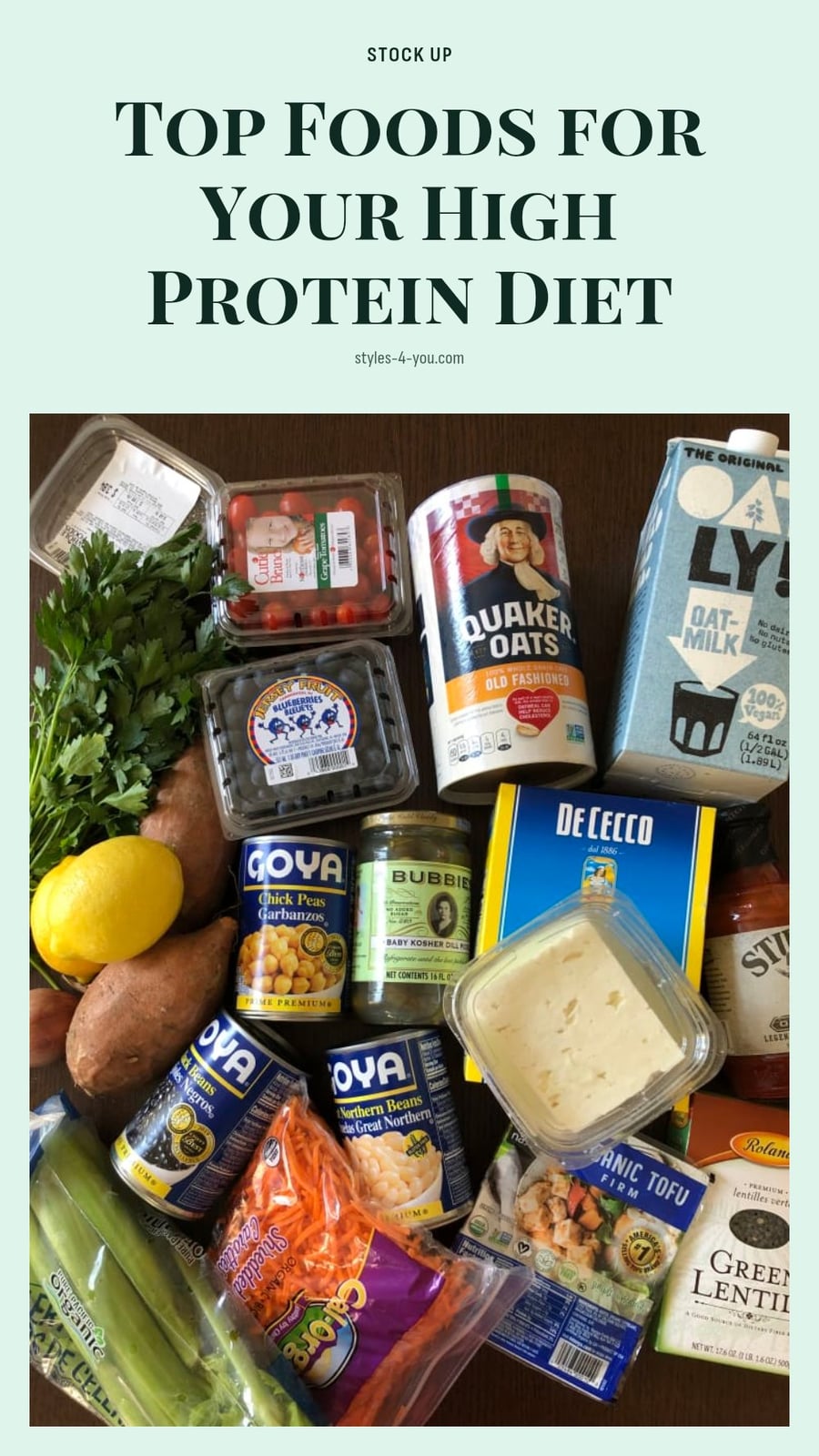
Stock your kitchen with a mix of animal and plant proteins so you never run out of options.
- Lean meats: Chicken breast, turkey, and lean beef pack high-quality protein with less saturated fat.
- Fish: Salmon, tuna, and cod offer protein plus heart-healthy omega-3s (especially in salmon).
- Eggs and dairy: Eggs, Greek yogurt, and cottage cheese are versatile and easy to add to any meal.
- Legumes: Beans, lentils, and chickpeas bring protein and fiber to vegetarian dishes.
- Plant-based proteins: Tofu, tempeh, and edamame are excellent meat alternatives.
- Nuts and seeds: Almonds, walnuts, chia, and hemp seeds add protein and healthy fats.
- Whole grains: Quinoa and oats contribute a surprising amount of protein.
- Protein powder: Whey or plant-based powders can fill gaps when whole foods aren’t convenient.
Step-by-Step: Increasing Your Daily Protein Intake
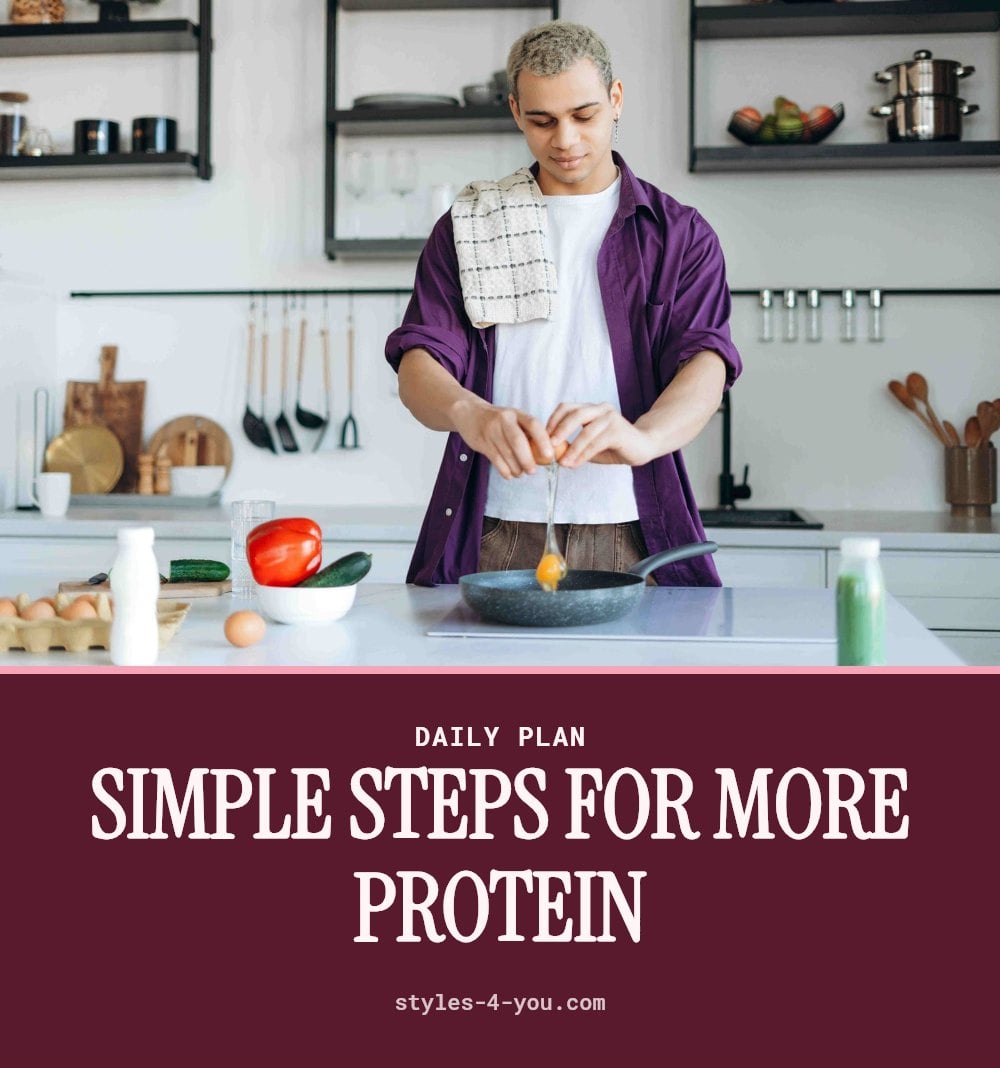
Boosting your protein doesn’t have to be complicated. Follow these steps to build a sustainable high-protein routine.
- Calculate your target: Multiply your weight in kilograms by 1.2 to 1.6. For example, a 70 kg person would aim for 84 to 112 grams daily.
- Add protein to every meal: Include a serving of meat, fish, eggs, dairy, legumes, or tofu at breakfast, lunch, and dinner. Even snacks can count: Greek yogurt, nuts, or a boiled egg work well.
- Choose lean sources first: Opt for skinless chicken, turkey, fish, and low-fat dairy to keep saturated fat in check while getting protein.
- Spread it out: Aim for roughly 20 to 30 grams of protein per meal. This distribution may support muscle protein synthesis better than one large serving at dinner.
- Experiment with plants: Try tofu stir-fries, lentil soups, or chickpea salads. Combine different plant proteins like rice and beans to get a complete amino acid profile.
- Hydrate well: Higher protein intake increases your water needs. Drink extra water throughout the day to help your kidneys process the protein and prevent constipation.
My tip: Keep a food scale or measuring cups handy for the first week to get a feel for portion sizes, then you can eyeball it from there.
Common Mistakes to Avoid When Boosting Protein
Even with good intentions, it’s easy to slip into habits that undermine your high-protein diet. Here’s what to watch for.
- Only eating protein at dinner: Spreading protein across all meals helps with muscle synthesis and keeps you satisfied all day. Add eggs or Greek yogurt at breakfast and a chicken salad at lunch.
- Not enough variety: Sticking to chicken and eggs means you miss out on different amino acids. Mix in fish, legumes, tofu, and nuts.
- Over-relying on processed bars and shakes: Many are loaded with added sugars and unhealthy fats. Prioritize whole foods like grilled chicken or beans, and use supplements only when needed.
- Skipping hydration: Protein metabolism needs water. When you increase protein, drink more water to support kidney function and avoid digestive issues like bloating.
- Neglecting carbs and fats: Protein isn’t the only nutrient. Carbohydrates fuel your workouts, and healthy fats support hormone health. Keep a balanced plate.
Smart Strategies for Consistent Protein Intake
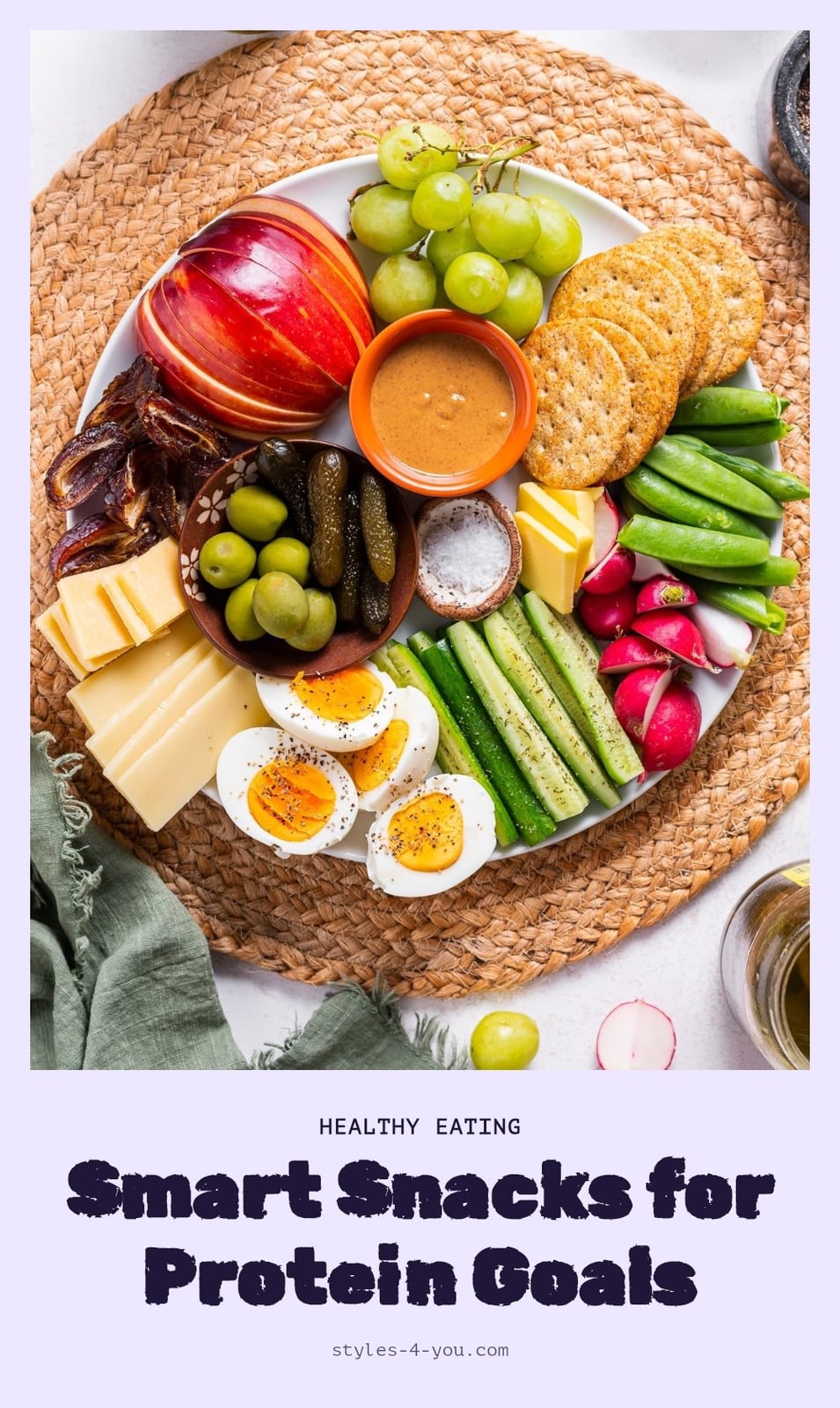
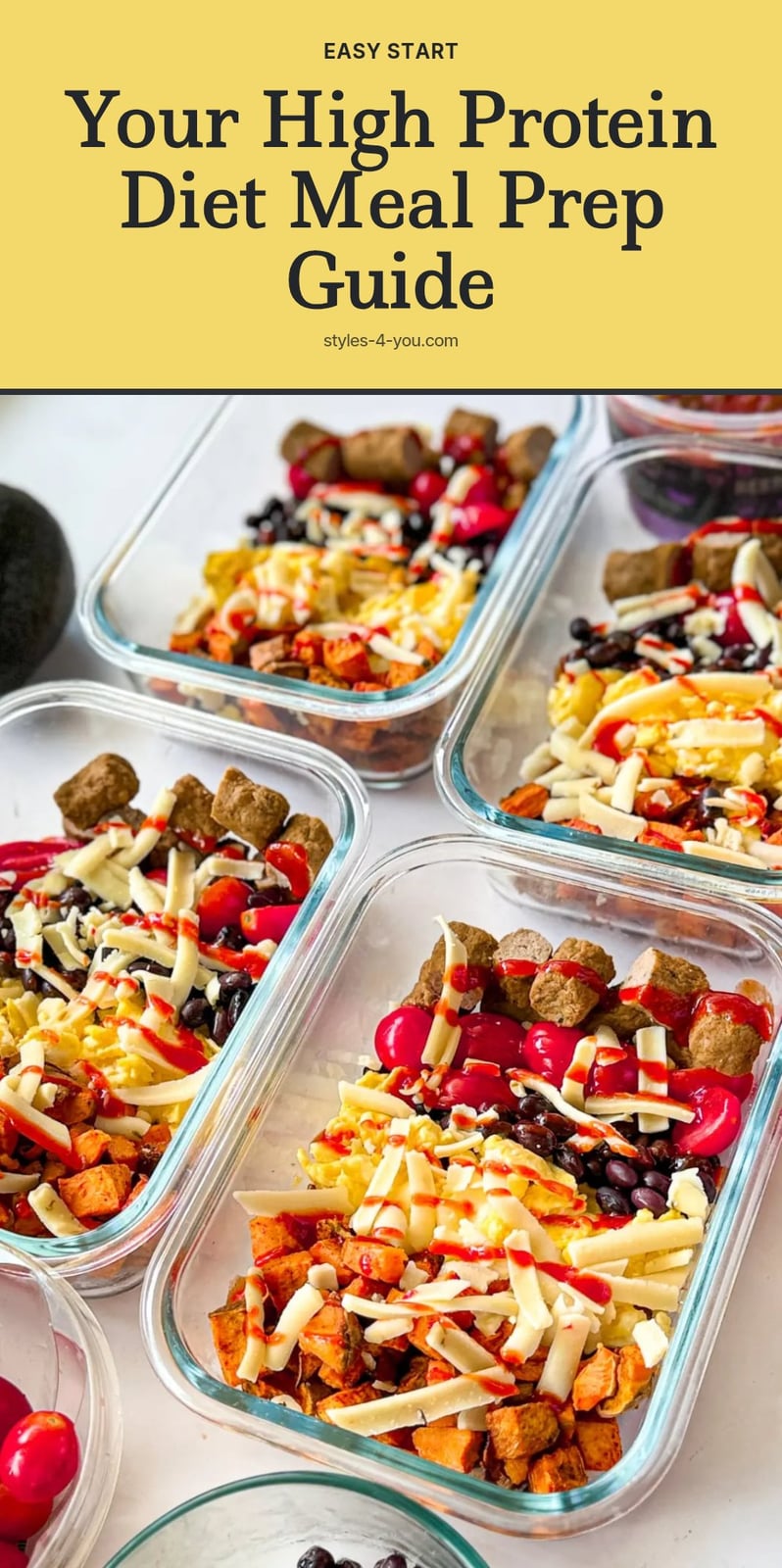
Making high protein intake a daily habit comes down to a few smart routines. Meal Prep for Success: Set aside a couple of hours each week to cook chicken breasts, hard-boil a dozen eggs, or portion out Greek yogurt cups. Having these ready cuts decision time and keeps you on track.
Snack Smart: Keep hard-boiled eggs, single-serve Greek yogurt, or a small bag of almonds in your bag or desk drawer. Boost Your Breakfast: Start with eggs, cottage cheese, or a tofu scramble to set a high-protein tone for the day. Read Labels Carefully: When buying packaged protein bars or shakes, check the protein-to-sugar ratio. Many have as much sugar as a candy bar.
Combine Plant Proteins: If you rely on plant sources, pair them. Rice with beans, hummus with whole-wheat pita, or peanut butter on oat toast gives you a complete amino profile.
What to Expect: Timeline and Cost of a High Protein Diet
Results vary, but you can expect to notice increased satiety and better muscle recovery within the first few days to weeks of consistent higher protein intake. Significant changes in body composition, like visible muscle definition or fat loss, typically take several weeks to months. This is a daily habit, not a short-term fix.
Cost can fit a range of budgets. Budget-friendly options include legumes, eggs, chicken thighs, and cottage cheese. Moderate-cost choices are fish like salmon or tuna, and specific protein powders. You don’t need supplements to succeed; whole foods can do the job.
When to Consult a Professional About Your Diet
Consult a doctor or registered dietitian before significantly increasing protein if you have pre-existing kidney disease or another chronic health condition. Also seek professional advice if you experience persistent digestive discomfort like bloating, gas, or constipation after upping your protein. Pregnant or breastfeeding women, and anyone with specific dietary restrictions, should get personalized guidance. For highly individualized targets tied to athletic performance or medical conditions, a registered dietitian can tailor recommendations safely.
Frequently Asked Questions
How much protein do I really need daily?
The general recommendation is 0.8 grams per kilogram of body weight, but for weight management or muscle building, many people aim for 1.2 to 1.6 grams per kilogram. To find your target, multiply your weight in kilograms by 1.2 to 1.6. For example, a 70 kg person would aim for 84 to 112 grams daily.
Can I get enough protein from a plant-based diet?
Yes, absolutely. Legumes, tofu, tempeh, edamame, nuts, seeds, and quinoa are all excellent sources. To ensure you get all essential amino acids, combine different plant proteins throughout the day, such as rice and beans or hummus with whole-grain pita.
Are protein supplements necessary for a high-protein diet?
No, they are not necessary. Whole food sources should be your priority because they provide additional nutrients and fiber. Protein powders like whey or plant-based blends can be a convenient option post-workout or when you are short on time, but they should complement, not replace, whole foods.
Will a high protein diet help me lose weight?
It can help. Protein increases satiety, meaning you feel fuller for longer, which may naturally reduce your overall calorie intake. It also has a higher thermic effect, so your body burns more calories digesting it. Combined with a balanced diet and regular activity, a higher protein intake can support weight loss efforts.
What are some quick high-protein snack ideas?
Hard-boiled eggs, Greek yogurt, a handful of almonds, cottage cheese with fruit, or edamame are all quick options. You can also keep pre-cooked chicken breast or turkey slices on hand for a savory snack. Aim for snacks that combine protein with a little fiber or healthy fat for lasting energy.
Final Thoughts
Building a high-protein diet is about consistency, not perfection. Aim for a protein source at every meal, spread your intake across the day, and prioritize whole foods like lean meats, fish, eggs, legumes, and dairy. You can expect to feel fuller and recover better within days to weeks, while body composition changes take several weeks to months.
Start with one simple swap, like Greek yogurt for breakfast or a handful of nuts for a snack, and let that momentum carry you forward.
This article is for general informational purposes only and does not constitute medical or dietary advice. Individual protein needs vary based on age, activity level, and health status. Consult a doctor or registered dietitian before making significant changes to your diet, especially if you have a pre-existing health condition.
More Blog ideas
- Your Essential Guide to a Healthy Feminine Hygiene Routine
- Best High Protein Foods to Eat Daily for Health and Energy
- Feeling Stuck: 12 Small Steps to Get Unstuck
- Winter Skin Survival Tips
- How to Get a Flat Stomach
- How to Fix Damaged Hair and Restore Its Health
- Full-Body Kettlebell Workout
- Dry Scalp vs. Dandruff
- Full Body Workout for Beginners
- 21 Easy Beauty Tips Every Woman Should Know
- Feminine Energy: 15 Daily Habits to Feel More Radiant
- Upper Body Workout for Women at Home